
Working Principle of High-pressure Crane and Trolley Positioning
High-pressure cranes rely on a hydraulic power unit to generate and regulate high-pressure oil. The pump converts mechanical energy into hydraulic pressure, which is transmitted through valves to cylinders or motors. Pressure-control valves, including relief and reducing valves, set safe working limits, while directional valves determine lifting, lowering, and travel. Flow-control and proportional valves regulate speed, allowing smooth load handling and fine motion. An accumulator absorbs pressure pulses and supports stable valve response. When a command is given, the PLC compares the target position with feedback from encoders, limit switches, and pressure sensors. The controller adjusts valve openings through closed-loop control, so the crane and trolley move accurately despite load changes and hydraulic fluctuation. Trolley positioning uses rail-mounted wheels, a drive motor, and a position sensor such as an encoder or laser distance meter. The control system calculates the distance to the target, decelerates near the set point, and applies braking to reduce overshoot. Anti-sway logic limits sudden acceleration and keeps the load stable during travel. Safety interlocks monitor overload, pressure loss, and end limits, stopping motion when faults occur. An emergency lowering circuit protects the load if power or pressure fails. This integrated hydraulic and electronic control enables reliable lifting and precise trolley positioning in industrial handling, storage, and assembly operations.
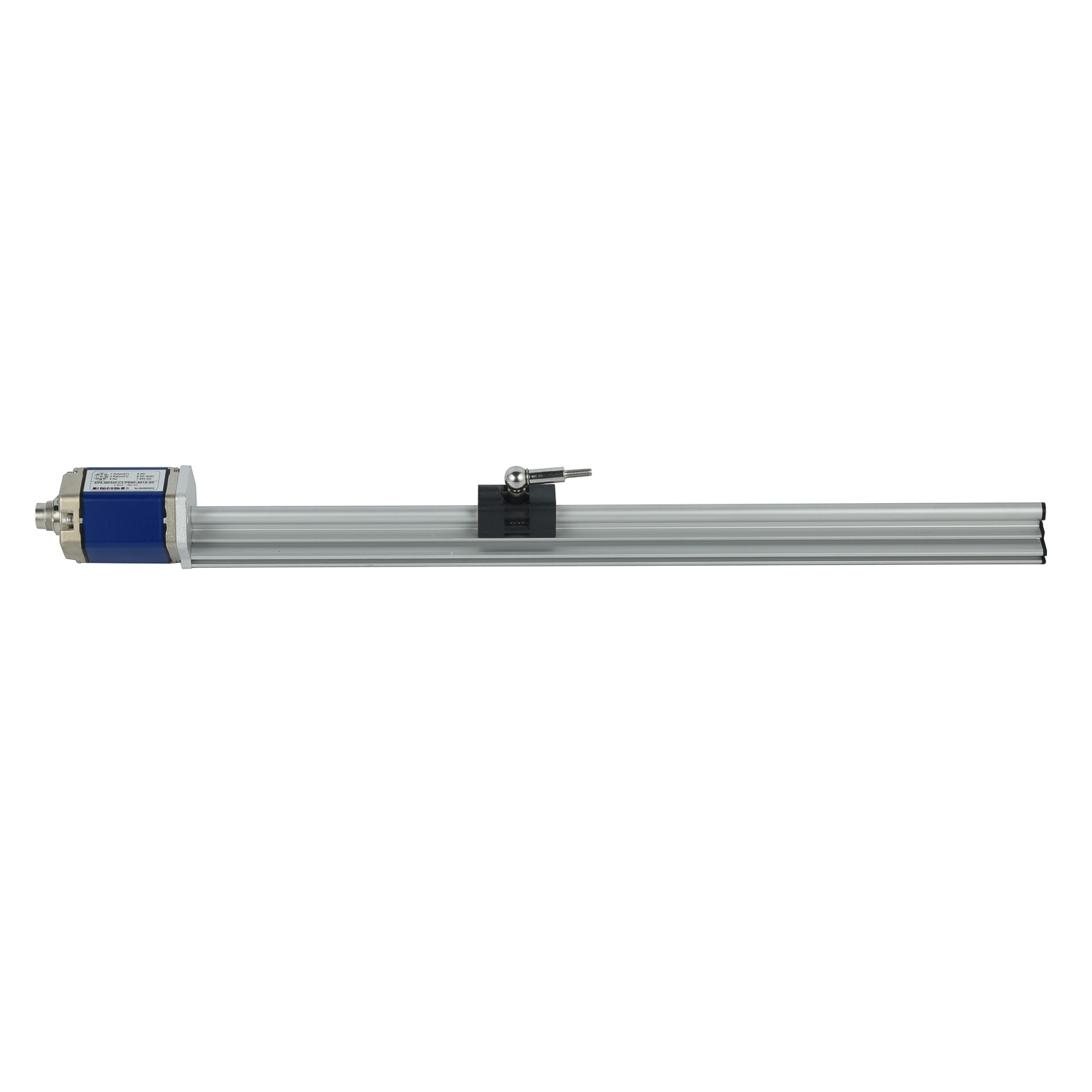
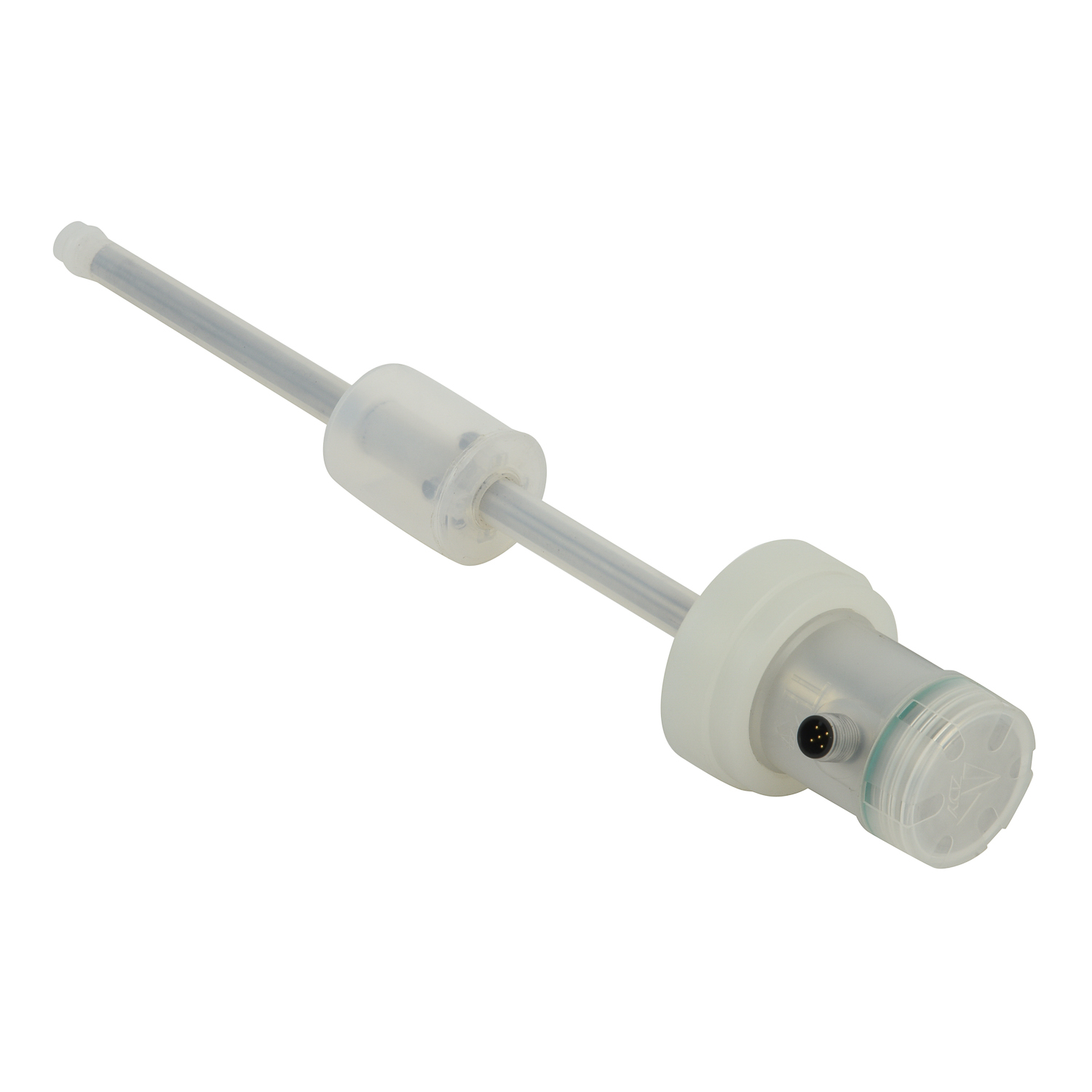 Radar Sensor for Material Tank
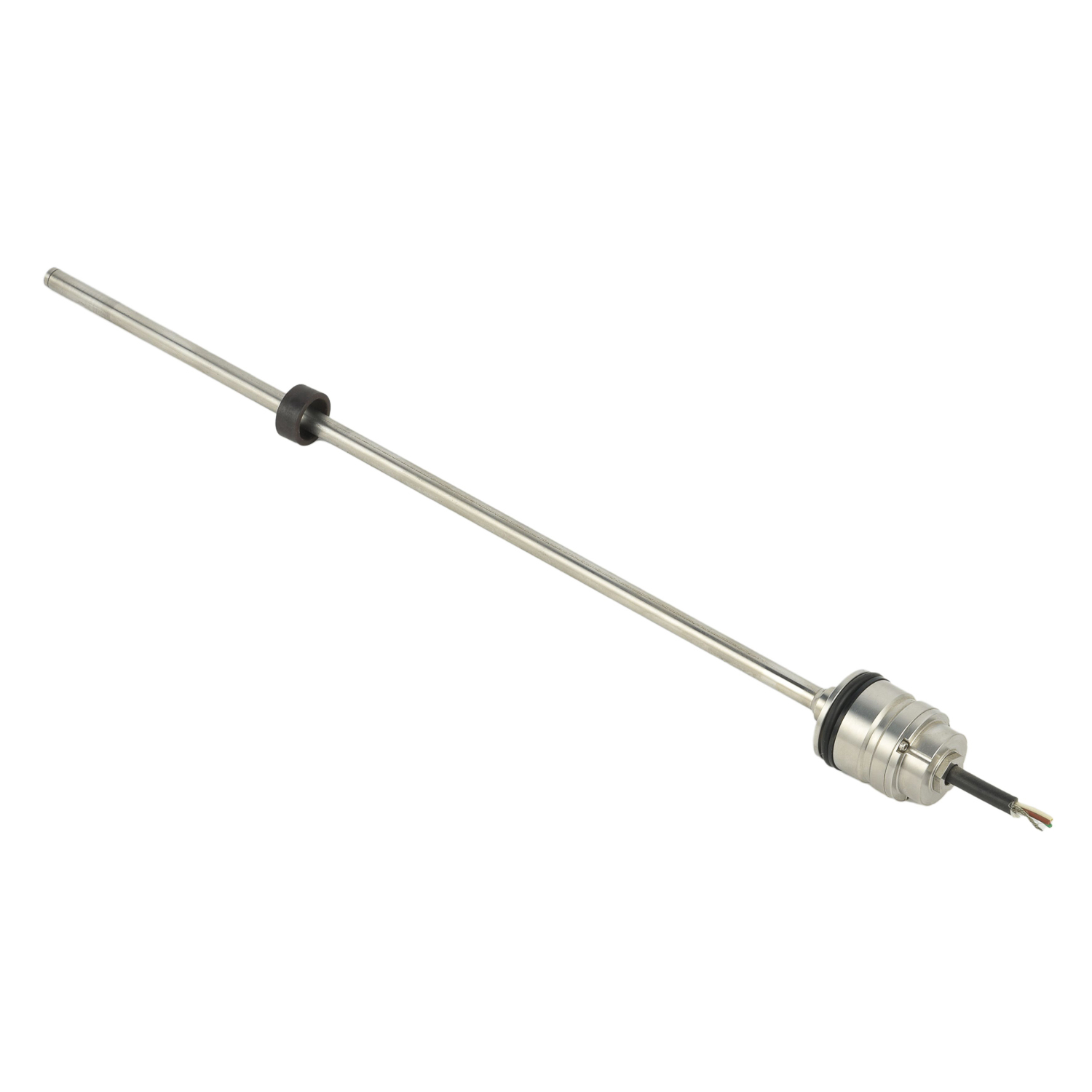 Radar Sensor for Grain and Oil
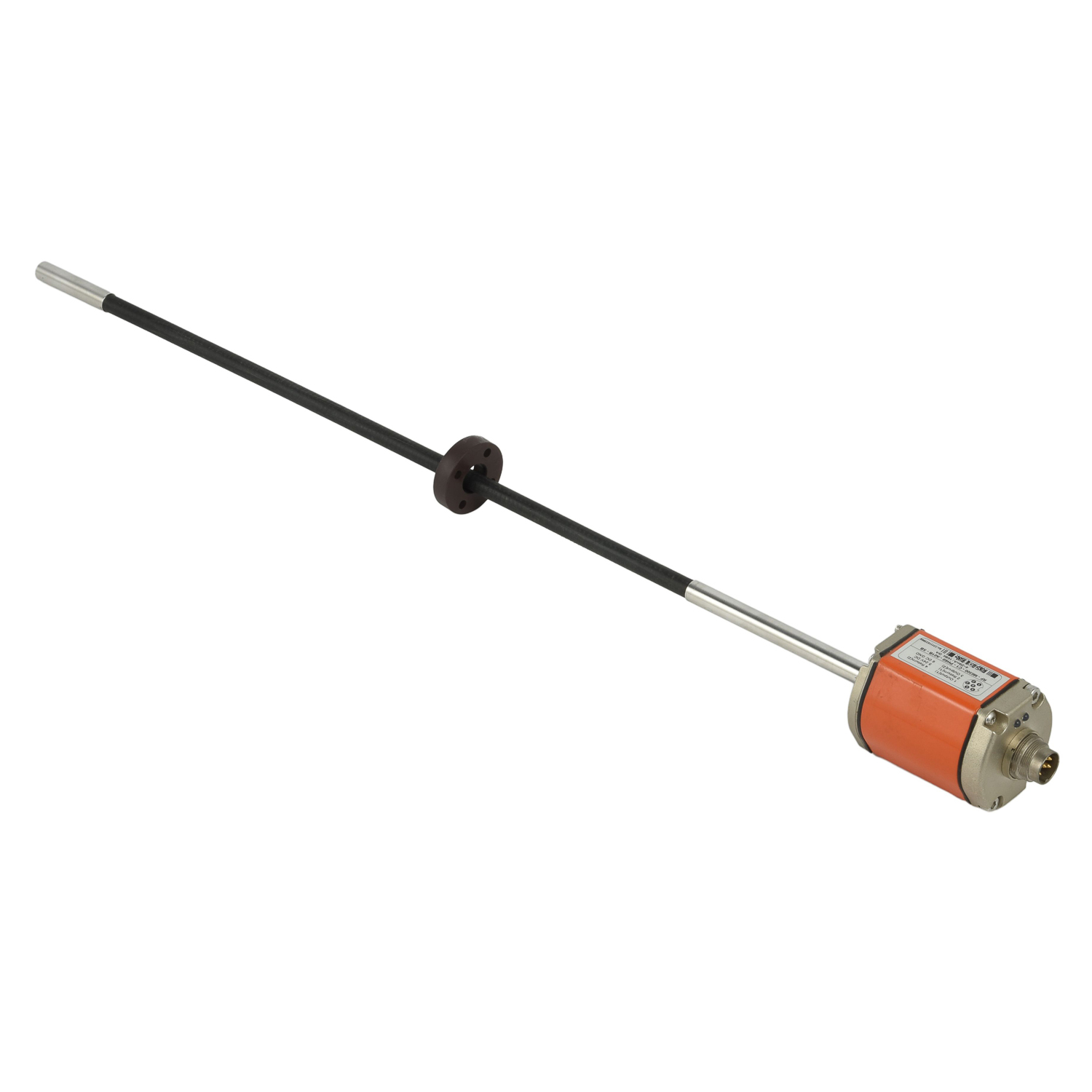 Radar Sensor for Mixing Statio
 Radar Sensor for Shield Tunnel