
Mining High-temperature Crane and Trolley Positioning
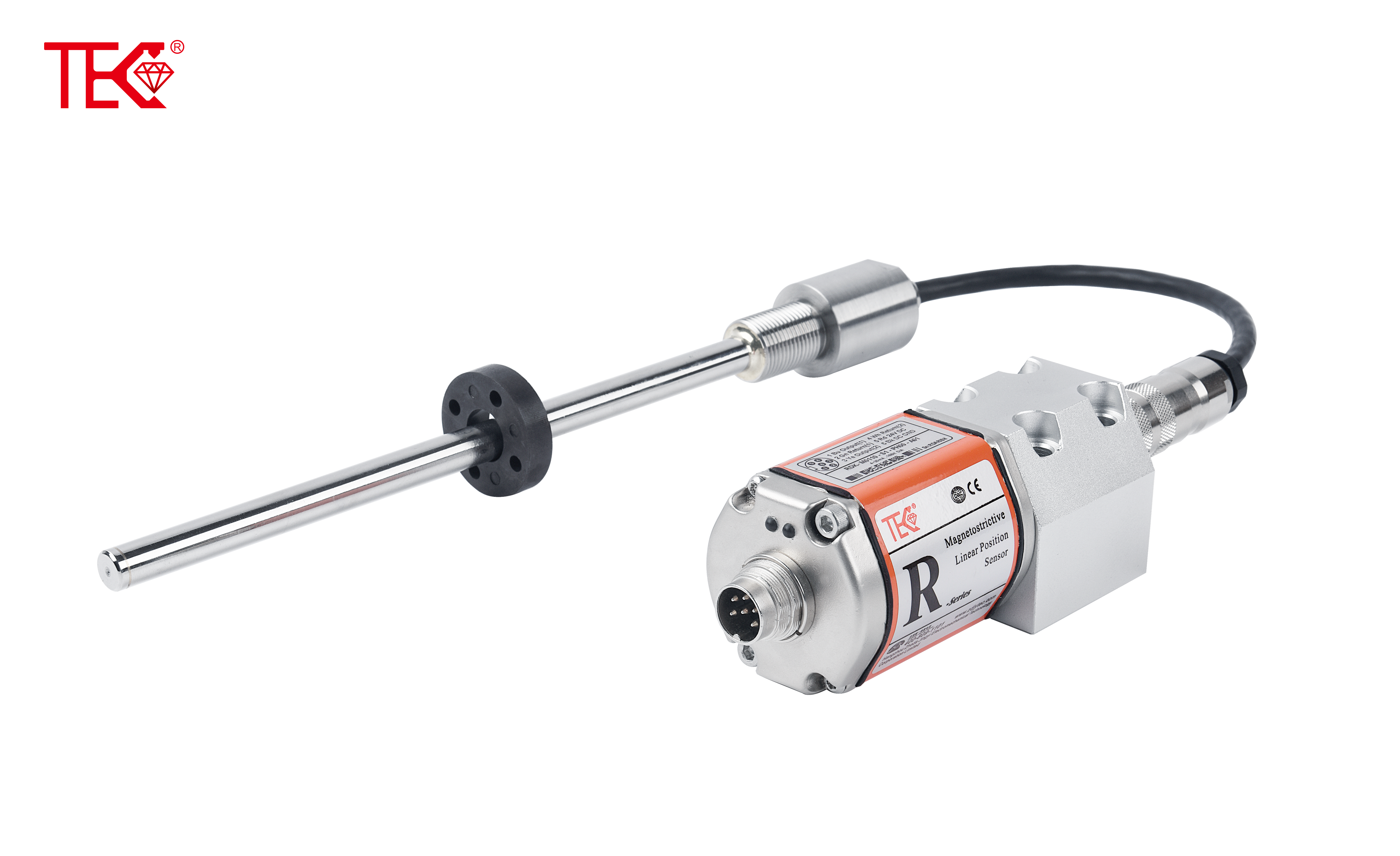
Mining high-temperature cranes must position trolleys accurately while exposed to heat, dust, vibration, and heavy loads. Traditional encoders alone often drift when rails expand or wheels slip, so modern systems combine laser distance measurement, radar, magnetic markers, and encoder fusion. These sensors send data to a PLC or industrial controller, which calculates trolley position in real time and corrects errors before the next lift. Heat shielding, air cooling, remote sensors, and high-temperature cables protect the positioning hardware near furnaces, ladles, and smelting zones. Anti-sway control is equally important: the controller predicts load swing and adjusts travel speed to stop the trolley smoothly at the target. For harsh mining sites, wireless and non-contact sensors reduce exposed wiring, while regular calibration against fixed reference points keeps accuracy within millimeters. Redundant sensing and fail-safe logic prevent dangerous movement if one signal fails. In mining and metallurgy, reliable crane and trolley positioning improves ladle handling, charging, maintenance safety, and cycle times. It also reduces mechanical wear and operator fatigue. A well-designed system should be calibrated for thermal expansion, tested under full load, and maintained with clean sensor windows and secure cable routing. Operator displays should show position, load, and alarm status clearly, enabling fast intervention without entering hazardous areas. By integrating robust sensors, heat protection, and intelligent control, mines can achieve stable, repeatable positioning for high-temperature crane operations.
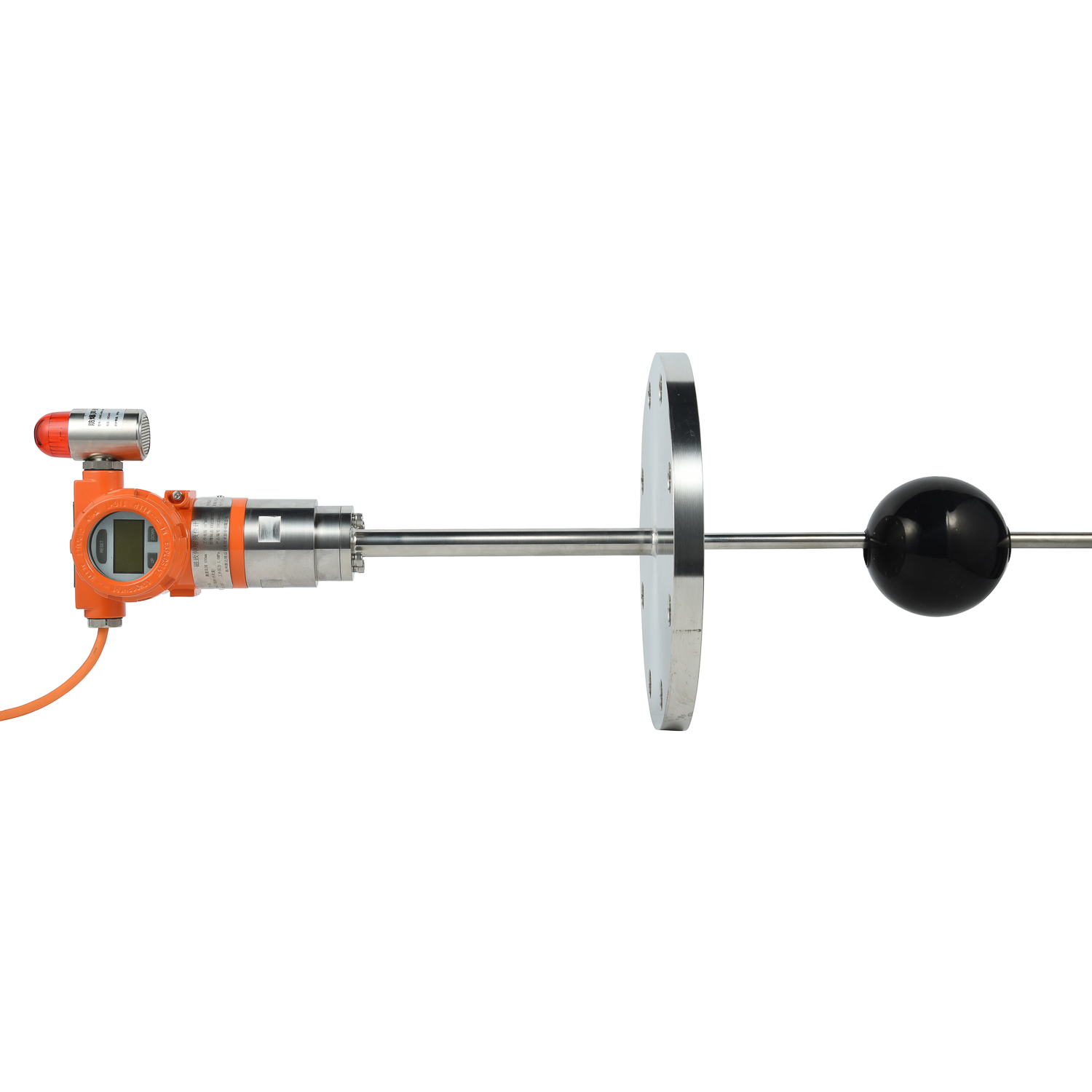
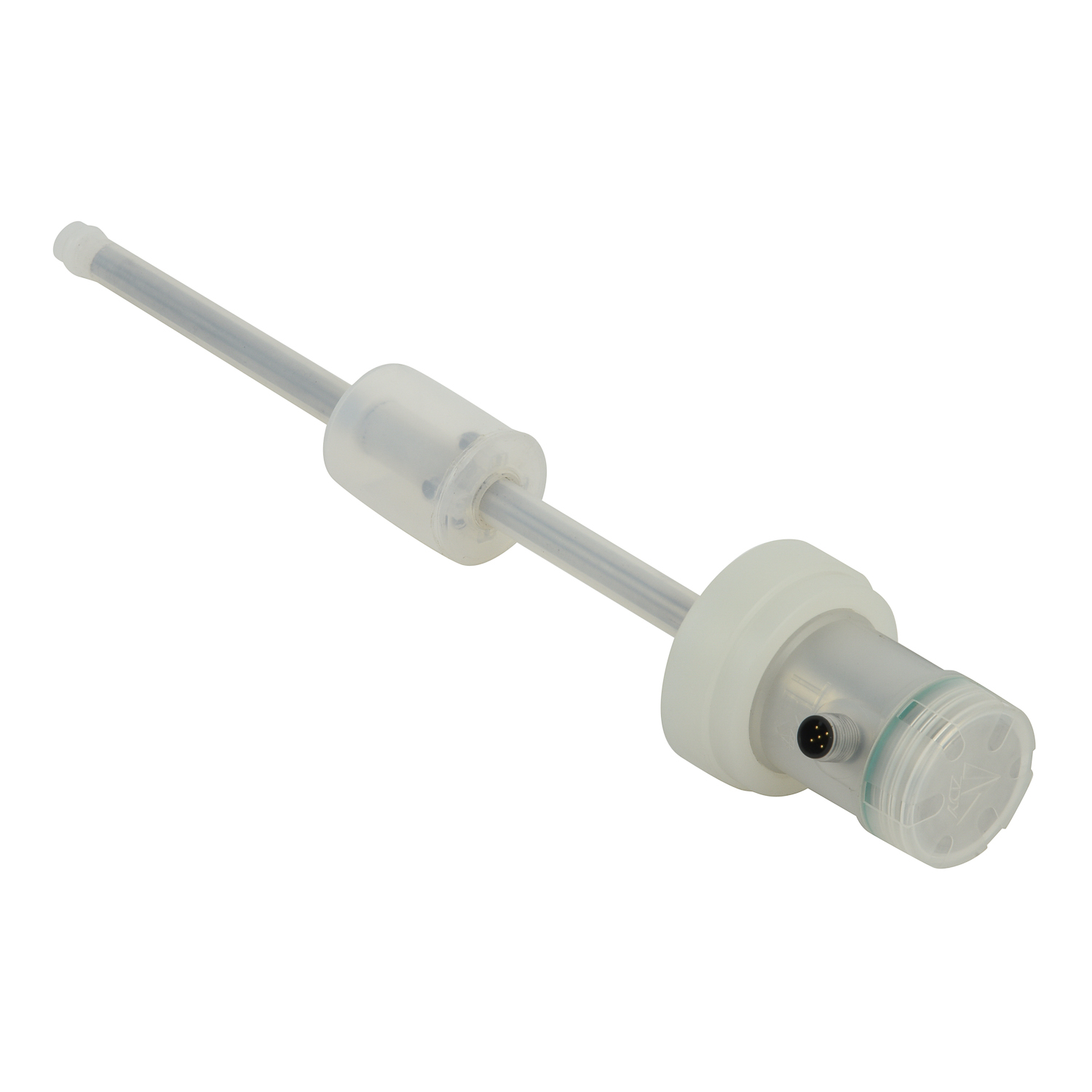 Radar Sensor for Material Tank
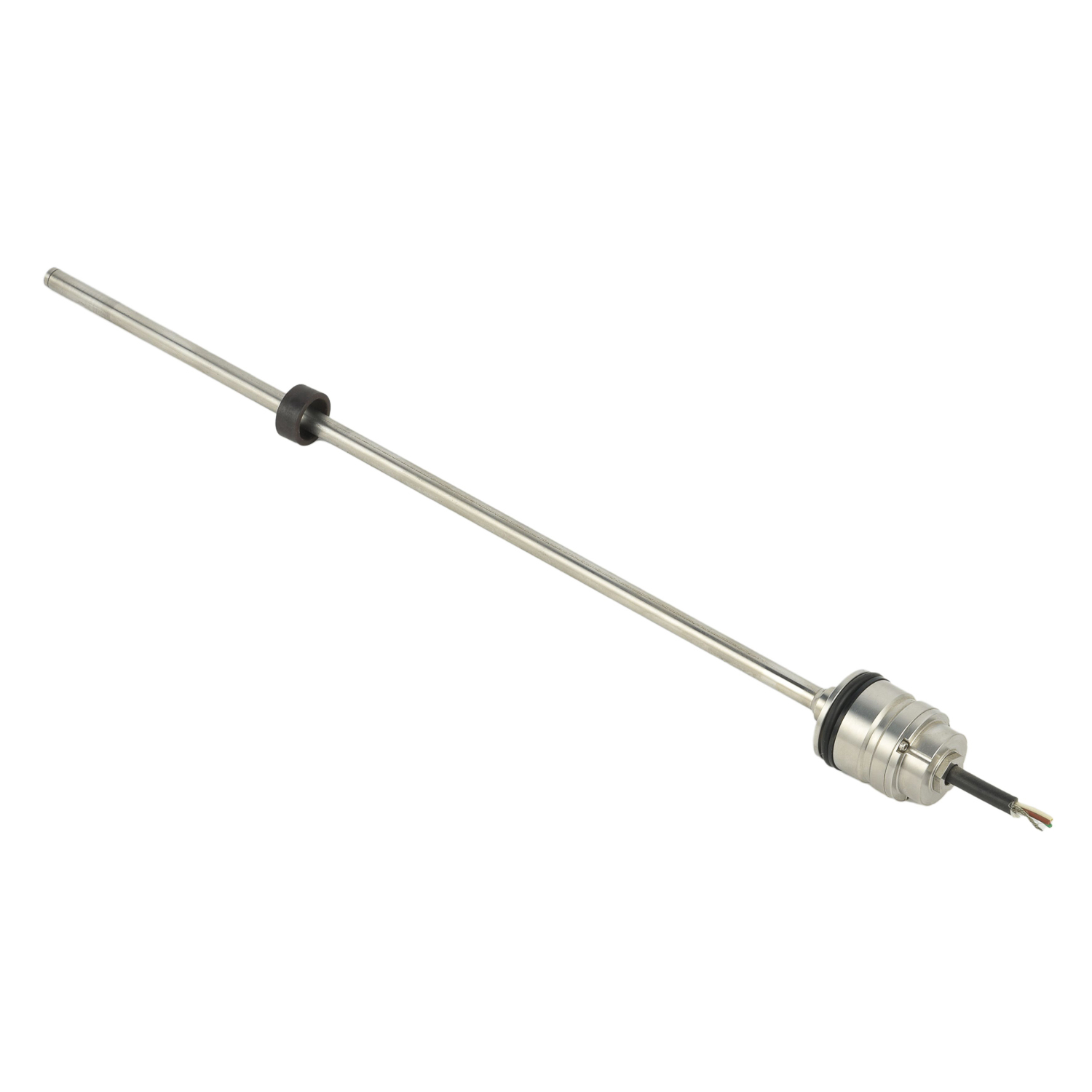 Radar Sensor for Grain and Oil
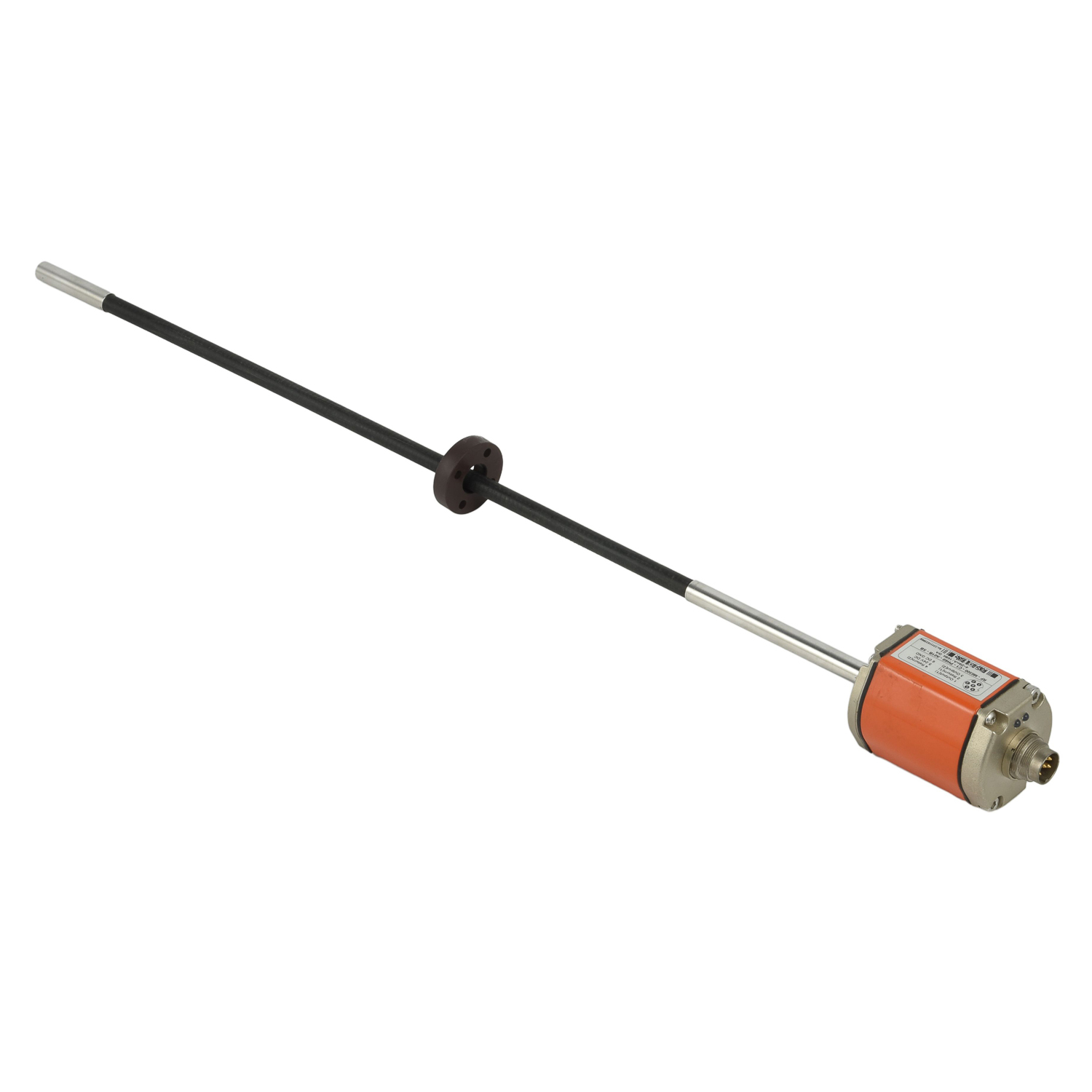 Radar Sensor for Mixing Statio
 Radar Sensor for Shield Tunnel