
Crane and Trolley Positioning for Stacker-reclaimer
Crane and trolley positioning is critical for stacker-reclaimers operating in coal, ore, and bulk material yards. Accurate position data lets the machine stack and reclaim material evenly, avoid pile collisions, and reduce operator workload. Modern systems combine absolute encoders, laser rangefinders, GPS/GNSS, and vision sensors to measure crane travel, trolley movement, and boom angle in real time. A PLC or industrial controller converts these signals into stable coordinates and feeds the automation system.
Reliable positioning depends on robust calibration, encoder redundancy, and protection against dust, vibration, and extreme weather. Anti-collision logic uses crane and trolley positions to set travel limits, prevent contact with stockpiles or other machines, and support safe automatic operation. The system should also provide clear HMI feedback and maintenance alarms.
By integrating accurate crane and trolley positioning, stacker-reclaimers achieve higher handling efficiency, better stockpile management, lower downtime, and safer operation. Proper sensor selection and regular maintenance are essential for long-term accuracy in challenging bulk material environments.
Wireless data links and redundant communication paths improve reliability where long travel distances and harsh conditions interfere with cabling. Position values should be filtered and validated to prevent drift, while periodic calibration against fixed reference points maintains accuracy. Operators benefit from precise visual indications, and maintenance teams can use trend data to plan service before faults cause unplanned stops.
When specified correctly, crane and trolley positioning becomes a practical foundation for semi-automated and fully automated stacker-reclaimer control. This approach supports safer and more efficient bulk material handling.
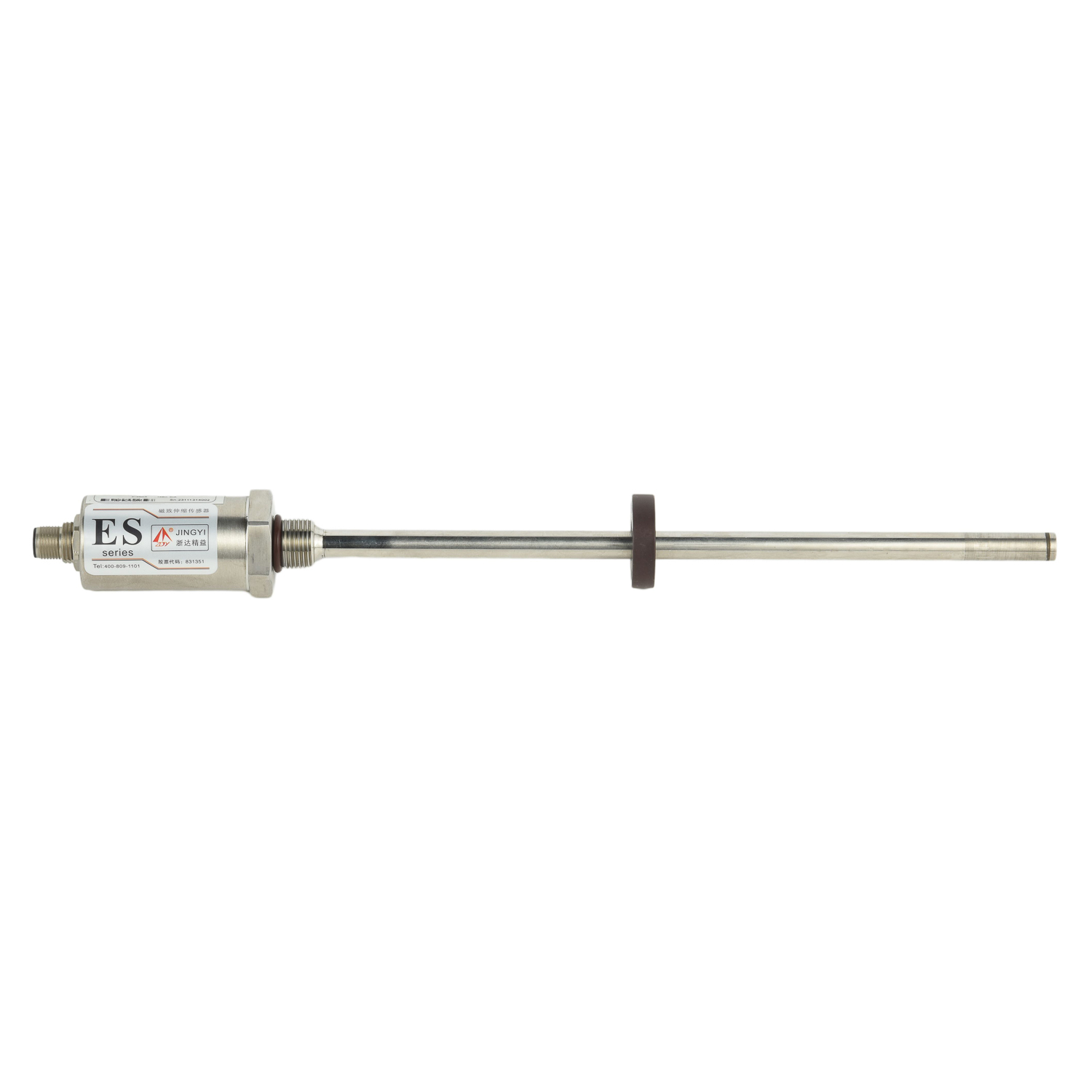
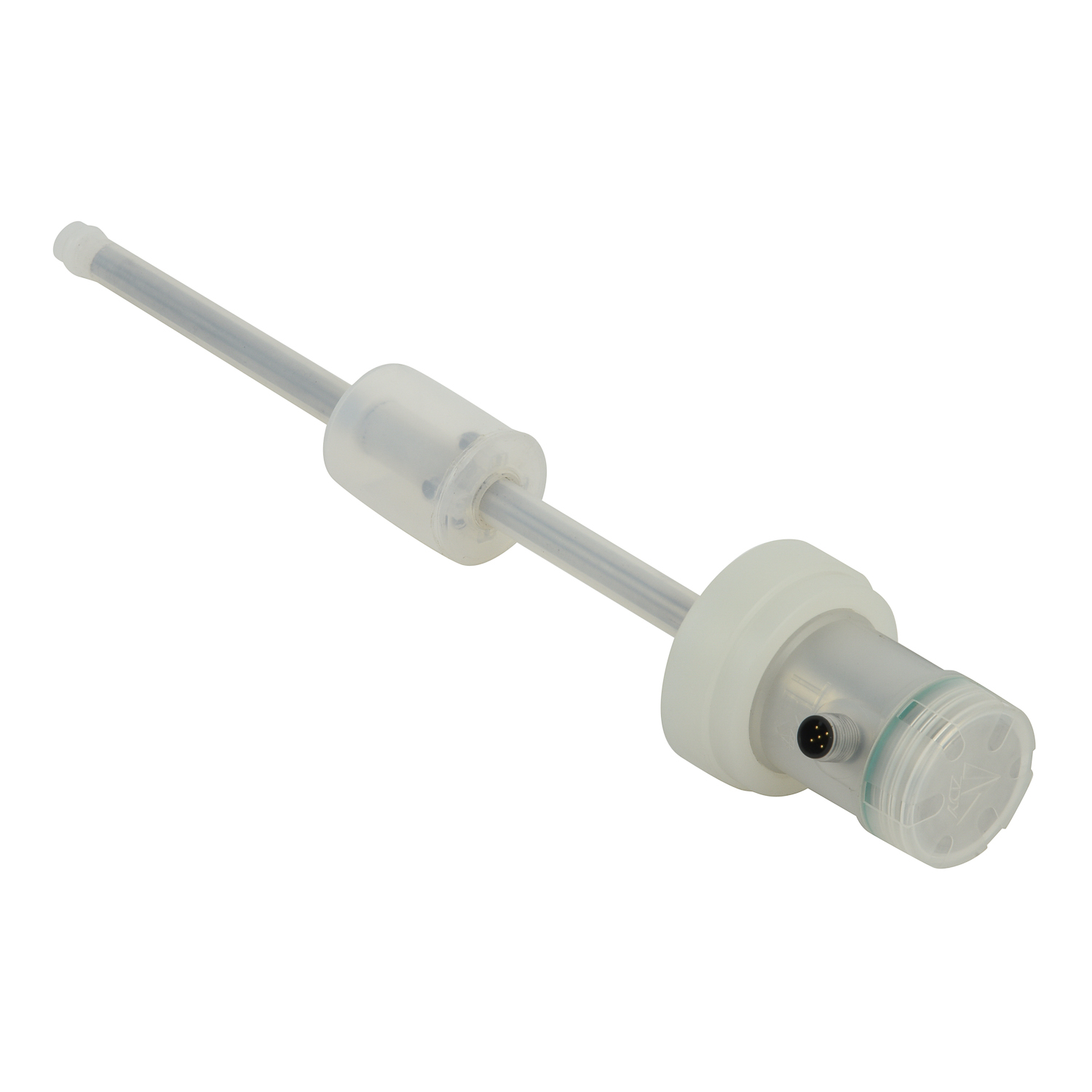 Radar Sensor for Material Tank
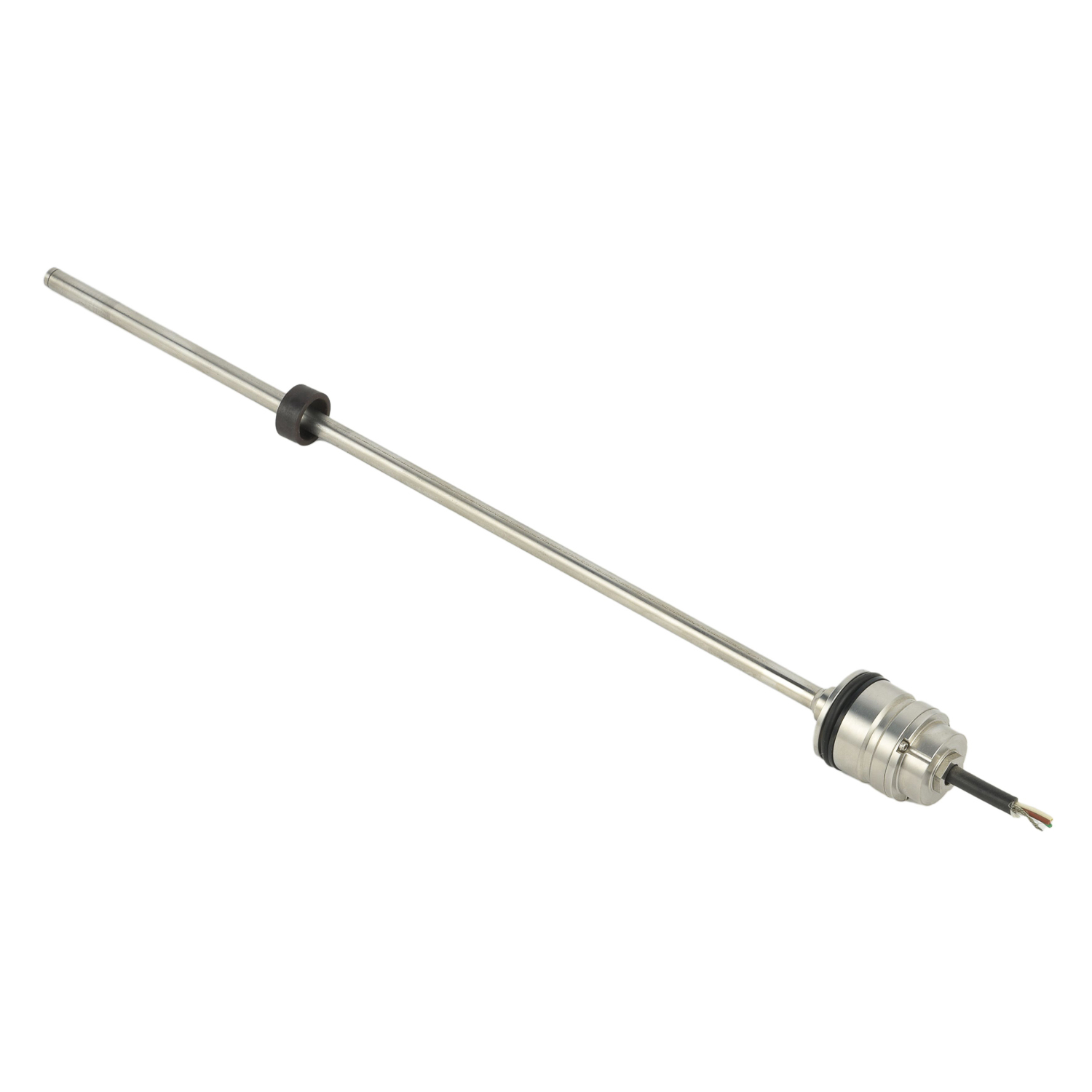 Radar Sensor for Grain and Oil
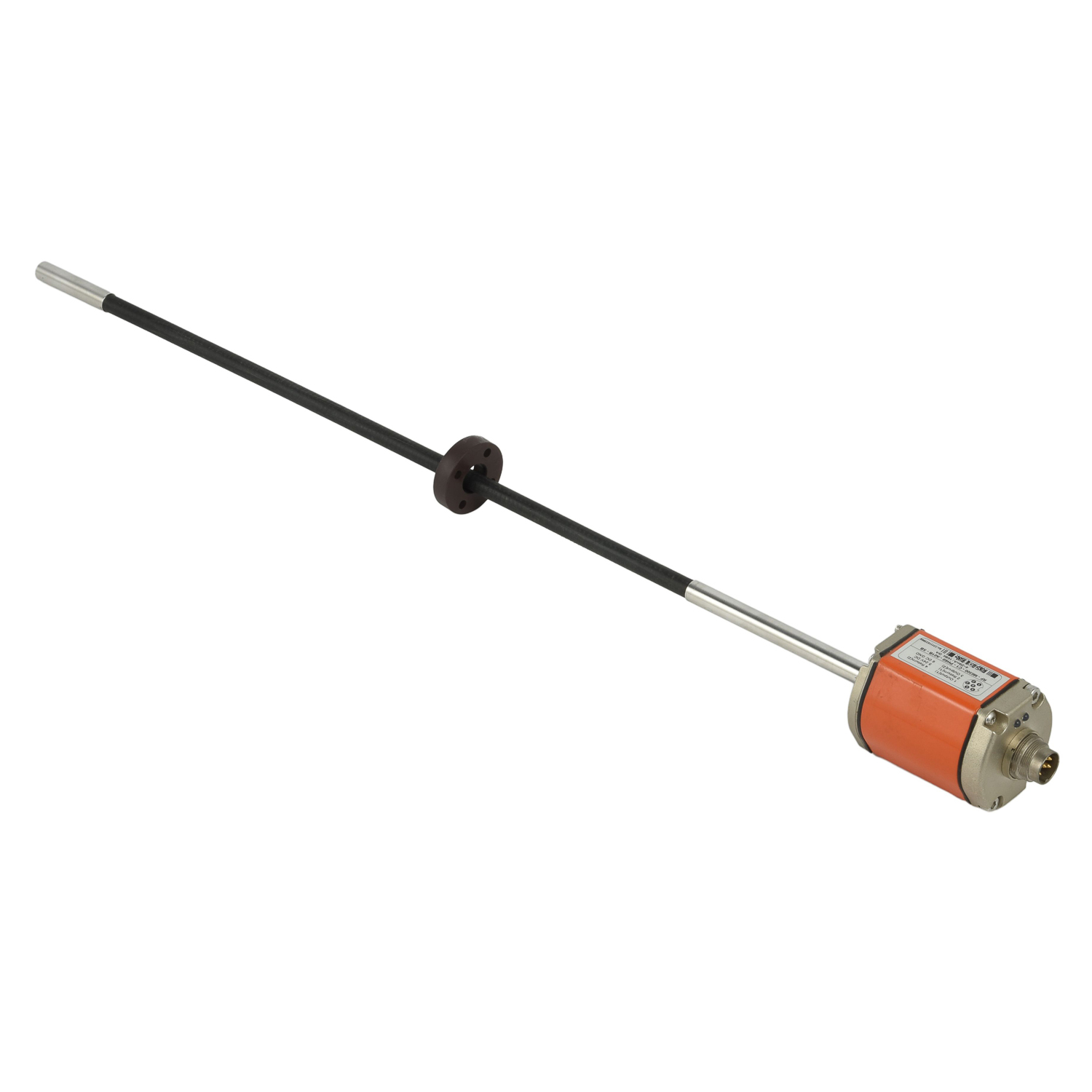 Radar Sensor for Mixing Statio
 Radar Sensor for Shield Tunnel