
Crane and Trolley Positioning for Overhead Crane
Accurate crane and trolley positioning is essential for safe, efficient overhead crane operation. Modern systems combine encoders, laser distance sensors, PLC logic, and variable-frequency drives to control bridge, trolley, and hoist movement with repeatable precision. Encoders measure rail travel and trolley speed, while laser or optical sensors verify load and hook position, reducing misalignment during pick-and-place tasks. Anti-sway control further stabilizes the load by calculating acceleration and braking profiles, which shortens cycle times and limits impact damage. In automated warehouses and heavy manufacturing cells, position feedback supports zone interlocking, collision avoidance, and precise docking at workstations. Operators benefit from clearer HMI data, faster load handling, and lower fatigue. Maintenance teams should calibrate sensors regularly, inspect rails and wheels for wear, and monitor drive tuning to prevent drift. During commissioning, engineers should verify repeatability at slow and full speed, test emergency stopping distances, and confirm that position limits match rail layout. Choose sensor technology according to dusty, humid, or high-temperature conditions, and protect cables from vibration. A well-integrated positioning strategy improves throughput, protects equipment, and supports predictive maintenance. Whether upgrading a single crane or designing a smart factory system, define travel limits, required accuracy, load sway, and environmental conditions early. This ensures the selected crane and trolley positioning approach delivers reliable performance, lower operating costs, and safer overhead lifting.
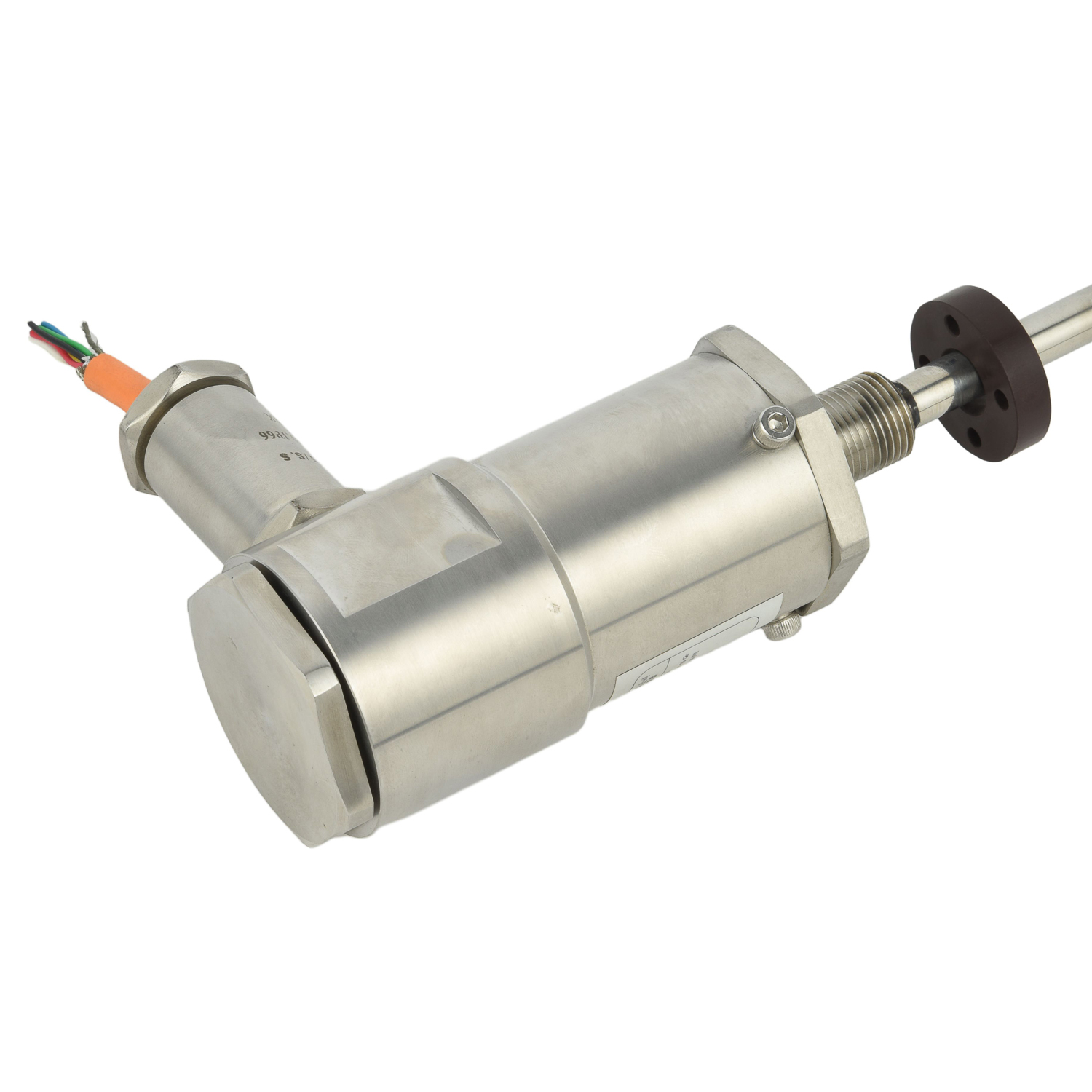
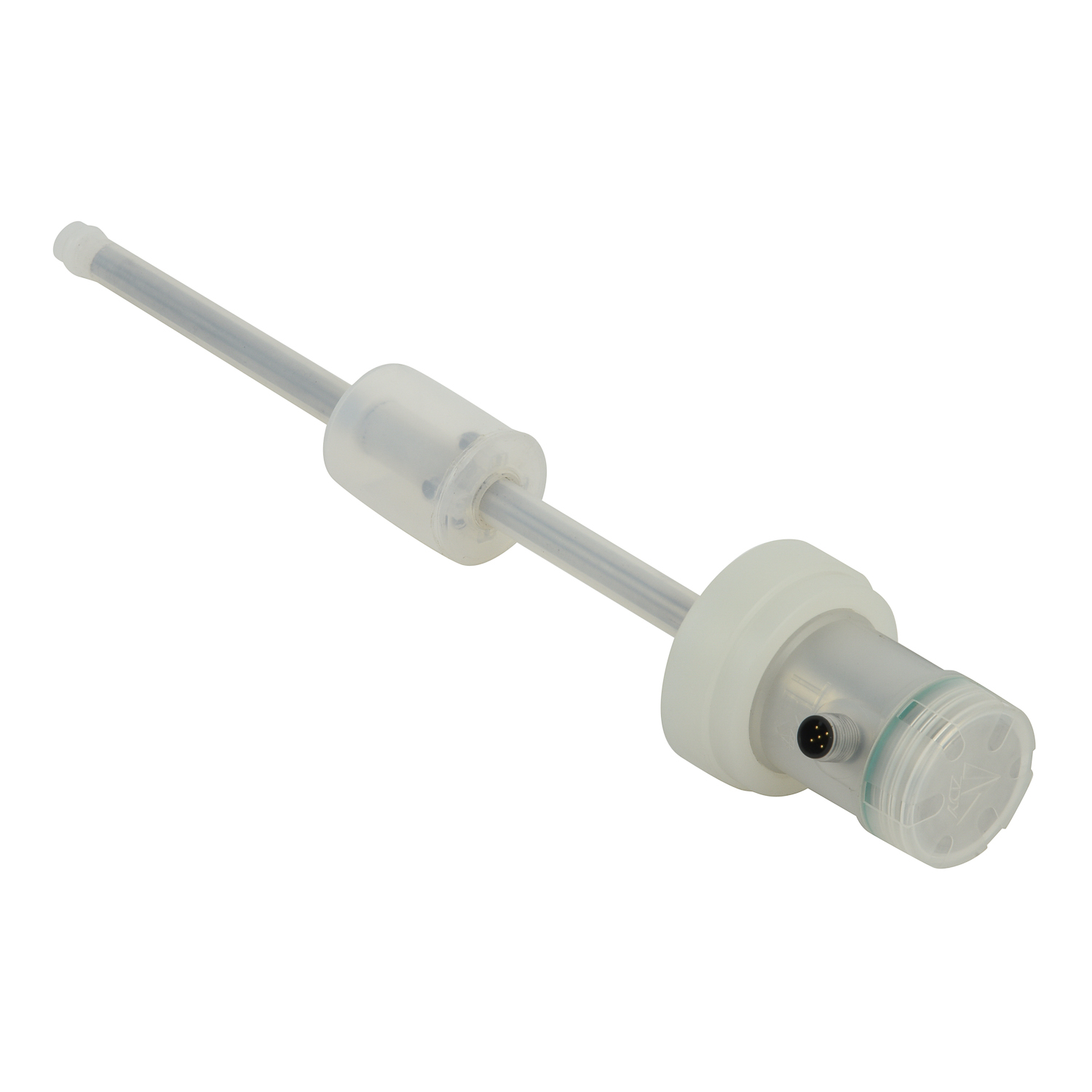 Radar Sensor for Material Tank
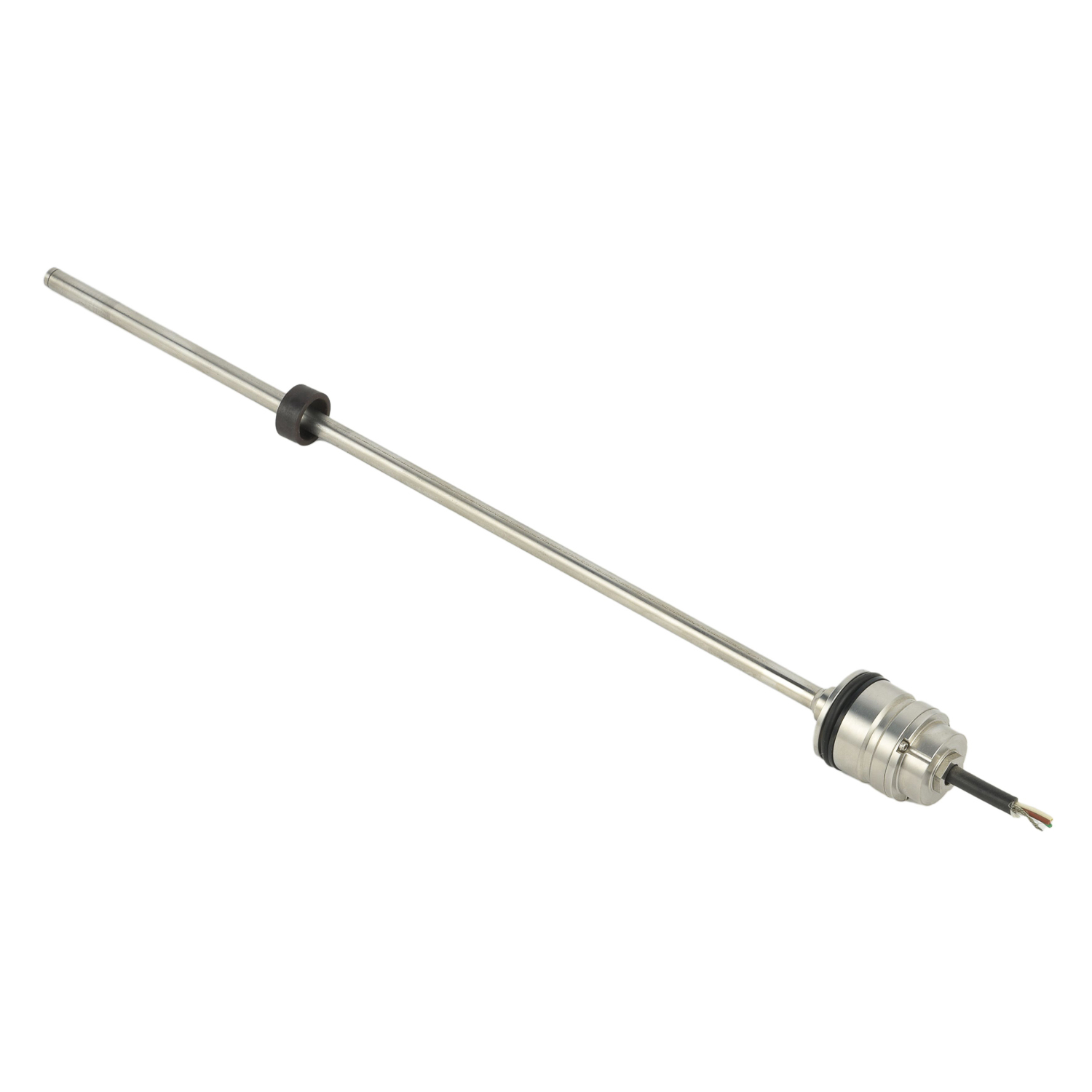 Radar Sensor for Grain and Oil
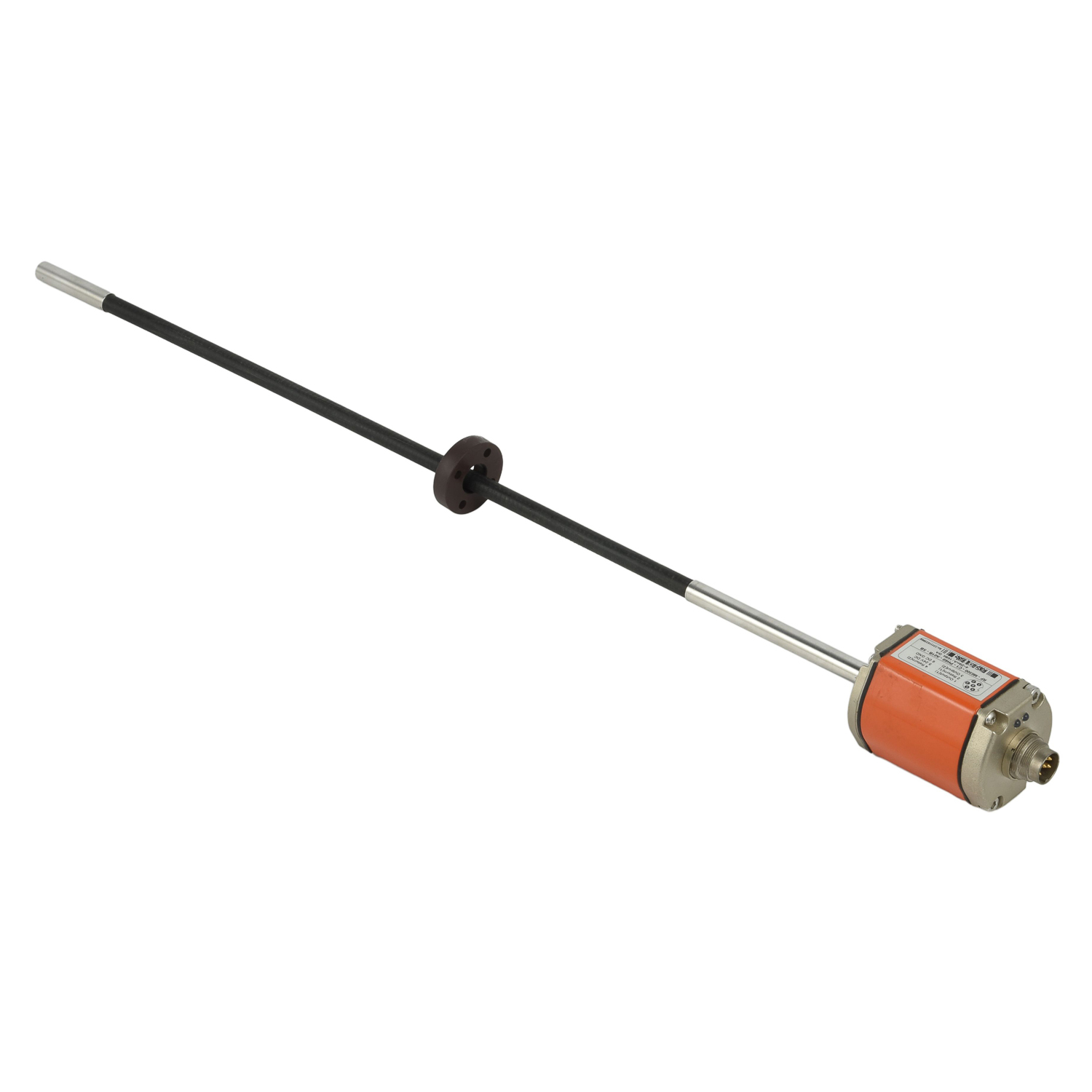 Radar Sensor for Mixing Statio
 Radar Sensor for Shield Tunnel