
Crane and Trolley Positioning for Bucket Wheel Stacker-reclaimer
Crane and trolley positioning is critical for efficient bucket wheel stacker-reclaimer operation in bulk material stockyards. Accurate travel and trolley coordinates allow the machine to reach the correct stockpile, maintain safe clearance, and avoid collisions with belts, piles, and other equipment. Modern systems combine absolute encoders, laser distance sensors, GNSS, and PLC logic to calculate real-time crane and trolley positions. Calibration against fixed reference points reduces drift and ensures repeatable dumping and reclaiming. Anti-sway control and zone limits protect the boom and bucket wheel during automatic or semi-automatic cycles. Weather, dust, and rail conditions can affect measurement, so redundant sensing and regular maintenance are essential. With reliable positioning, operators improve productivity, reduce downtime, and extend equipment life.
Reliable positioning also supports stockpile management, blending, and automated reclaiming. The control system uses position data to plan travel paths, optimize bucket wheel cutting depth, and prevent conveyor overload. In reclaiming mode, precise trolley positioning maintains stable material flow and reduces impact loads on the boom. In stacking mode, it ensures even pile formation and minimizes spillage. The right technology depends on yard layout, rail length, dust, vibration, and required accuracy. A well-integrated system should include redundant sensors, easy calibration, diagnostics, and clear communication with the plant control network. Commissioning and operator training are equally important for safe performance.
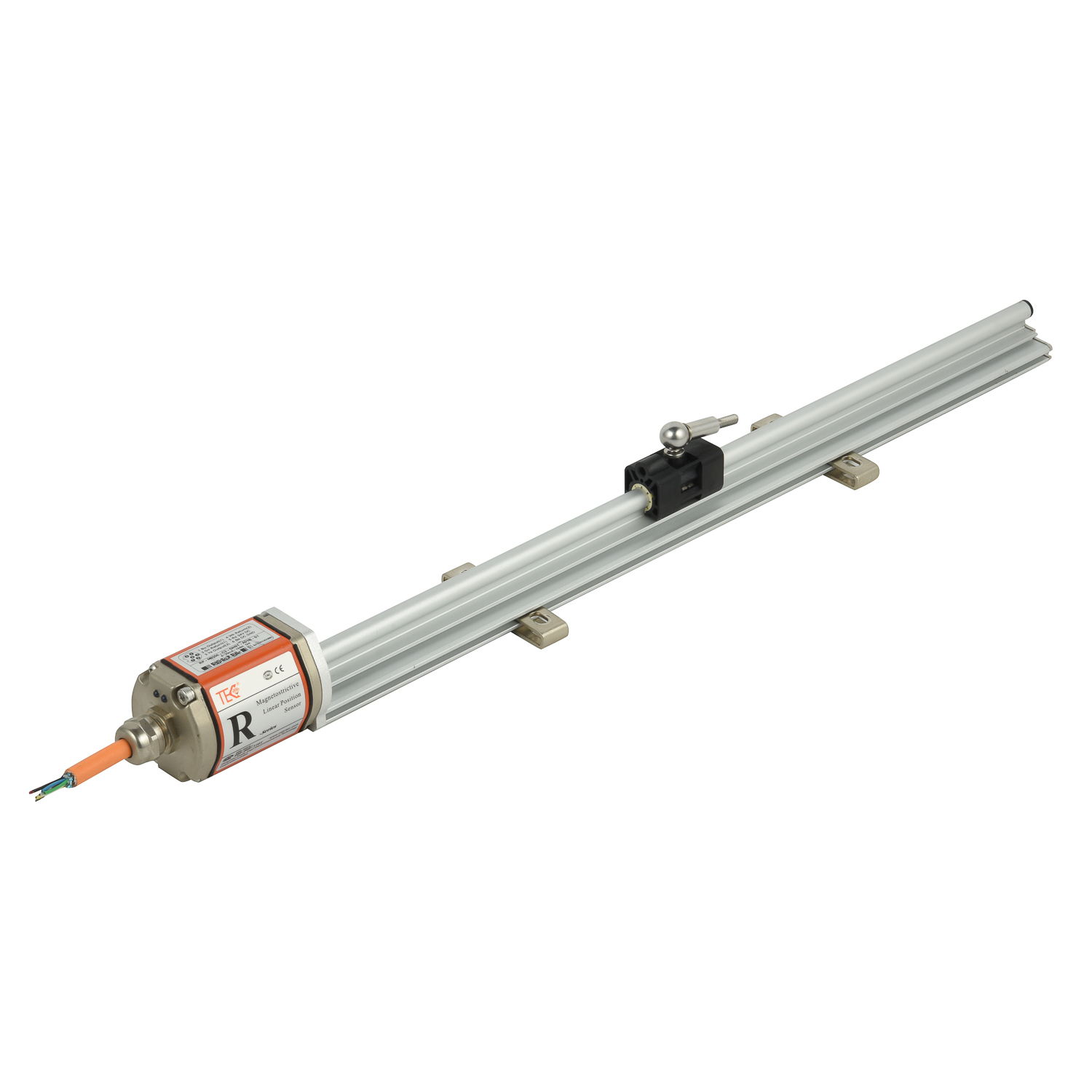
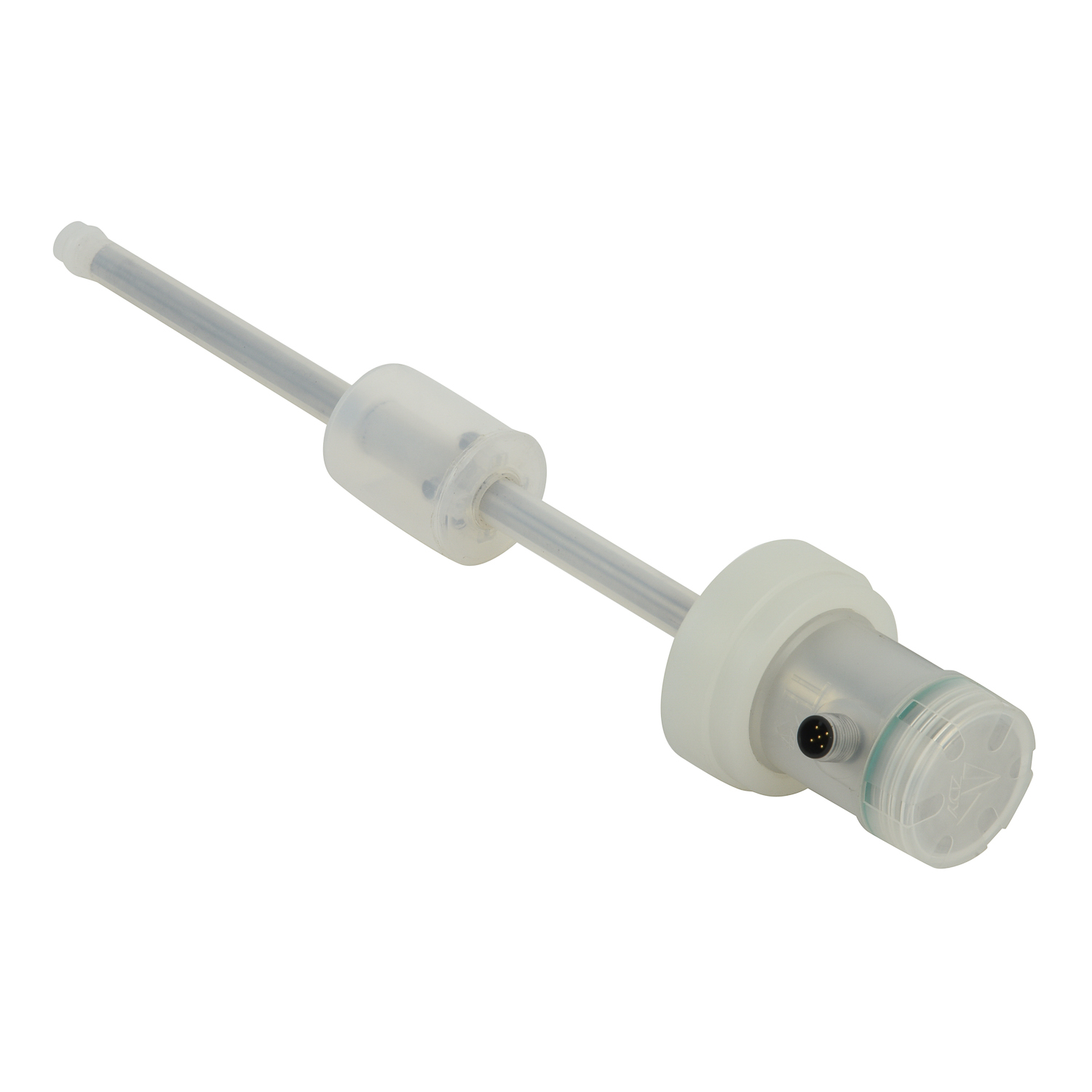 Radar Sensor for Material Tank
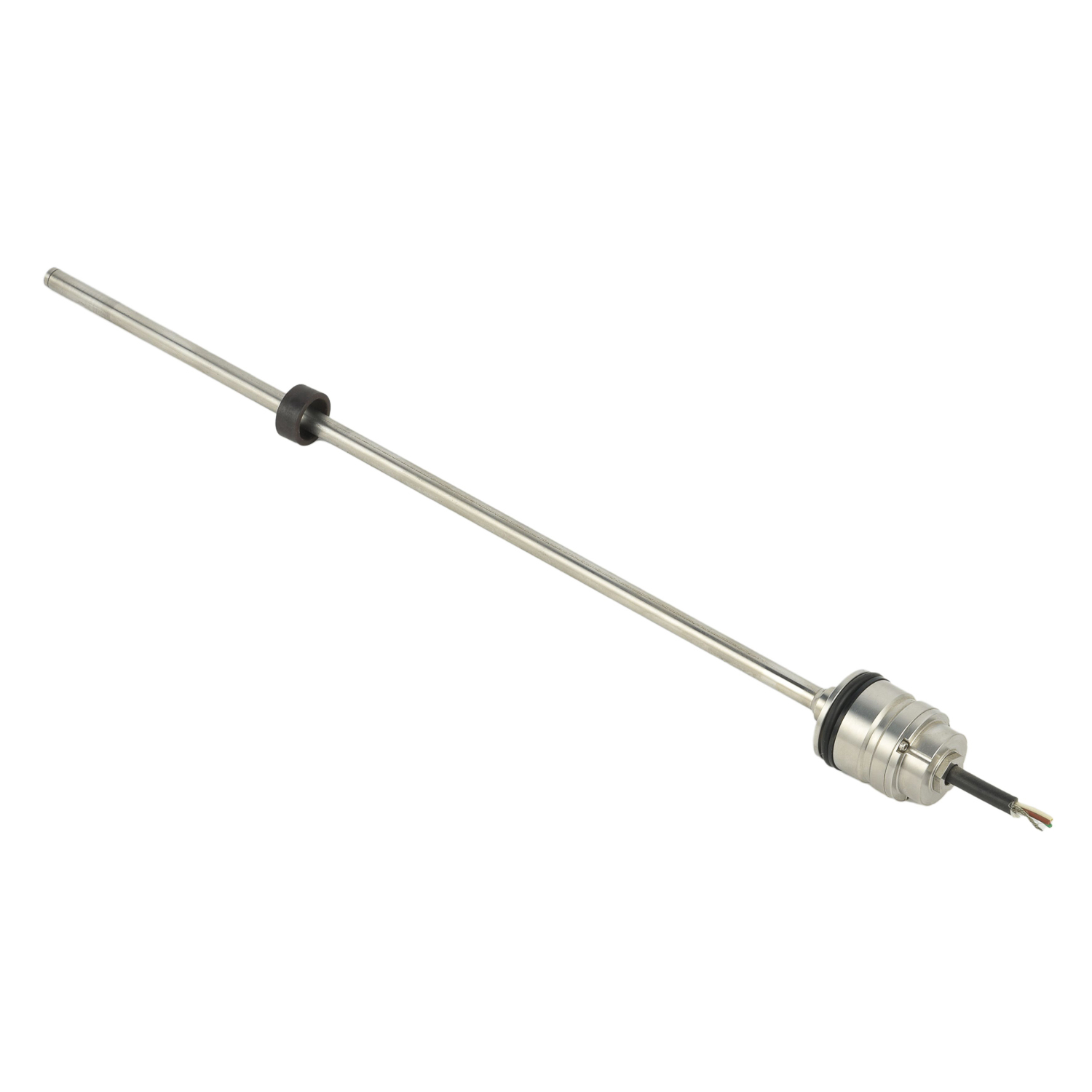 Radar Sensor for Grain and Oil
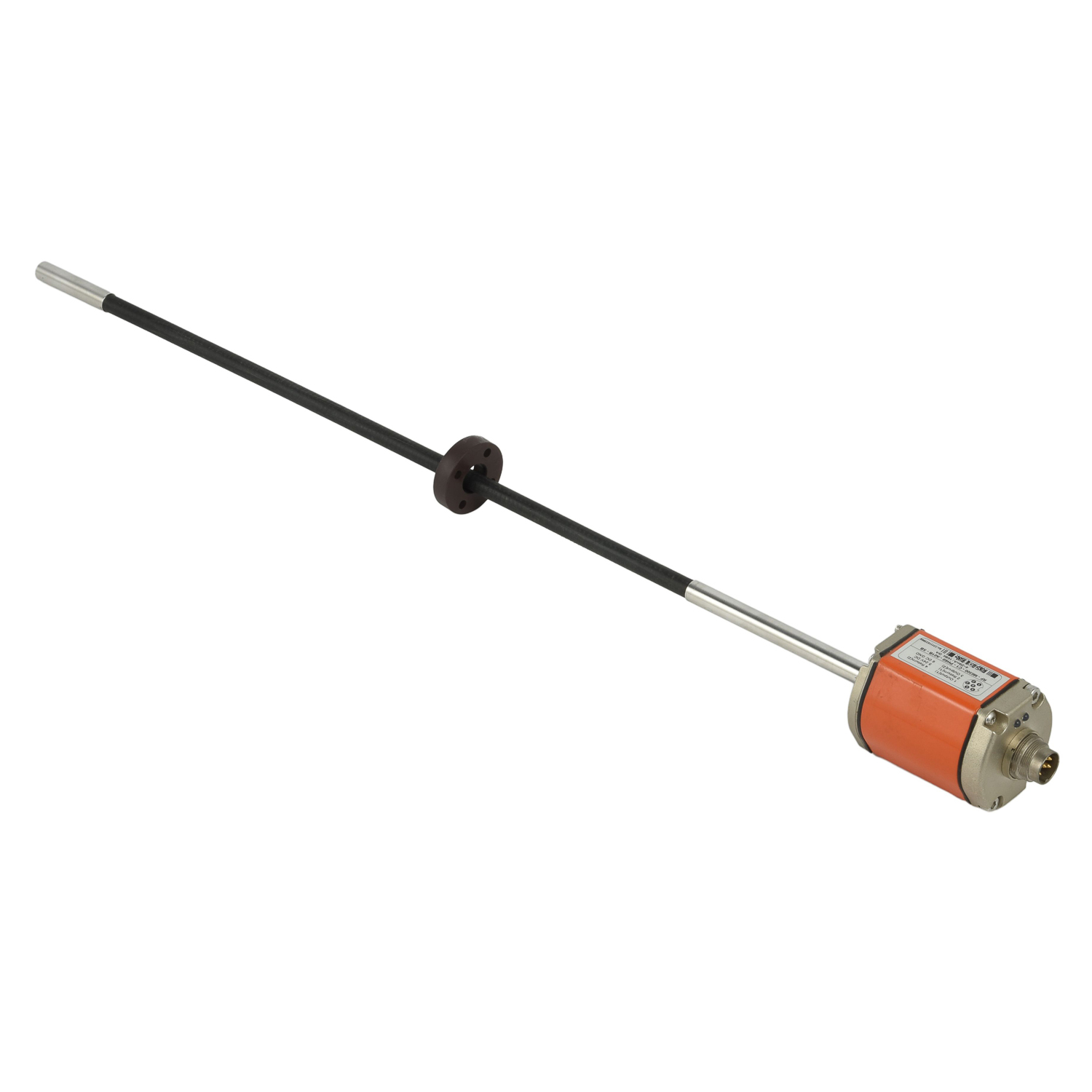 Radar Sensor for Mixing Statio
 Radar Sensor for Shield Tunnel