
Power Plant Bridge Crane Long-distance Positioning System
Power plant bridge cranes handle heavy components in complex, high-risk environments where accurate long-distance positioning is essential. A reliable long-distance positioning system combines laser ranging, absolute encoders, rail-mounted sensors, and PLC control to track trolley and bridge movement in real time. Compared with conventional limit switches, this approach provides continuous feedback, reduces positioning errors, and supports automated load handling across large spans. Such systems must resist heat, dust, vibration, and electromagnetic interference common in power plants. Robust communication, redundant sensing, and calibration against fixed reference points improve stability over long travel distances. The controller calculates speed and braking curves, enabling smooth deceleration and precise stop positions. Anti-sway control further protects loads and minimizes impact on crane structures. Operators benefit from clear HMI displays, fault alarms, and maintenance data, while remote monitoring supports predictive upkeep. Integration with plant automation and safety interlocks prevents collisions and unauthorized movement. By improving long-distance positioning accuracy, power plants achieve safer lifting, shorter cycle times, and lower maintenance costs. The system is especially valuable in boiler rooms, turbine halls, and fuel-handling areas, where visibility and space are limited. With scalable sensors and modular control, it can be adapted to new and existing bridge cranes, delivering dependable performance for critical power plant operations.
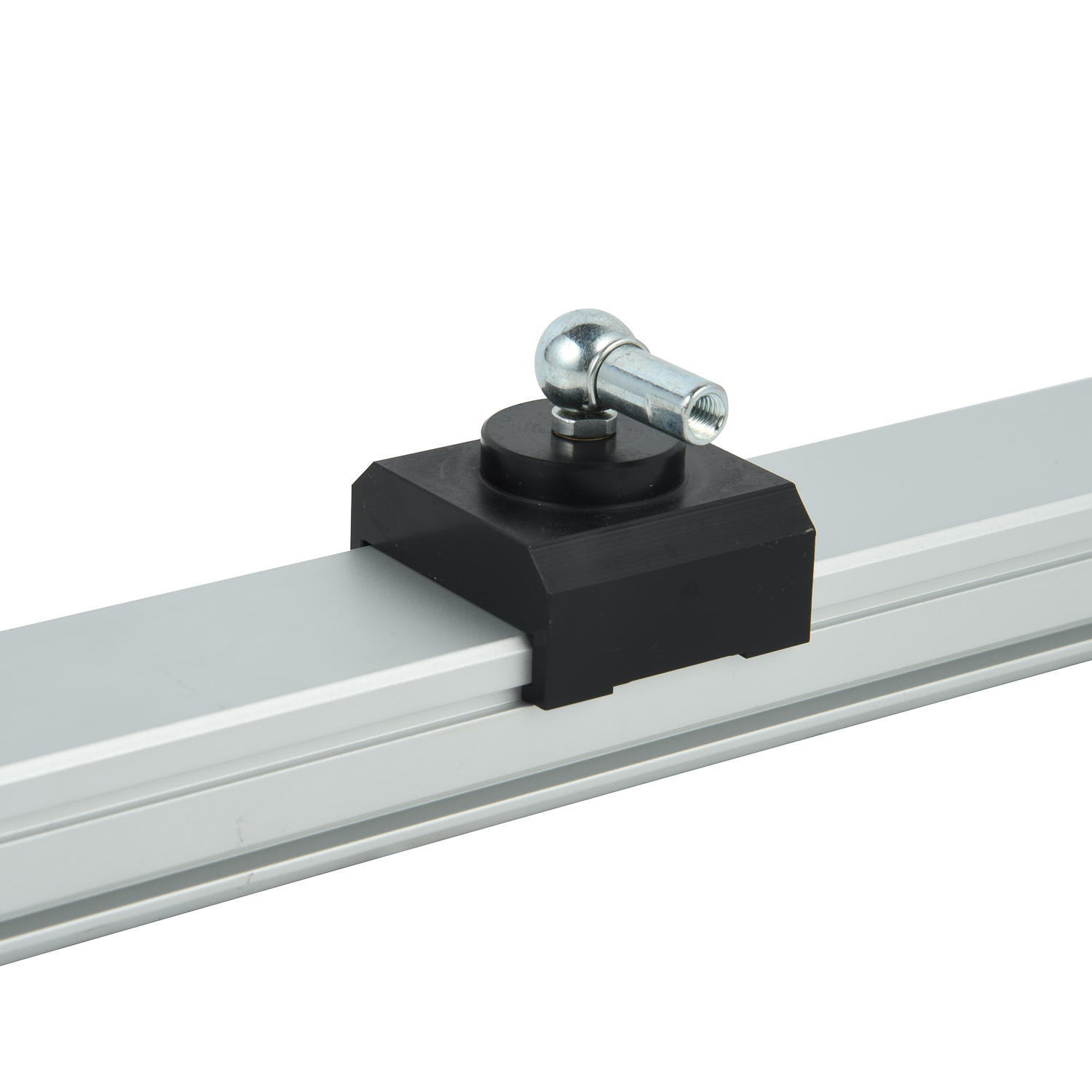
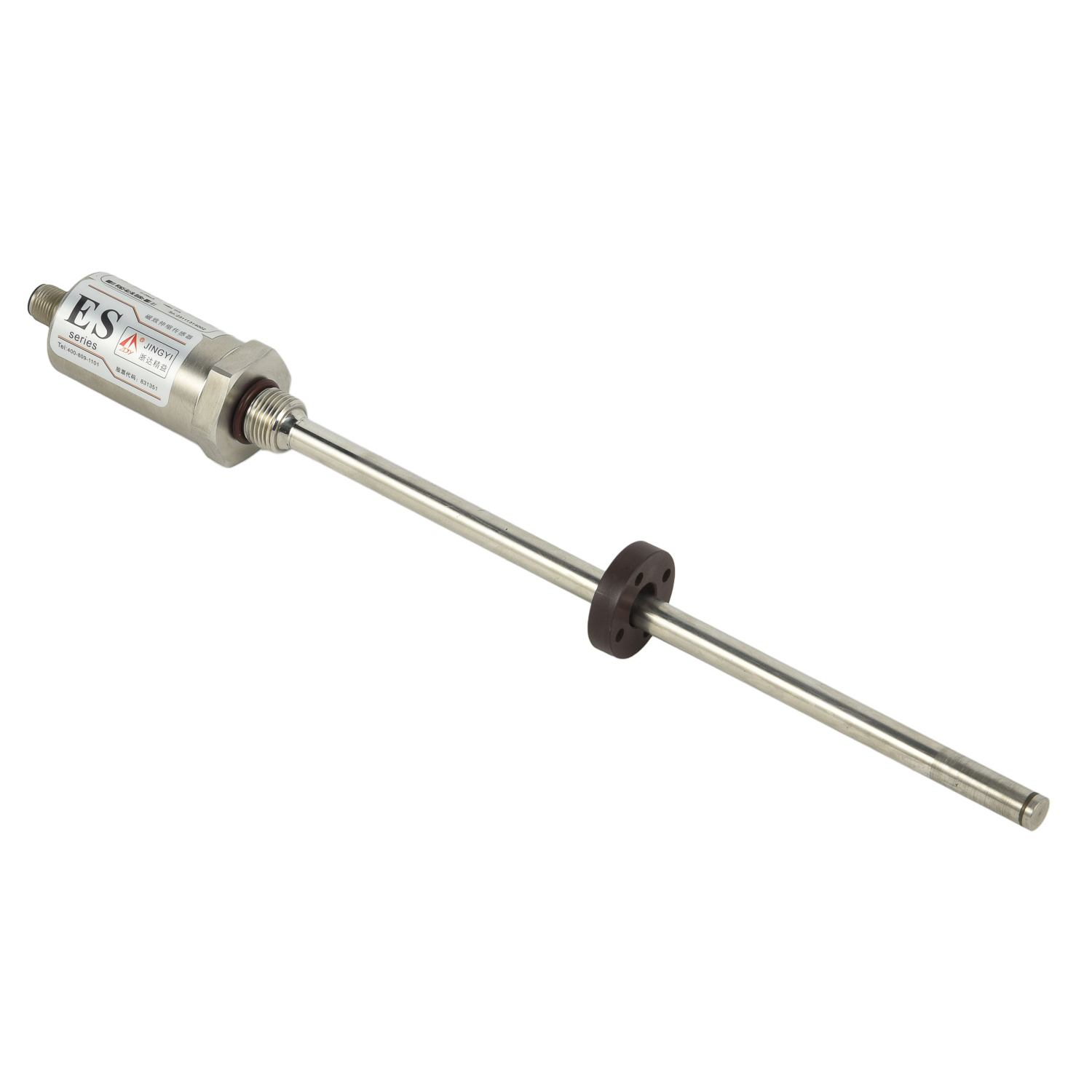 Crane and Trolley Positioning
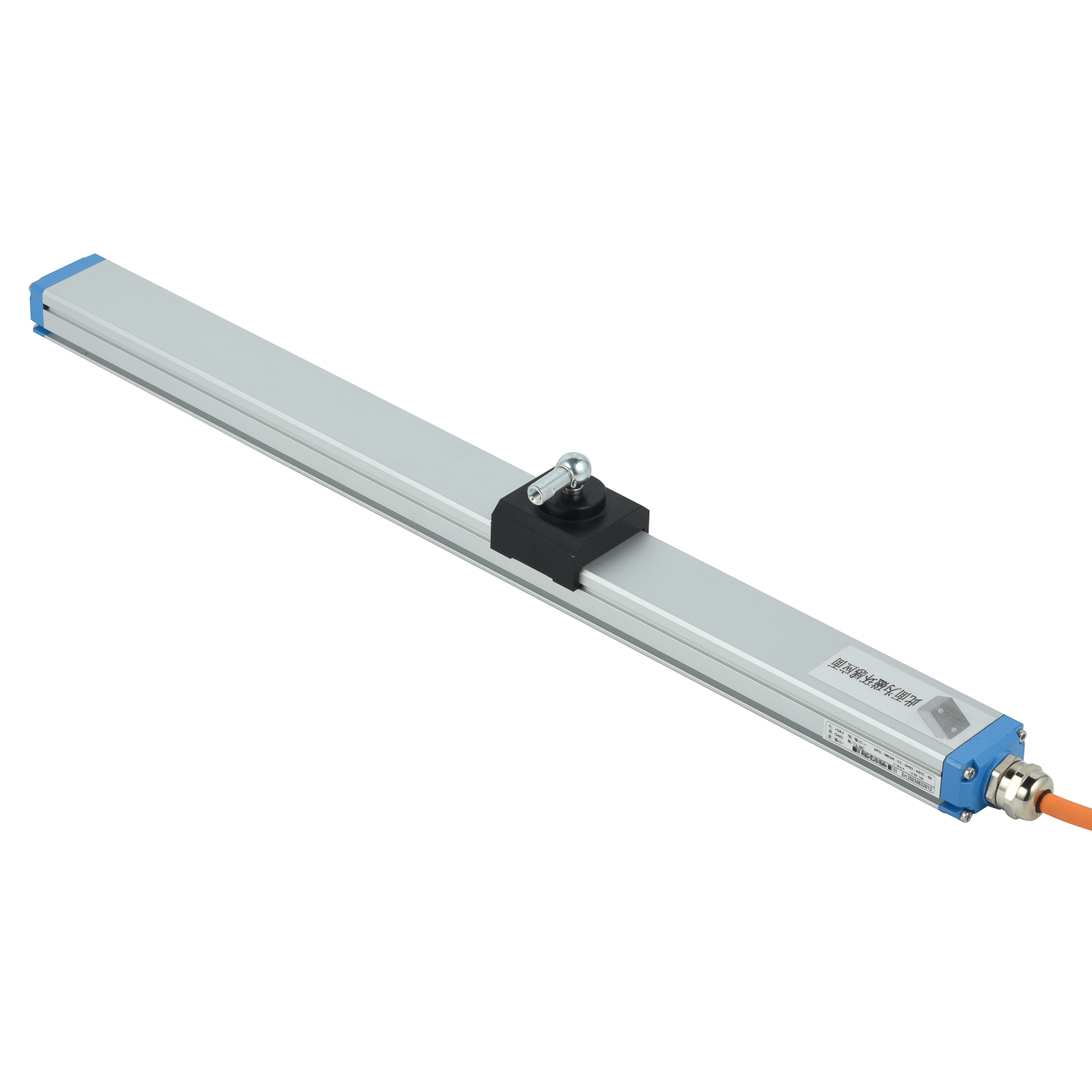 Crane and Trolley Positioning
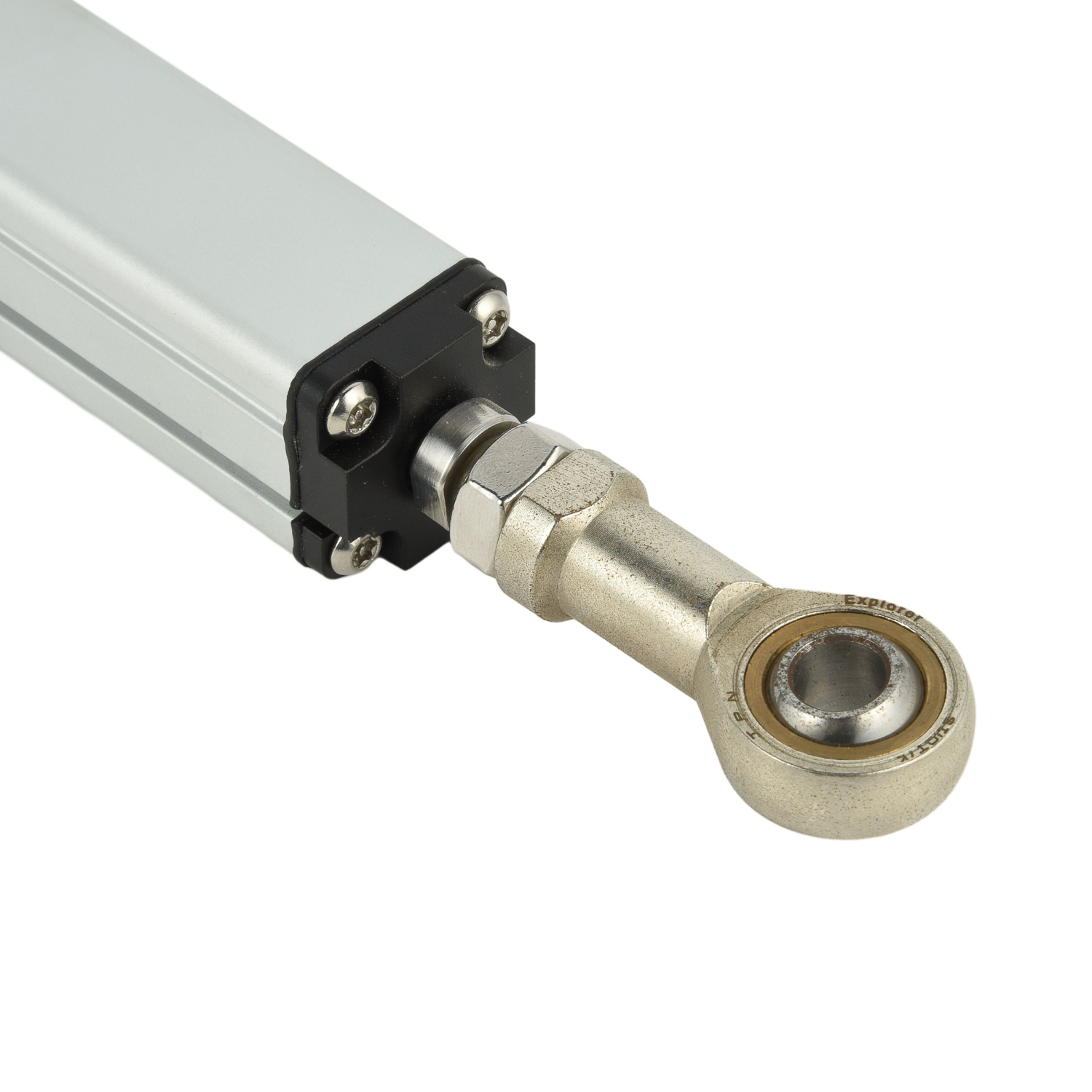 Crane and Trolley Positioning
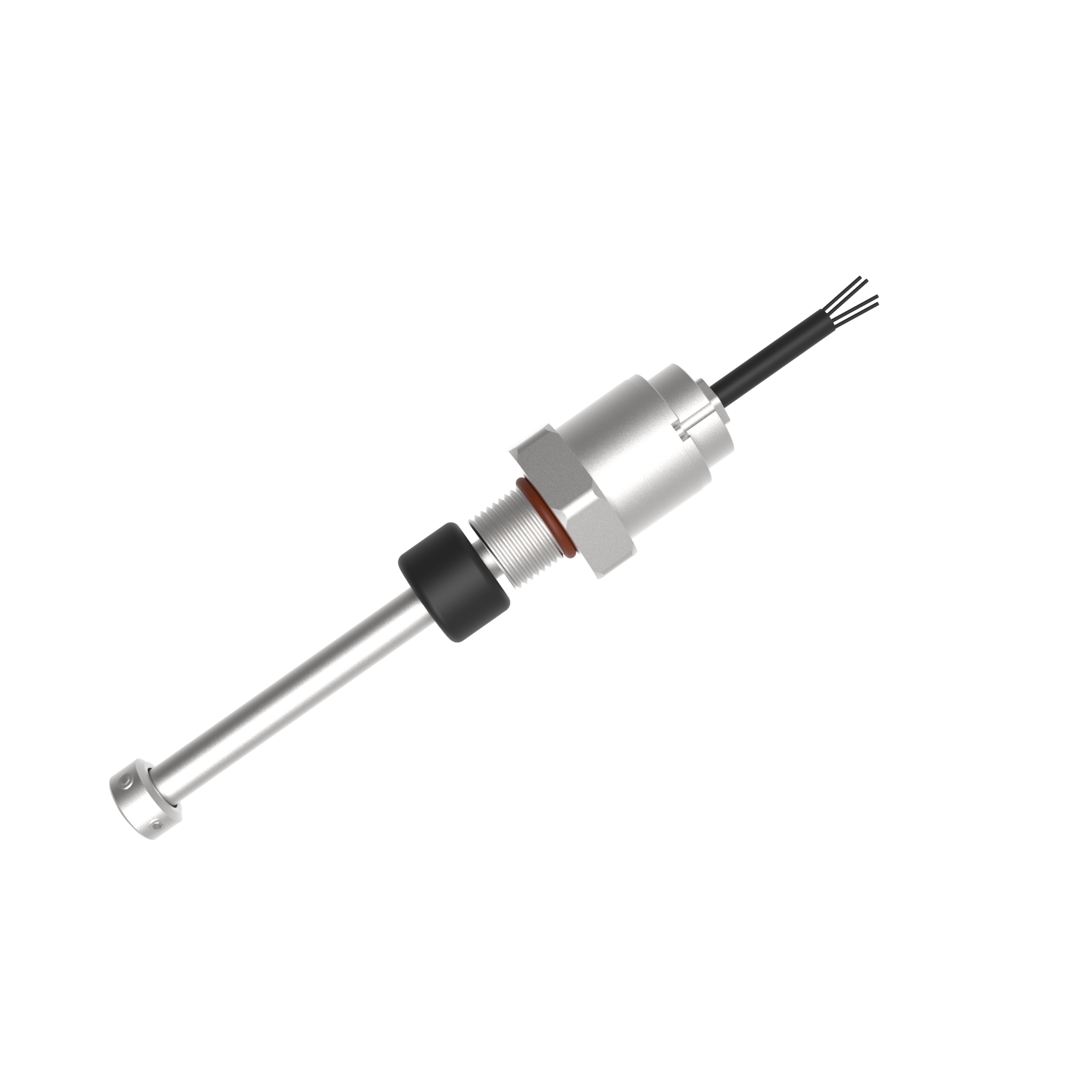 Crane and Trolley Positioning