
Crane and Trolley Positioning for Mining
Crane and trolley positioning is critical in mining, where overhead cranes handle heavy loads in dusty, vibrating, and often hazardous environments. Accurate positioning improves safety, reduces cycle times, and prevents load sway and collision. Modern systems combine absolute encoders, laser distance sensors, and radar or LiDAR to track crane bridge and trolley movement in real time. For outdoor stockyards, GNSS RTK can provide coarse position, while local sensors deliver millimeter-level correction near transfer points. PLC and edge controllers fuse data and run anti-sway algorithms, allowing operators to place loads precisely without repeated adjustments. Harsh conditions demand rugged IP-rated hardware, redundant sensing, and automatic calibration. Wireless communication must remain reliable despite interference and steel structures. Integration with mine control systems supports zone locking, collision avoidance, and predictive maintenance. A well-designed positioning platform also logs cycles and fault data, helping teams improve throughput and reduce downtime. When selecting a solution, match accuracy to the task: high precision for maintenance cranes and loading bays, and robust repeatability for bulk material handling. Training and clear HMI feedback are essential, because automation should assist—not confuse—the operator. By investing in reliable crane and trolley positioning, mining operations gain safer lifts, faster material flow, and lower lifecycle costs. The result is safer, more productive mining.
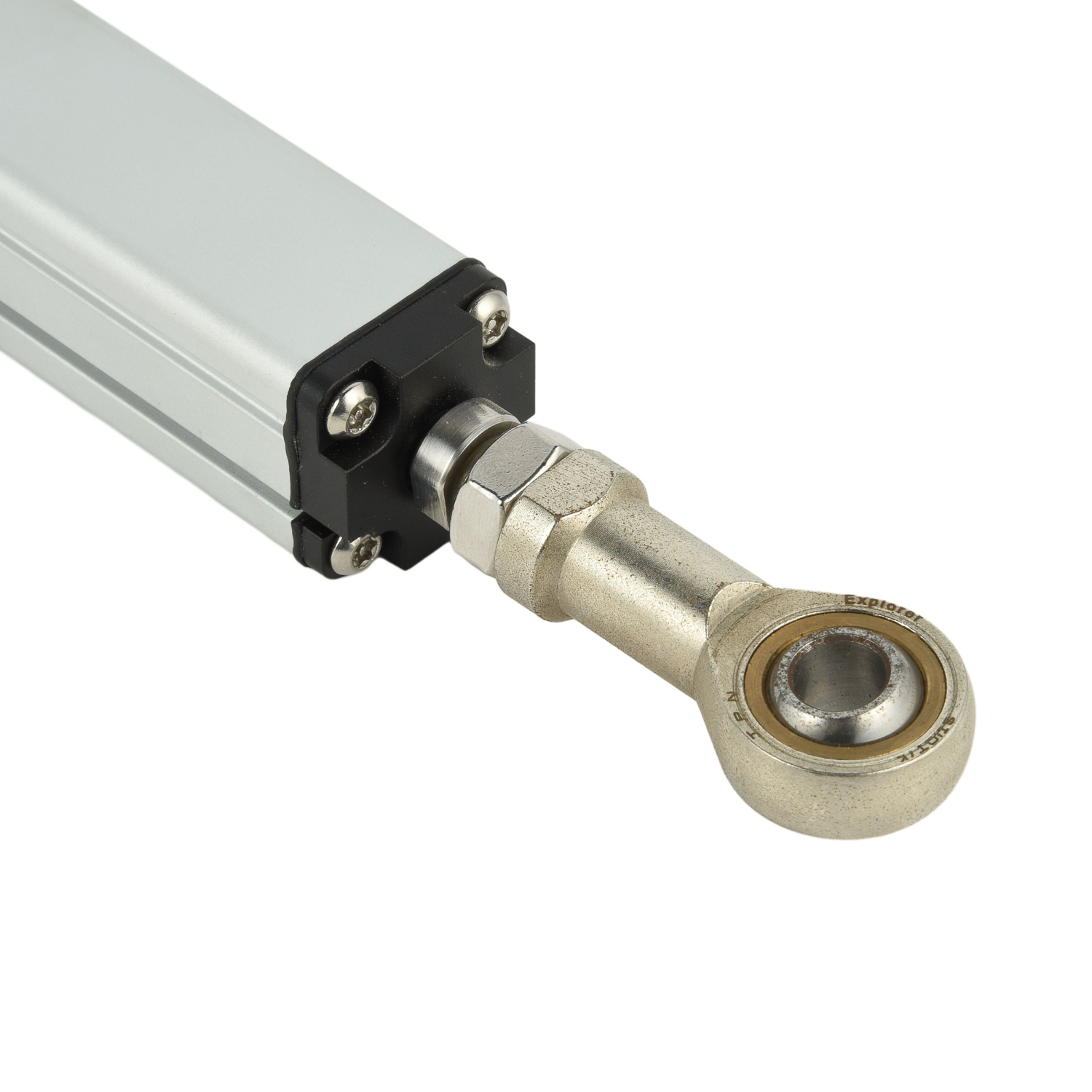
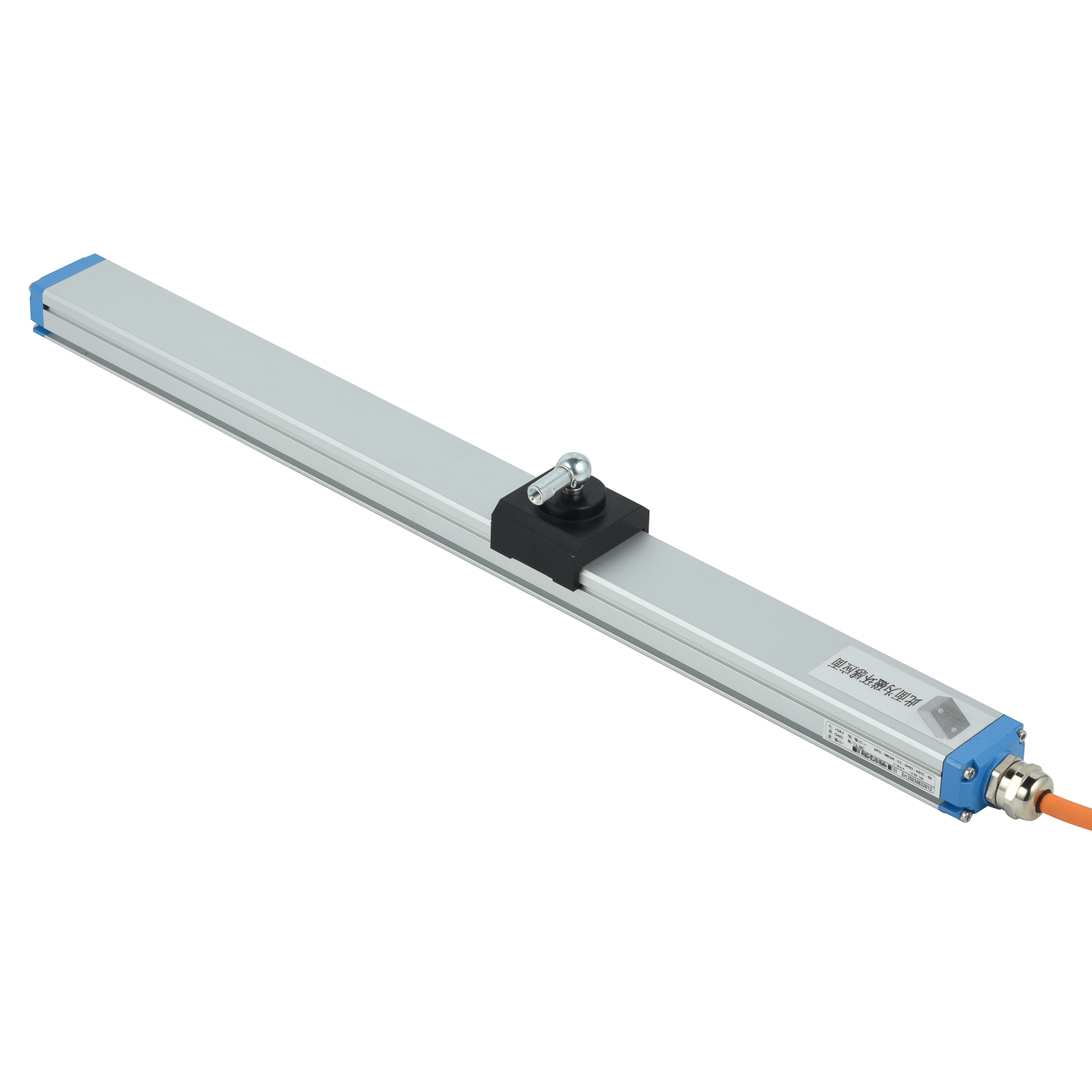 Crane and Trolley Positioning
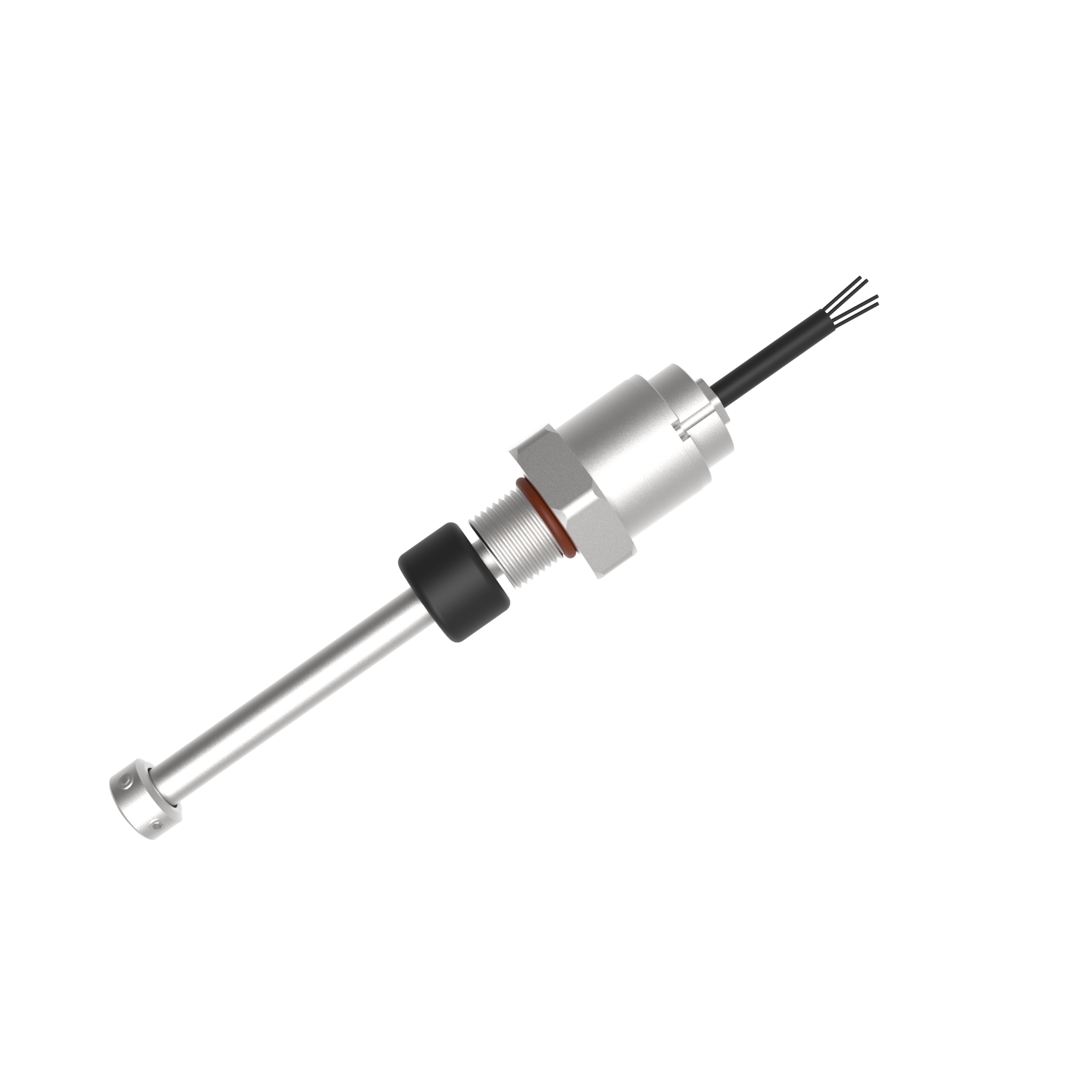 Crane and Trolley Positioning
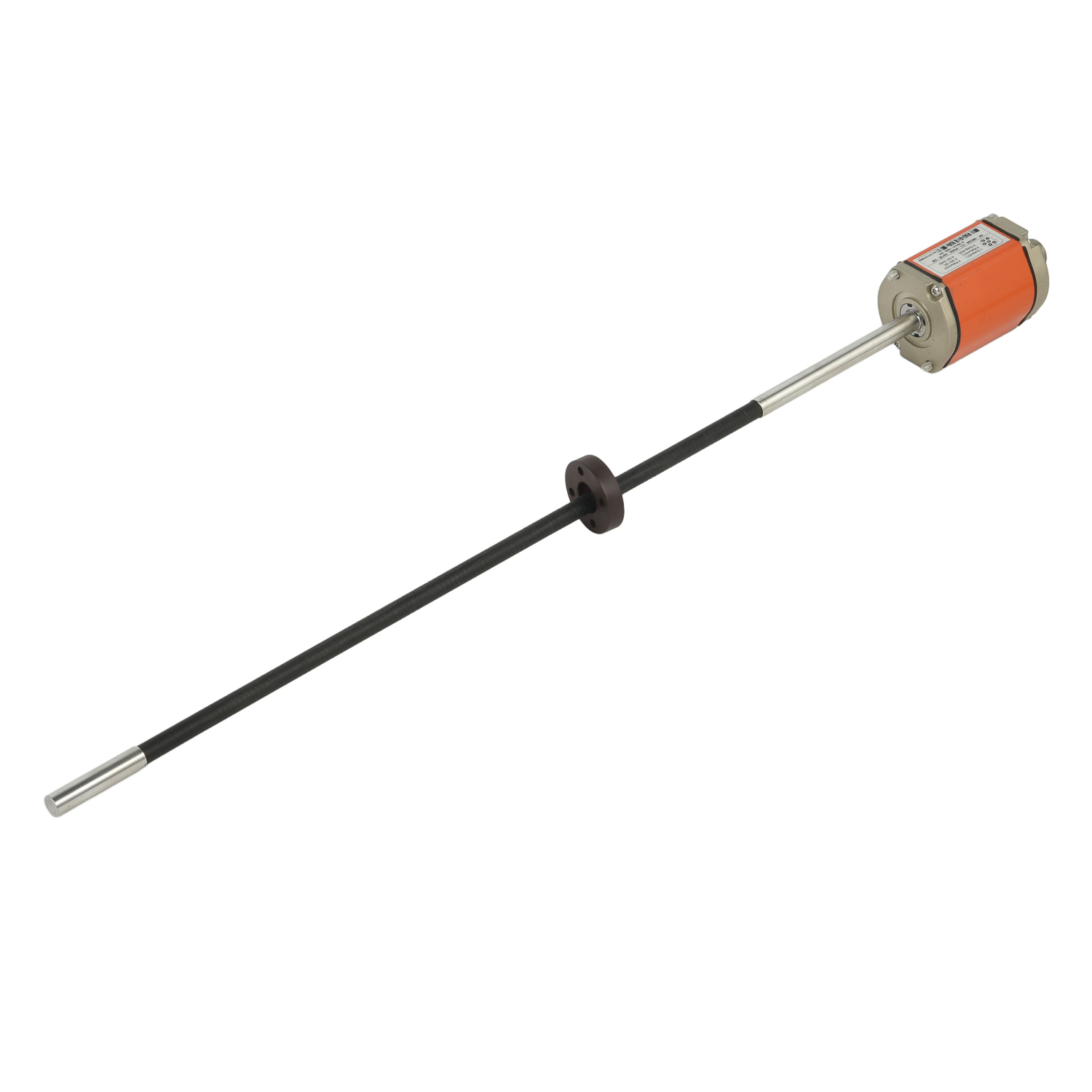 Construction Machinery Crane L