
Construction Machinery Crane Long-distance Positioning System
Construction sites often cover large areas, and cranes must move safely between changing work zones. A construction machinery crane long-distance positioning system combines GNSS, inertial sensors, wireless communication, and site mapping to track crane location in real time. The system helps operators and managers monitor boom orientation, travel paths, and proximity to boundaries or other equipment. When a crane approaches a restricted zone or unsafe distance, alerts are sent to the cab and control center. This improves collision avoidance, lift planning, and fleet coordination. Long-distance positioning also supports remote diagnostics, automatic reporting, and better utilization of equipment across dispersed projects. By integrating robust sensors and reliable data links, the system maintains accuracy in dust, vibration, and obstructed environments. It reduces blind spots, shortens setup time, and strengthens safety compliance. The platform can connect with BIM models, geofencing rules, and fleet dashboards for precise lift planning and faster response. In poor visibility or remote sites, real-time location data keeps operators, riggers, and supervisors aligned. Regular calibration and redundant communication channels further strengthen reliability and long-term performance. For contractors, the technology delivers clearer visibility, faster decisions, and more efficient crane operations on complex construction sites. This creates a safer, smarter jobsite and smoother daily operations.
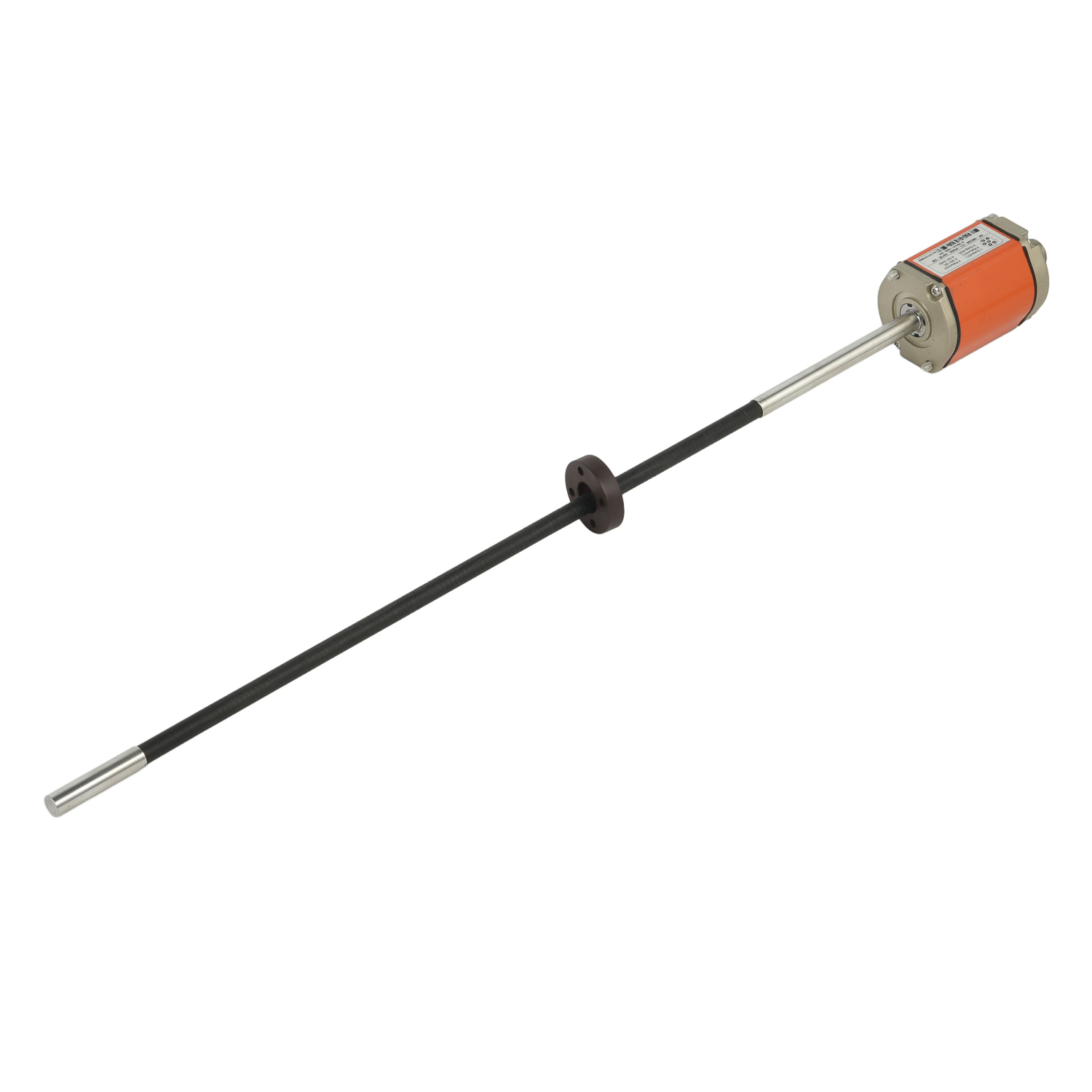
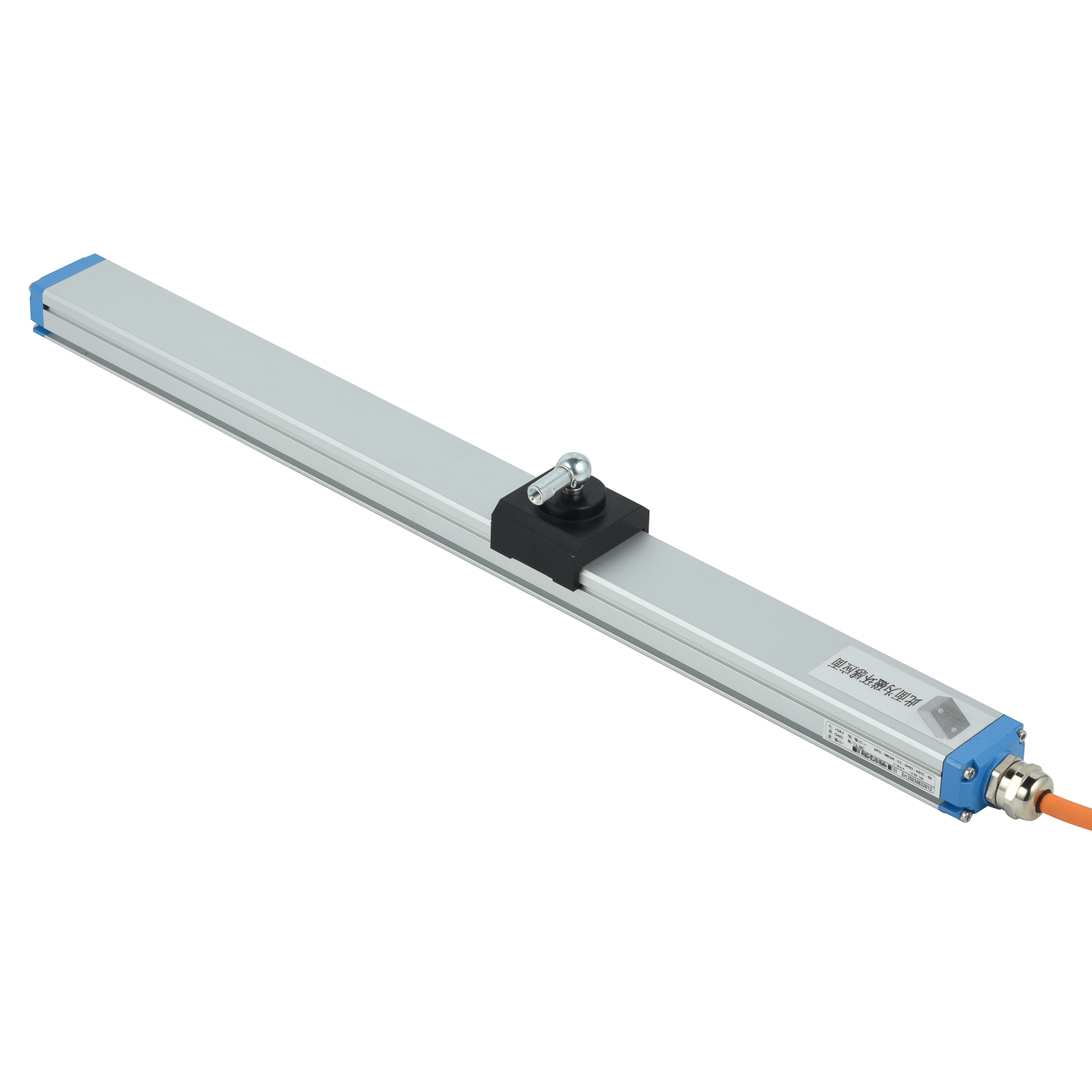 Crane and Trolley Positioning
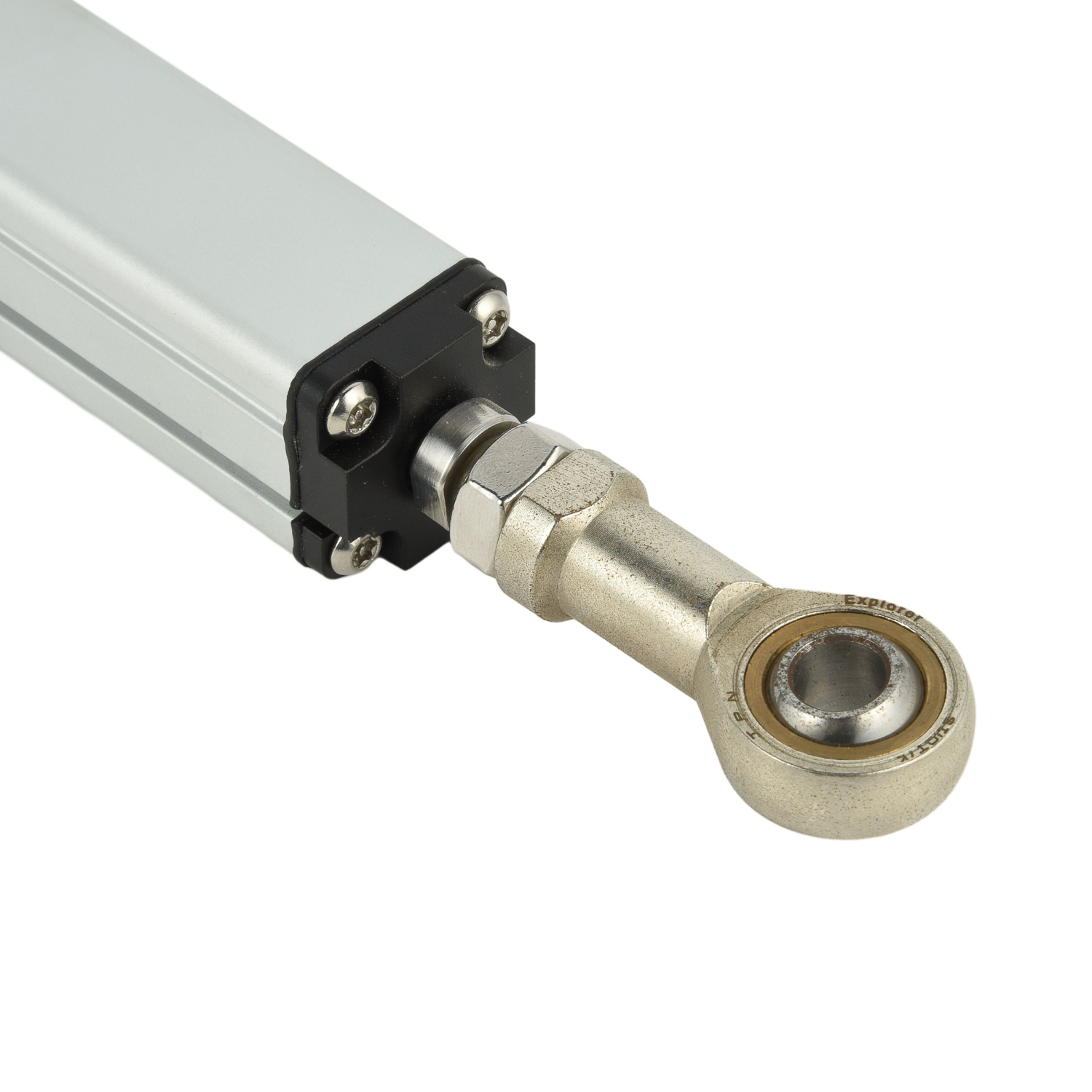 Crane and Trolley Positioning
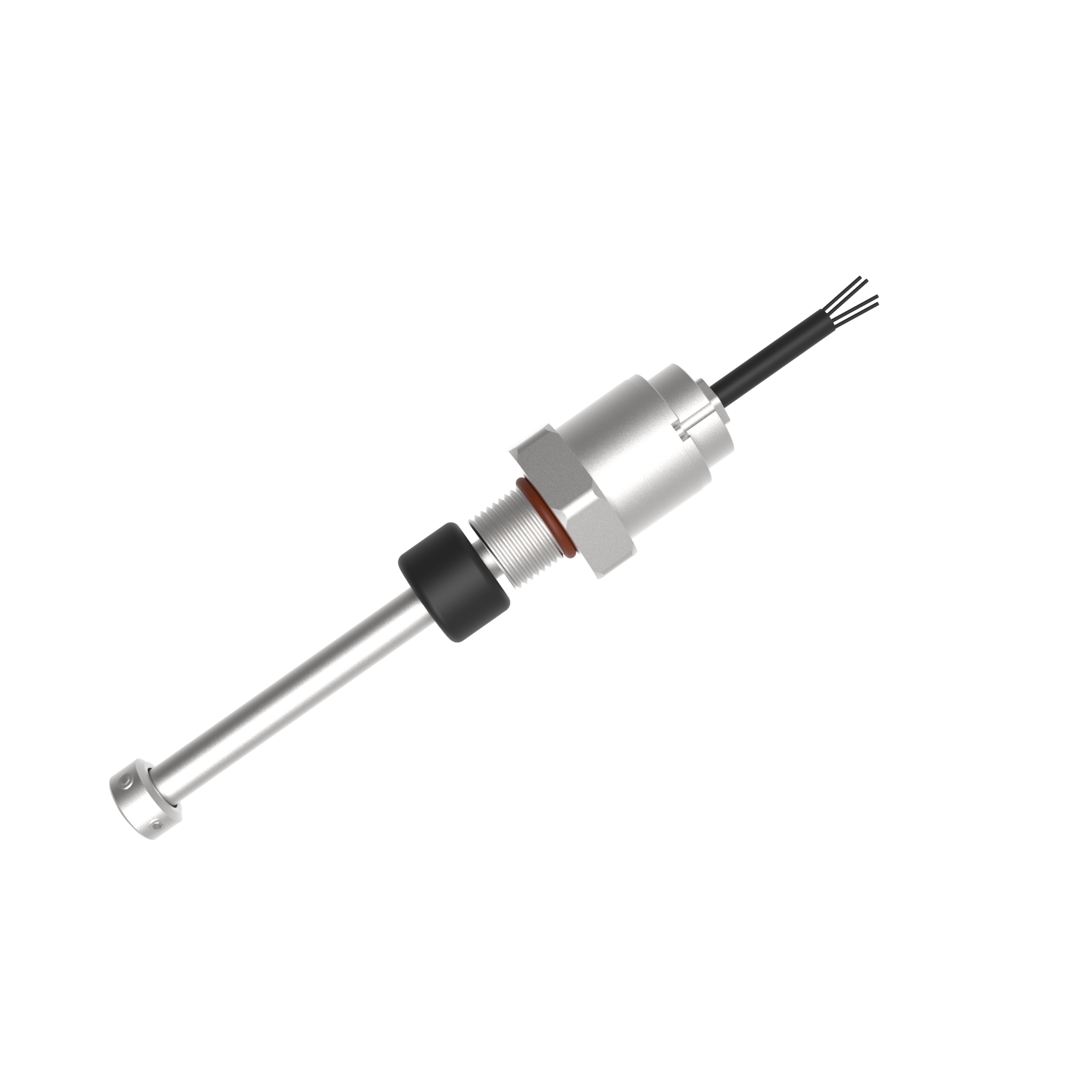 Crane and Trolley Positioning
Construction Machinery Crane L