
Crane and Trolley Positioning for Metallurgy
Crane and trolley positioning is critical in metallurgy, where heat, dust, vibration, and heavy loads make precise material handling difficult. Reliable positioning improves safety, cycle time, and process stability in steel plants, foundries, and rolling mills. Traditional limit switches and manual operation often fail under harsh conditions, causing misalignment, collisions, and downtime. Modern systems combine absolute encoders, laser distance sensors, and robust PLC control to track crane and trolley movement in real time. Anti-sway algorithms calculate load swing and adjust acceleration, helping the hook or gripper stop accurately at ladles, molds, or storage bays. For high-temperature areas, water-cooled housings, air purging, and shielded cables protect sensors from radiant heat and metal dust. Redundant position feedback and fail-safe braking further support safe automatic operation. When integrated with MES or scheduling software, cranes can receive target coordinates and complete repetitive tasks with minimal operator intervention. Regular calibration, rail alignment checks, and preventive maintenance are essential to keep positioning accuracy stable. A well-designed positioning solution reduces collision risk, shortens handling cycles, and supports consistent metallurgical production. The best approach matches sensor technology and control strategy to the specific layout, temperature profile, and duty cycle of each crane. Reliable feedback also lowers maintenance costs.
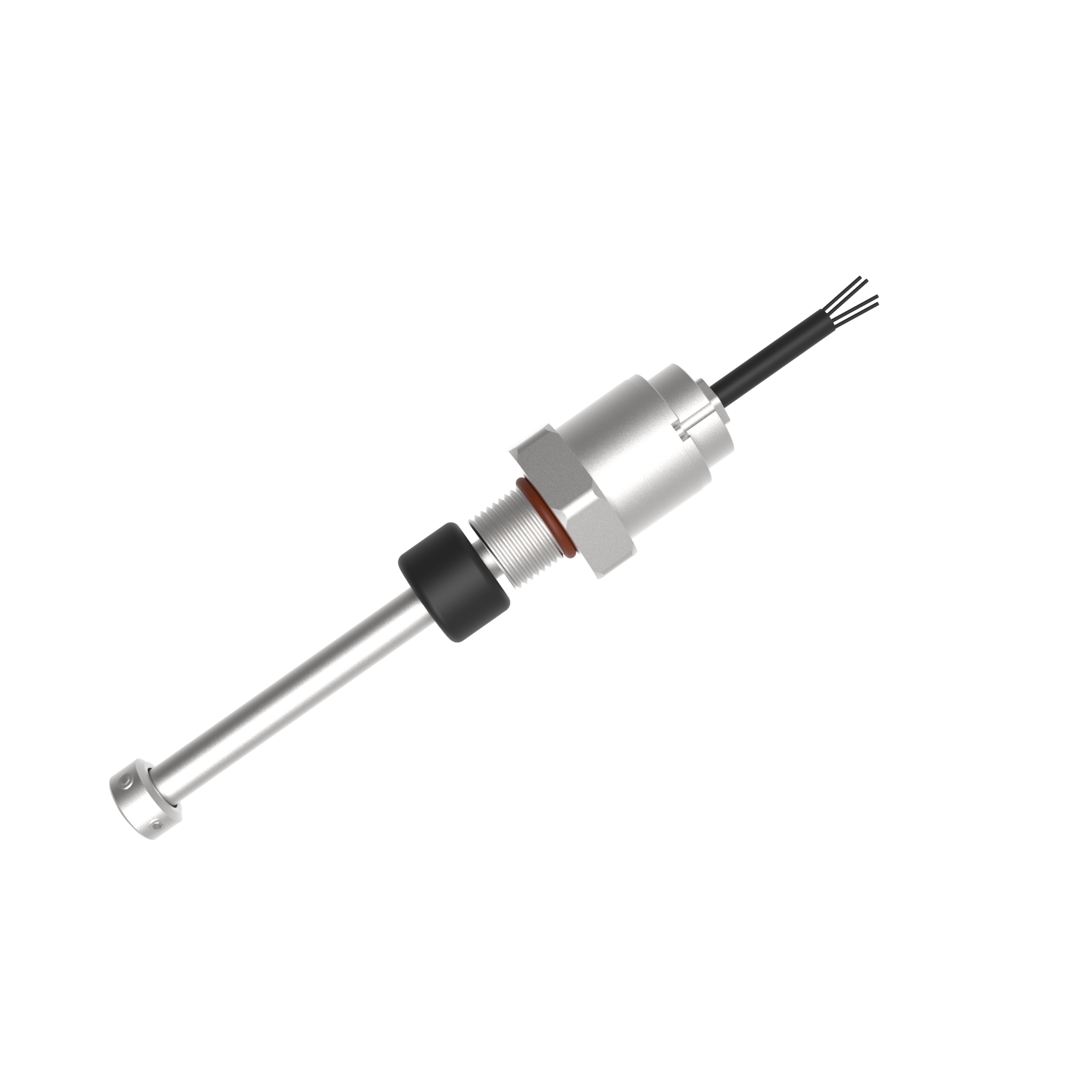
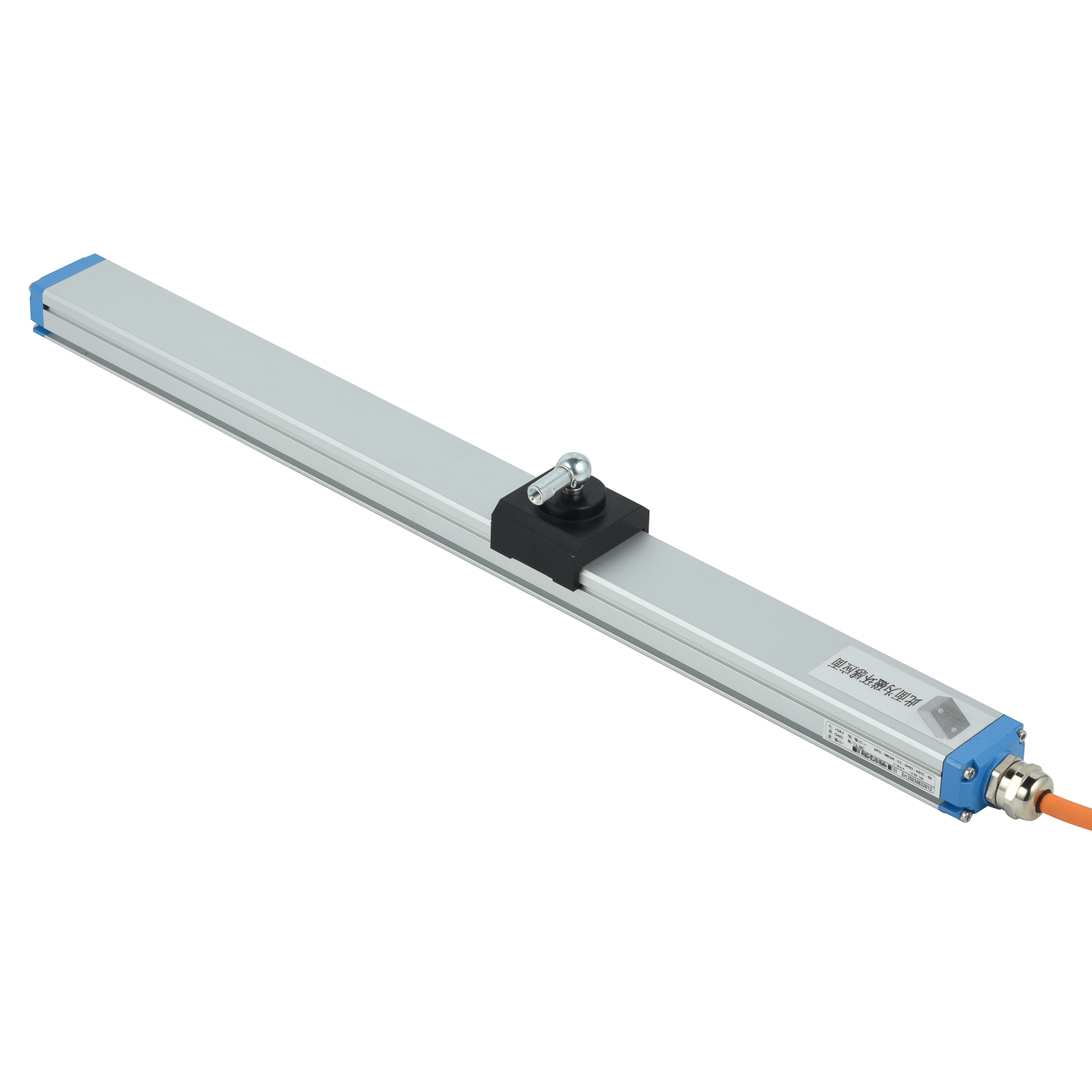 Crane and Trolley Positioning
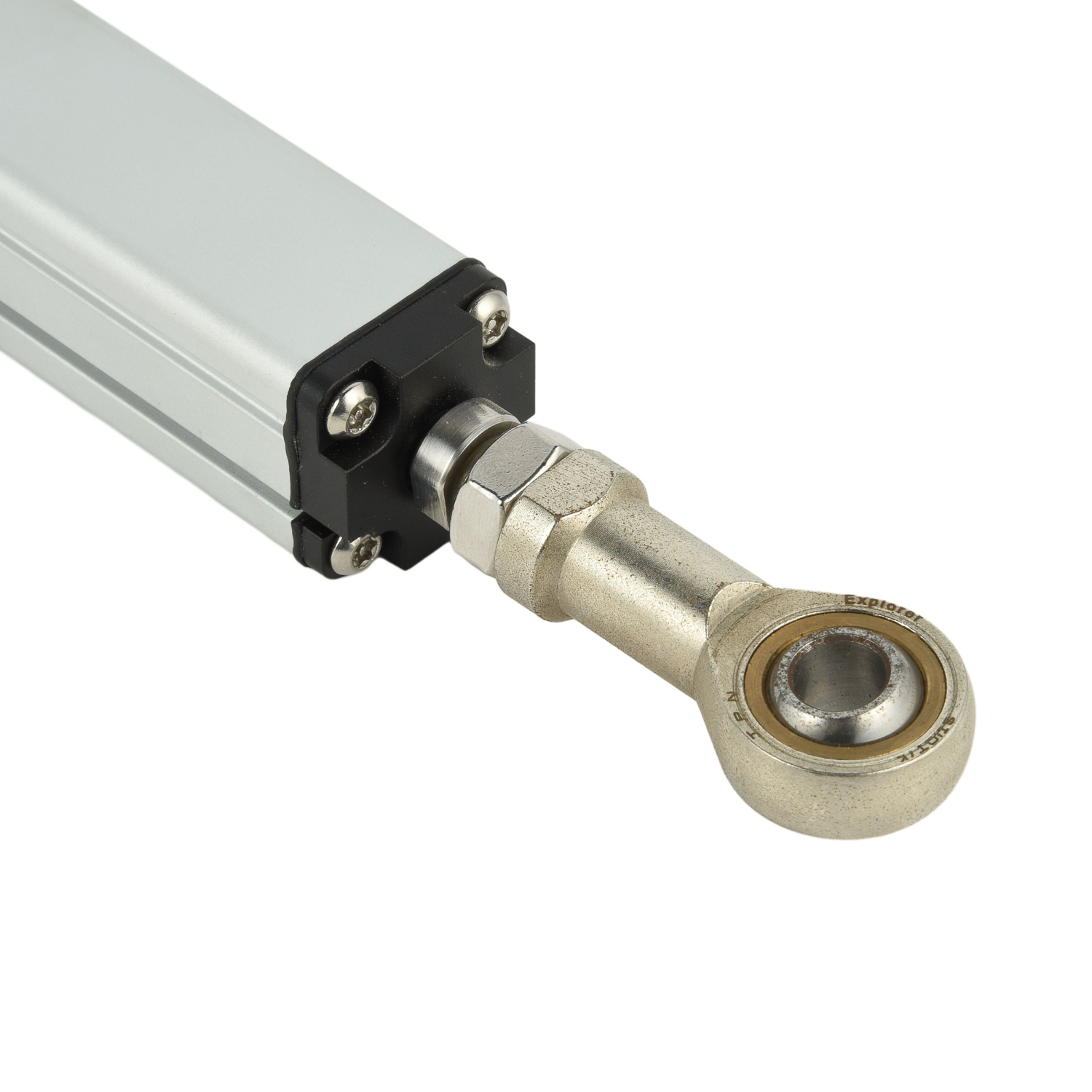 Crane and Trolley Positioning
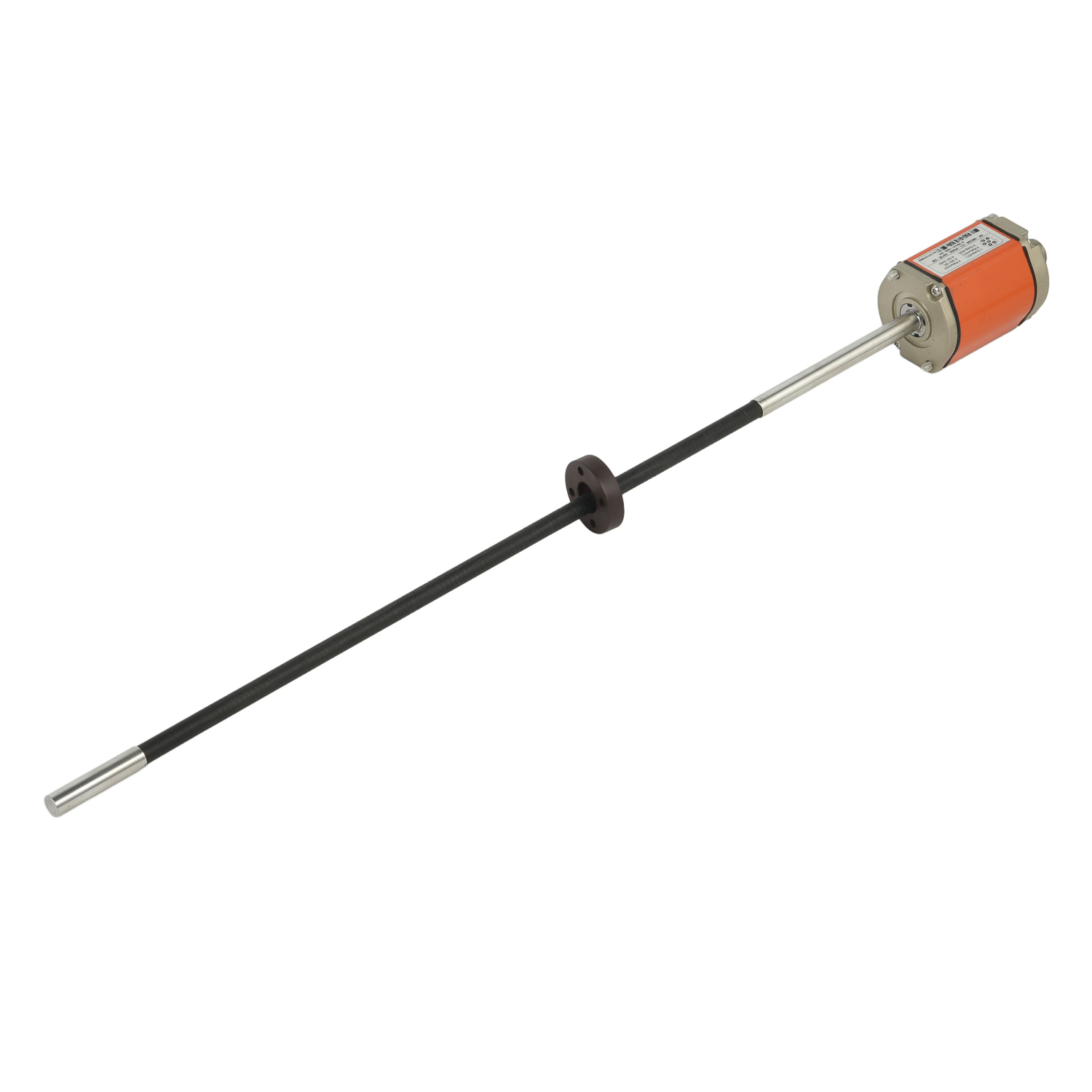 Construction Machinery Crane L