
Crane and Trolley Positioning for Chemical Industry
In chemical plants, cranes and trolleys must move reactors, pumps, valves, and maintenance loads with high accuracy while operating near flammable gases, corrosive chemicals, and confined spaces. Reliable positioning is therefore not only a productivity issue but a core safety requirement. A well-designed positioning system combines absolute encoders, laser distance sensors, limit switches, and PLC-based closed-loop control. These devices continuously verify trolley travel, hoist height, and crane bridge location, reducing drift and preventing load swing from causing collisions.
Explosion-proof components, sealed enclosures, and corrosion-resistant coatings are essential in hazardous zones. Anti-sway algorithms and soft-start/soft-stop motion profiles allow operators to place loads within millimeters without sudden movements. Zone interlocks can slow or stop the crane when it approaches reactor openings, pipe racks, or restricted maintenance areas. Redundant sensors and fail-safe brakes further protect equipment and personnel if a signal is lost.
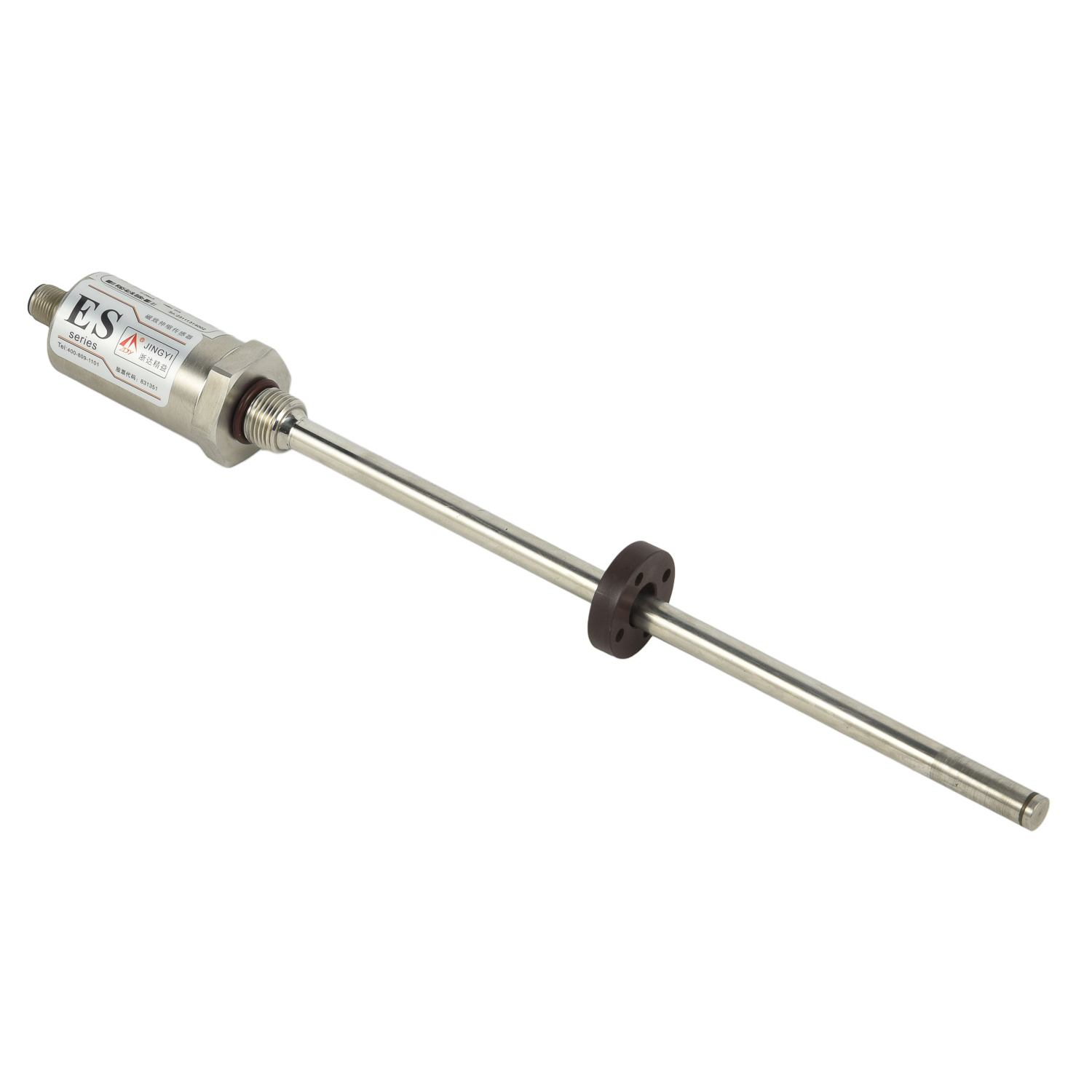
Modern systems also support remote operation and automated route planning. Barcode or RFID tags can identify lifting points, while visual displays guide operators through safe sequences. Regular calibration, sensor cleaning, and inspection of rails and wheels keep positioning accuracy stable over time. By integrating robust hardware, precise control, and strict safety logic, chemical facilities can improve lifting efficiency, reduce human error, and maintain continuous, safe production.
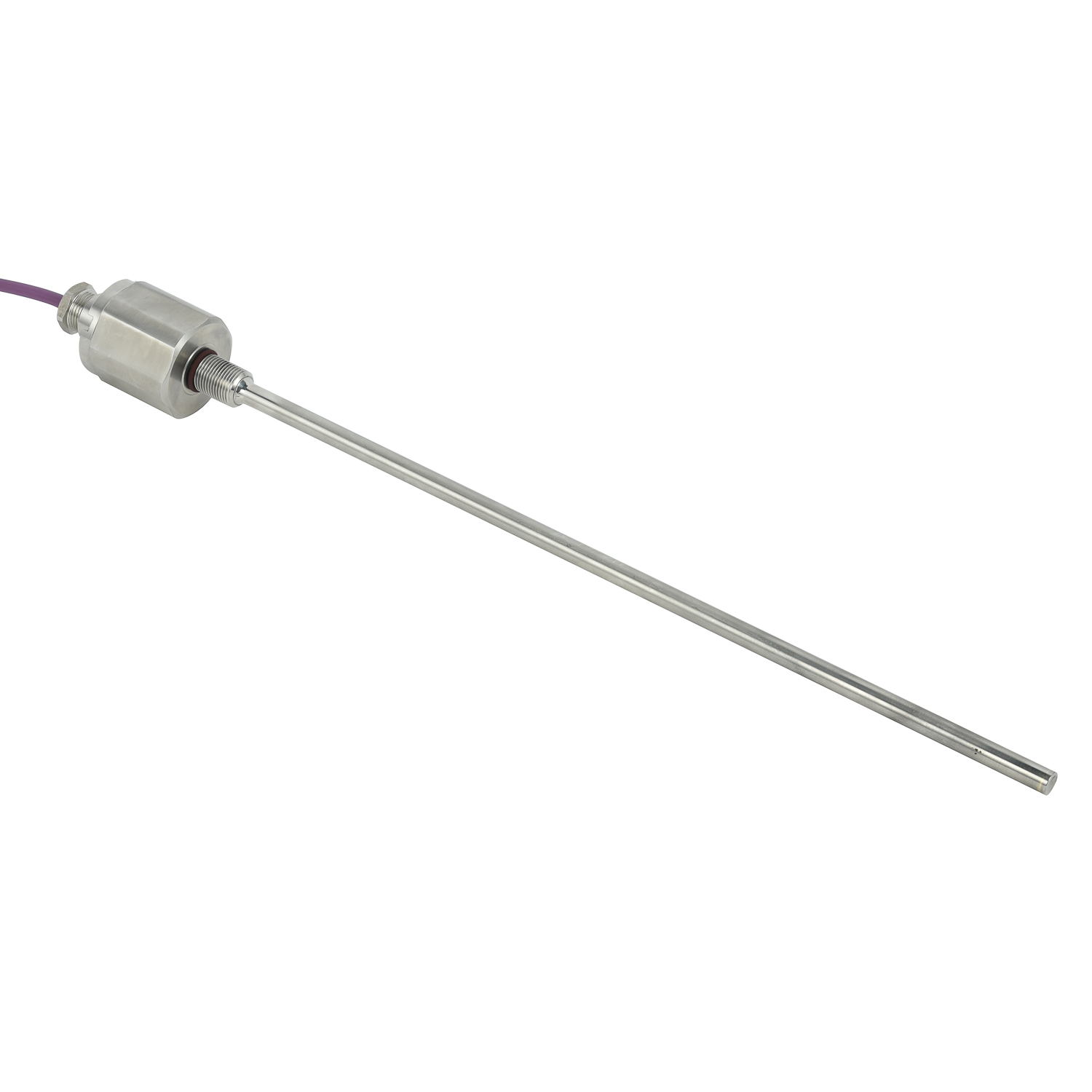 Crane and Trolley Positioning
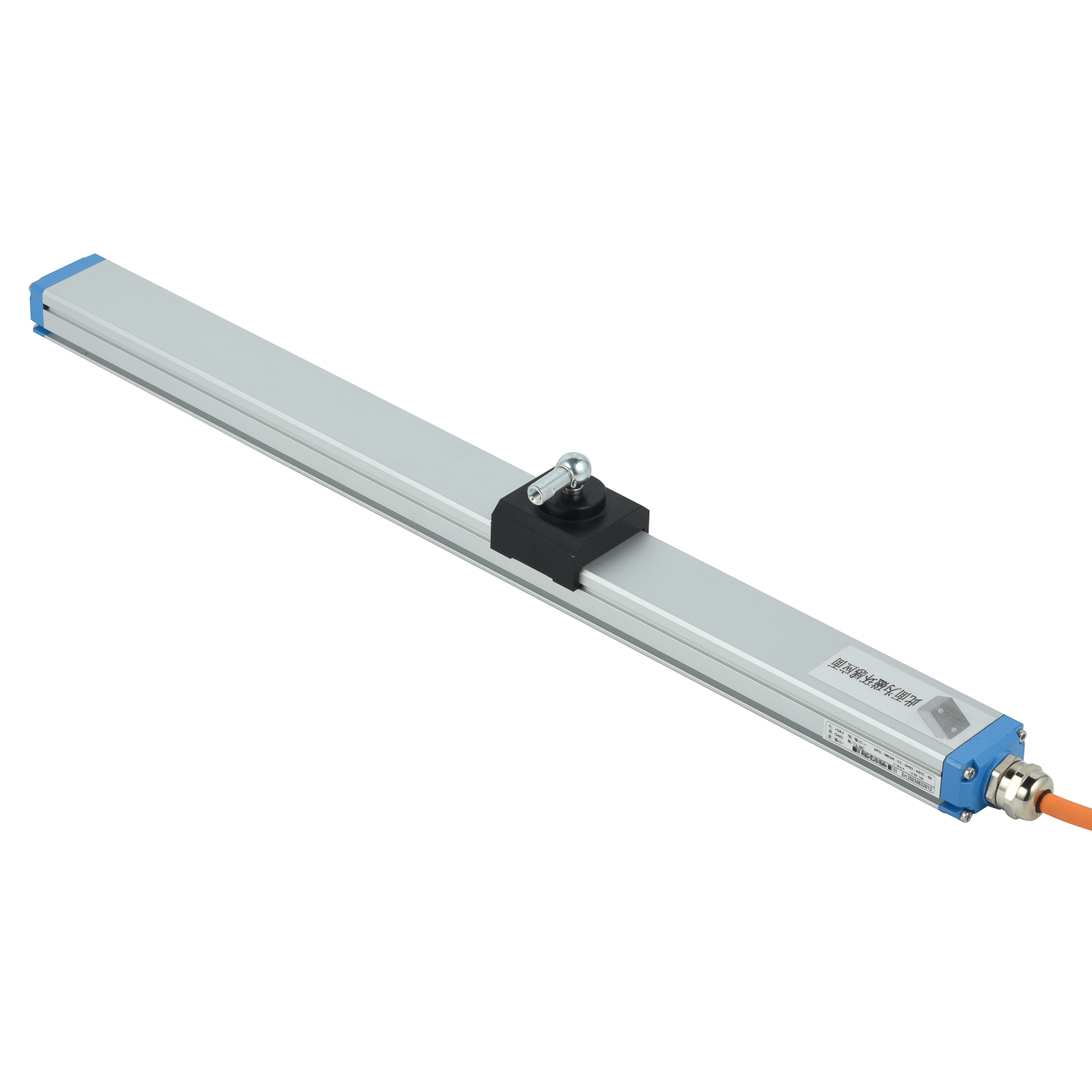 Crane and Trolley Positioning
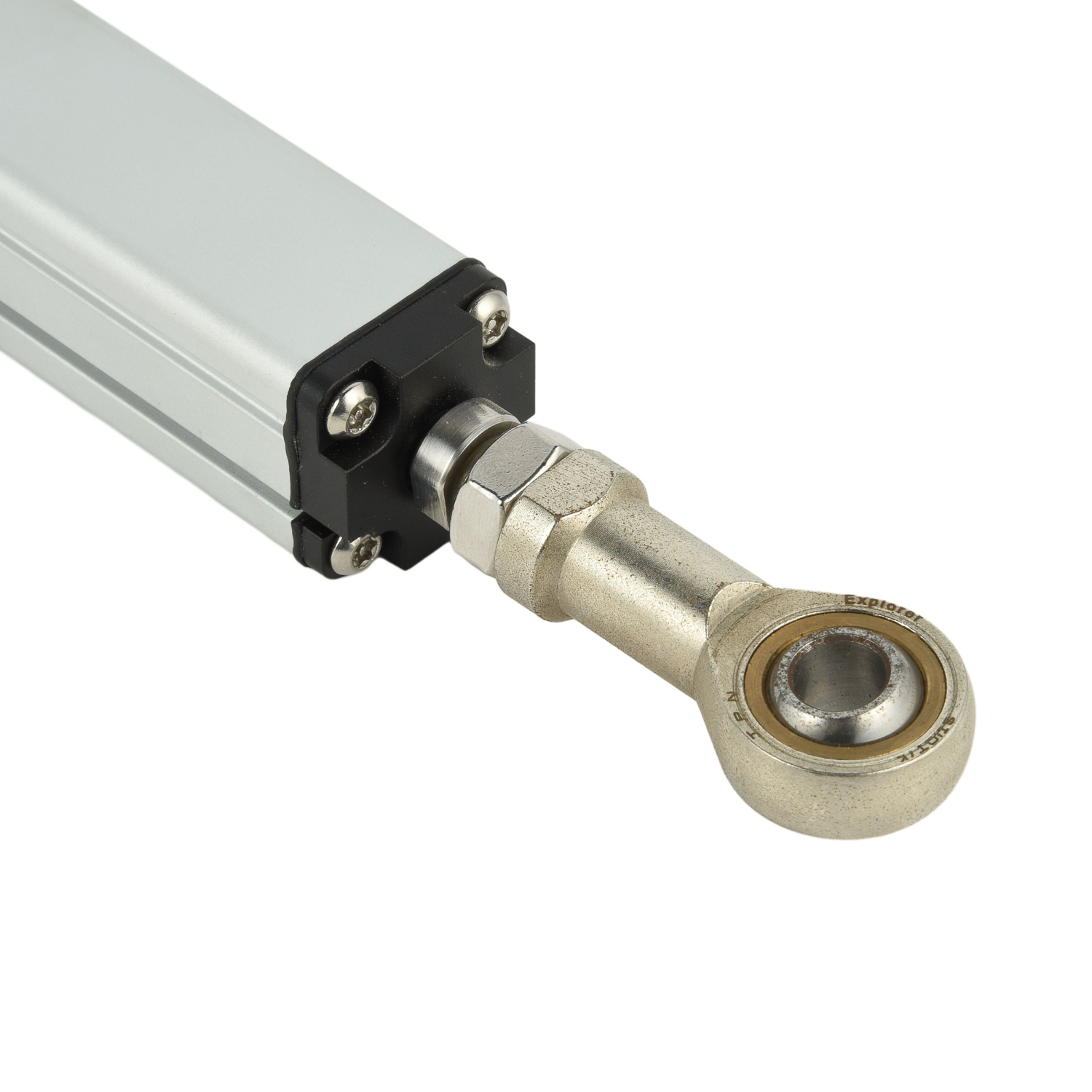 Crane and Trolley Positioning