
Crane and Trolley Positioning for Sewage Treatment
In sewage treatment plants, cranes and trolleys must move sludge, grit, screens, and maintenance loads with high repeatability. Accurate positioning reduces spillage, prevents collisions, and supports automated operation in humid, corrosive areas. A reliable system combines robust mechanical guides with absolute encoders, laser distance sensors, and PLC control. Variable-frequency drives provide smooth acceleration and fine creep speed, while limit switches and anti-sway logic protect the load and structure. For bridge cranes, rail alignment and wheel slip affect accuracy; for trolleys, encoder mounting and cable management are critical. Operator interfaces should show real-time coordinates and clear fault alarms. Wireless remote control can improve visibility, but it needs stable signal coverage and strict access permissions. Regular calibration, rail cleaning, lubricant checks, and sensor inspection keep positioning stable. During design, define target tolerances for each station, such as sludge hoppers, grit tanks, and dewatering units. Use corrosion-resistant materials, IP-rated sensors, and redundant safety circuits. Integrated controls can link crane position with pump, valve, and conveyor status. Data logging supports maintenance planning and remote diagnostics. This enables automatic sequencing, shorter cycle times, and safer maintenance. Commissioning should test empty and loaded movements, emergency stops, and repeatability at every transfer point. Safety systems should include target zone limits, overload detection, and collision avoidance between adjacent cranes. Trend data helps predict wear and avoid unplanned downtime. A well-engineered positioning strategy turns wastewater handling into a precise, repeatable, and low-risk process.
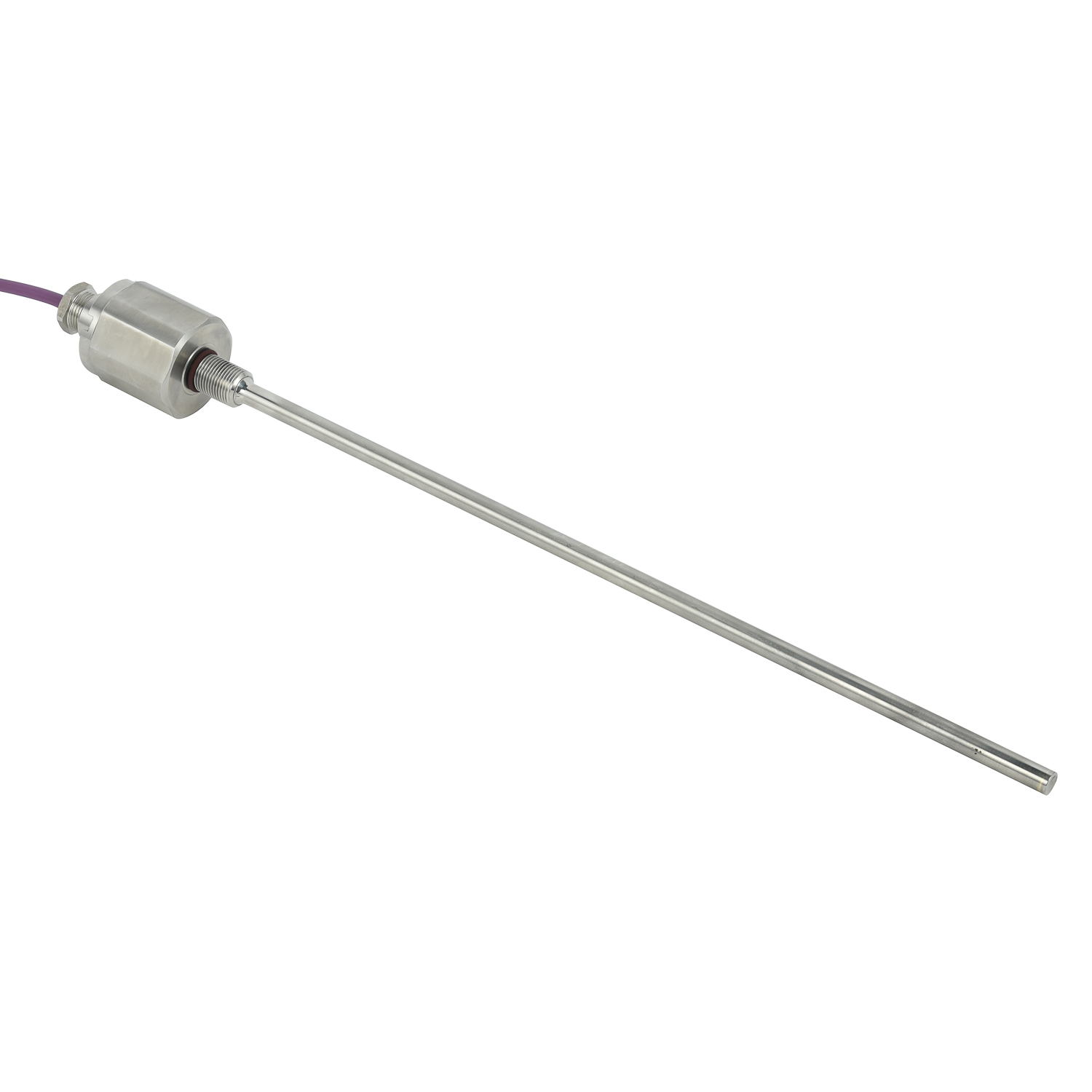
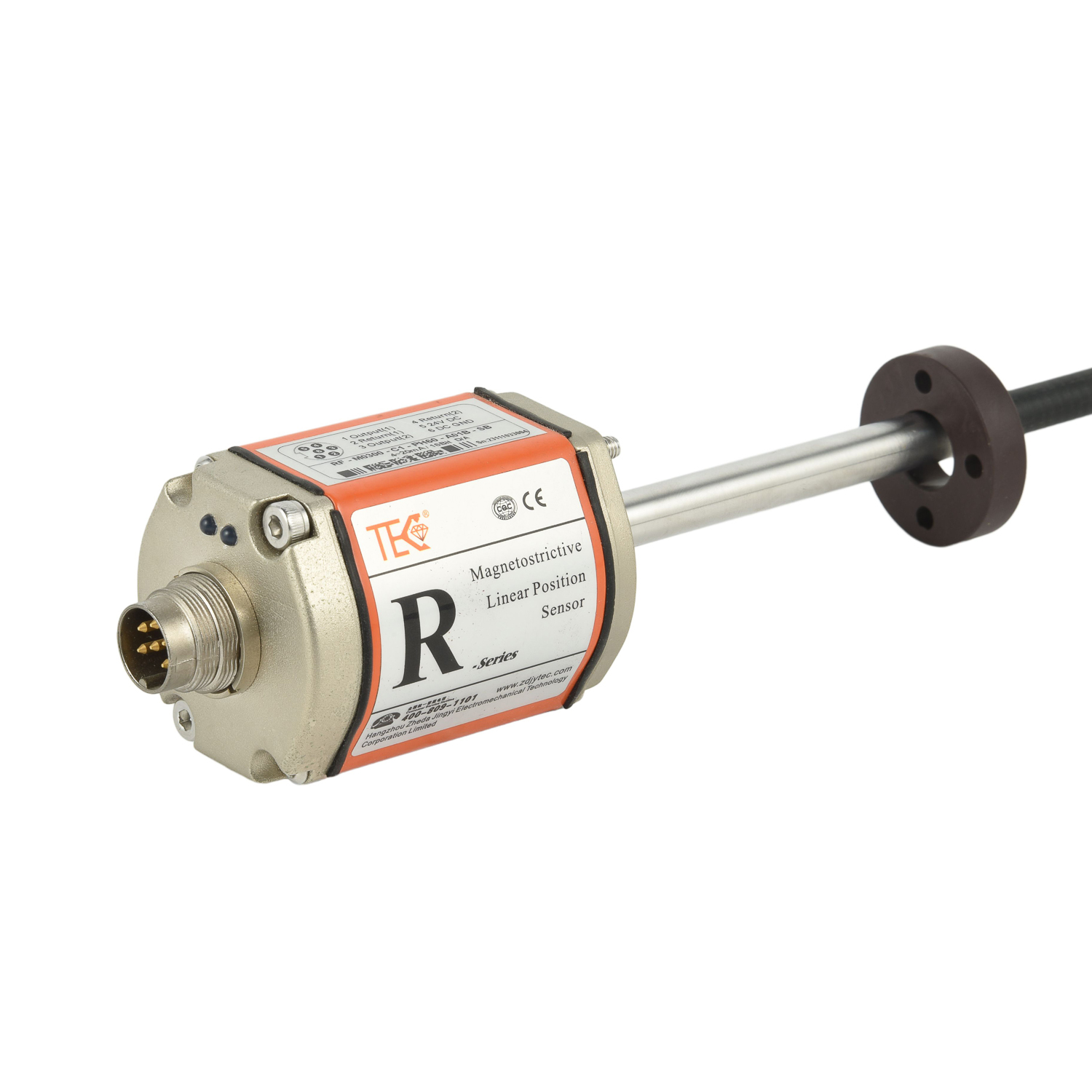 Crane and Trolley Positioning
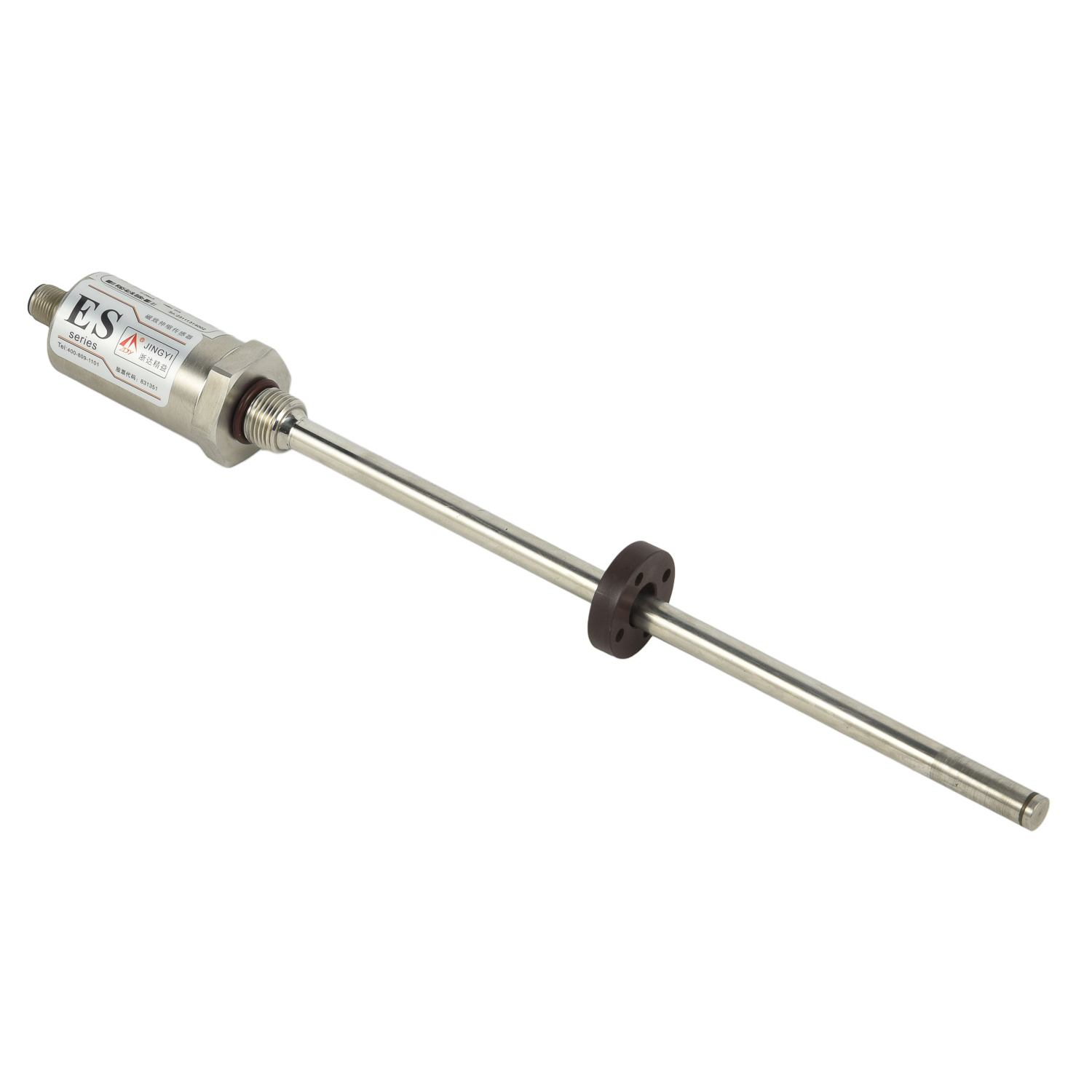 Crane and Trolley Positioning
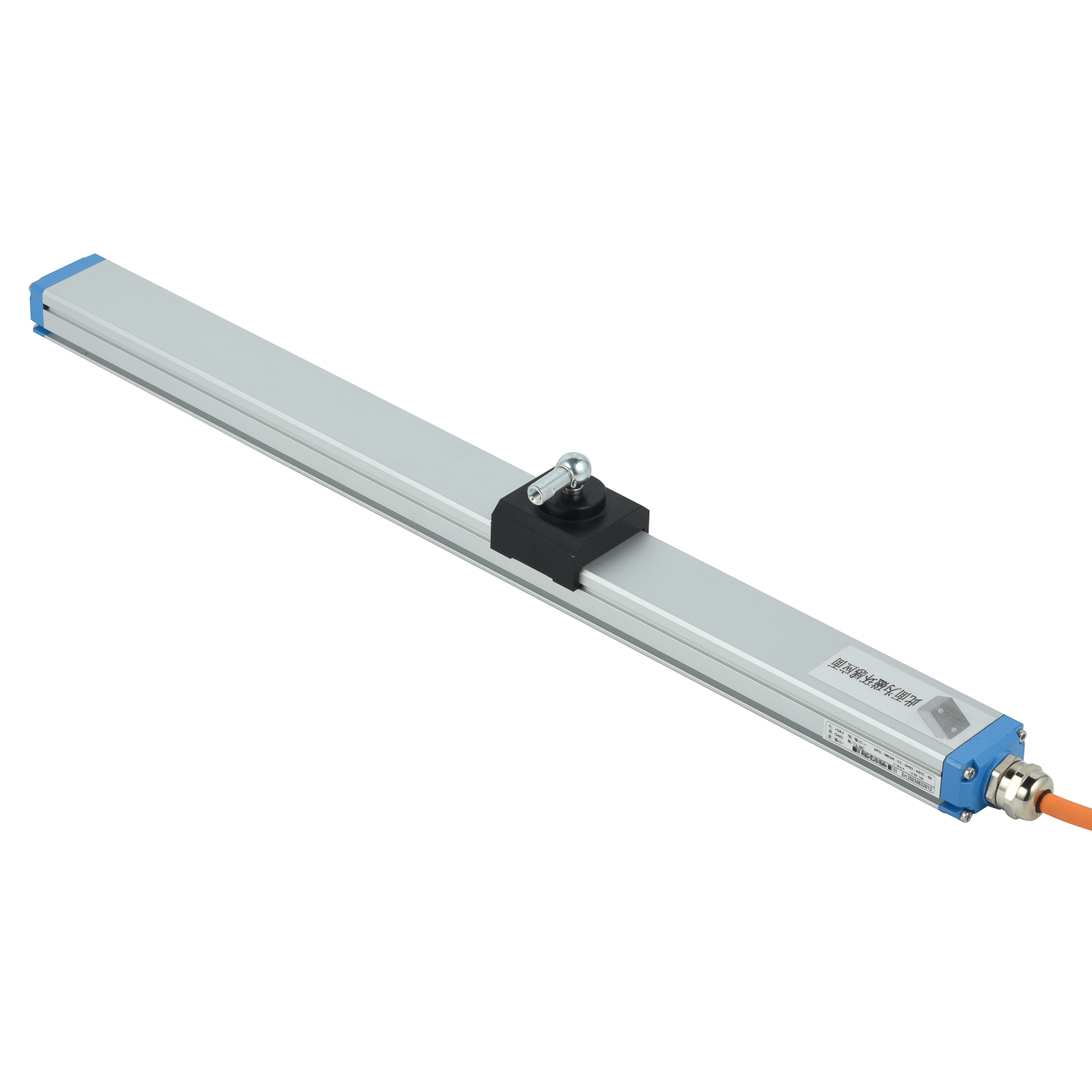 Crane and Trolley Positioning