
Crane and Trolley Positioning for Water Conservancy
Water conservancy facilities rely on cranes and trolleys to lift gates, trash racks, pumps, and maintenance equipment. Precise positioning is critical because small errors can cause misalignment, cable wear, collision risks, and delays during flood control or emergency operations. Modern systems combine encoders, laser distance sensors, RTK-GNSS, and PLC control to measure trolley travel, hoist height, and load sway in real time. For long travel spans, absolute positioning references reduce drift after power loss and speed up recovery. Feedback loops guide the crane to target coordinates, while anti-sway algorithms reduce swinging and improve landing accuracy. Operators can switch between manual, semi-automatic, and fully automatic modes, with interlocks preventing unsafe commands. In dams, spillways, and pumping stations, automated positioning supports synchronized gate lifting, remote operation, and safe maintenance. Collision avoidance zones protect personnel and structures, and data logging enables predictive maintenance. Commissioning includes geometric calibration, sensor fusion checks, and load tests under realistic hydraulic conditions. Robust design must handle humidity, dust, vibration, and outdoor temperature changes. With calibrated sensors, redundant limits, and clear HMI displays, operators gain repeatable precision and faster response. Proper crane and trolley positioning therefore enhances safety, reliability, and water resource management, and it also reduces downtime.
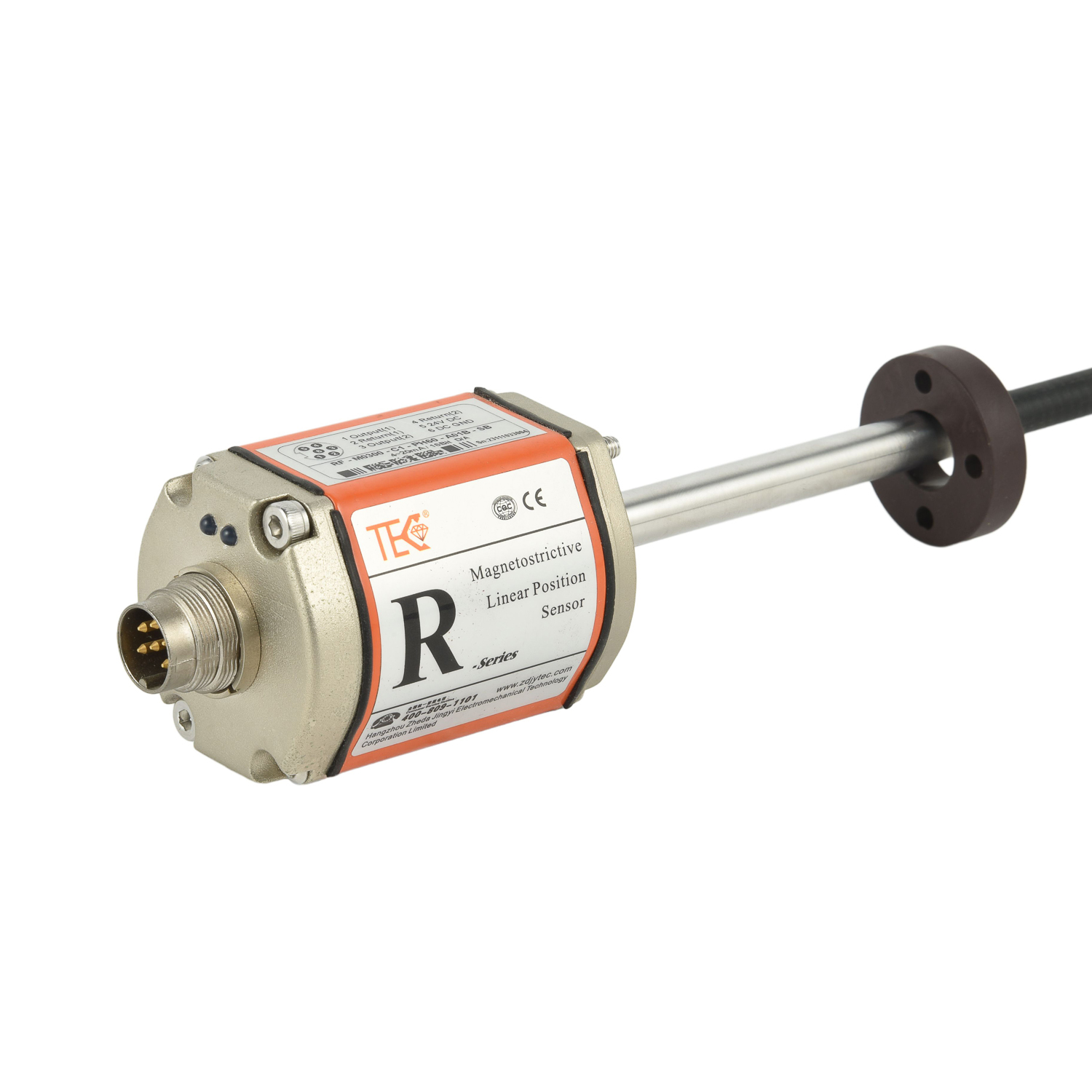 Crane and Trolley Positioning
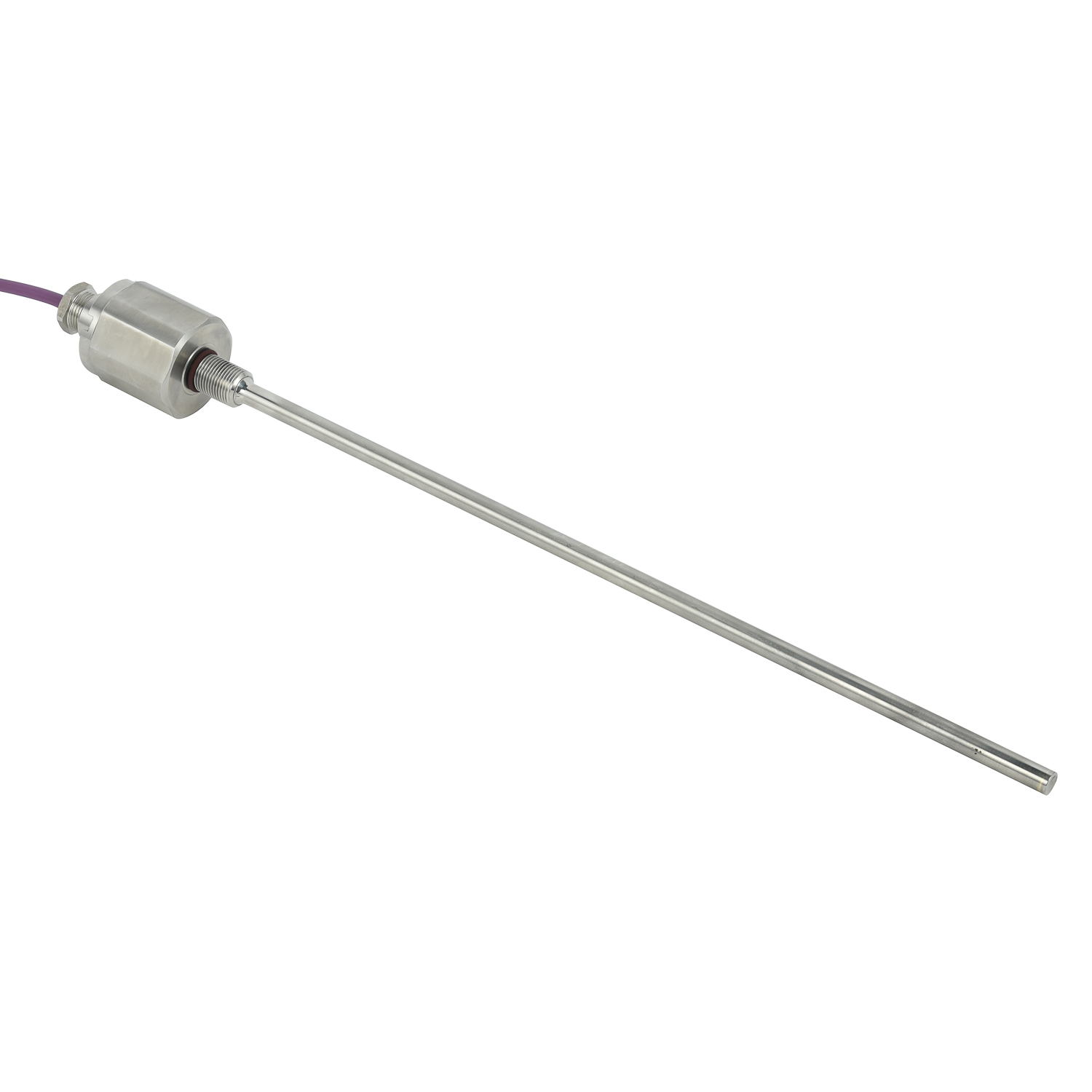 Crane and Trolley Positioning
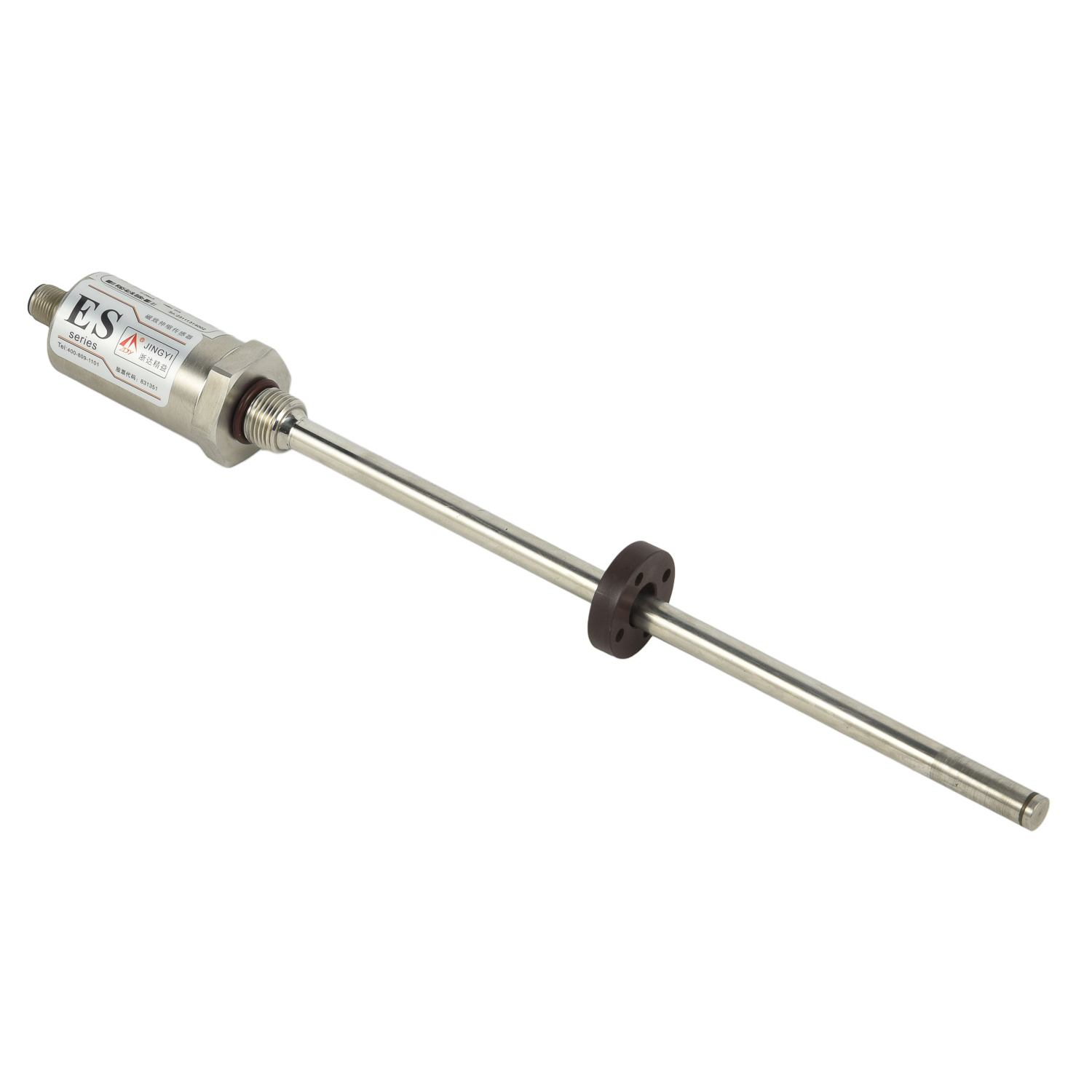 Crane and Trolley Positioning
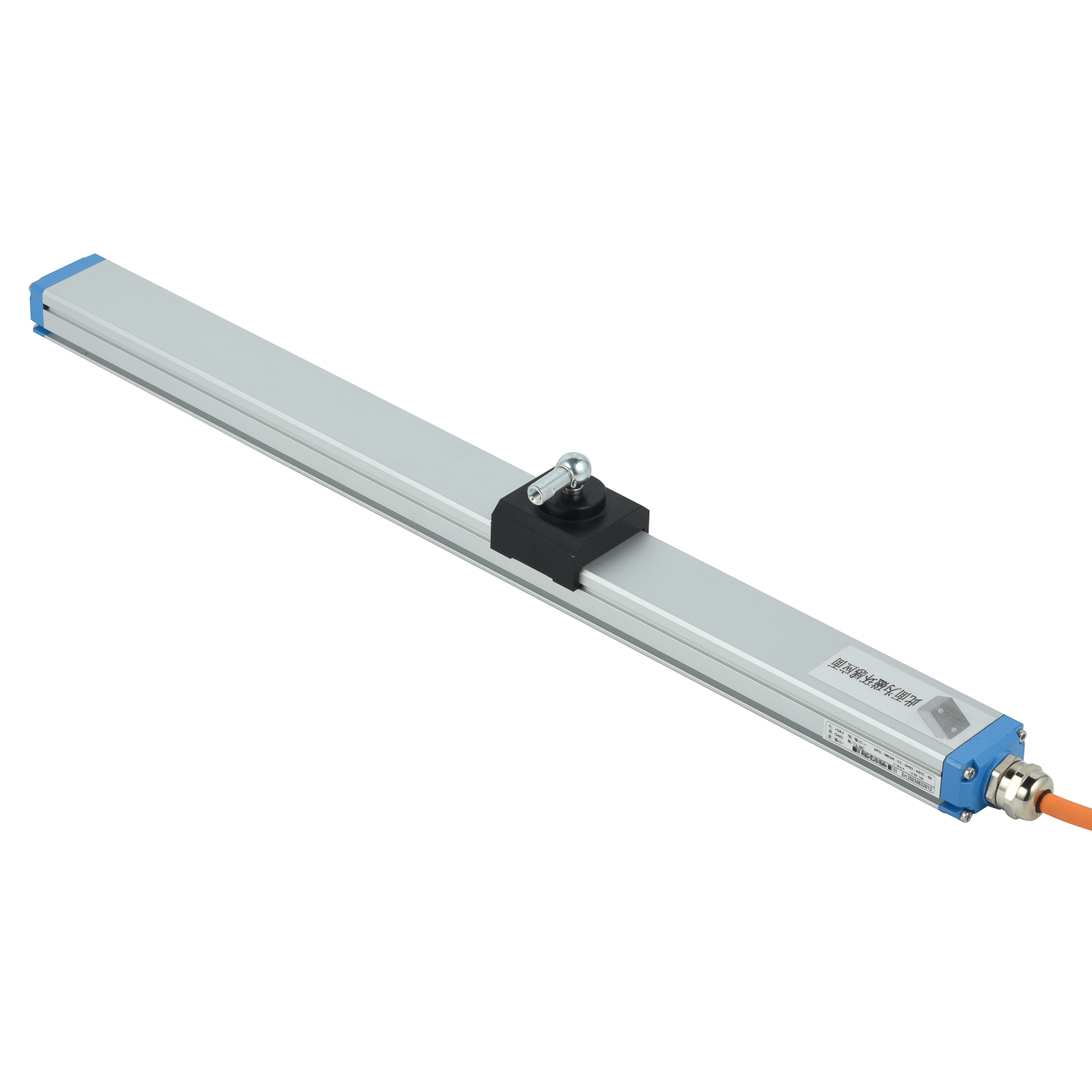 Crane and Trolley Positioning