
Metallurgy Stacker-reclaimer Long-distance Positioning System
Metallurgy stacker-reclaimers operate across large, dusty bulk-material yards, where precise long-distance positioning is essential for safe stacking, reclaiming, anti-collision and stockpile management. A robust positioning system typically combines GNSS RTK for absolute outdoor coordinates, UWB or RFID for zone correction, laser ranging and rail-travel encoders for local measurement, and inertial sensing for boom and slew angles. Multi-source data is filtered and fused in a PLC or edge controller, then mapped to a digital yard model. This architecture maintains repeatable accuracy despite dust, heat, vibration, rain and multipath interference. It supports automatic travel, boom positioning and pile profiling, reduces operator exposure, prevents machine collisions, and improves throughput and inventory accuracy. For long-distance routes, a redundant network links onboard sensors with the control room, while fail-safe diagnostics and calibration routines keep performance stable in harsh metallurgy environments. Preventive maintenance alerts further protect critical components and extend service life. The system can use millimeter-wave radar for close-range obstacle detection, geofencing for restricted zones, and visual/AI cameras for pile edge recognition. Time synchronization and deterministic communication are critical when multiple machines share rails or stockyards. Accurate position data also feeds autonomous scheduling, blending optimization and real-time inventory reconciliation.
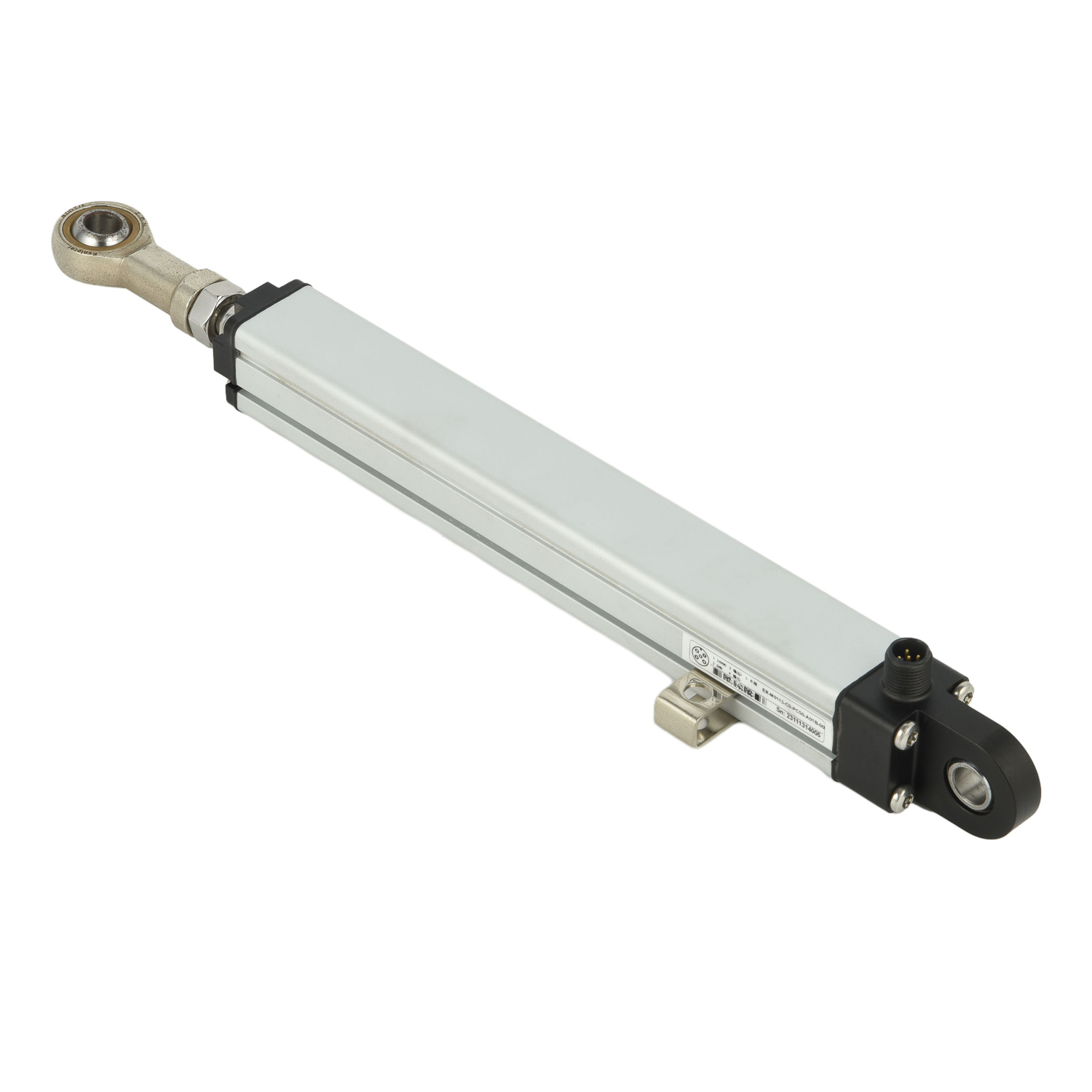
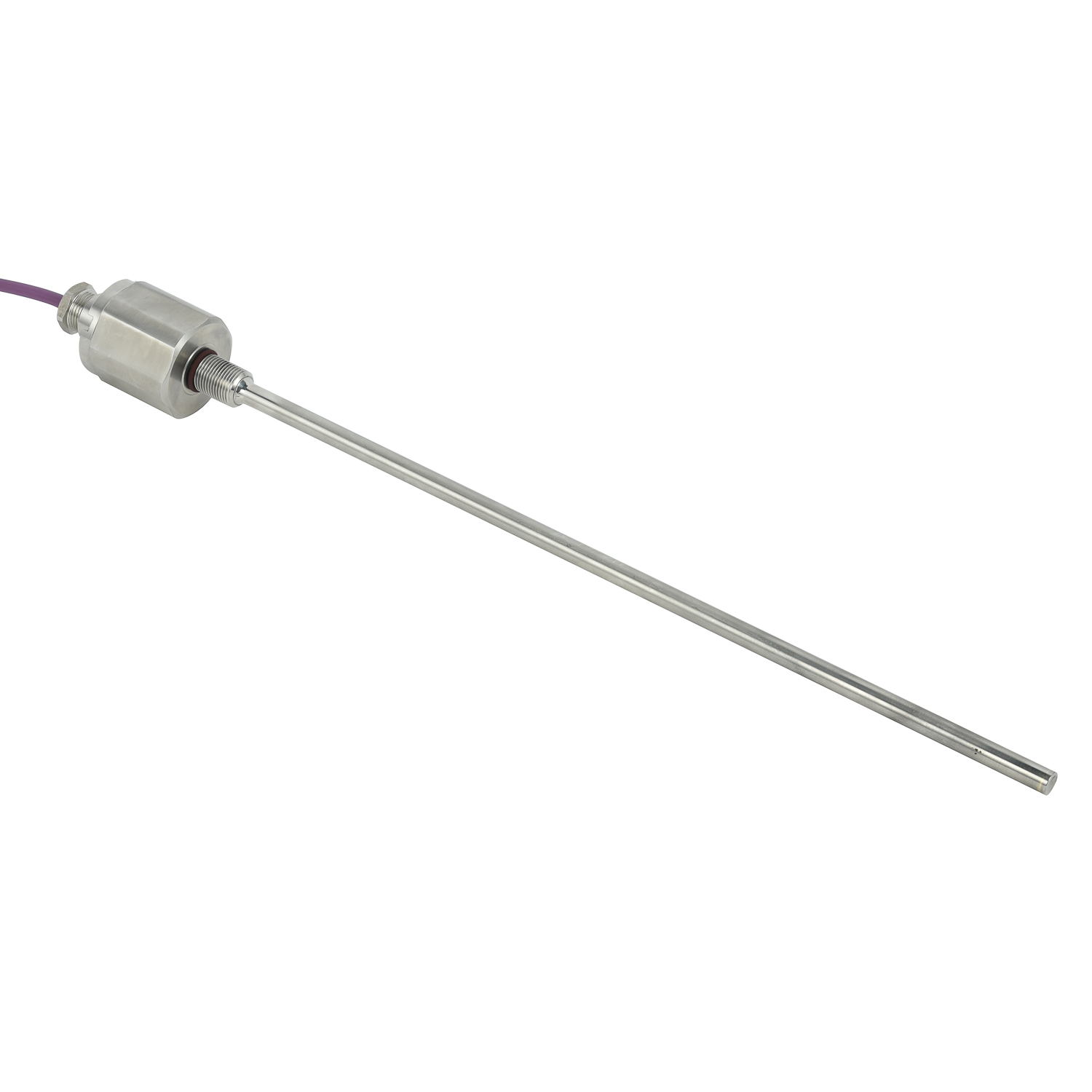 Crane and Trolley Positioning
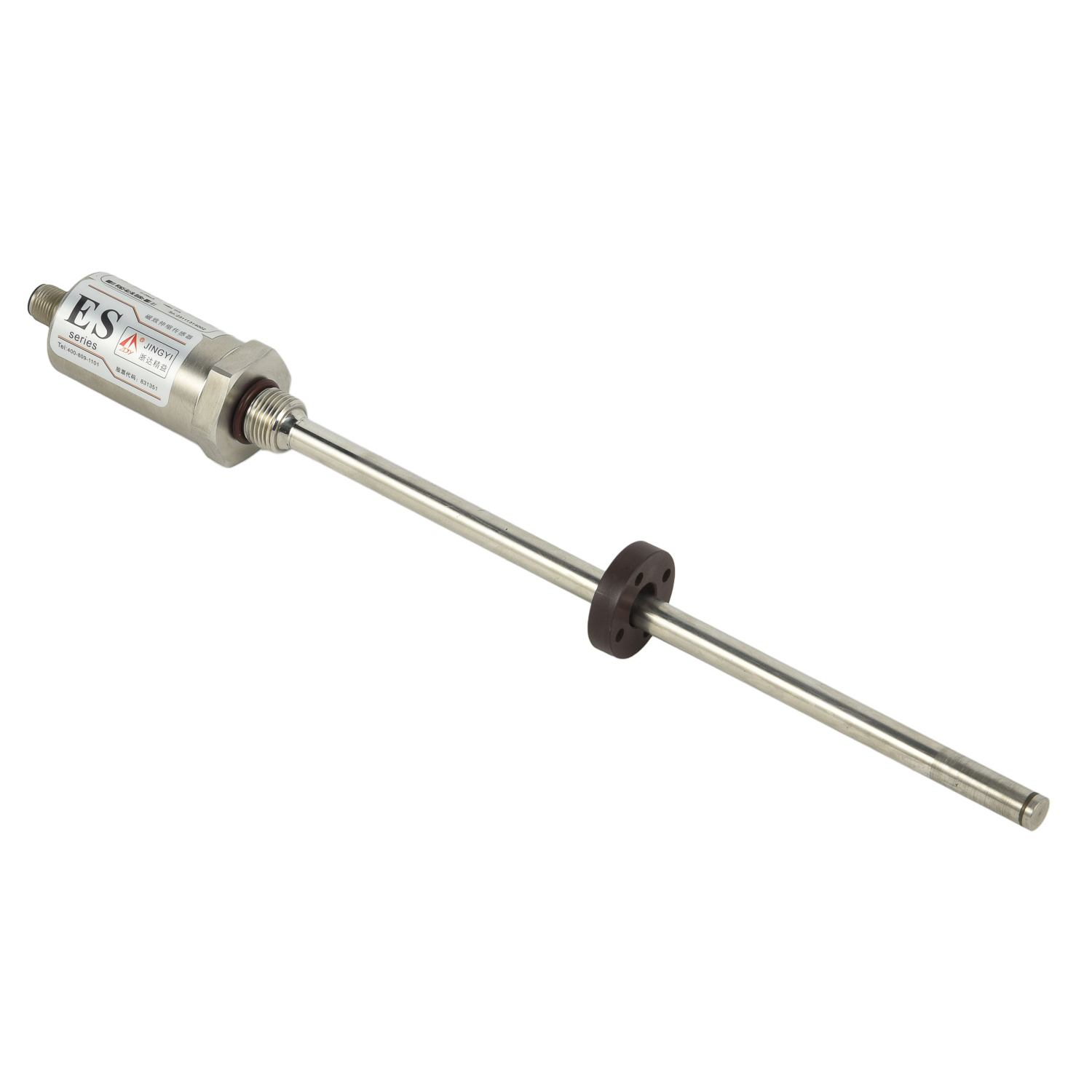 Crane and Trolley Positioning
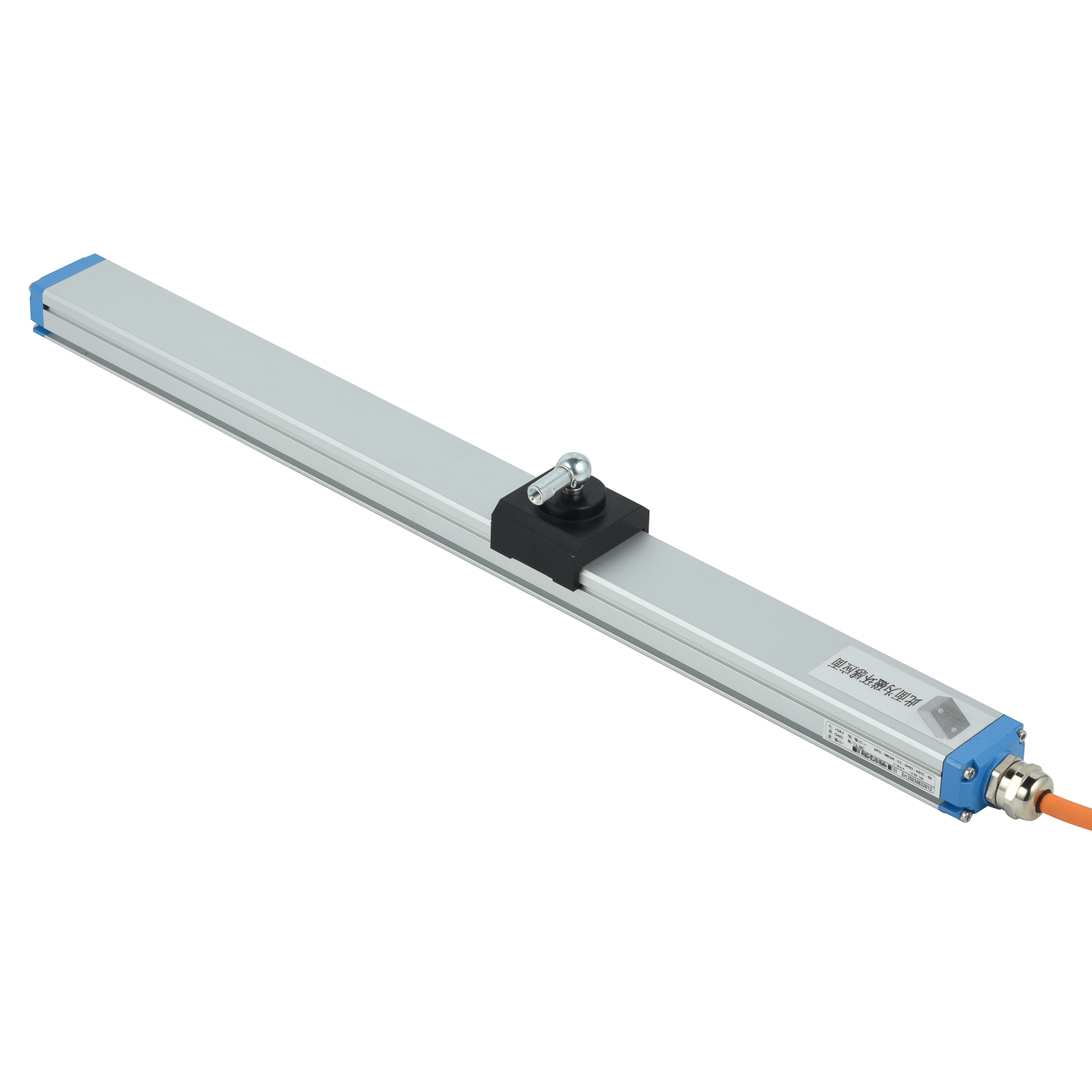 Crane and Trolley Positioning
 Crane and Trolley Positioning