
Chemical Industry High-pressure Long-distance Positioning System
Chemical plants rely on high-pressure long-distance positioning systems to monitor pipelines, reactors, and transport routes in real time. These systems combine pressure sensors, fiber-optic sensing, acoustic locating, and explosion-proof communication to identify leaks, blockages, and abnormal pressure waves across kilometers of hazardous process lines. In high-pressure chemical environments, accurate positioning is critical. A small deviation can delay isolation, increase exposure risk, and cause costly shutdowns. Advanced systems use distributed sensors and edge computing to calculate event locations within meters, even when pipelines cross remote areas. They support continuous data logging, alarm prioritization, and integration with DCS and safety instrumented systems. For long-distance operation, redundant power, rugged housings, and intrinsic safety certification are essential. Maintenance teams use predictive diagnostics, which reduce false alarms and improve response planning. When selecting a system, engineers should evaluate pressure range, response time, positioning accuracy, communication protocol, and compatibility with corrosive media. Proper installation, calibration, and periodic testing ensure reliable performance in chemical industry applications. By combining robust sensing with intelligent analytics, high-pressure long-distance positioning systems help chemical facilities protect people, assets, and production continuity while meeting safety and environmental standards.
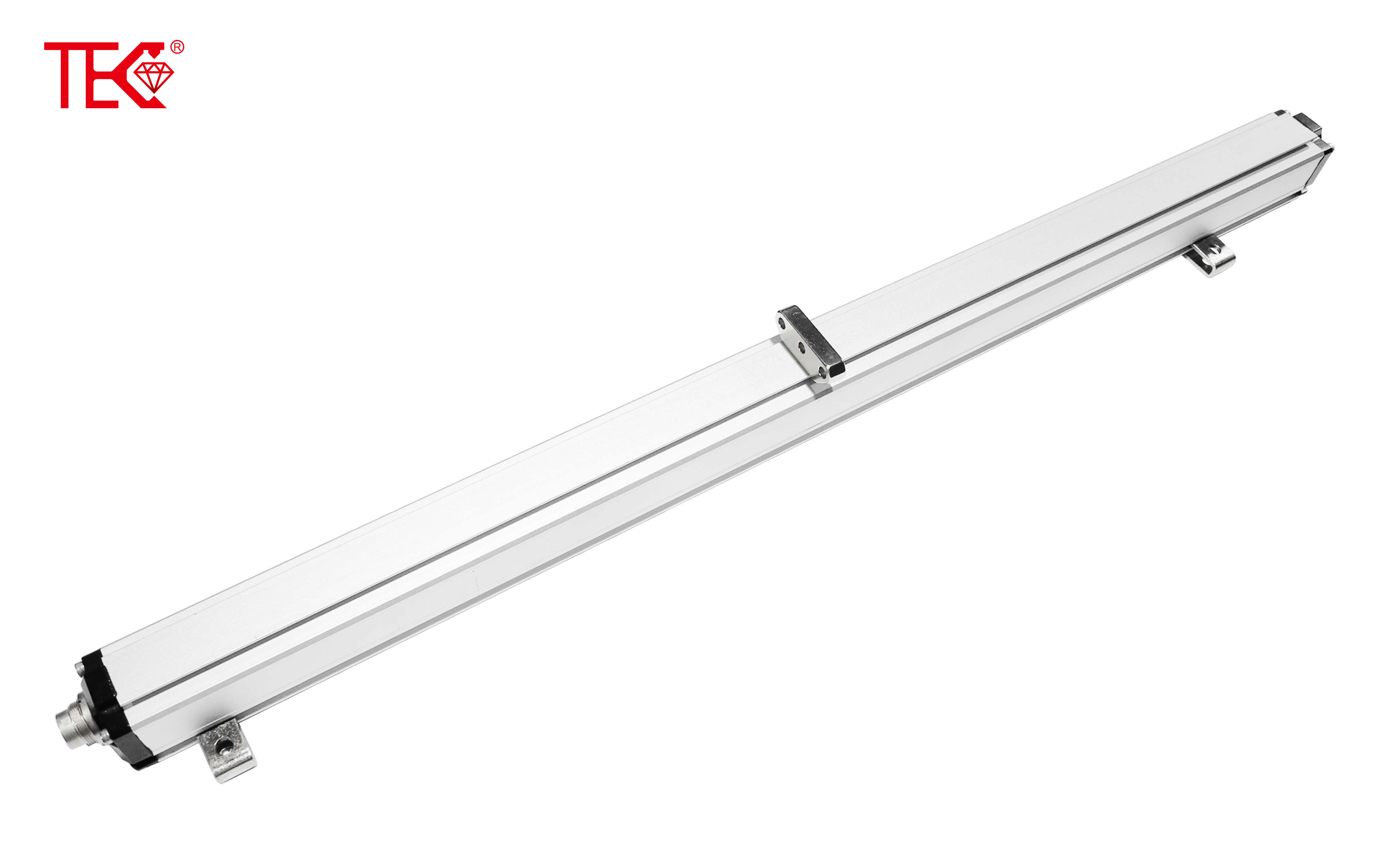
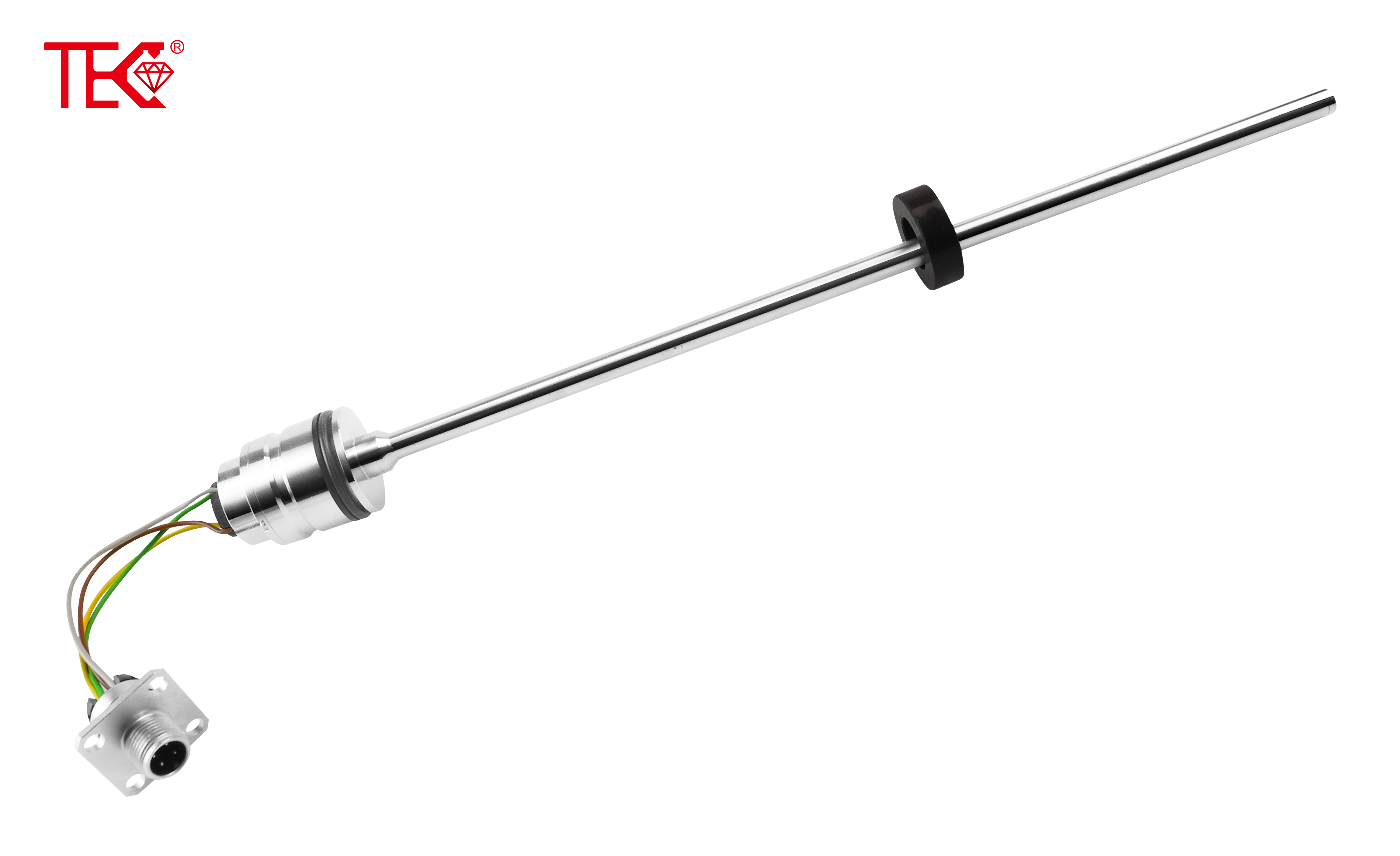 Crane and Trolley Positioning
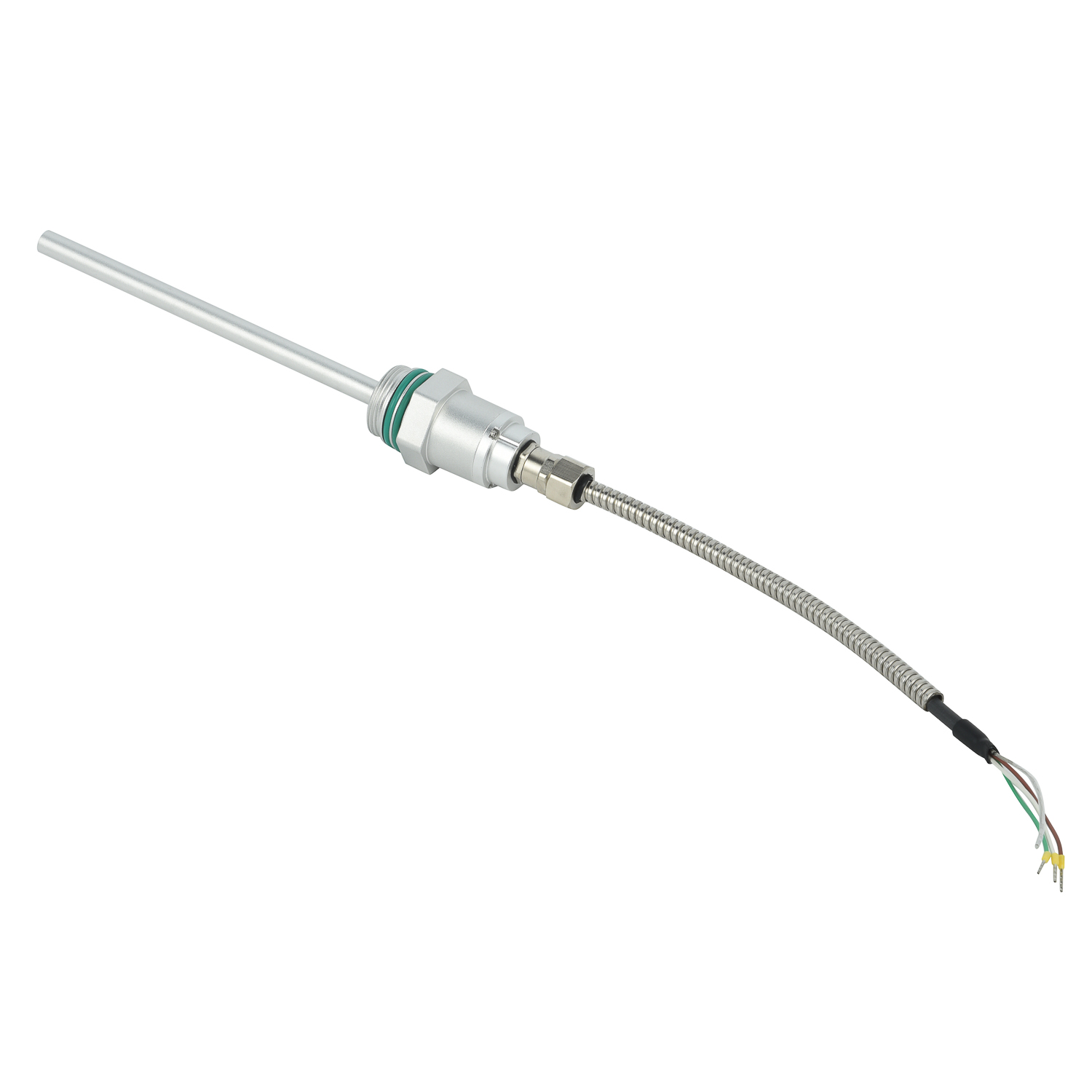 Crane and Trolley Positioning
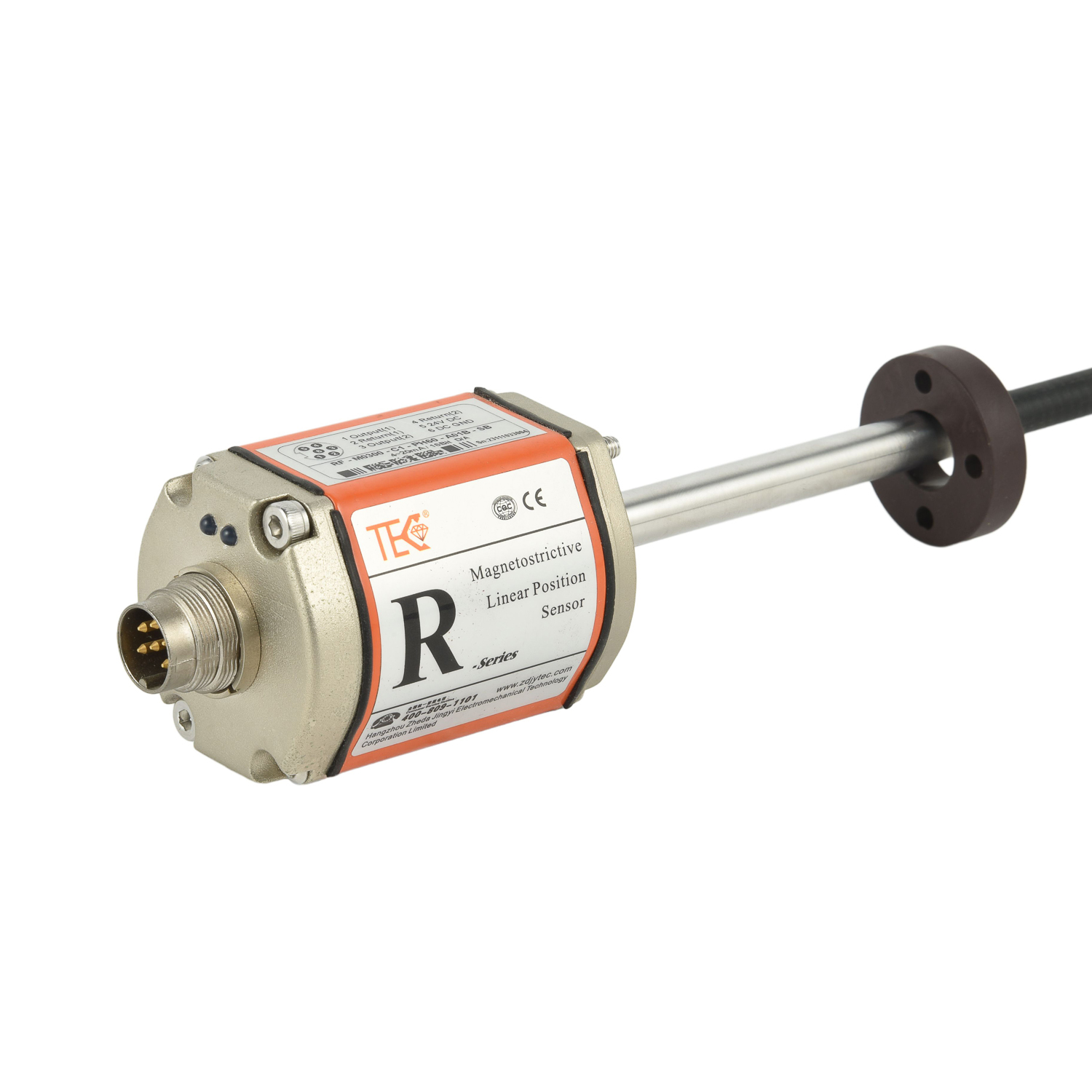 Crane and Trolley Positioning
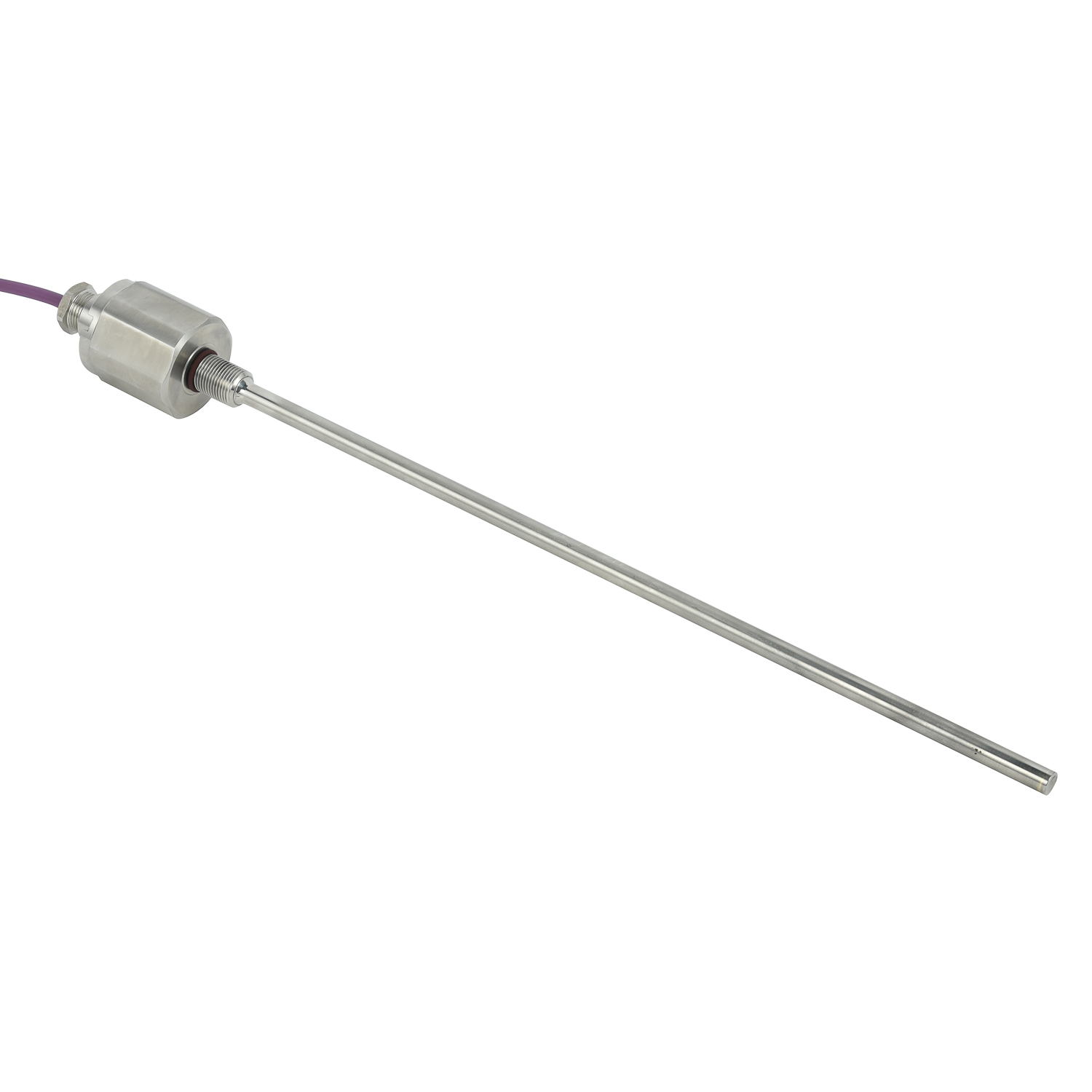 Crane and Trolley Positioning