
Crane and Trolley Positioning for Power Plant
Reliable crane and trolley positioning is essential in power plants, where heavy components must move through congested areas with minimal downtime. A coal handling crane, turbine hall hoist, or maintenance trolley cannot rely on operator judgment alone. Precise positioning protects equipment, reduces load sway, and supports safe automatic operation. It shortens maintenance windows and improves repeated material handling.
Modern systems combine encoders, laser distance sensors, limit switches, and PLC logic to calculate trolley and bridge coordinates in real time. Variable-frequency drives provide smooth acceleration and braking, while anti-sway algorithms compensate for cable length and load dynamics. This allows the hook to stop within millimeters of a target, even during repetitive handling cycles. Absolute positioning and reference markers prevent drift after power loss or long shifts.
In power plants, positioning accuracy also supports automated storage, inspection, and maintenance tasks. Integration with SCADA and plant control systems gives operators status data, fault alarms, and maintenance records. Redundant sensors and fail-safe brakes improve reliability in dusty, hot, and high-vibration environments. HMI screens can display trolley travel, bridge position, load weight, and fault codes for faster diagnosis.
Regular calibration, sensor cleaning, and drive tuning are vital. A well-designed positioning system keeps crane operations accurate, efficient, and safe over time.
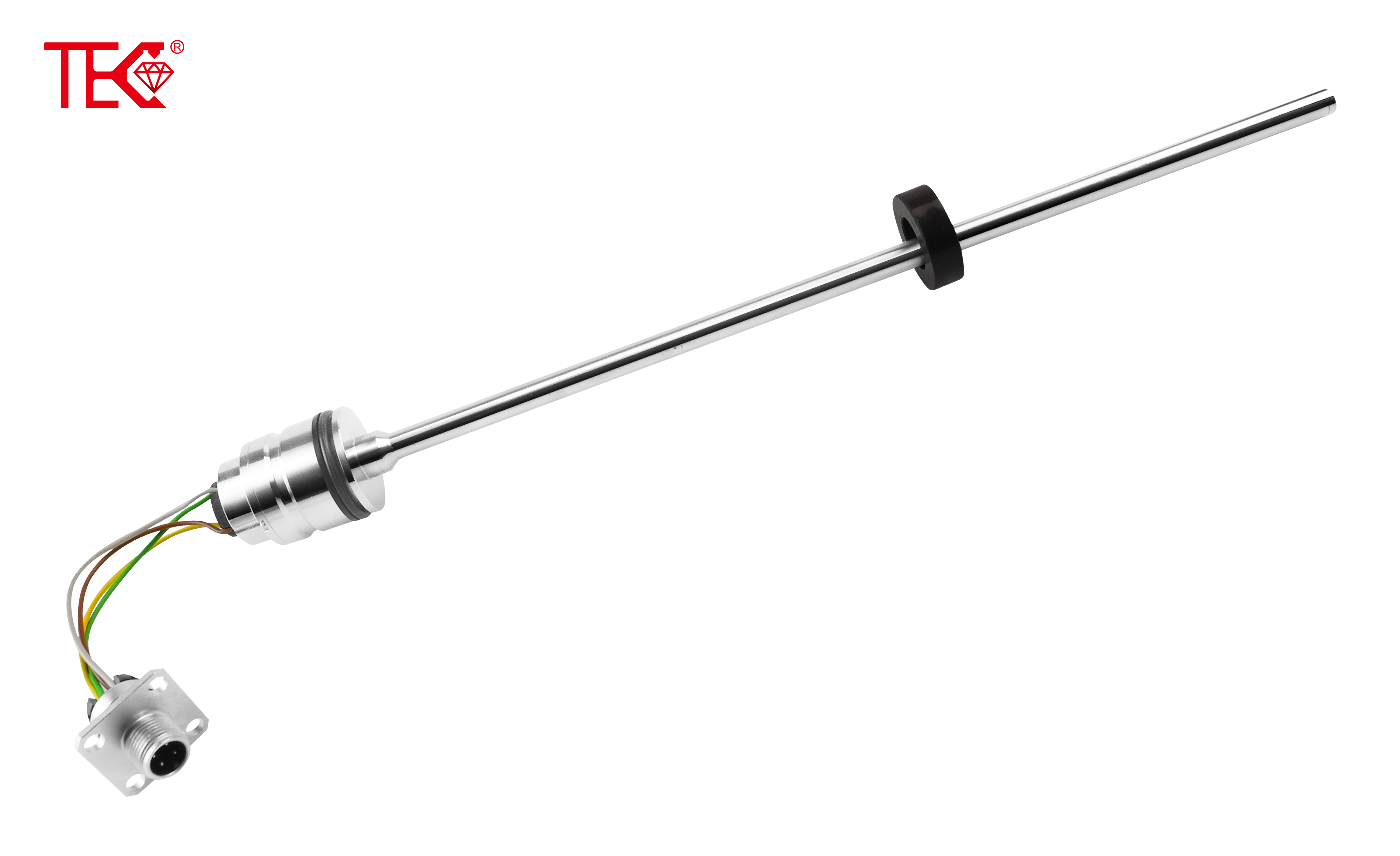
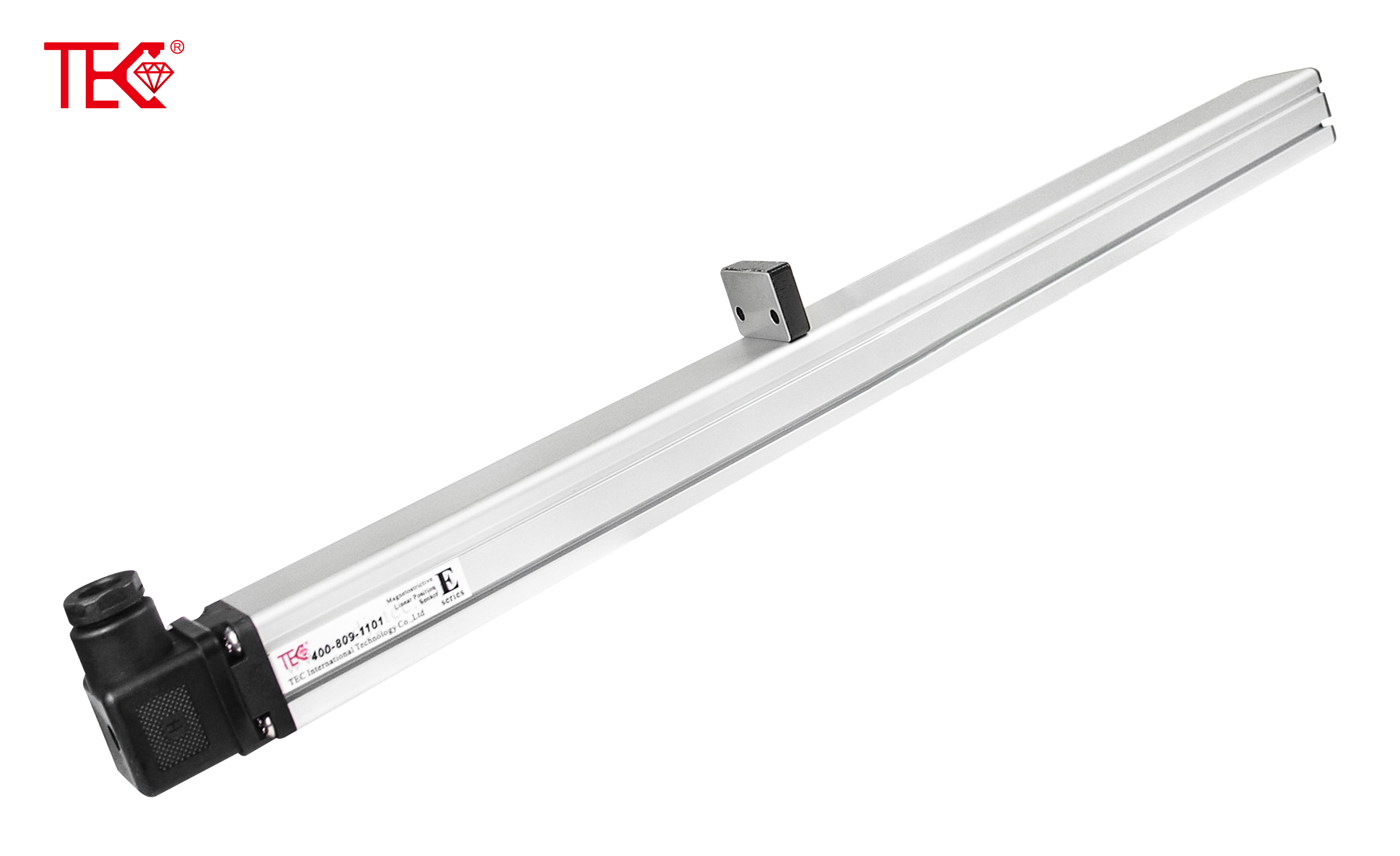 Crane and Trolley Positioning
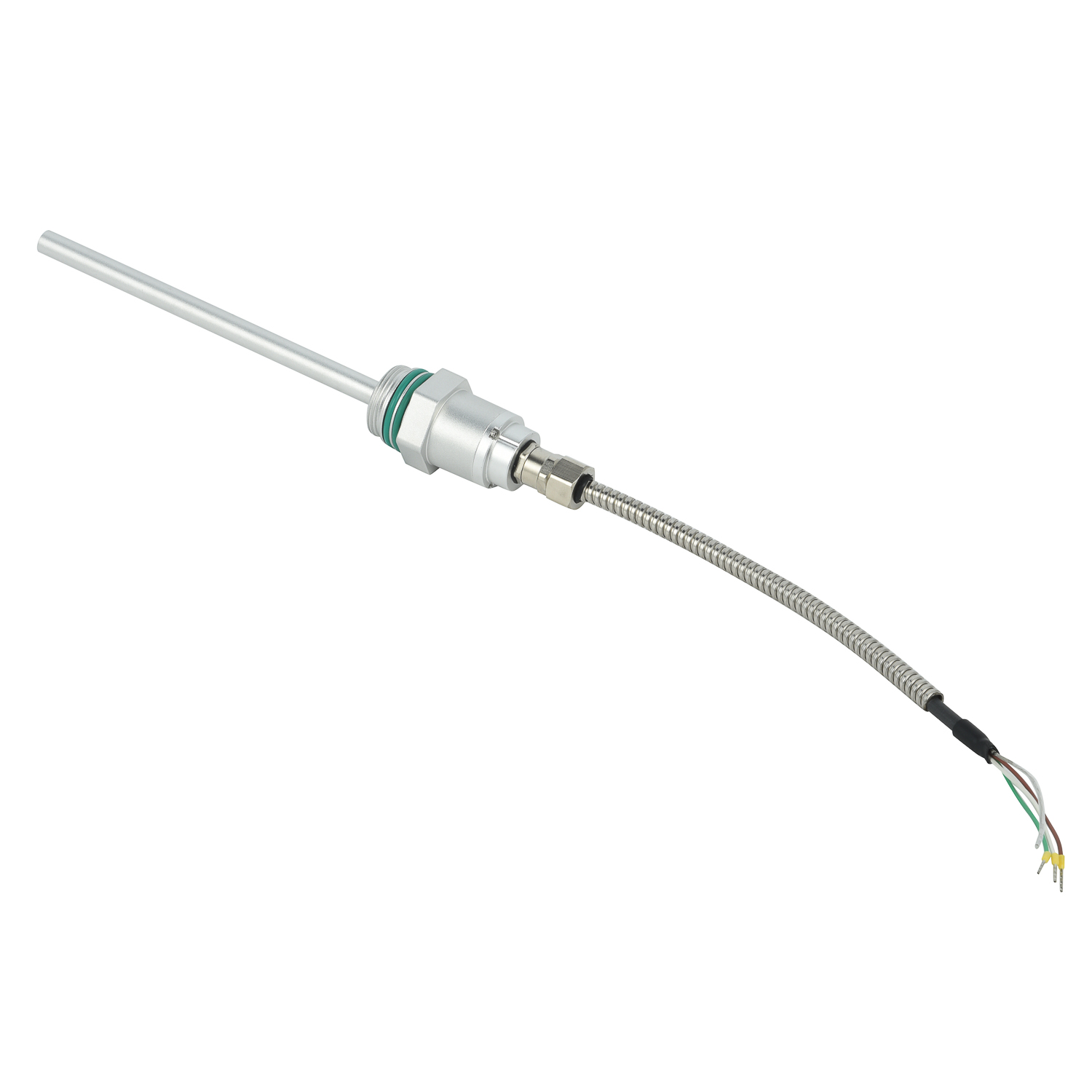 Crane and Trolley Positioning
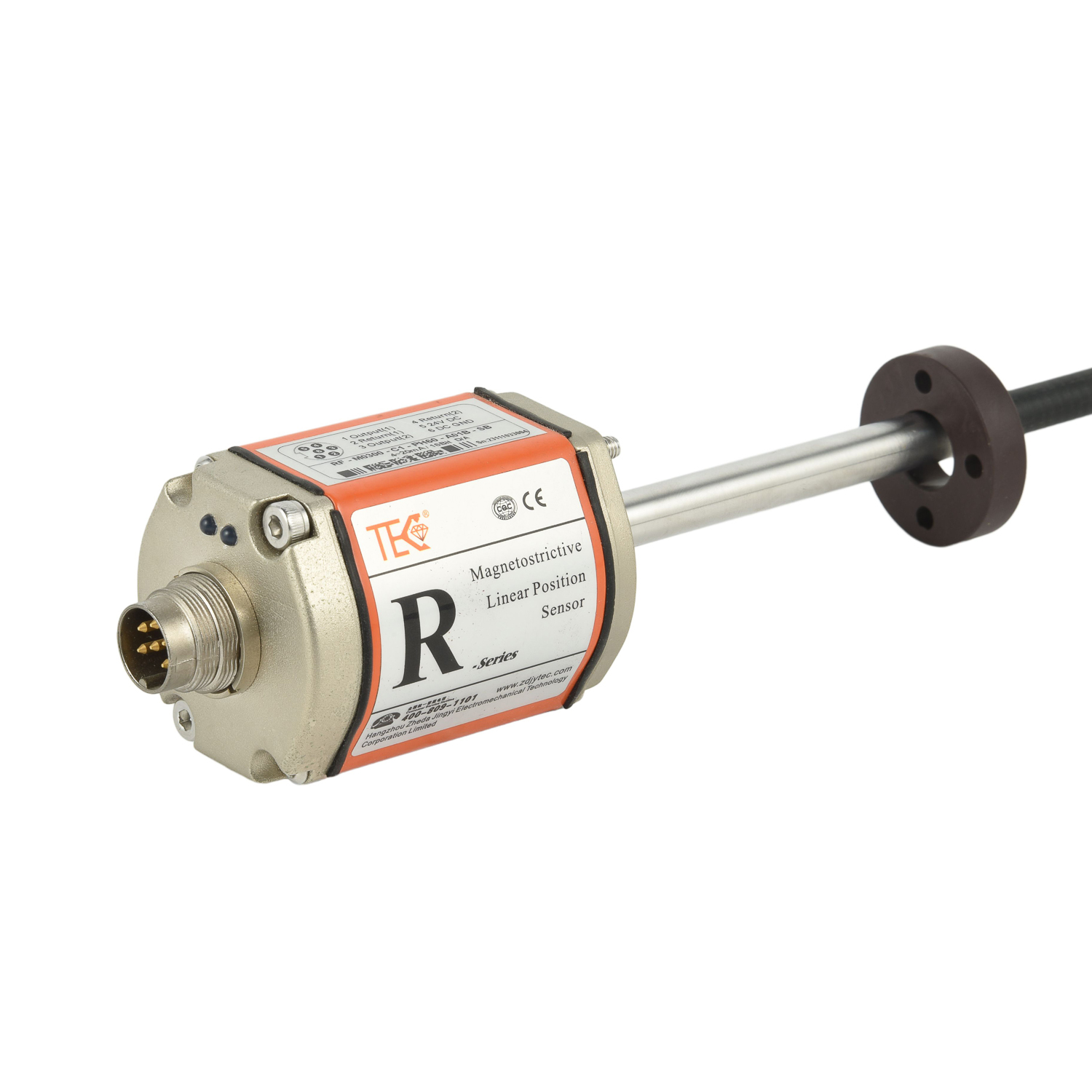 Crane and Trolley Positioning