
Crane and Trolley Positioning for Construction Machinery
Accurate crane and trolley positioning is essential for safe, productive construction machinery. On tower cranes, gantry systems, and material hoists, the trolley must stop at the correct radius while the hook stays stable under load. Modern systems combine encoders, limit switches, laser or GNSS-RTK references, and load sensors to calculate real-time position. A PLC or dedicated controller compares target and actual values, then commands the drives with smooth acceleration and braking. Anti-sway algorithms reduce load swing, protect workers, and shorten cycle times. Accurate positioning also prevents collisions with site structures and other cranes. In dusty, windy, and vibration-heavy jobsites, robust sensor mounting, regular calibration, and fail-safe diagnostics are critical. By integrating crane and trolley positioning with automation and safety interlocks, contractors achieve faster lifts, lower rework, and more reliable construction machinery operation. Operators select a target radius and hook height on the HMI, while the controller limits speed in restricted zones and compensates for wind and rope length. Feedback from absolute encoders and cameras helps verify trolley travel, rope payout, and load position even when visibility is poor. During commissioning, technicians map the jib, define safety envelopes, and test emergency stops, overload limits, and skew detection. Remote diagnostics and trend data support preventive maintenance, stable positioning accuracy, and fewer risks.
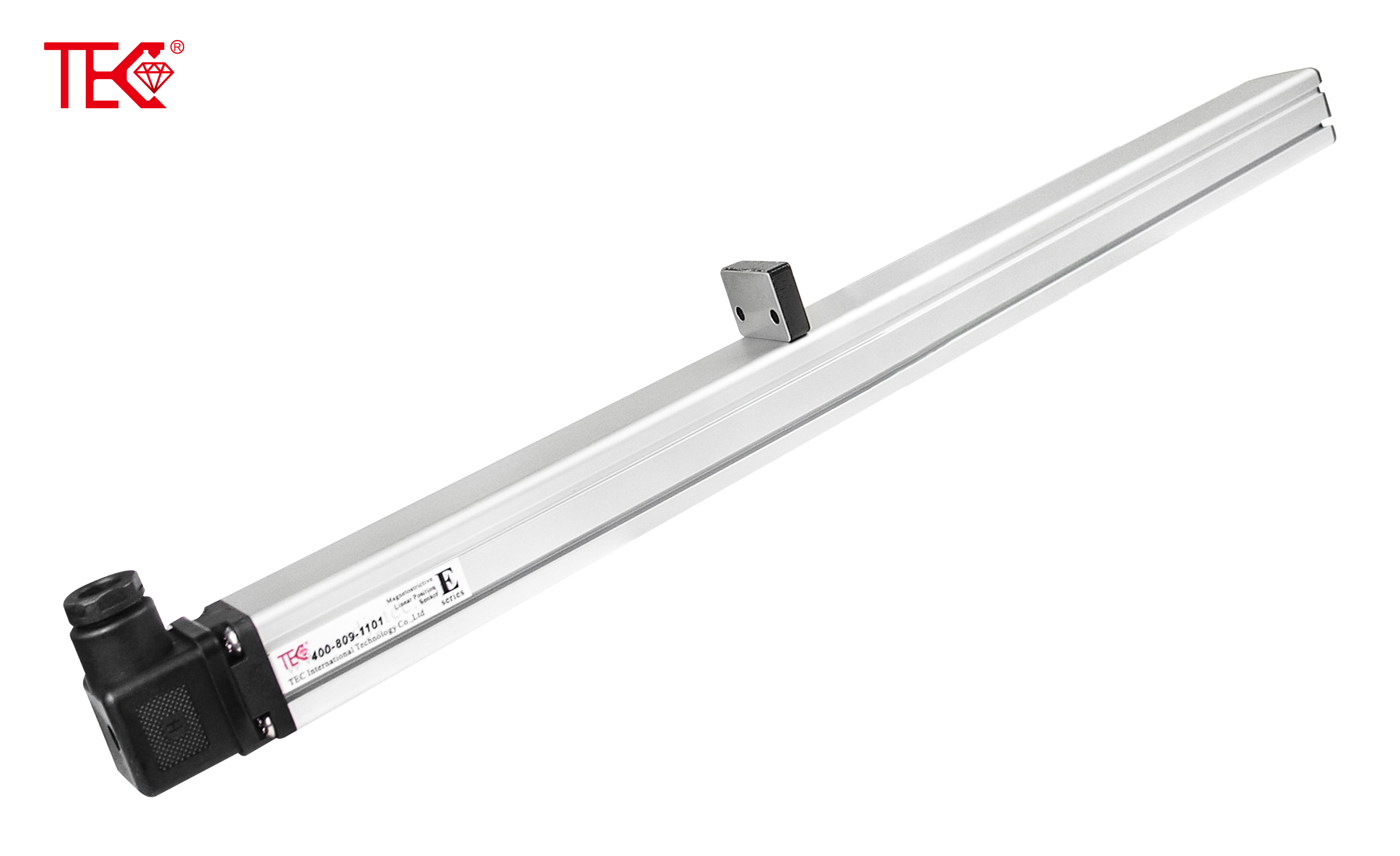 Crane and Trolley Positioning
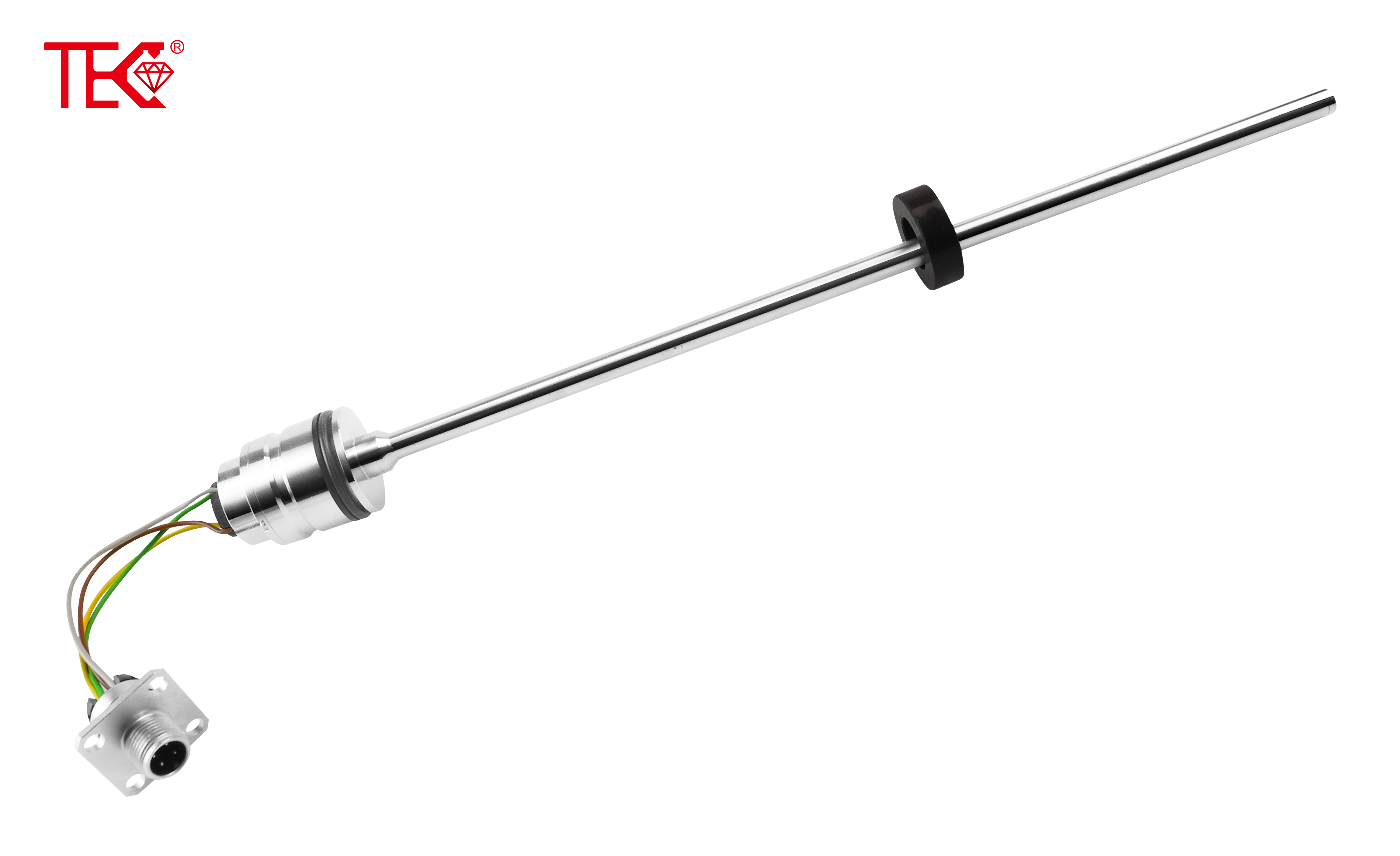 Crane and Trolley Positioning
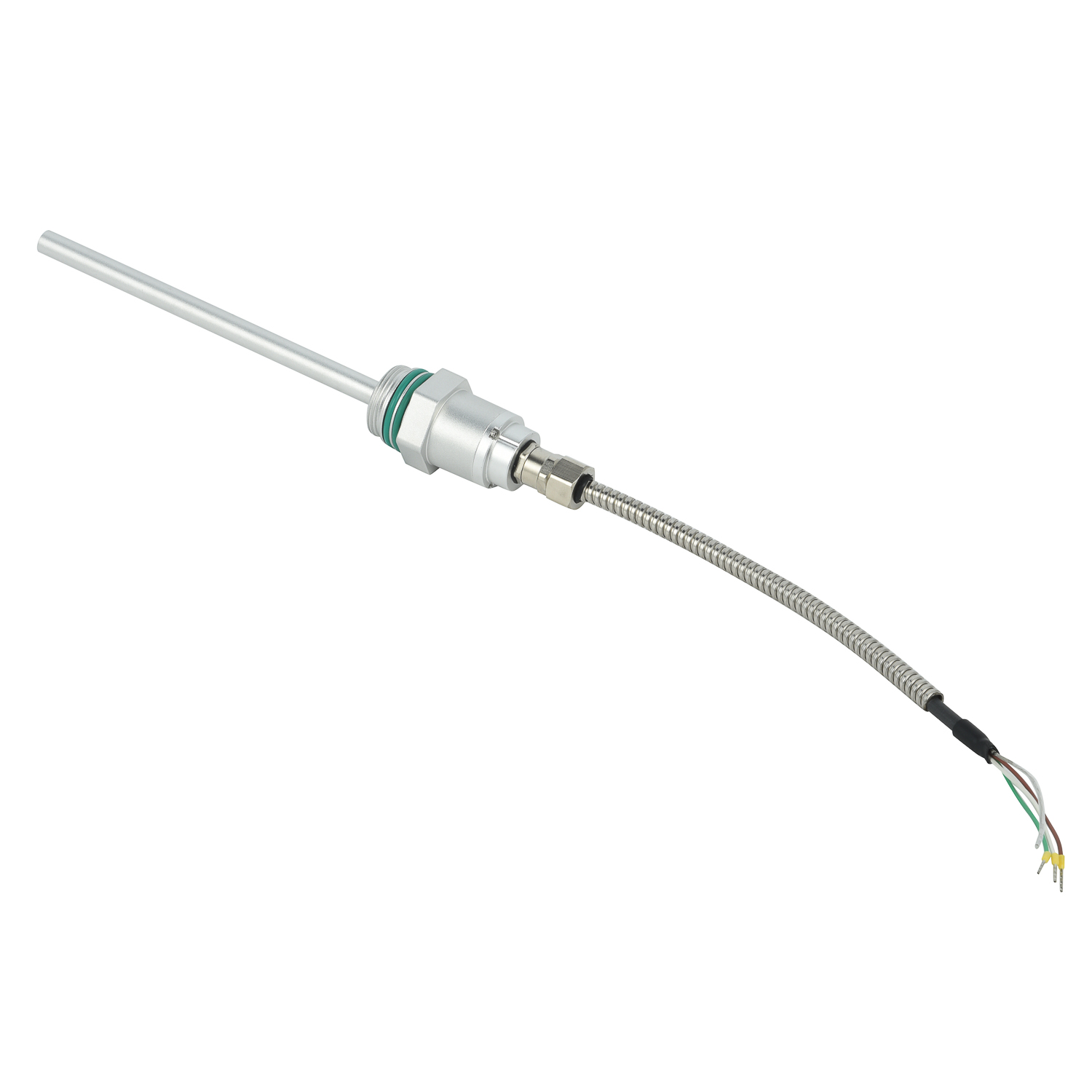 Crane and Trolley Positioning
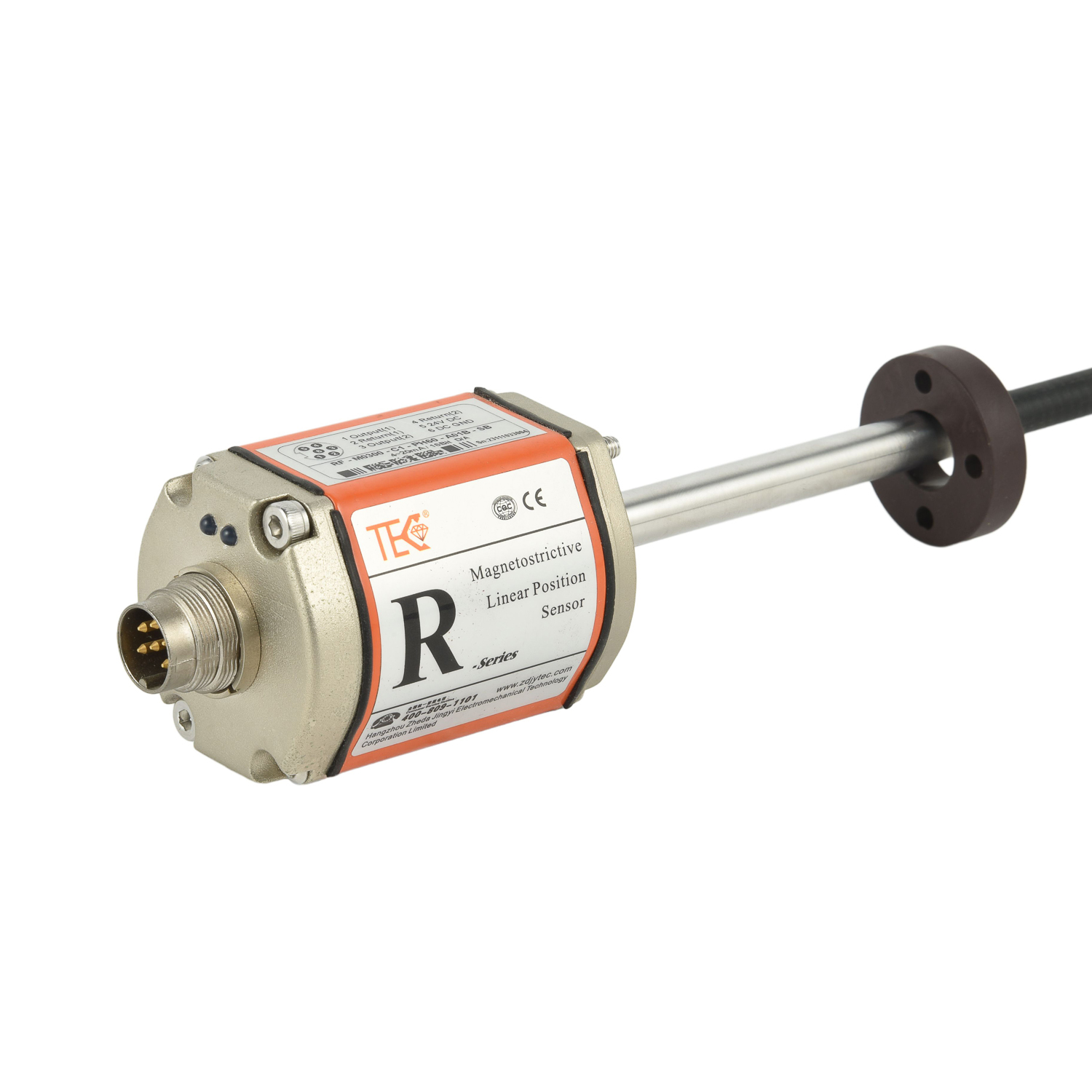 Crane and Trolley Positioning