
Crane and Trolley Positioning for Port
Crane and trolley positioning is a core technology for modern port automation. Accurate positioning helps quay cranes, yard cranes, and trolleys move containers safely and efficiently. In busy terminals, even small errors can cause delays, equipment damage, or safety risks. Advanced systems combine GNSS, real-time kinematic correction, LiDAR, machine vision, and inertial sensors to track crane and trolley movement in real time. These technologies provide reliable data in harsh coastal environments, where dust, rain, vibration, and metal structures can challenge conventional sensors. A robust positioning system supports automatic gantry travel, precise trolley control, container alignment, and anti-sway functions. It also enables collision avoidance between cranes, trucks, and workers. By integrating positioning data with terminal operating systems, ports can improve cycle times, reduce rework, and increase throughput. Operators gain better visibility for maintenance and incident analysis. For successful deployment, ports should plan sensor placement carefully, calibrate systems regularly, and use redundant data sources. Cybersecurity and stable communication networks are also essential. As ports move toward fully automated operations, reliable crane and trolley positioning will remain a foundation for safety, productivity, and smart terminal performance. Clear planning, strong commissioning, and regular key data checks help ports achieve stable results and a higher return on investment.
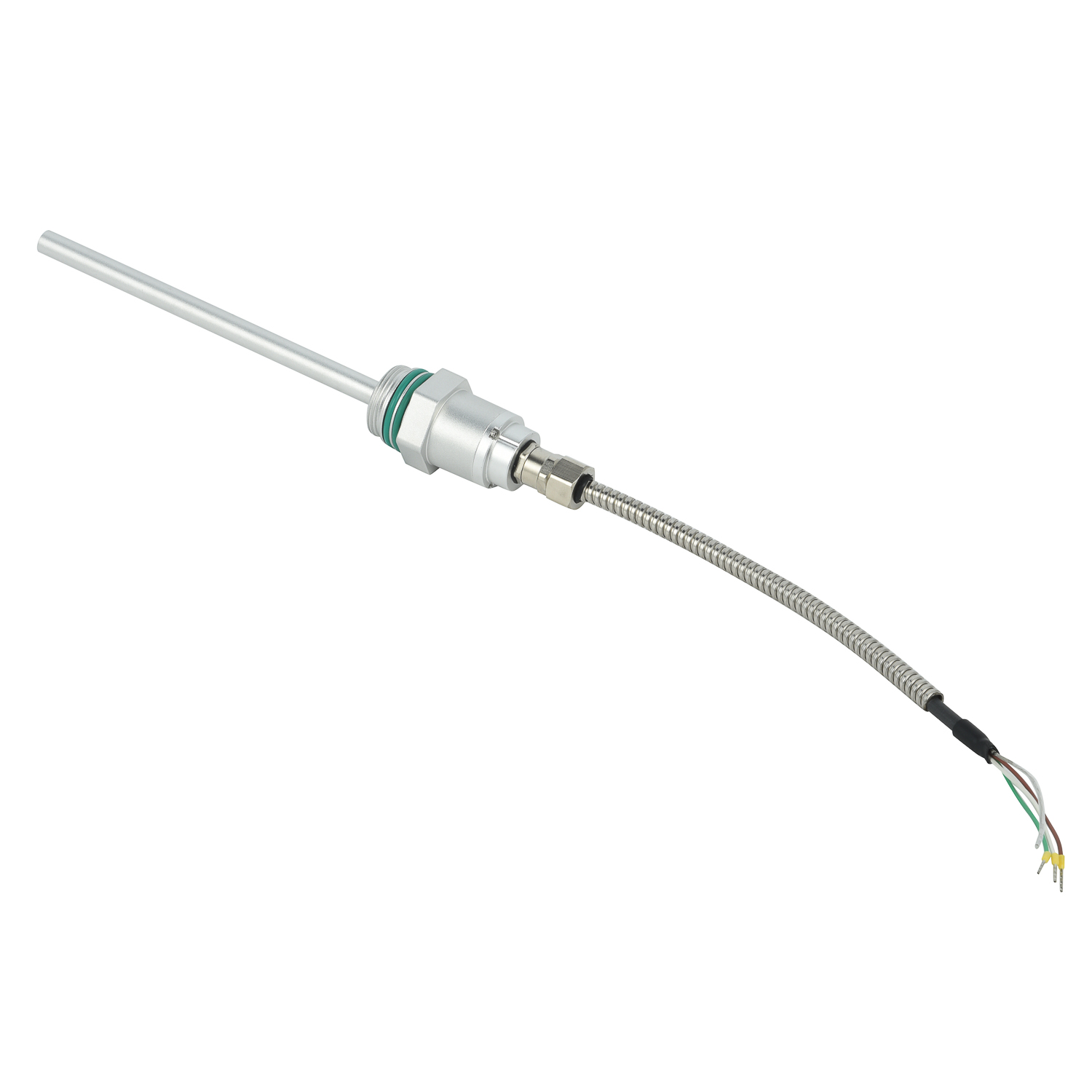 Crane and Trolley Positioning
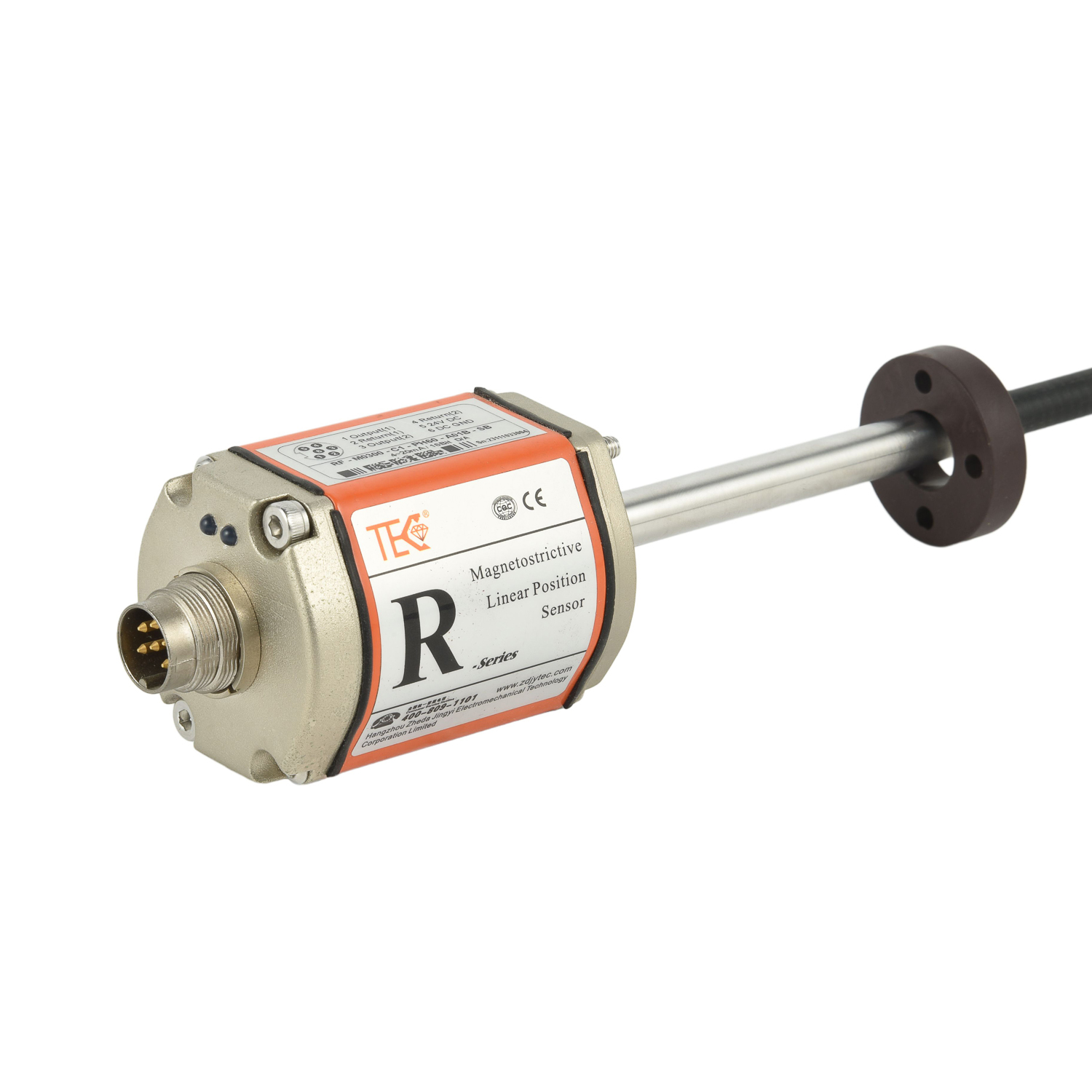 Crane and Trolley Positioning
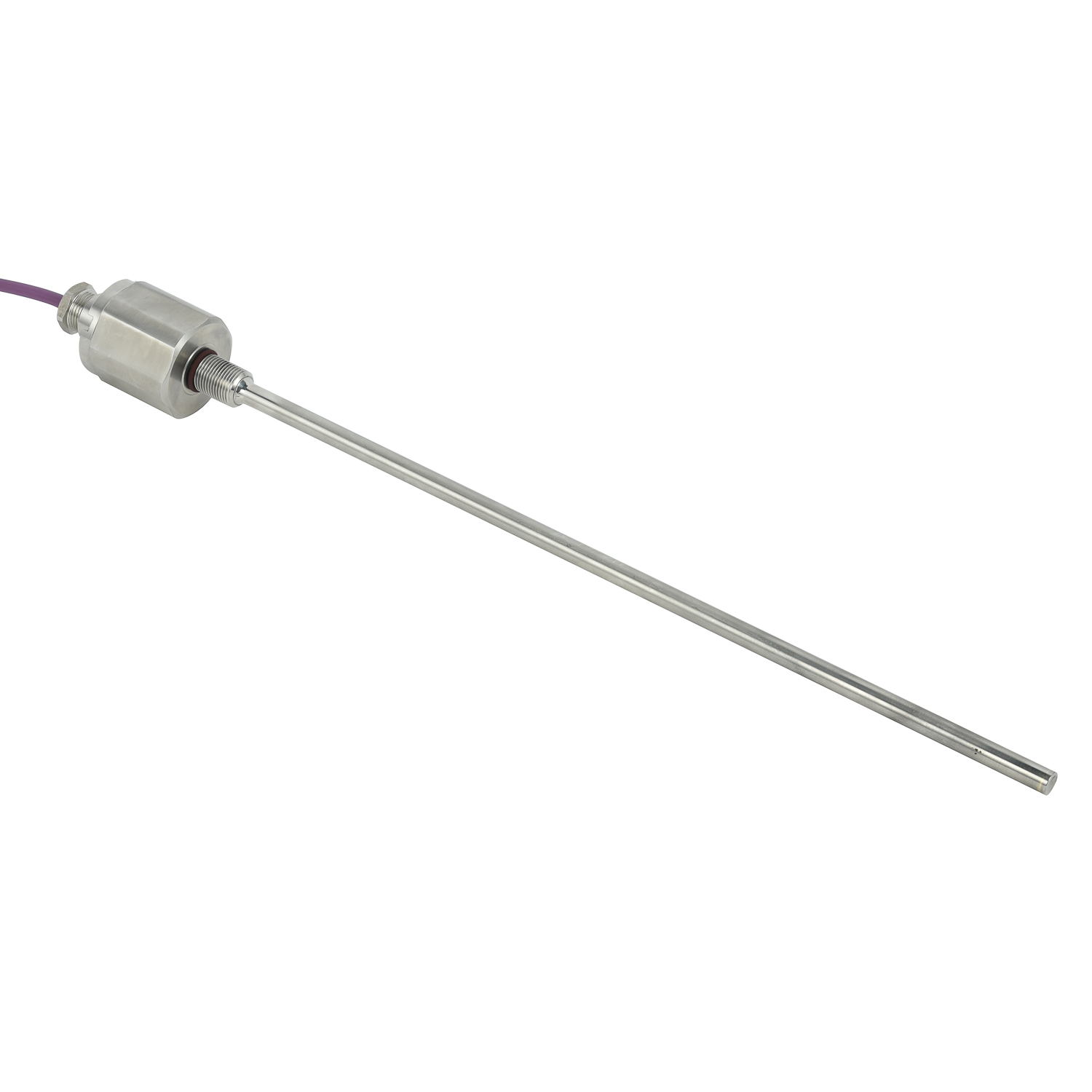 Crane and Trolley Positioning
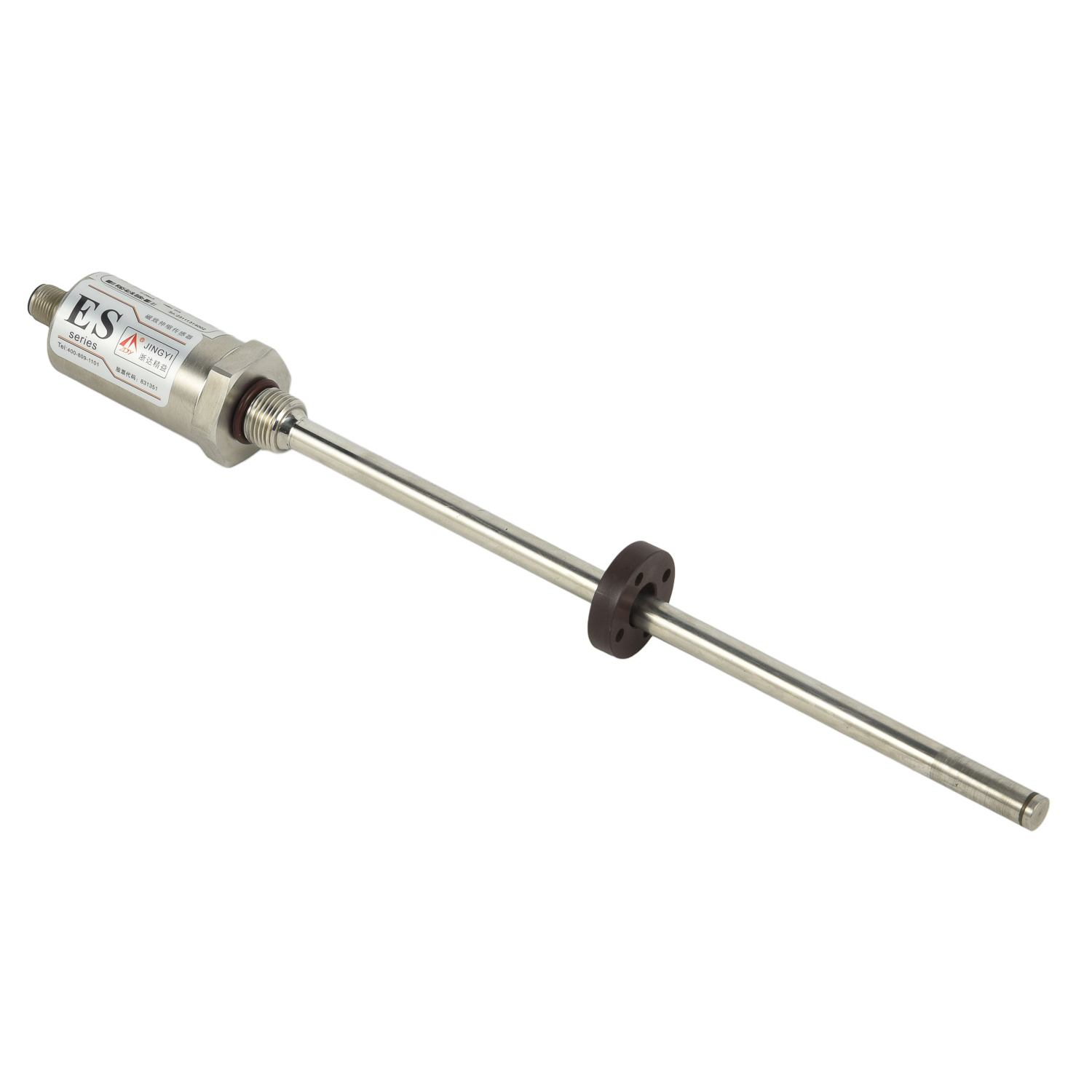 Crane and Trolley Positioning