
Working Principle of High-pressure Long-distance Positioning System
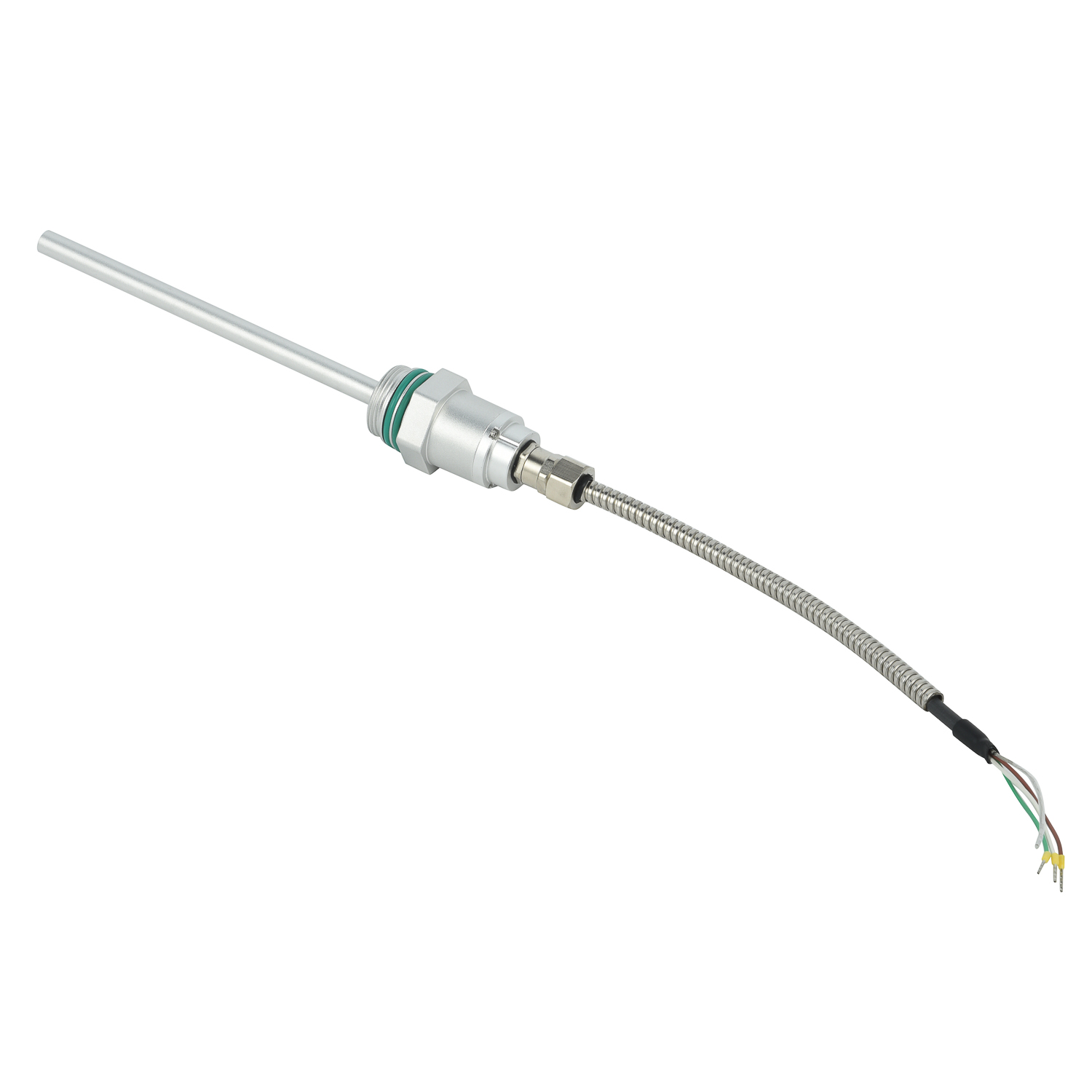
A high-pressure long-distance positioning system determines the real-time location of tools, pig trains, or equipment inside pipelines and pressure vessels where direct access is impossible. It combines a high-pressure-resistant sensor package, a long-distance signal link, and a surface computing unit. The sensor package measures a physical reference, magnetic field, acoustic pulse, pressure wave, or inertial motion, and converts it into a digital code. Because the target operates under high pressure, the housing uses thick alloy walls, sealed feedthroughs, and pressure-balanced electronics to protect the sensing element. The long-distance link transmits encoded pulses through the pipe wall, fluid, or a wired tether. Acoustic and electromagnetic methods are common: an acoustic transceiver emits timed pulses, while electromagnetic coils generate a low-frequency field detected by surface antennas. The surface unit records arrival time, signal strength, and phase differences from multiple receivers. Using time-of-flight, triangulation, or phase comparison, it calculates distance and direction. A processor filters noise, compensates for pressure and temperature effects, and fuses repeated measurements. The result is a stable position estimate displayed as depth, chainage, or coordinates. Calibration with known reference points improves accuracy. Thus, the system converts pressure-tolerant sensing and long-range signal timing into reliable positioning data for inspection and emergency operations.
 Crane and Trolley Positioning
 Crane and Trolley Positioning
 Crane and Trolley Positioning
 Crane and Trolley Positioning