
Technical Parameters of High-temperature Long-distance Positioning System
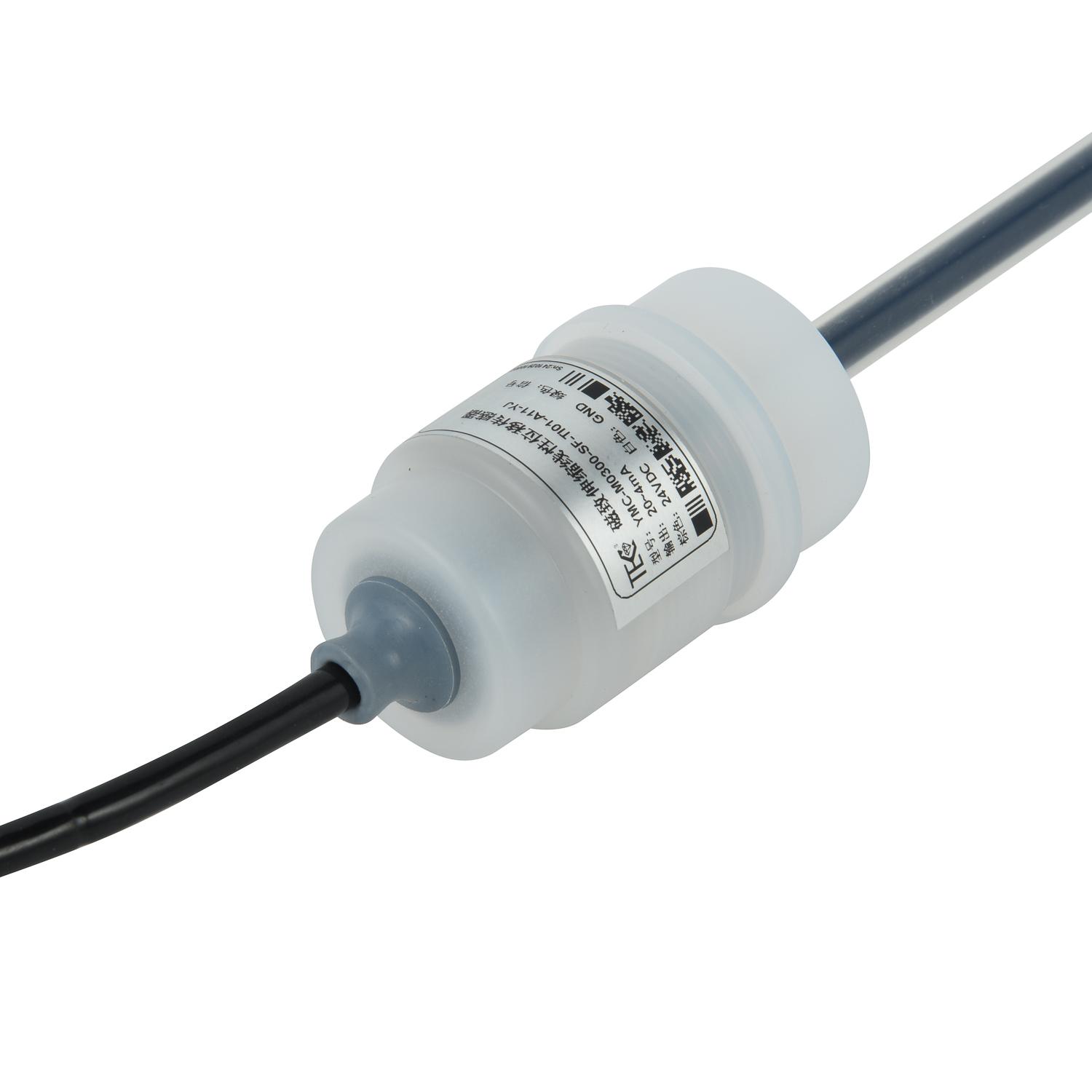
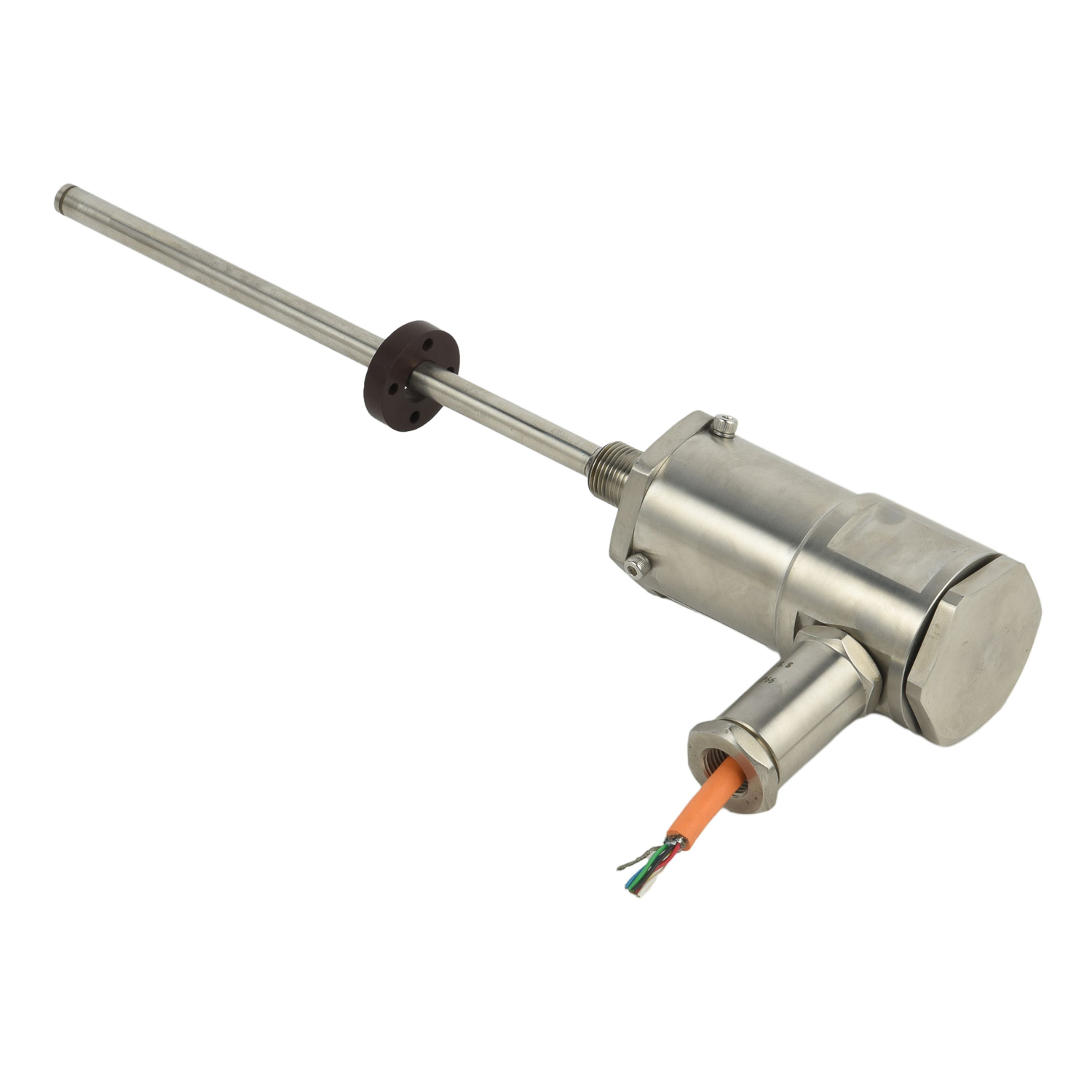
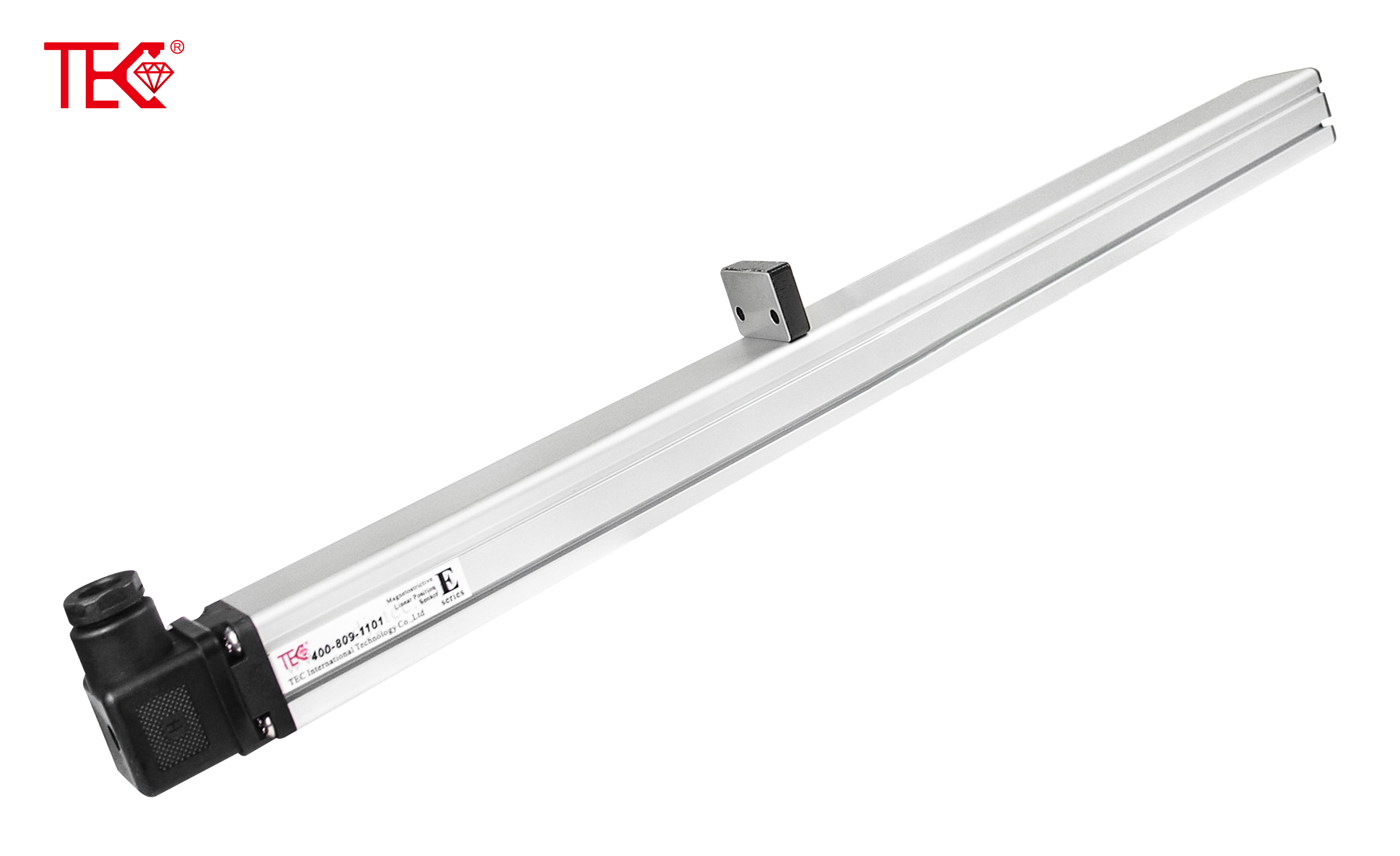
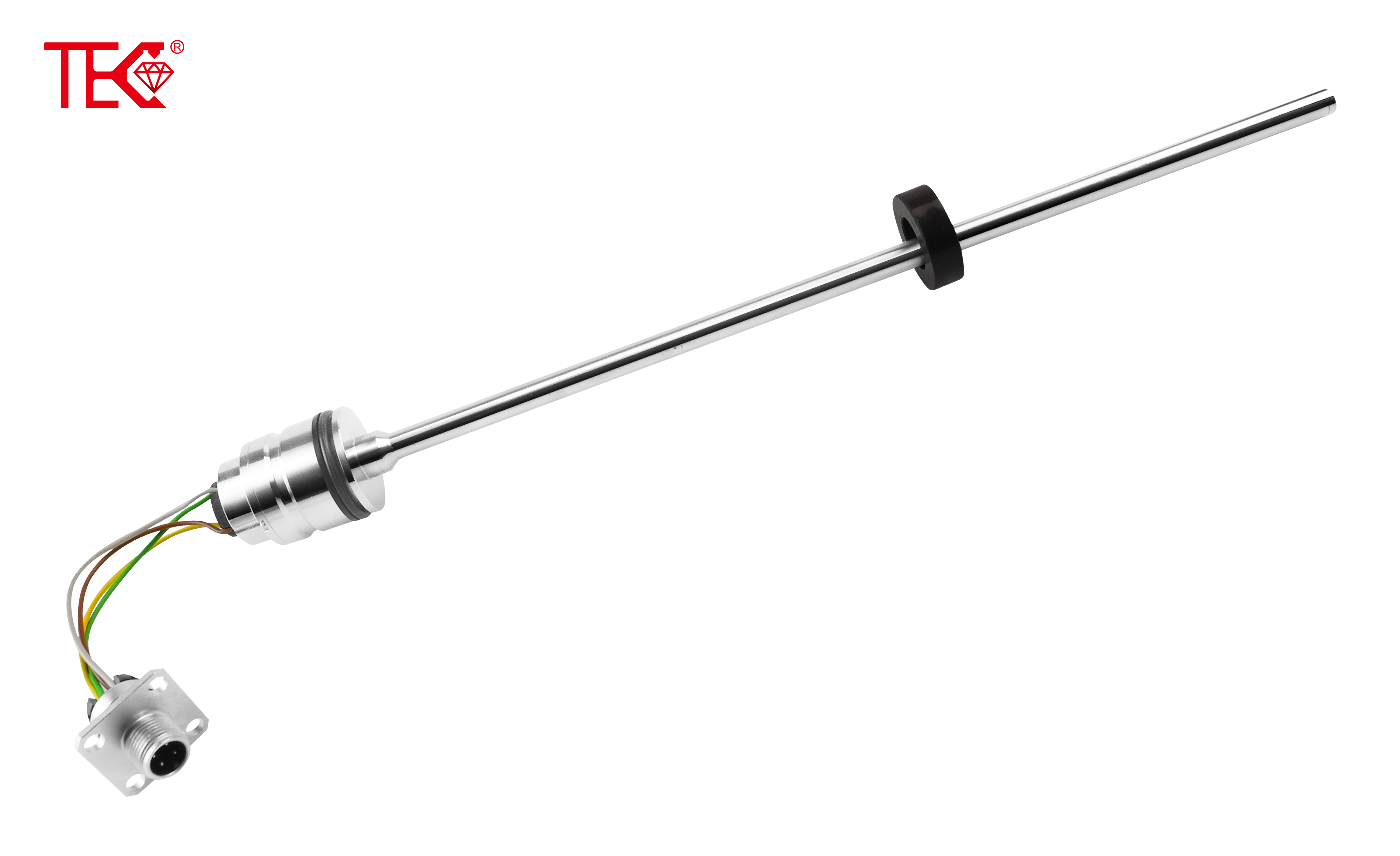
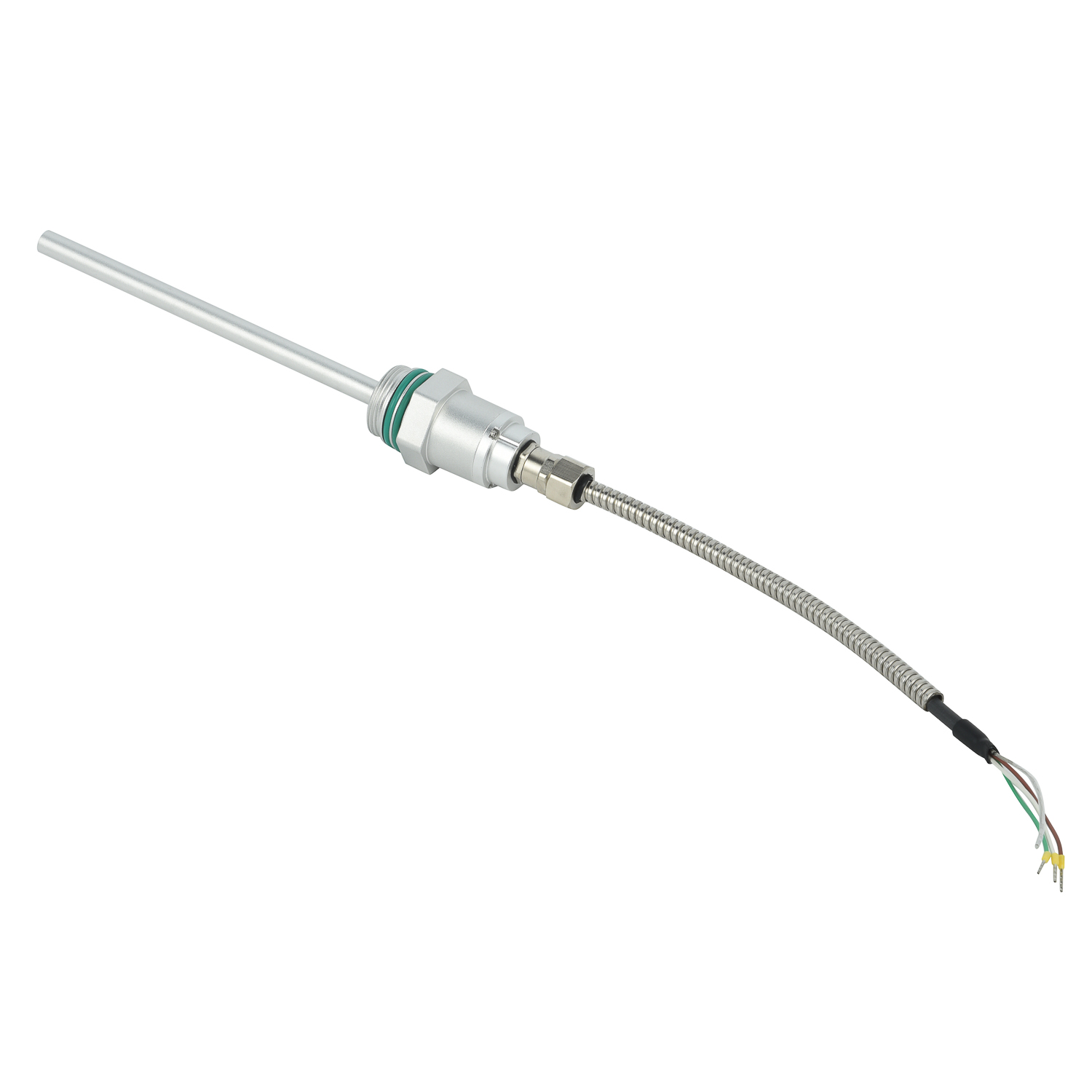
High-temperature long-distance positioning systems must balance thermal endurance, signal stability, and real-time accuracy. Key technical parameters include operating temperature, measurement range, positioning accuracy, update rate, latency, communication protocol, environmental protection, power consumption, and calibration stability. Industrial systems commonly support -40 to 200 degC, with specialized probes or passive tags rated to 300 degC or higher. Long-distance coverage may reach 100 m to 1,000 m in open areas, while confined plants often achieve 50 m to 300 m. Positioning accuracy typically ranges from +/-10 cm to +/-1 m, depending on technology and multipath conditions. Update rates of 1 Hz to 50 Hz support slow process tracking or fast material movement; latency should remain below 100 ms for control loops. UWB, RF, ultrasonic, and optical methods are selected by environment. High-temperature units require heat-resistant enclosures, shielded cabling, temperature compensation, and robust mounting. IP65 or IP67 protection resists dust and water, while surge protection and industrial EMC compliance improve reliability. Power designs should tolerate voltage fluctuation and minimize heat generation. Regular calibration and drift testing maintain accuracy over long duty cycles. When specifying a system, engineers should verify temperature range, range, accuracy, refresh rate, latency, interface compatibility, and certification for the actual site. Site trials are essential.
 Crane and Trolley Positioning
 Crane and Trolley Positioning
 Crane and Trolley Positioning
 Crane and Trolley Positioning