
Installation Method of Corrosion-resistant Long-distance Positioning System
Installing a corrosion-resistant long-distance positioning system requires a planned, site-specific approach. First, survey the route and mark anchor points, cable paths, and sensor stations. Select 316L stainless steel, FRP, or coated aluminum mounting brackets, and isolate dissimilar metals with dielectric pads to prevent galvanic corrosion. Mount the master station on a stable concrete foundation with drainage, then install slave beacons at intervals that maintain line of sight or reliable wireless coverage. Use UV-resistant, seawater-rated cable and sealed IP68 connectors. Route cables in protective conduit with drip loops, and secure all joints with stainless fasteners and anti-seize compound. Ground the system at one point to avoid ground loops, and bond exposed metal parts to the cathodic protection circuit if required. For long tunnels or pipelines, use redundant power and fiber-optic backbones, and label every connection for maintenance. After mechanical installation, verify alignment, torque values, insulation resistance, and signal strength. Commission the system with calibration runs, then record baseline data and enable remote diagnostics. In coastal or industrial sites, apply compatible protective coatings and inspect seals, brackets, and cable glands every six months. This installation method ensures accurate long-distance positioning, stable communication, and low maintenance in salt spray, humidity, and vibration.

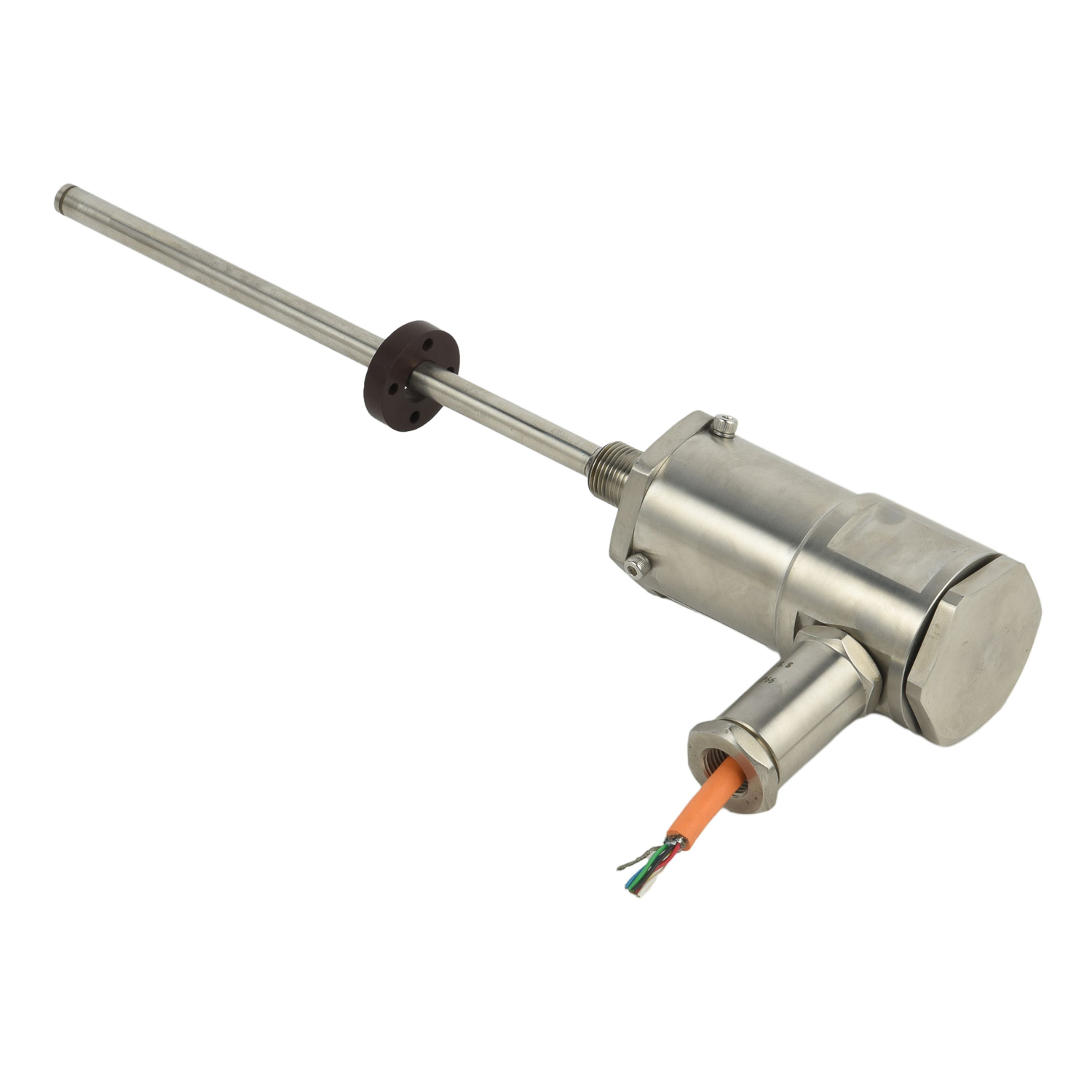 Crane and Trolley Positioning
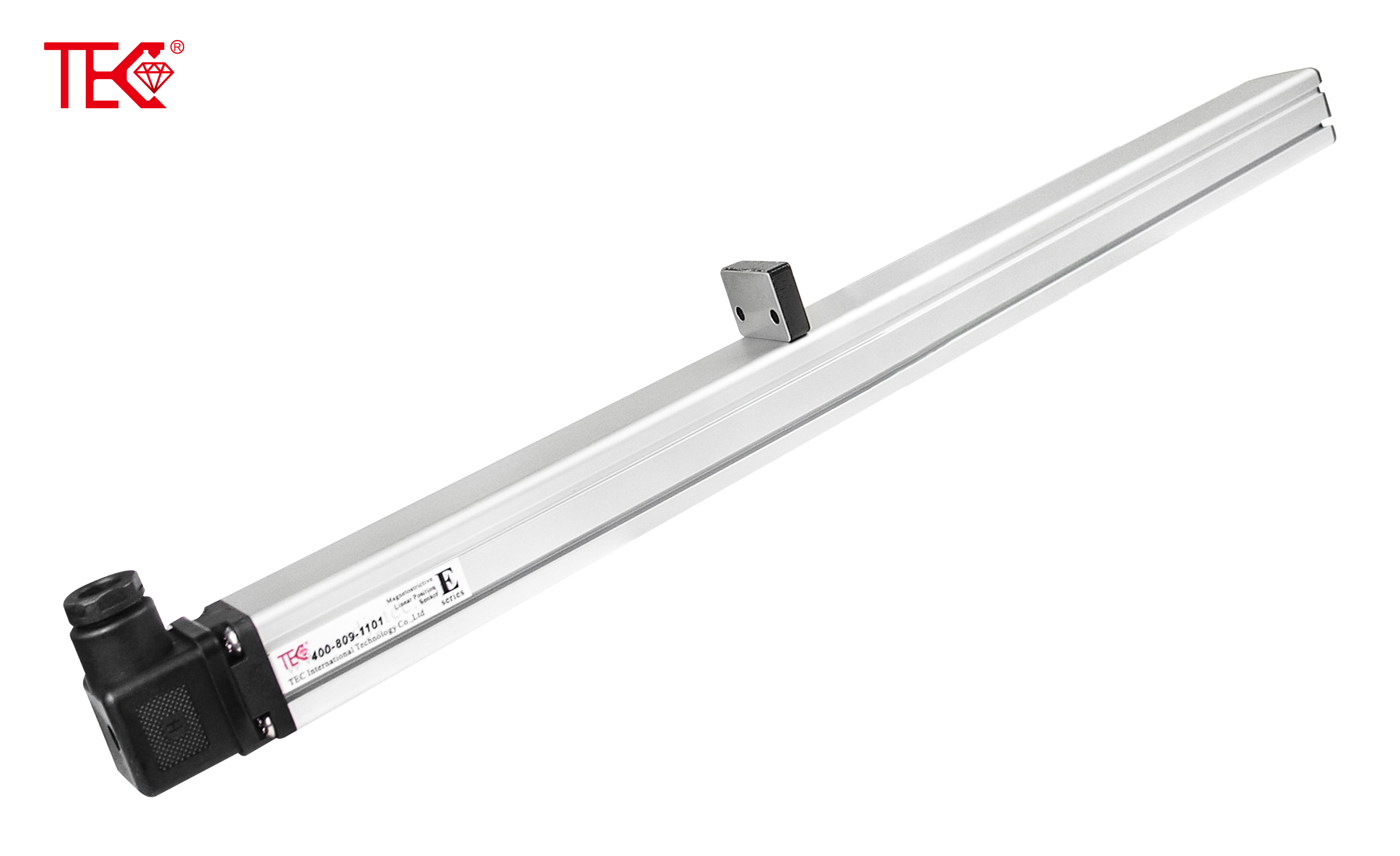 Crane and Trolley Positioning
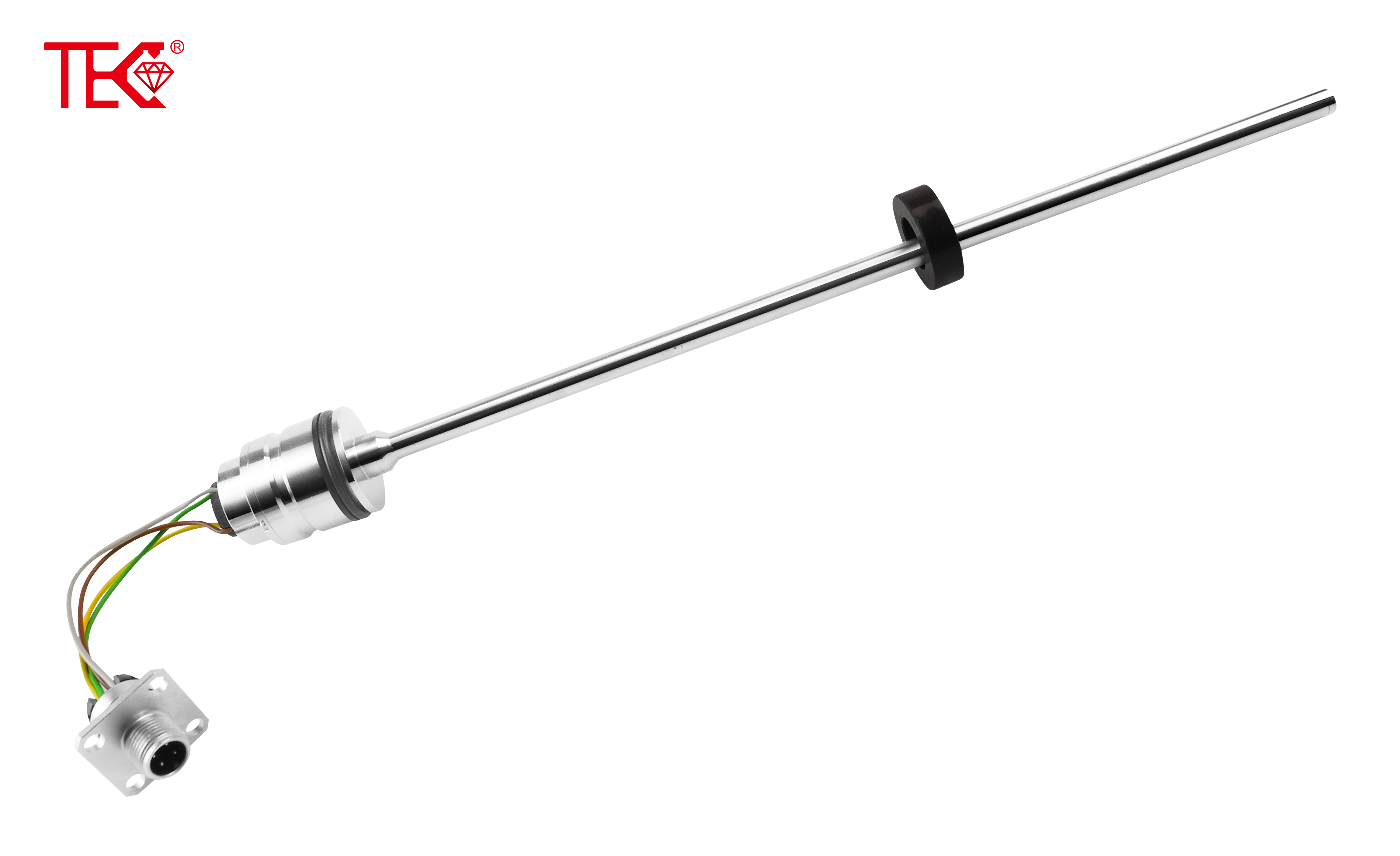 Crane and Trolley Positioning
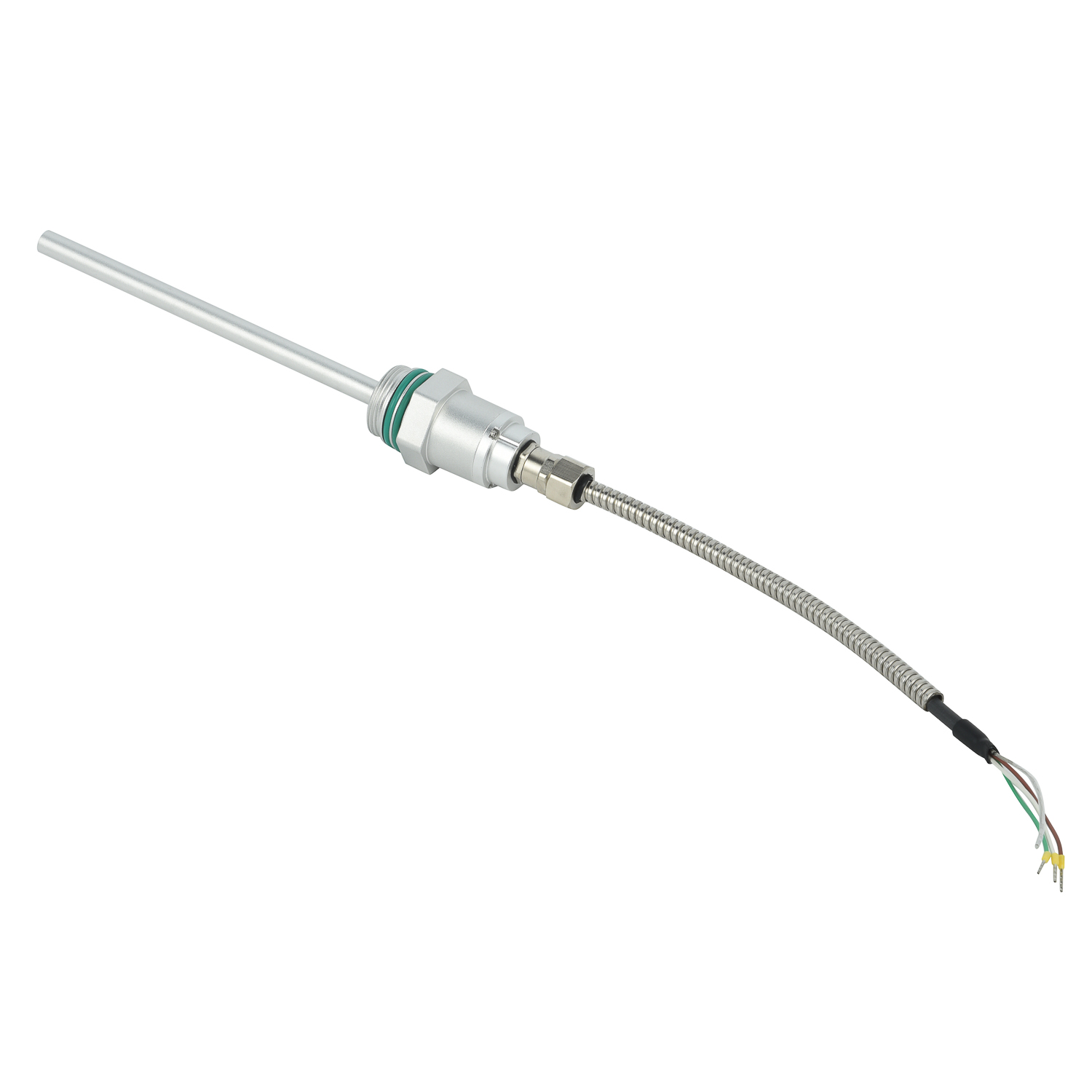 Crane and Trolley Positioning