
Troubleshooting Common Issues with Magnetostrictive Liquid Level Sensors?
**Troubleshooting Common Issues with Magnetostrictive Liquid Level Sensors**
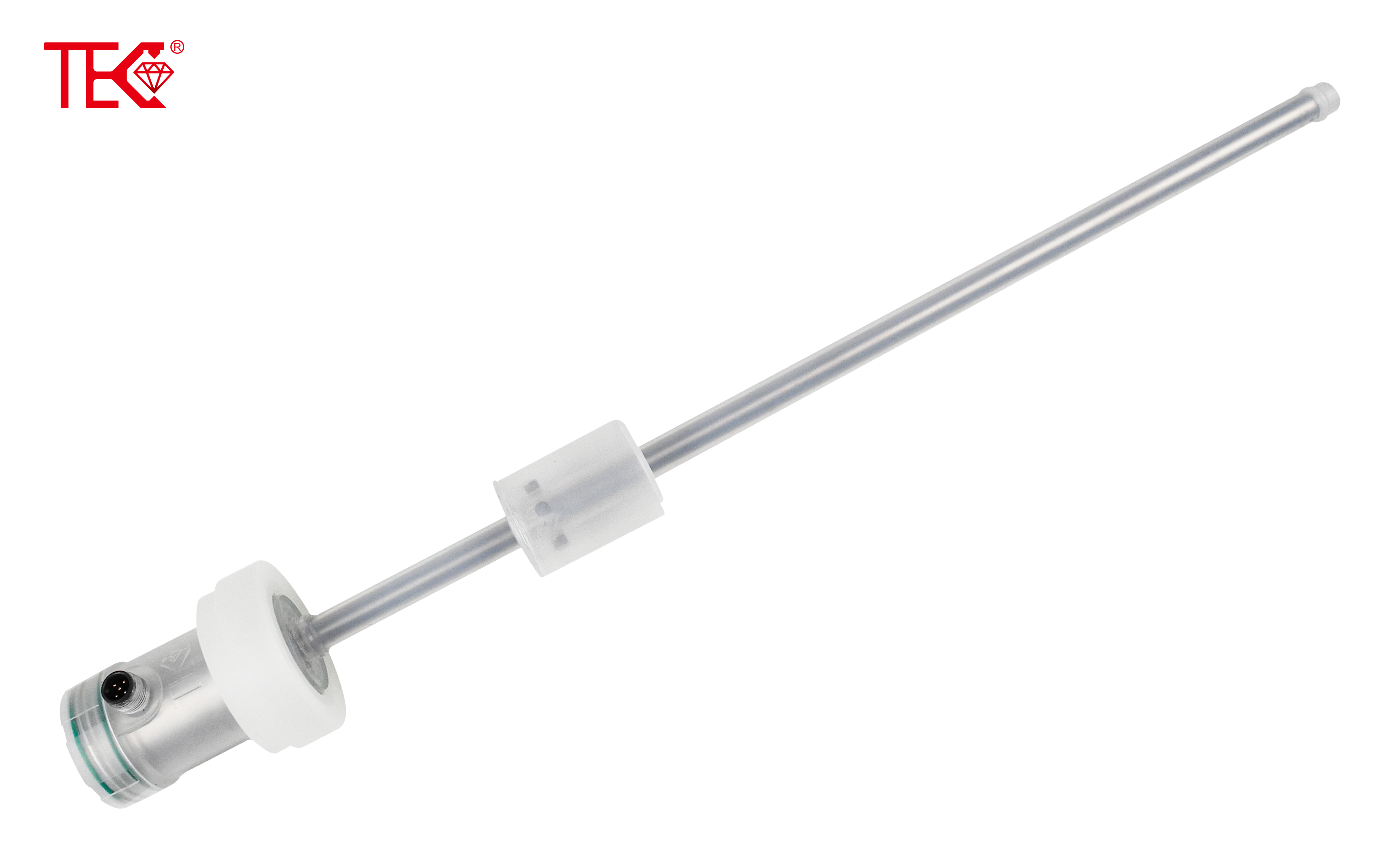
Magnetostrictive liquid level sensors are widely used in various industrial applications due to their high accuracy and reliability. However, like any other instrument, these sensors may encounter issues that require troubleshooting. This article aims to provide an overview of common issues and their corresponding solutions.
**Common Issues and Solutions**
**1. Inaccurate Readings**
Inaccurate readings are often caused by dirt or debris accumulating on the sensor's probe. To resolve this, regularly clean the probe using a soft cloth and a suitable solvent. Additionally, ensure the probe is properly aligned with the liquid level.
**2. Signal Loss**
Signal loss can occur due to faulty wiring or connectors. Inspect the wiring and connectors for any signs of damage or loosening. Replace any damaged components and ensure all connections are tight.
**3. Interference**
Electromagnetic interference from nearby equipment can affect the sensor's performance. To minimize interference, install the sensor away from sources of electromagnetic noise and use shielded cables.
**4. Temperature Fluctuations**
Extreme temperature fluctuations can cause the sensor to malfunction. Ensure the sensor is operated within its specified temperature range. If necessary, install a temperature stabilizer to maintain a constant temperature.
**5. Calibration Drift**
Over time, the sensor's calibration may drift due to wear and tear. Regularly recalibrate the sensor using the manufacturer's recommended procedure to ensure accurate readings.
**Preventive Measures**
To prevent common issues with magnetostrictive liquid level sensors, follow these preventive measures:
* Regularly clean and inspect the sensor's probe.
* Ensure proper installation and alignment of the sensor.
* Install the sensor away from sources of electromagnetic interference.
* Maintain a constant temperature around the sensor.
* Regularly recalibrate the sensor using the manufacturer's recommended procedure.
**Conclusion**
Troubleshooting common issues with magnetostrictive liquid level sensors requires a systematic approach. By identifying the root cause of the problem and applying the appropriate solution, you can restore the sensor's performance and ensure accurate readings. Remember to follow preventive measures to minimize the occurrence of these issues in the future.
 Model and Specification of Rad
 Import Substitute Radar Sensor
 Installation Method of Radar S
 Working Principle of Radar Sen