
Field Application of Rod-type Linear Displacement Sensor
Rod-type linear displacement sensors are rugged feedback devices used where precise, continuous position measurement is required in harsh field conditions. Their stainless-steel probe and sealed housing resist dust, moisture, vibration, and pressure, making them suitable for hydraulic cylinders, mobile machinery, injection molding equipment, and structural monitoring. In a typical installation, the sensor rod is mounted along the movement axis, while the electronics convert displacement into an analog or digital signal for PLCs and controllers. Field engineers value the design because it offers high repeatability, long stroke lengths, and easy integration. Regular zero-point checks, cable protection, and alignment verification help maintain accuracy. In agriculture and construction, these sensors monitor boom position, steering angle, and cylinder extension, improving automation and safety. In industrial presses, they provide closed-loop control for stroke and force. For outdoor applications, IP-rated connectors and shielded cables reduce electromagnetic interference and water ingress. Proper mounting avoids side loads that can bend the rod or accelerate wear. They also operate over wide temperature ranges and tolerate pressure up to hundreds of bar in cylinder-integrated versions. When paired with condition monitoring, rod-type sensors support predictive maintenance by detecting drift, sticking, or abnormal vibration. Overall, their robust construction and reliable performance make them a practical choice for field-based position feedback across demanding industries.
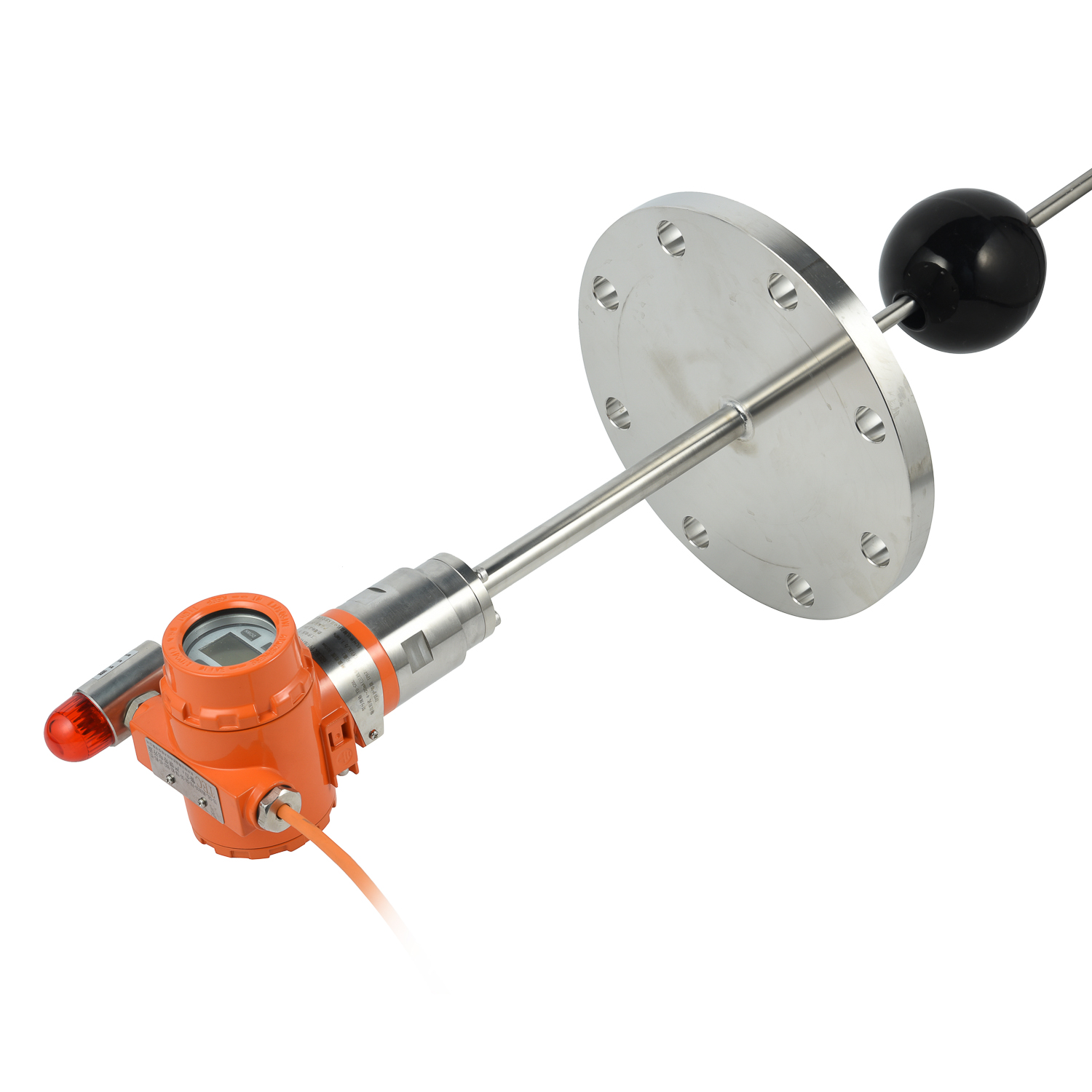 Field Application of Rod-type
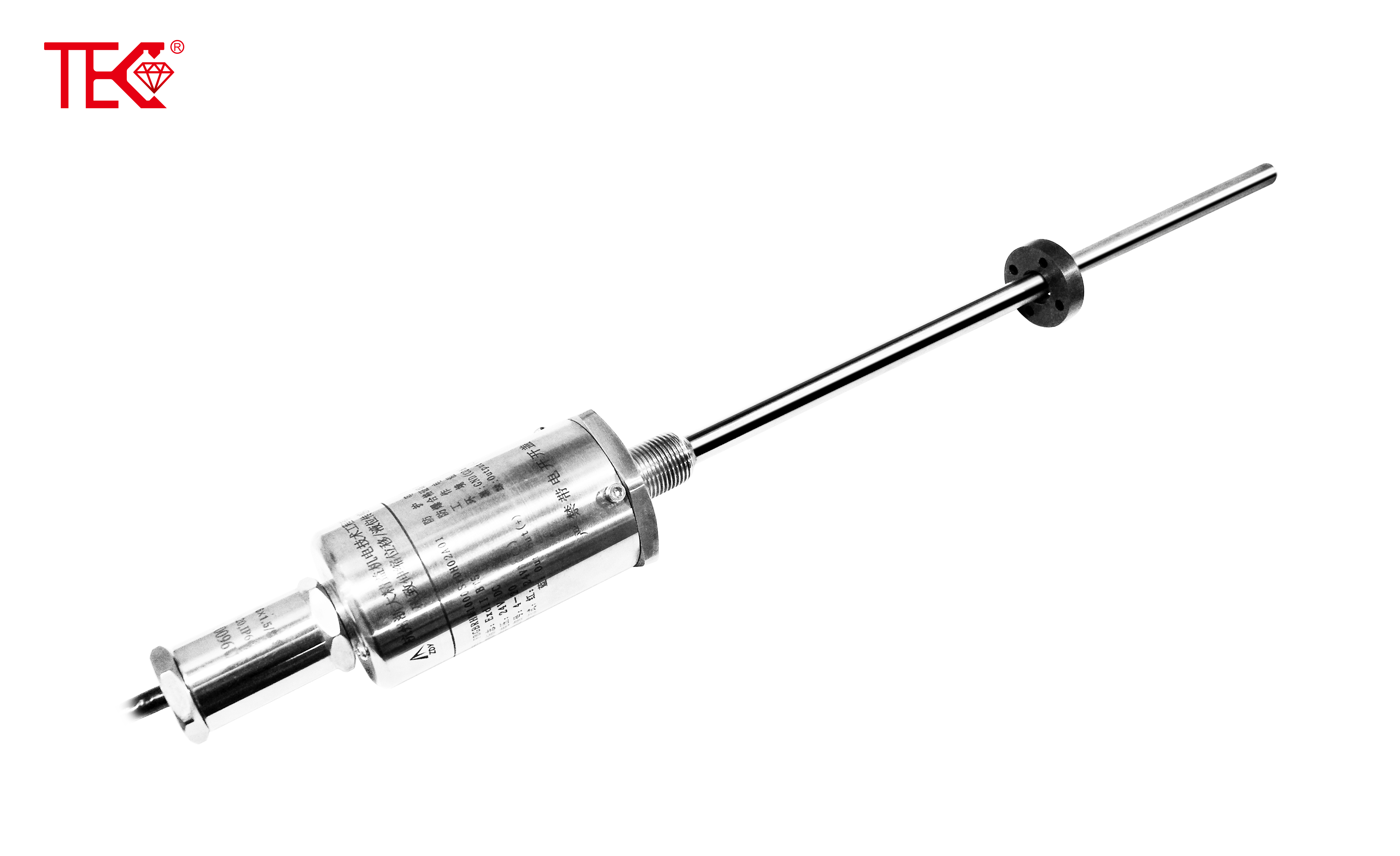 Model and Specification of Fla
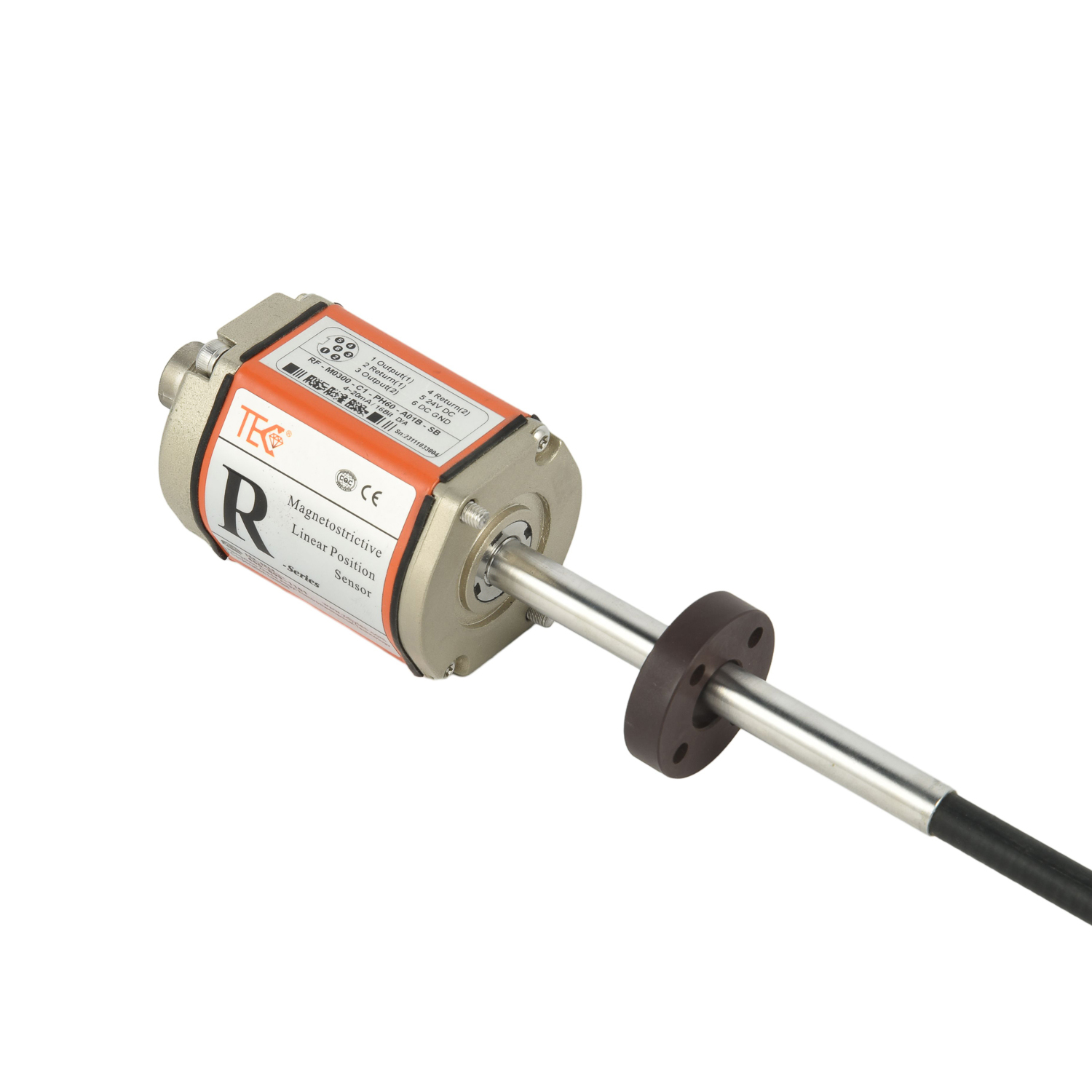 Import Substitute Non-contact
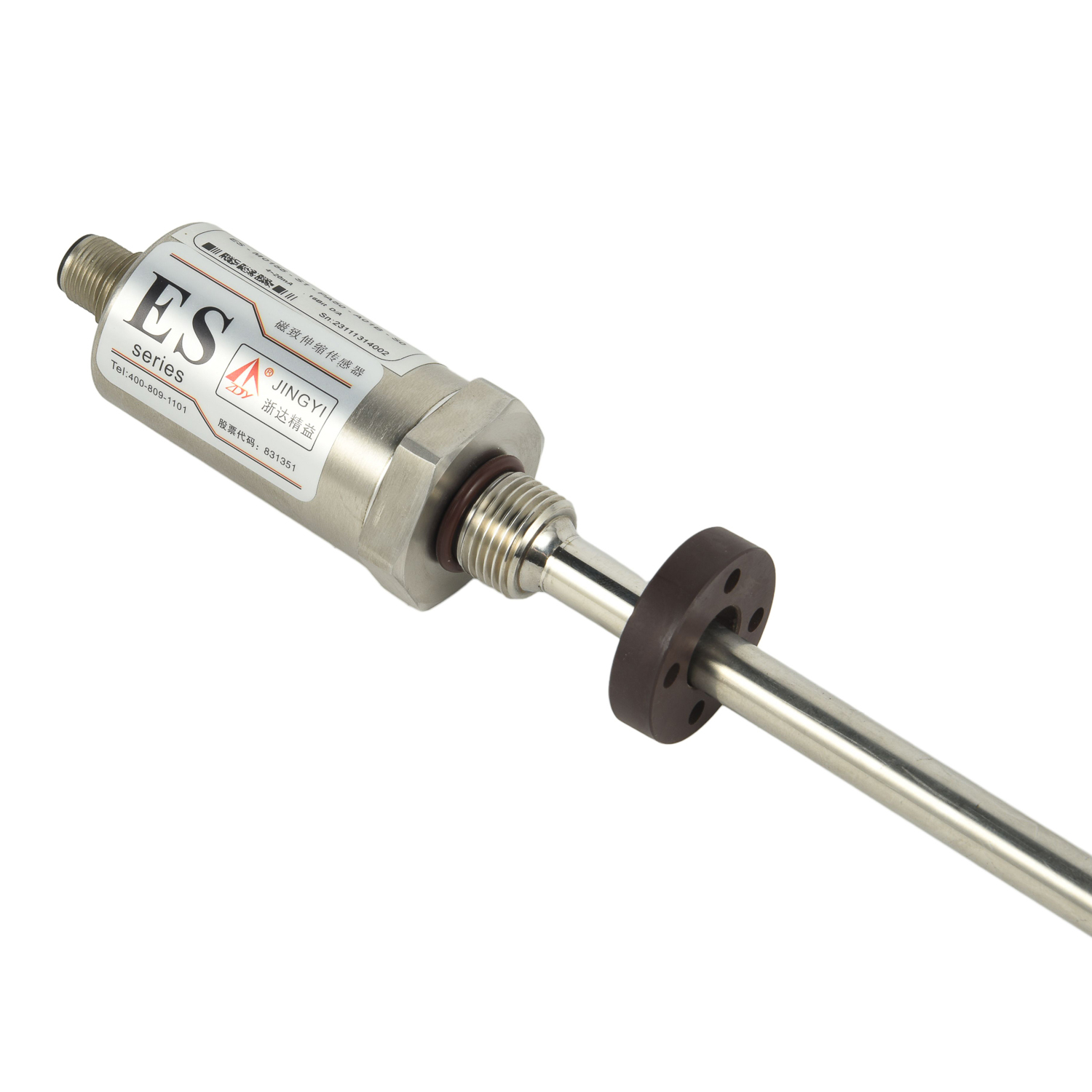 Installation Method of Built-i