
Model and Specification of Flange-mounted Linear Displacement Sensor
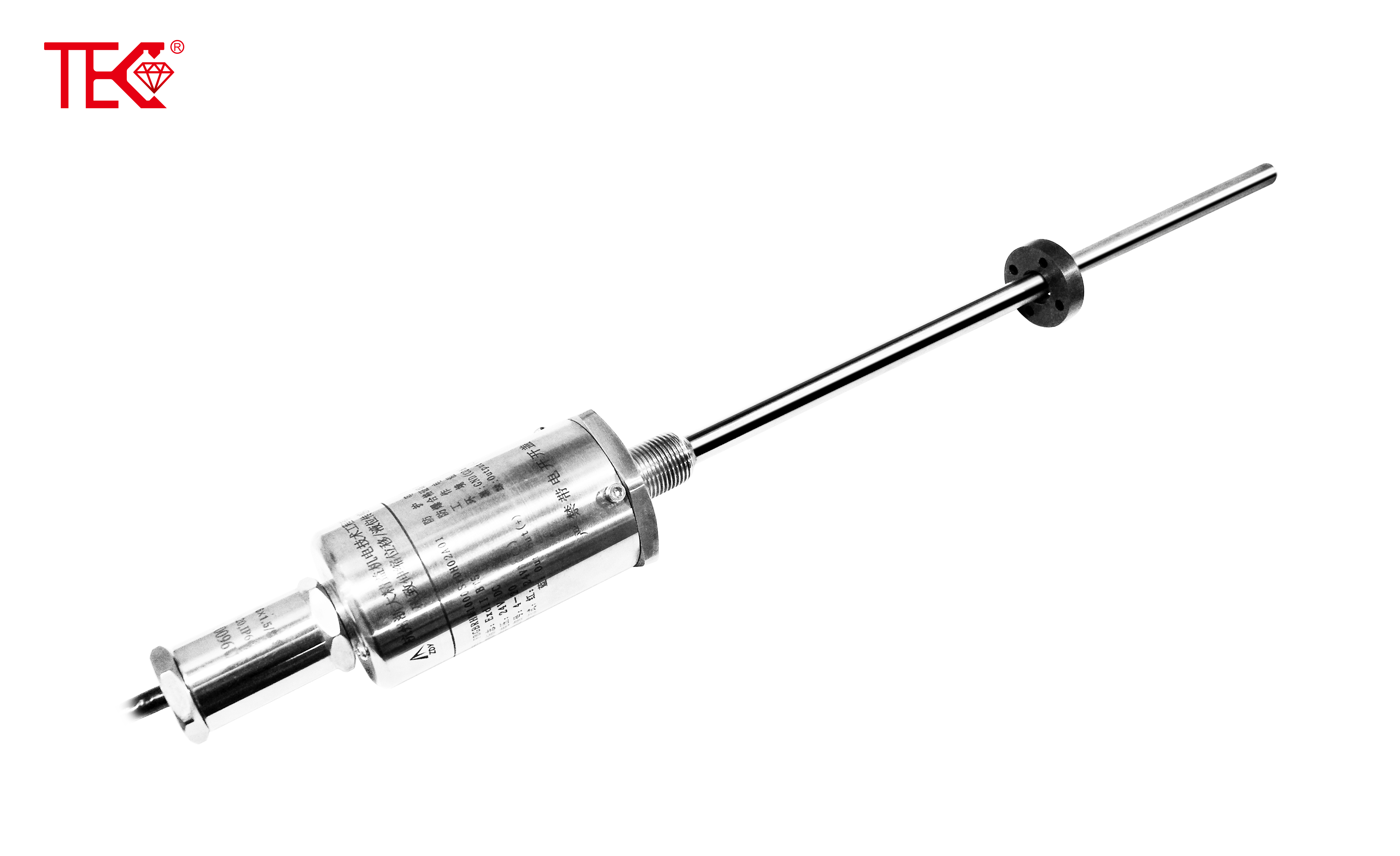
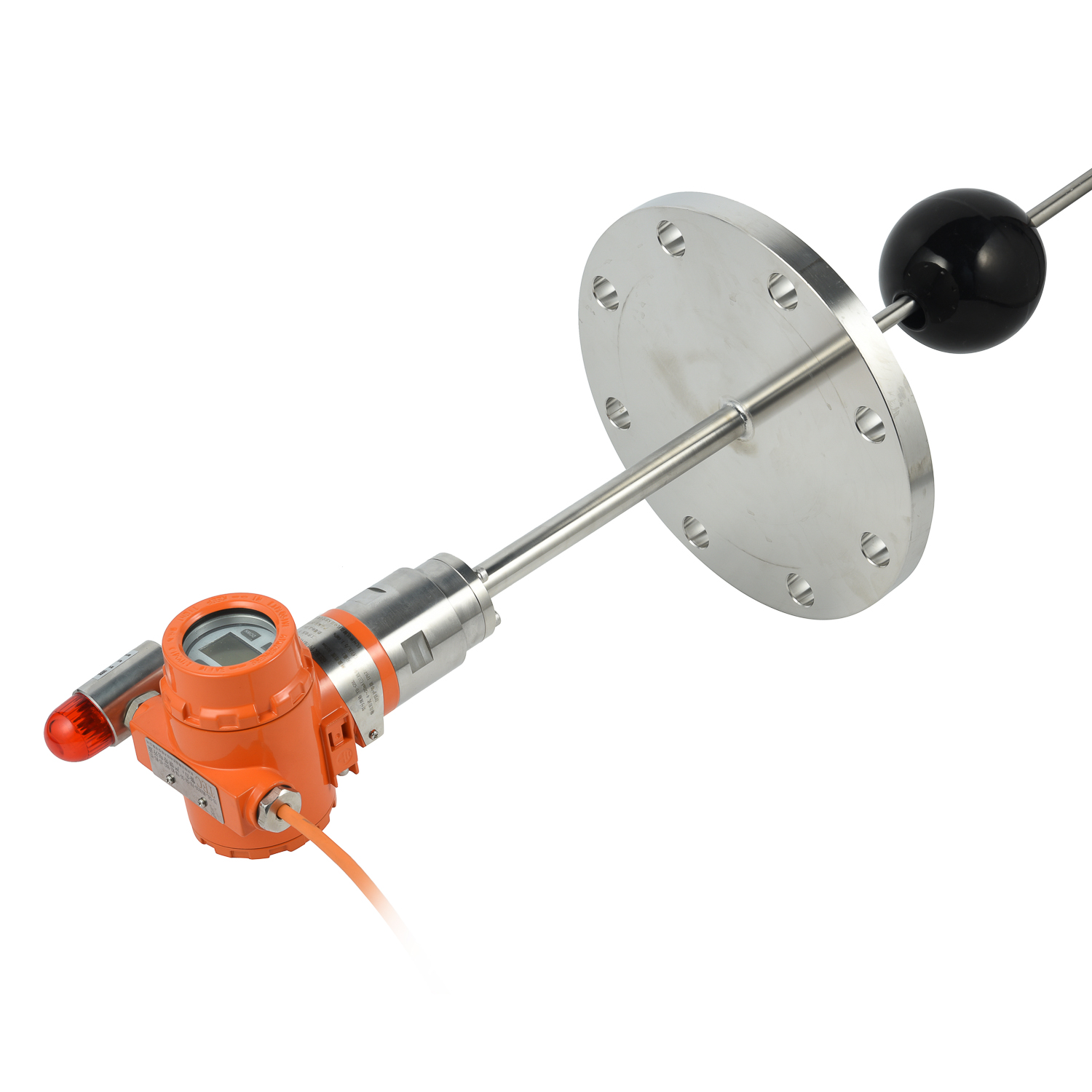
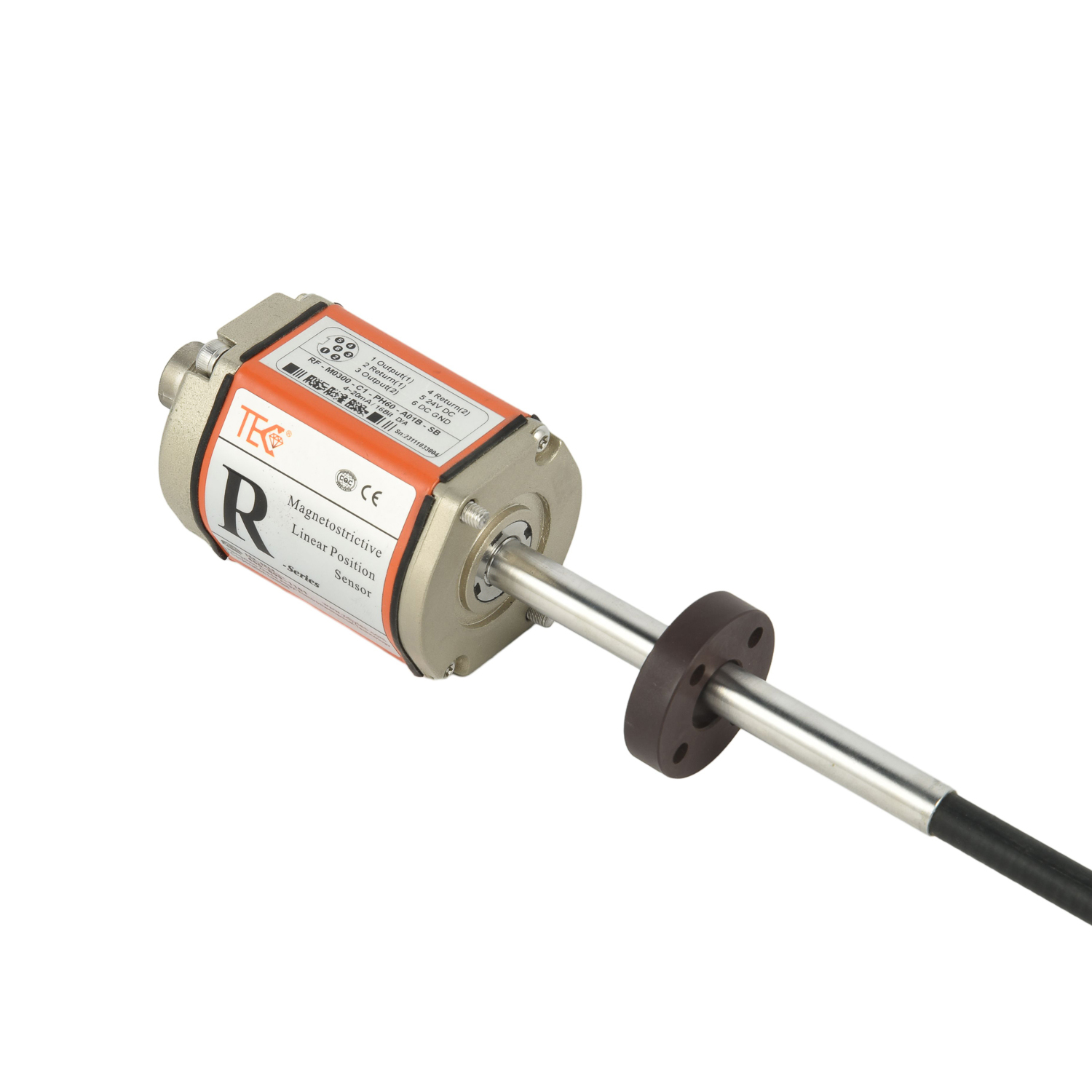
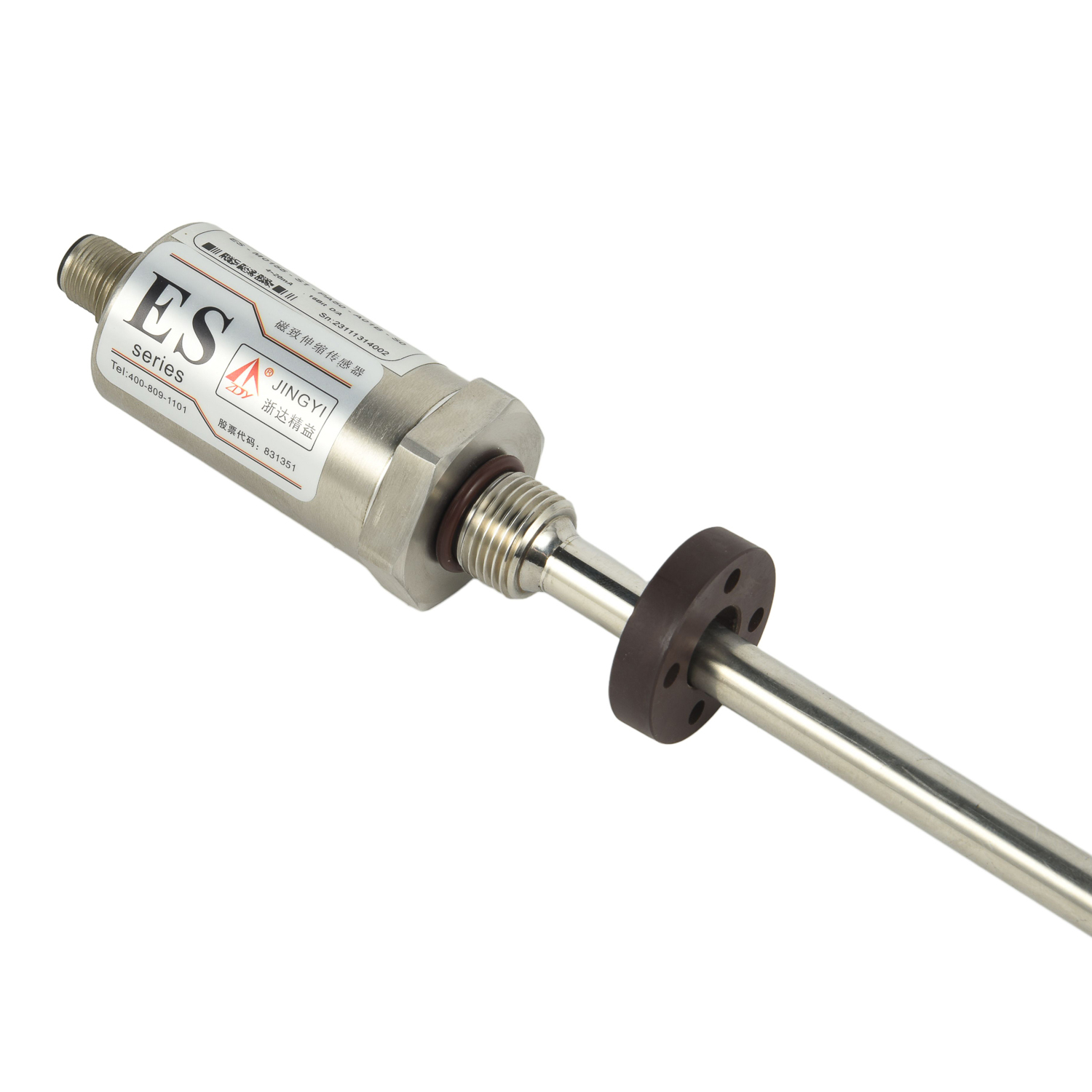
Flange-mounted linear displacement sensors are designed for stable, repeatable position feedback in industrial machinery. Their flange simplifies mounting and ensures reliable alignment between the sensor body and the moving target. Common models are grouped by measuring range, output type, and environmental rating. A typical LVDT-style flange-mounted model offers ranges from 0 to 10 mm up to 0 to 500 mm, with analog outputs such as 0-5 V, 0-10 V, 4-20 mA, or digital RS485 options. Key specifications include linearity of +/-0.1% to +/-0.5% FS, resolution down to 1 um, repeatability of <=0.01 mm, and a supply of 12-24 VDC. The probe rod may be 6-12 mm in diameter, while the flange size and mounting holes must match the machine interface. Protection class IP65 or IP67 is common for dusty or wet areas, and operating temperature often ranges from -20 C to +80 C. When selecting a model, confirm stroke length, thread or flange pattern, cable length, output compatibility, and resistance to vibration and shock. Proper installation with a non-magnetic target and parallel alignment improves accuracy and service life. For high-pressure or high-temperature applications, specify reinforced sealing, stainless steel housing, and shielded cable. A clear model code usually indicates range, output, connection, and protection level, making specification review and spare-part replacement easier. Consult the datasheet for calibration tolerance, wiring details, and mounting torque.
 Field Application of Rod-type
Model and Specification of Fla
 Import Substitute Non-contact
 Installation Method of Built-i