
Comparing Magnetostrictive vs. Other Types of Level Sensors - Which is Best?
**Comparing Magnetostrictive vs. Other Types of Level Sensors: Which is Best?**

In the realm of level sensing, various technologies are utilized to accurately measure and monitor liquid or solid levels. Among these, magnetostrictive sensors have gained significant popularity due to their unique advantages. However, a comprehensive comparison with other sensor types is necessary to determine their suitability for specific applications.
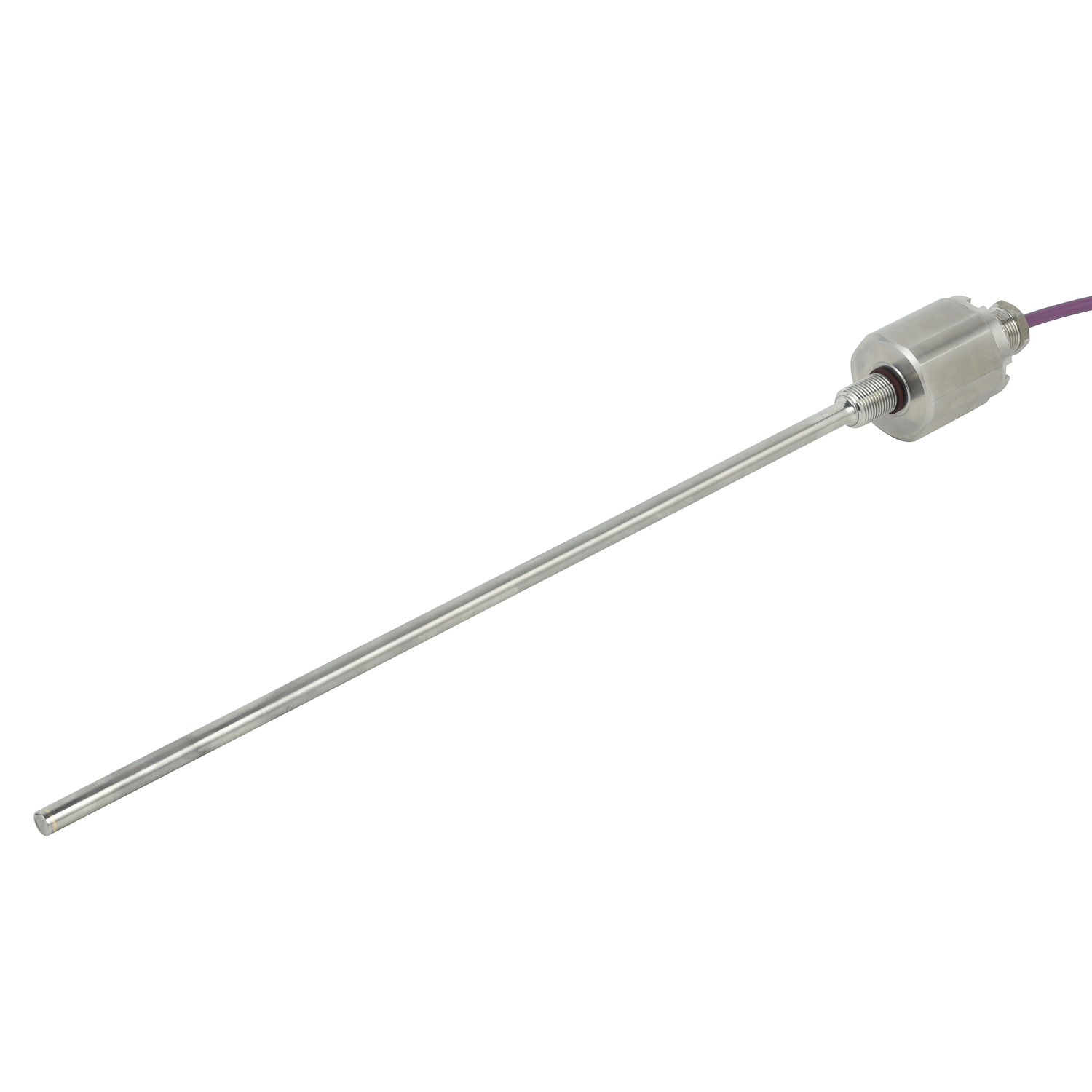
Magnetostrictive sensors rely on the principle of analyzing sonic waves induced by the interaction of two magnetic fields. They are renowned for their precision, real-time monitoring capabilities, and durability in harsh environments. The absence of electrical contact eliminates wear, ensuring almost unlimited mechanical life expectancy. Additionally, the non-contact cursor offers ease of installation and maintenance.
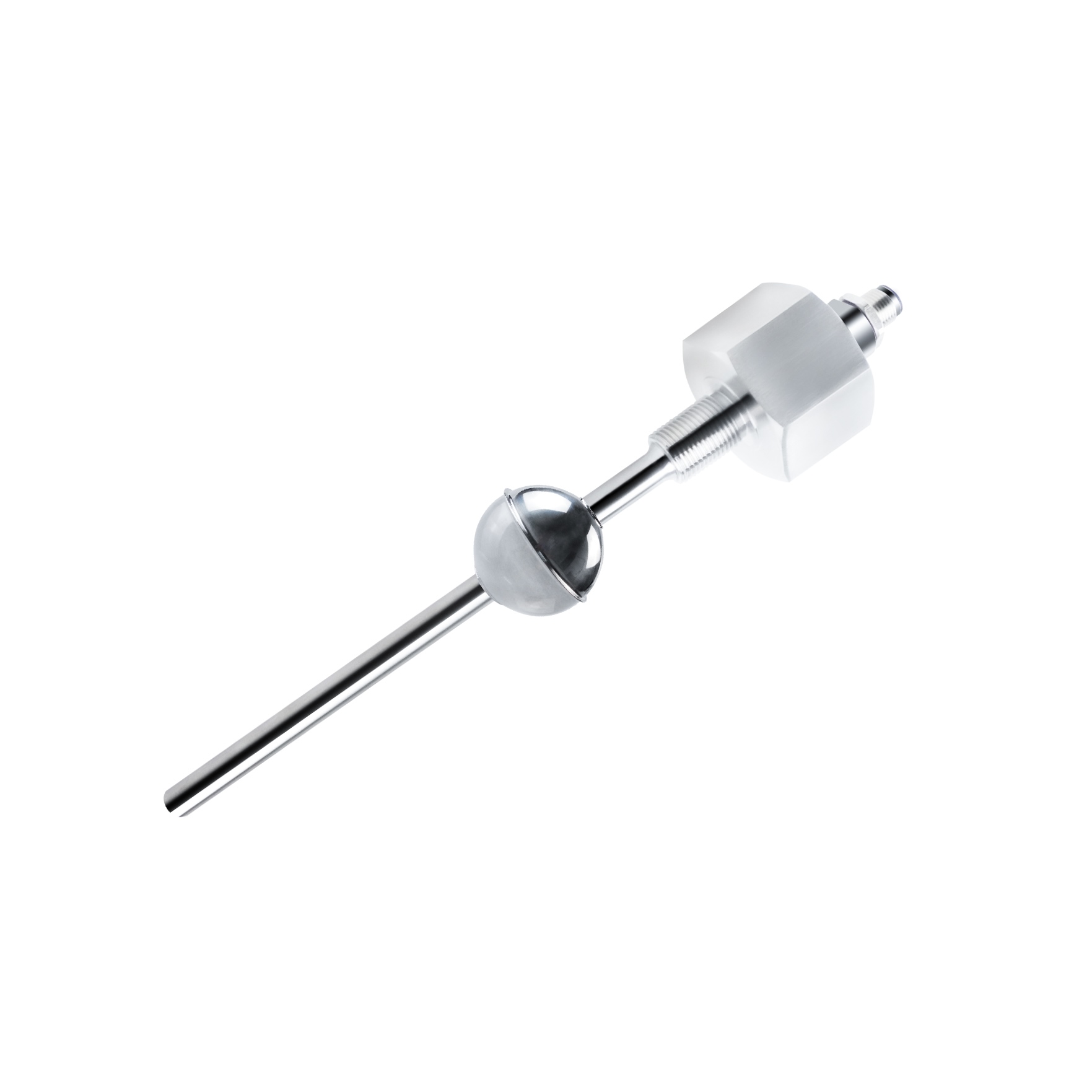
On the other hand, traditional level sensors, such as float-based sensors, rely on the buoyancy of a float to detect changes in liquid levels. These sensors are cost-effective and widely used in various applications. However, they are prone to wear and tear due to continuous contact with the liquid, limiting their lifespan.
Capacitance-based sensors measure the change in capacitance between two electrodes as the liquid level varies. They are suitable for non-conductive liquids and offer high accuracy. However, they are affected by changes in temperature and liquid properties, requiring calibration and maintenance.
Ultrasonic sensors use sound waves to measure the distance between the sensor and the liquid surface. They offer high accuracy and are suitable for various applications. However, they are affected by air bubbles, foam, and other factors that can disrupt the sound waves.
When comparing magnetostrictive sensors with these alternatives, it is evident that magnetostrictive sensors excel in terms of precision, durability, and real-time monitoring capabilities. Their ability to operate in harsh environments and offer non-contact measurement makes them ideal for critical applications where reliability and accuracy are paramount.
In conclusion, while other types of level sensors have their respective advantages, magnetostrictive sensors offer a unique combination of precision, durability, and real-time monitoring capabilities that make them the best choice for many applications.
 Model and Specification of Rad
 Import Substitute Radar Sensor
 Installation Method of Radar S
 Working Principle of Radar Sen