
Corrosion-resistant Linear Displacement Sensor Fault
Corrosion-resistant linear displacement sensors are used in wet, chemical, and salt-spray environments. Their sealed housings improve durability, but faults can still cause drift, unstable output, dead zones, or signal loss.
Common causes include cable damage, connector contamination, seal degradation, and moisture ingress. Chemical attack may weaken gaskets and let vapor reach internal electronics. Vibration, improper mounting, and electrical interference can also create false faults. Sometimes the sensor is blamed when the real issue is a loose magnet or incorrect PLC scaling.
Troubleshooting should start with visual inspection and wiring checks. Verify supply voltage, output signal, grounding, and connector condition. Compare readings across the full stroke and look for jumps or dead sections. Clean the sensor and mounting area with compatible methods, then retest. If drift remains, check insulation resistance and moisture indicators. Replace damaged cables and seals before corrosion spreads.
Preventive maintenance is essential. Use IP-rated connectors, route cables away from chemicals and sharp edges, and protect exposed surfaces. Schedule calibration, seal inspection, and cleaning based on environmental severity. Keep spare sensors for critical equipment. A structured fault diagnosis and maintenance plan extends sensor life, reduces downtime, and preserves reliable linear position feedback in corrosive environments.
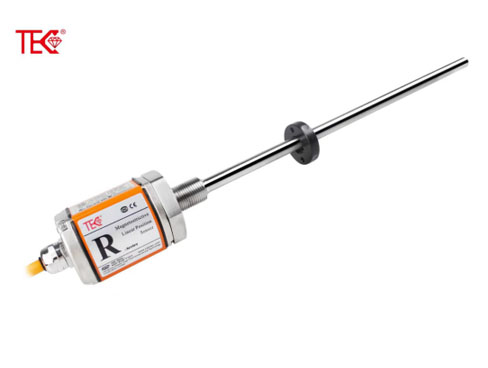
 Metallurgy Explosion-proof Lin
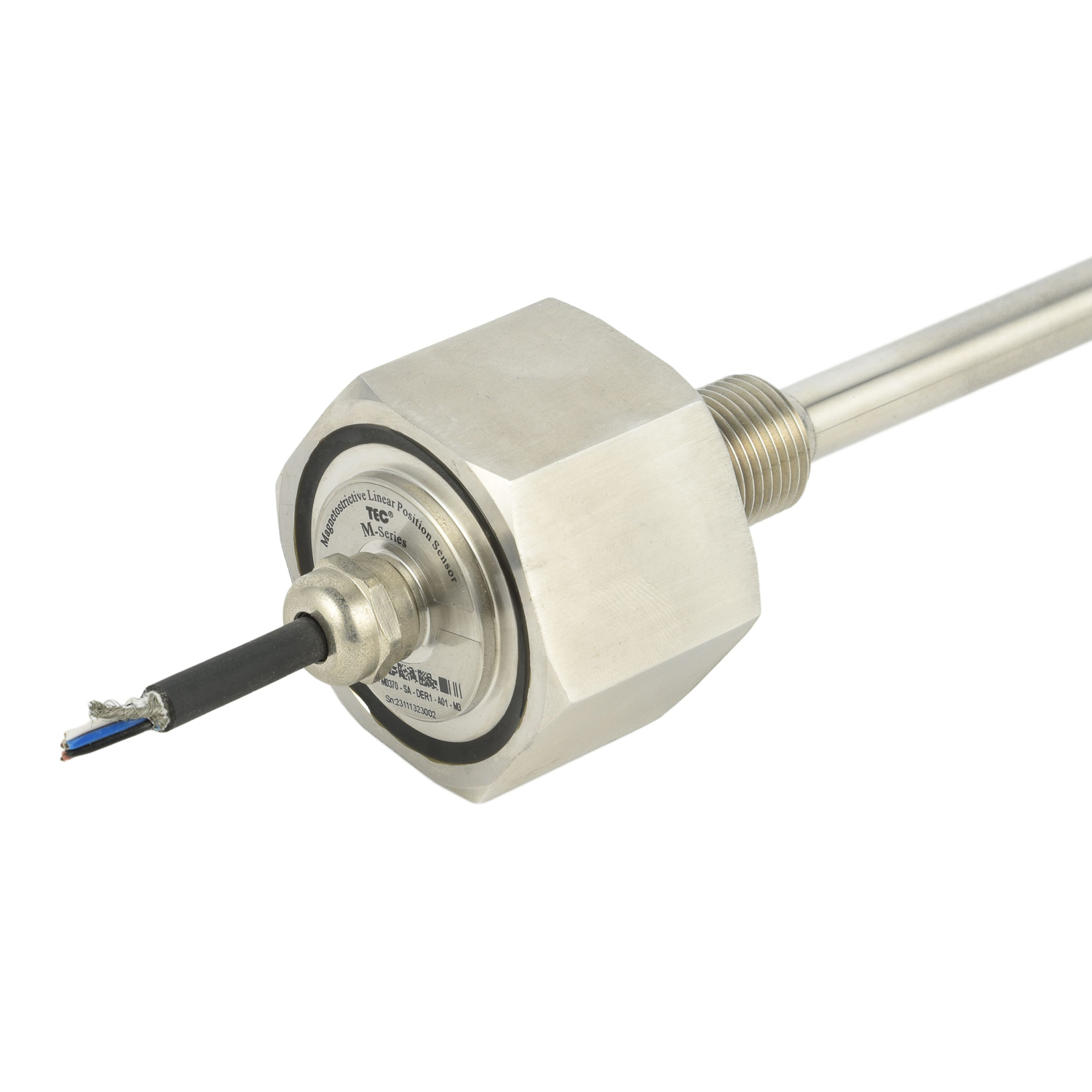
Corrosion-resistant Linear Dis
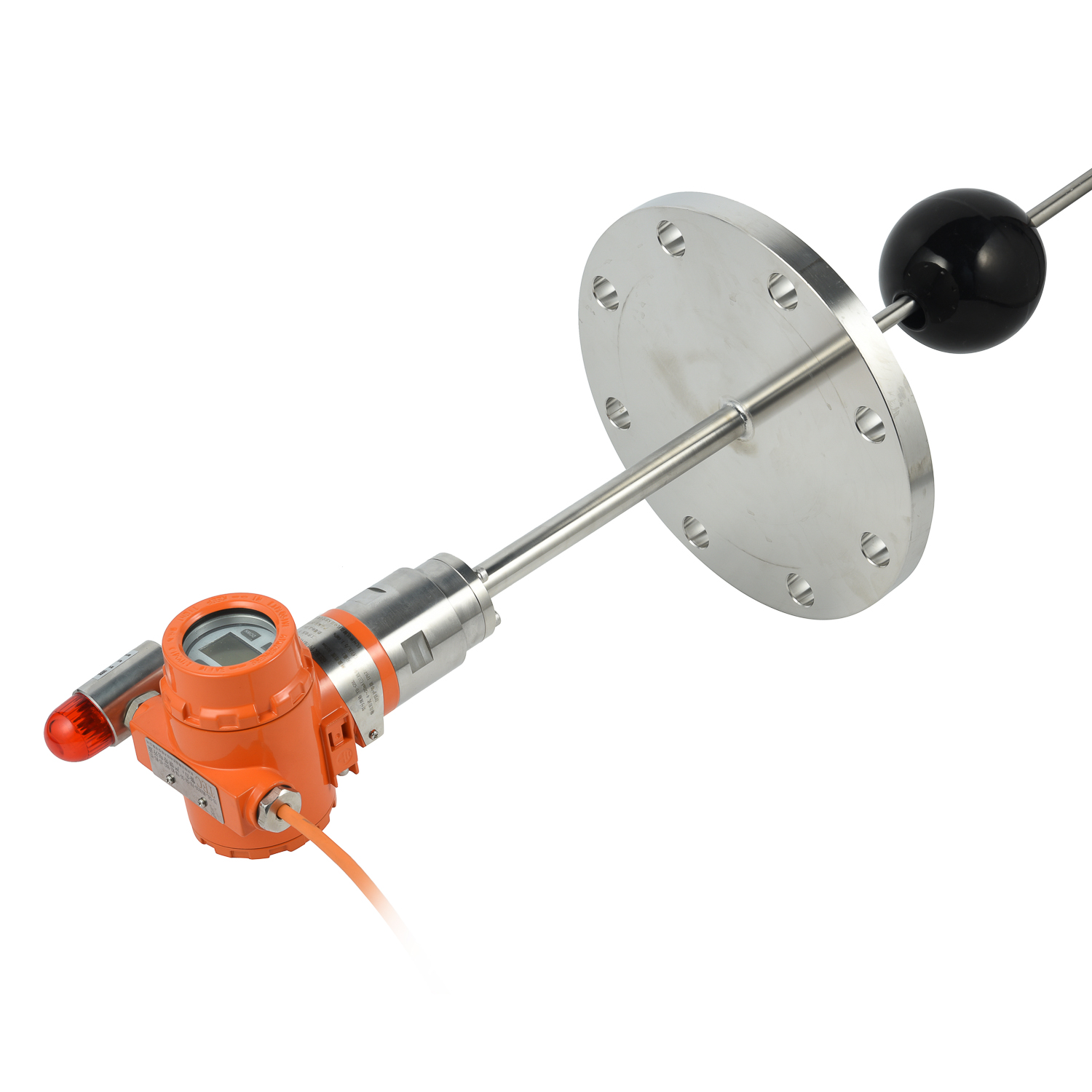 Field Application of Rod-type
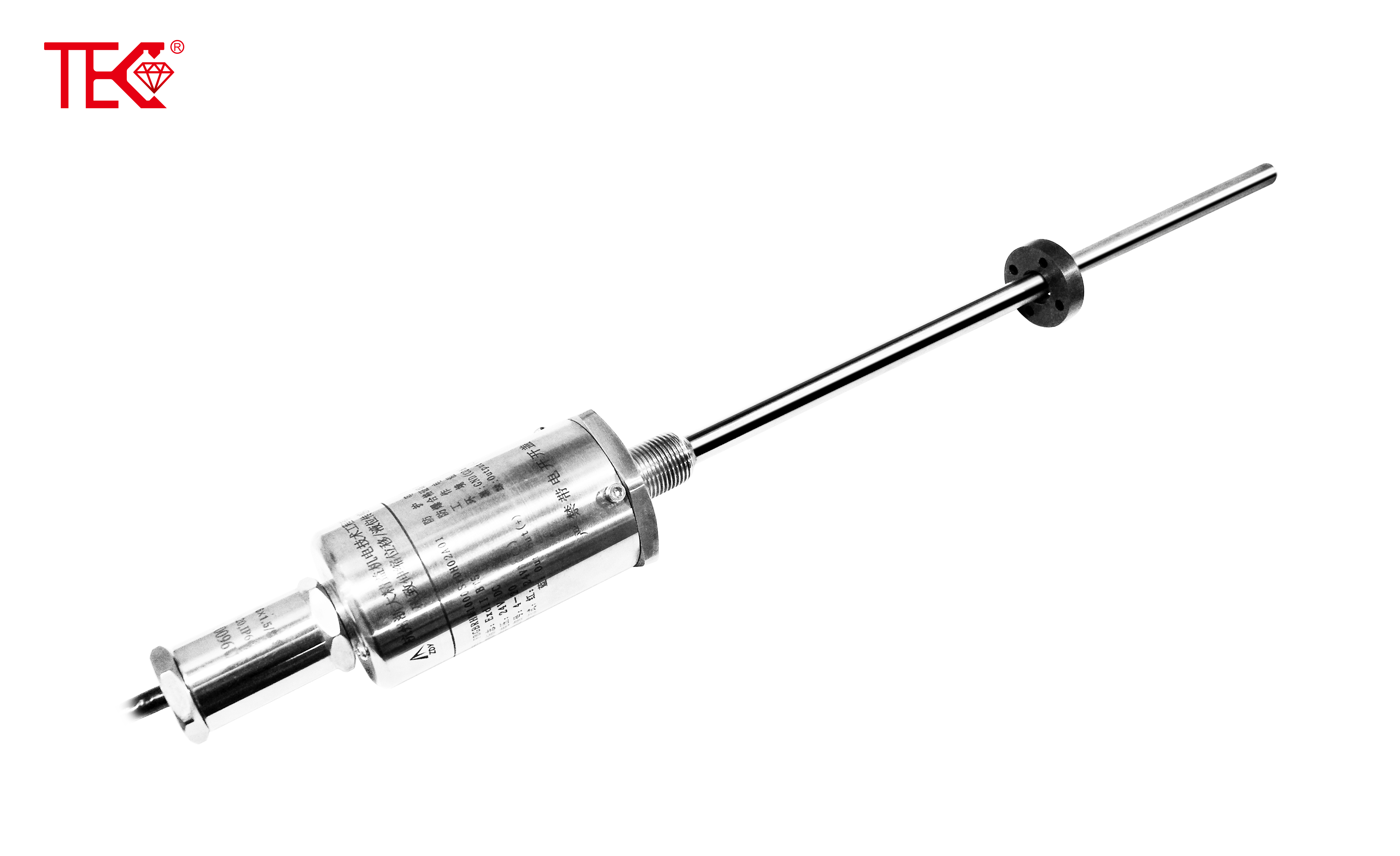 Model and Specification of Fla