
How Accurate Can a Liquid Level Sensor Get?
**How Accurate Can a Liquid Level Sensor Get?**
**Introduction to Liquid Level Sensors**
In the modern industrial landscape, liquid level sensors play a crucial role in ensuring the smooth operation of various processes. These sensors are designed to detect and measure the level of liquid within a tank or container, providing crucial data for monitoring, control, and safety systems. The accuracy of these sensors is paramount, as it directly affects the efficiency and safety of the entire operation.
**Types of Liquid Level Sensors**
There are several types of liquid level sensors available, each with its own unique set of features and accuracy levels. Mechanical float switches, capacitive sensors, ultrasonic sensors, and radar level gauges are some of the most commonly used options. The choice of sensor type depends on factors such as the type of liquid, the environment in which it operates, and the required accuracy.
**Accuracy Standards and Considerations**
The accuracy of a liquid level sensor is typically measured in terms of its ability to detect and report the actual liquid level within a specified range. Accuracy can be affected by various factors, including the resolution of the sensor, the stability of the liquid surface, and the presence of any contaminants or bubbles.
**Factors Influencing Sensor Accuracy**
The accuracy of a liquid level sensor is influenced by a number of factors. The viscosity and density of the liquid, for example, can affect the sensor's ability to accurately detect the liquid level. Additionally, the temperature and pressure within the tank or container can also influence the sensor's performance.
**Advanced Technologies for Enhanced Accuracy**
To achieve higher levels of accuracy, manufacturers have incorporated advanced technologies into their liquid level sensors. These include high-resolution sensing elements, sophisticated algorithms for data processing, and the use of non-contact measurement techniques such as ultrasonic and radar.
**Calibration and Maintenance**
Regular calibration and maintenance are essential for maintaining the accuracy of liquid level sensors. Calibration ensures that the sensor is accurately reporting the liquid level, while maintenance addresses any issues that may arise due to wear and tear or environmental factors.
**Case Studies and Real-World Applications**
A number of case studies and real-world applications demonstrate the importance of accurate liquid level sensors. From chemical processing plants to oil and gas storage facilities, these sensors play a vital role in ensuring the safe and efficient operation of these facilities.
**Conclusion**
In conclusion, the accuracy of liquid level sensors is crucial for ensuring the smooth and safe operation of various industrial processes. With the availability of advanced technologies and regular calibration and maintenance, manufacturers are able to provide sensors with increasingly higher levels of accuracy, meeting the demands of today's demanding industrial environment.
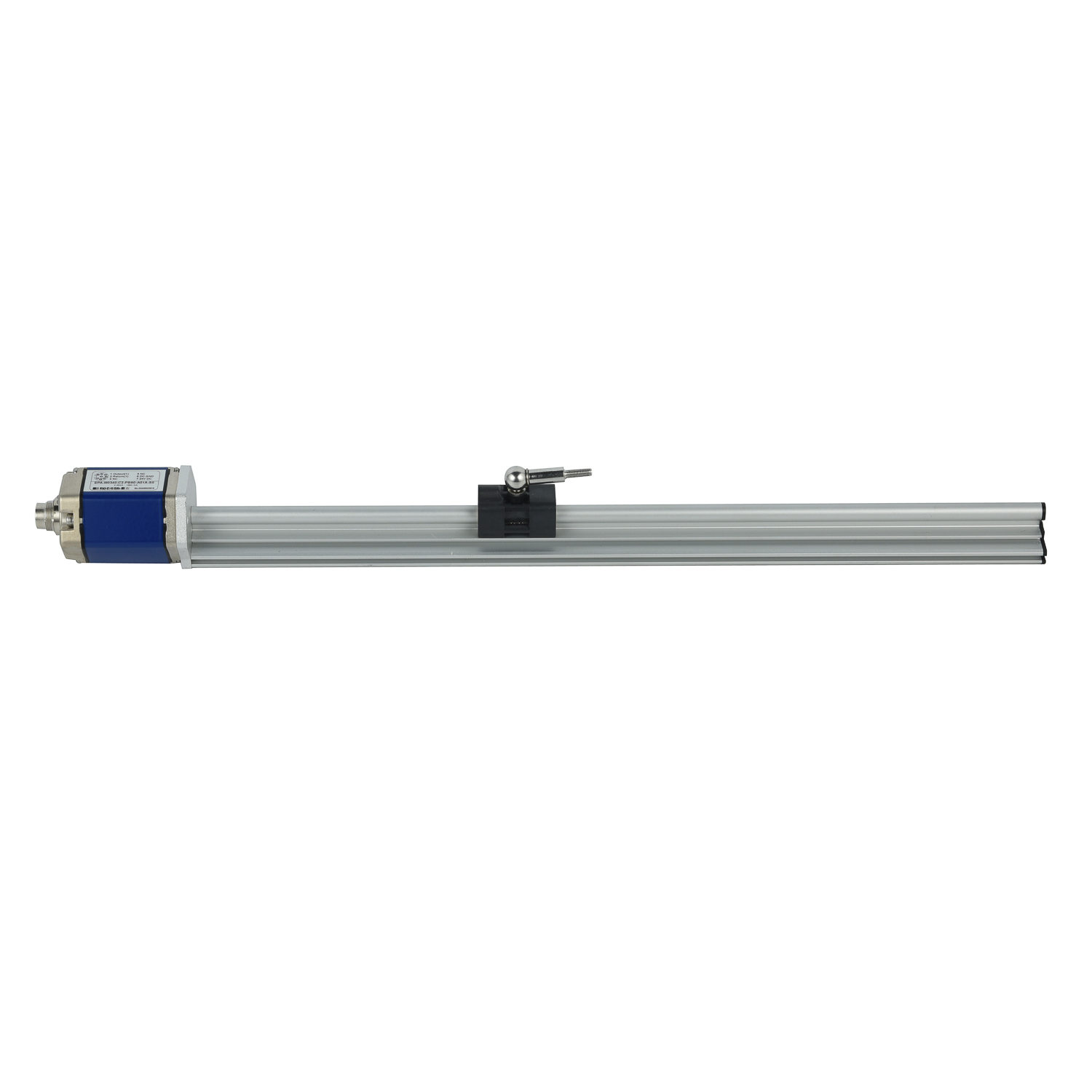 High-pressure Pressure Sensor
 High-temperature Pressure Sens
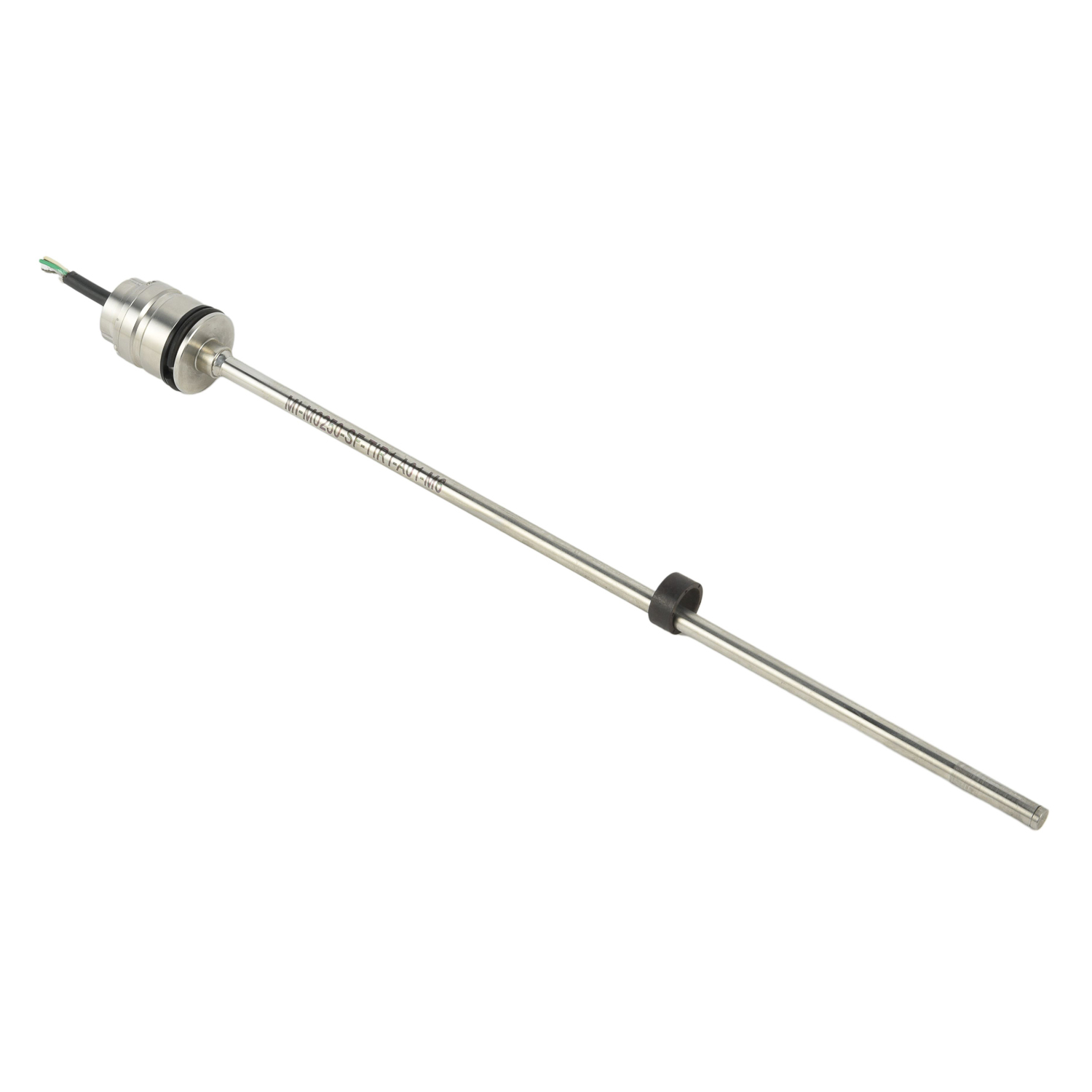 Waterproof Pressure Sensor
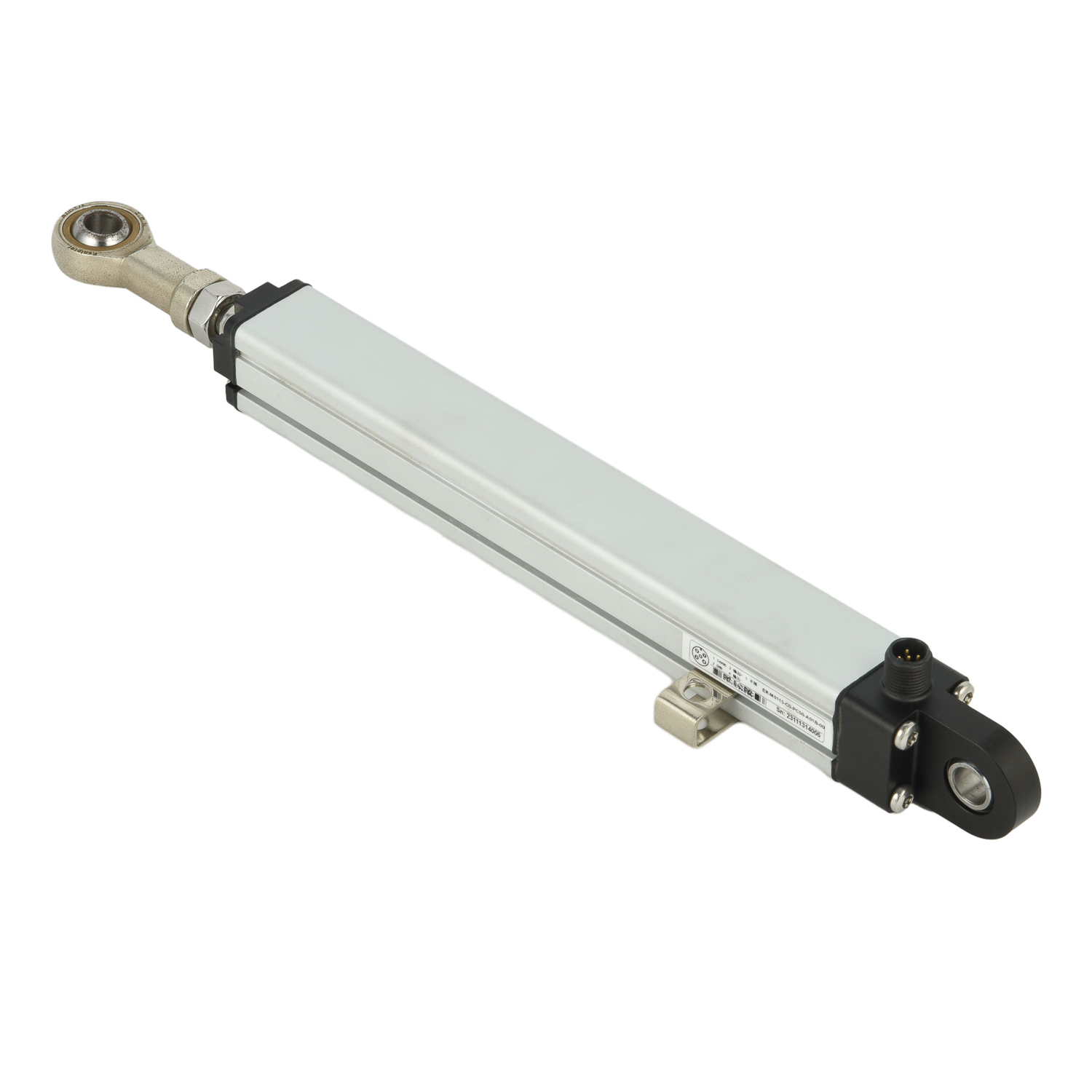 Intrinsically Safe Explosion-p