
Magnetostrictive Level Gauge for Sewage Treatment
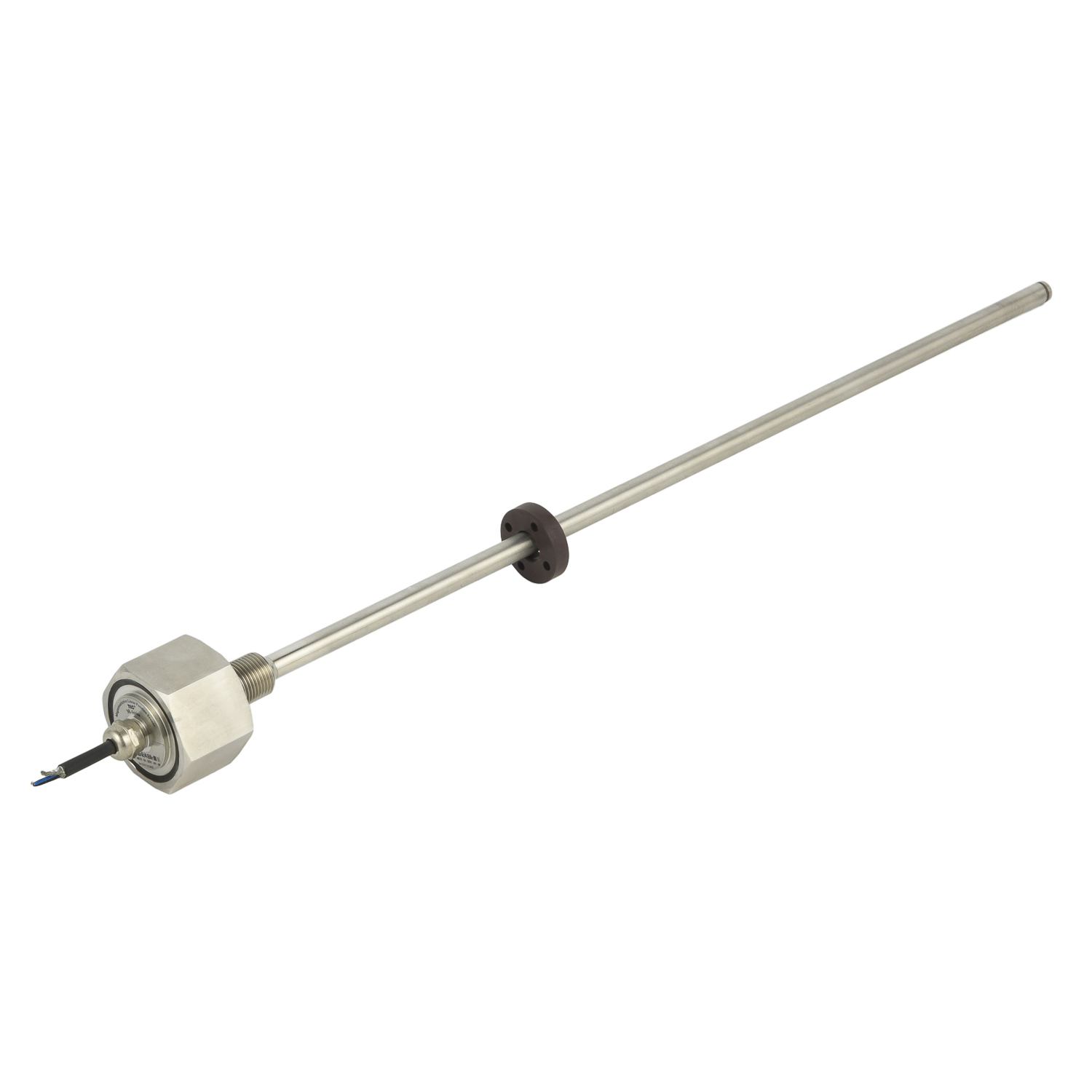
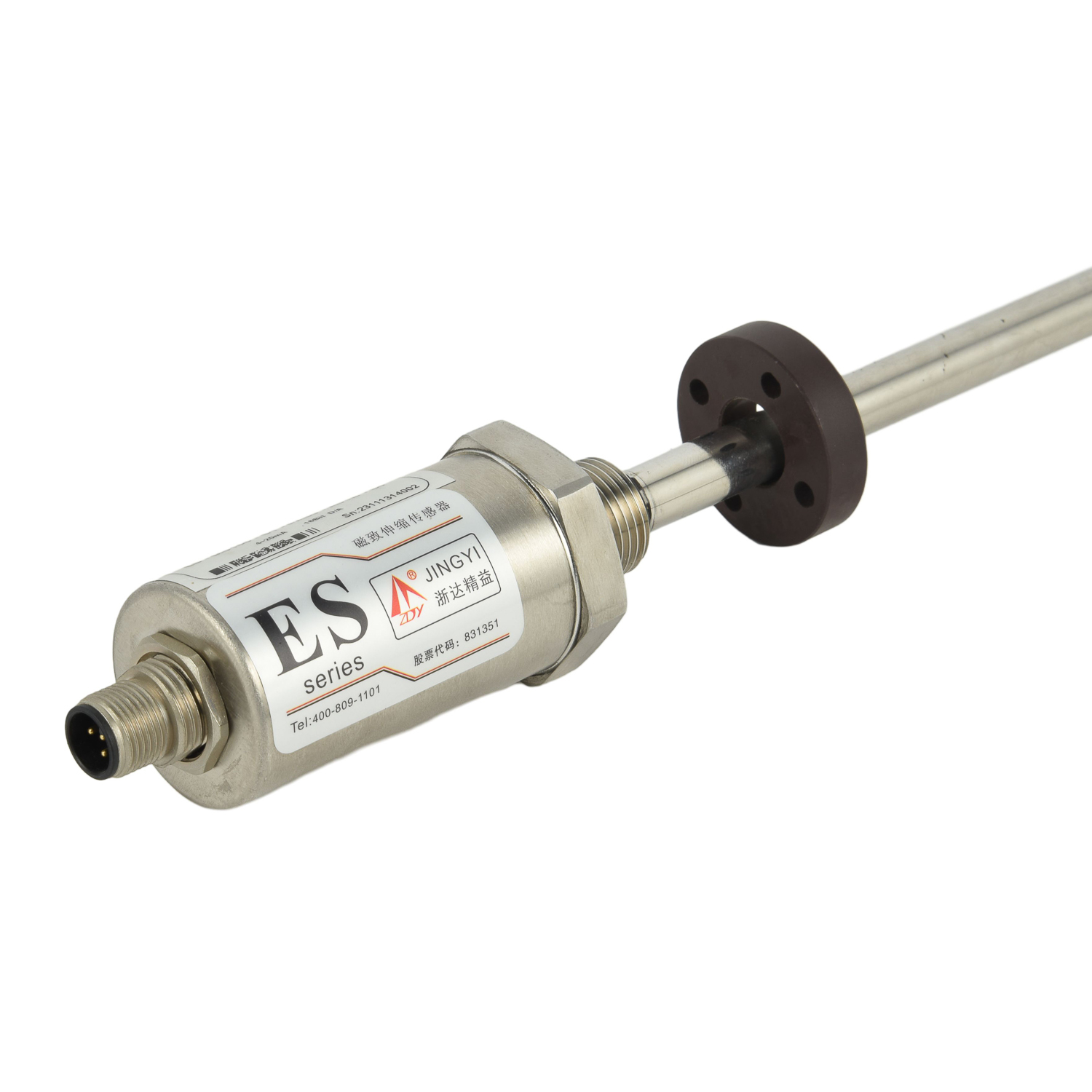
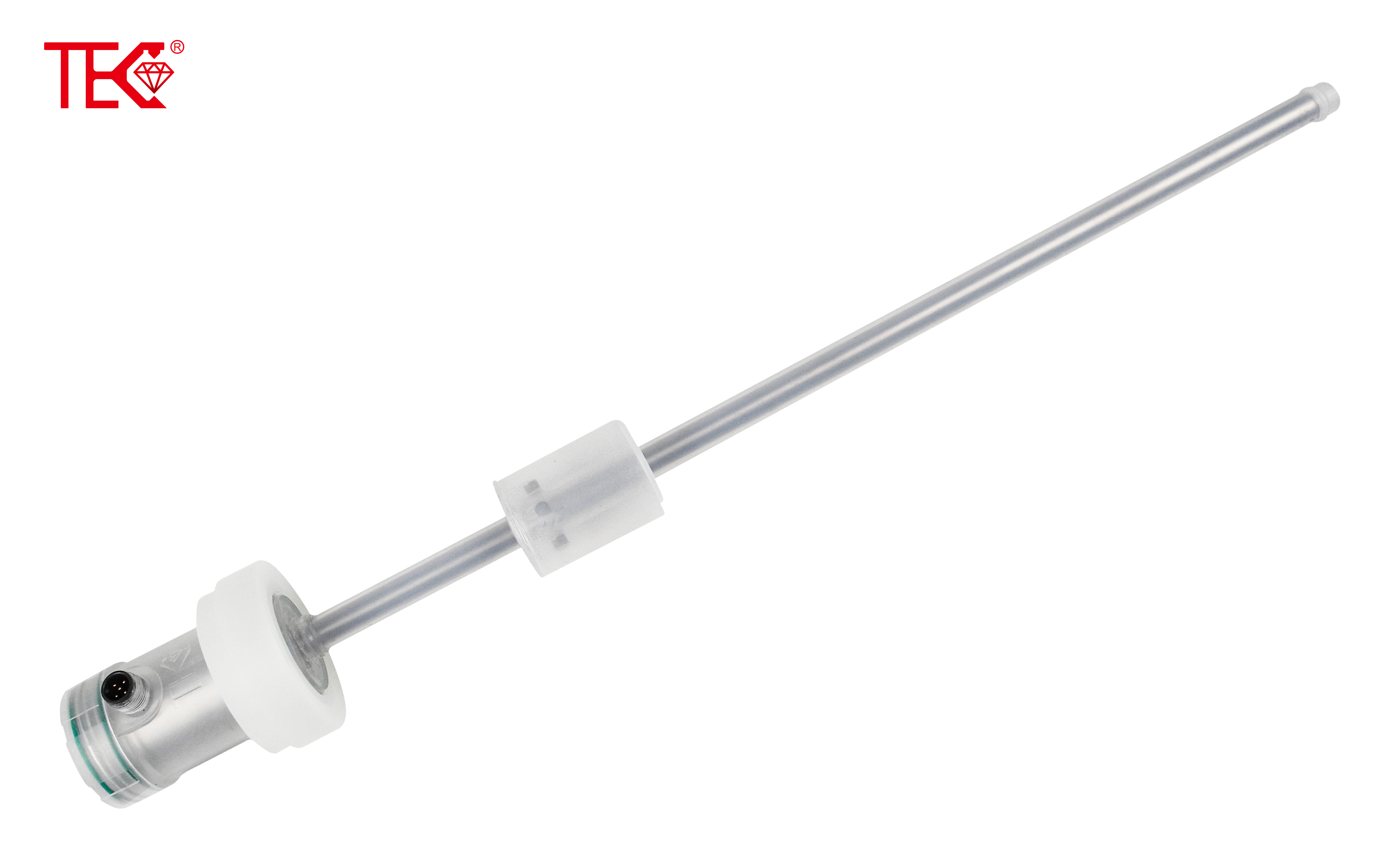
Modern sewage treatment plants demand continuous, reliable level measurement in tanks where foam, sludge, grease, and corrosive gases are common. A magnetostrictive level gauge is well suited to this duty because it uses a magnetic float and a waveguide to detect position without moving mechanical links. The sensor provides stable readings for wastewater, mixed liquor, sludge, and chemical storage, helping operators control pumps, valves, and alarms.
In harsh sewage environments, the gauge should have a sealed 316L stainless steel or PVDF probe, a robust float, and IP68 protection. H2S-resistant materials and anti-fouling designs reduce maintenance. Outputs such as 4-20 mA, HART, or Modbus allow easy integration with SCADA. For open channels, wet wells, and digesters, correct mounting and float selection are essential to avoid foam or debris interference. Regular cleaning and calibration keep accuracy high.
Compared with ultrasonic or radar devices, a magnetostrictive gauge can offer strong performance in foamy or turbulent wastewater when properly specified. It supports efficient pumping, overflow prevention, and energy savings. Stable level data also improves dosing control, reduces manual dipping, and protects pumps from dry running. In sewage service, a well-matched gauge cuts downtime and supports safer plant operation. Selecting the right probe length, float density, and process connection ensures long service life and low downtime in municipal and industrial sewage treatment.
 Linear Displacement Sensor for
 Linear Displacement Sensor for
 Linear Displacement Sensor for
 Linear Displacement Sensor for