
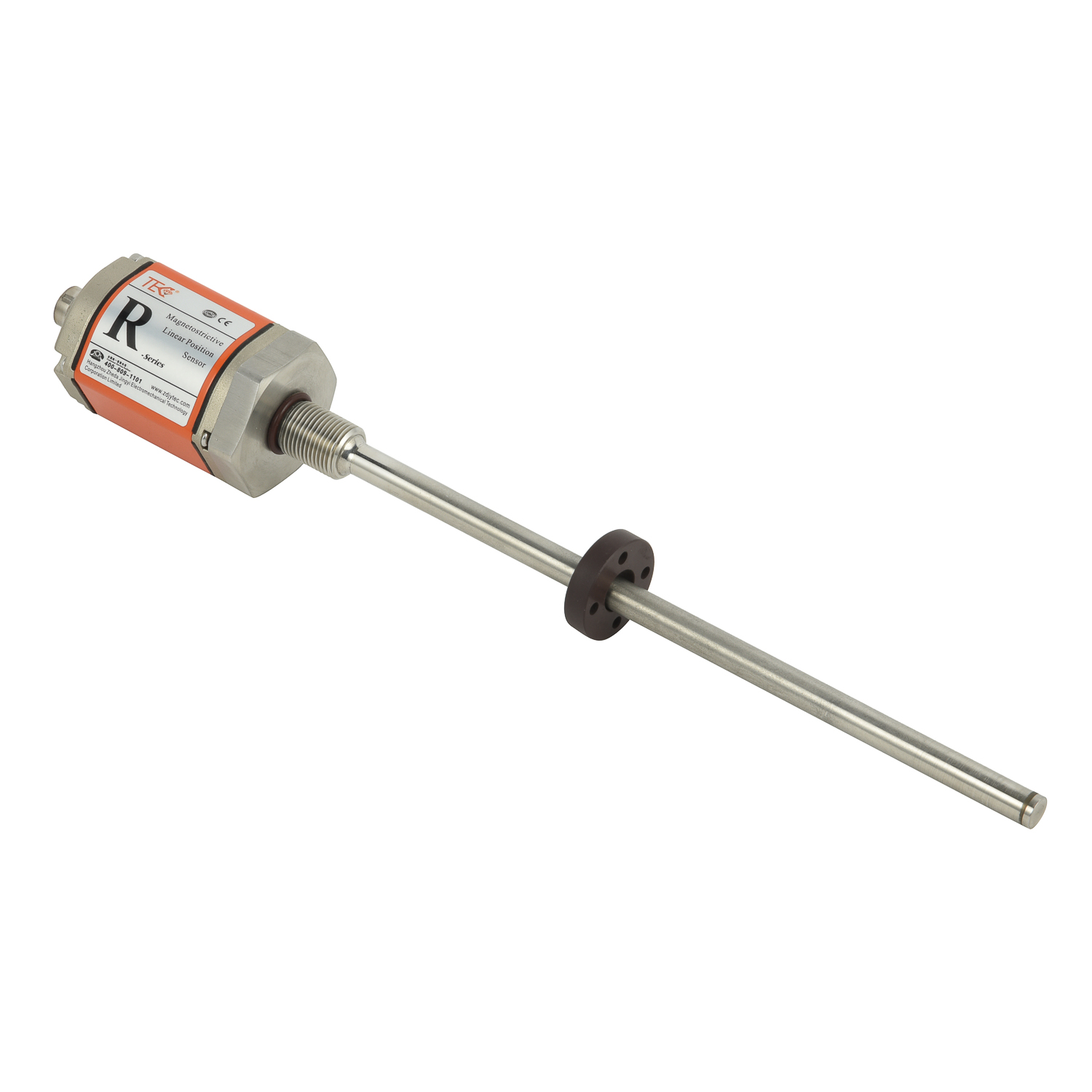
Construction Machinery Built-in Hydraulic Cylinder Magnetostrictive Displacement Sensor
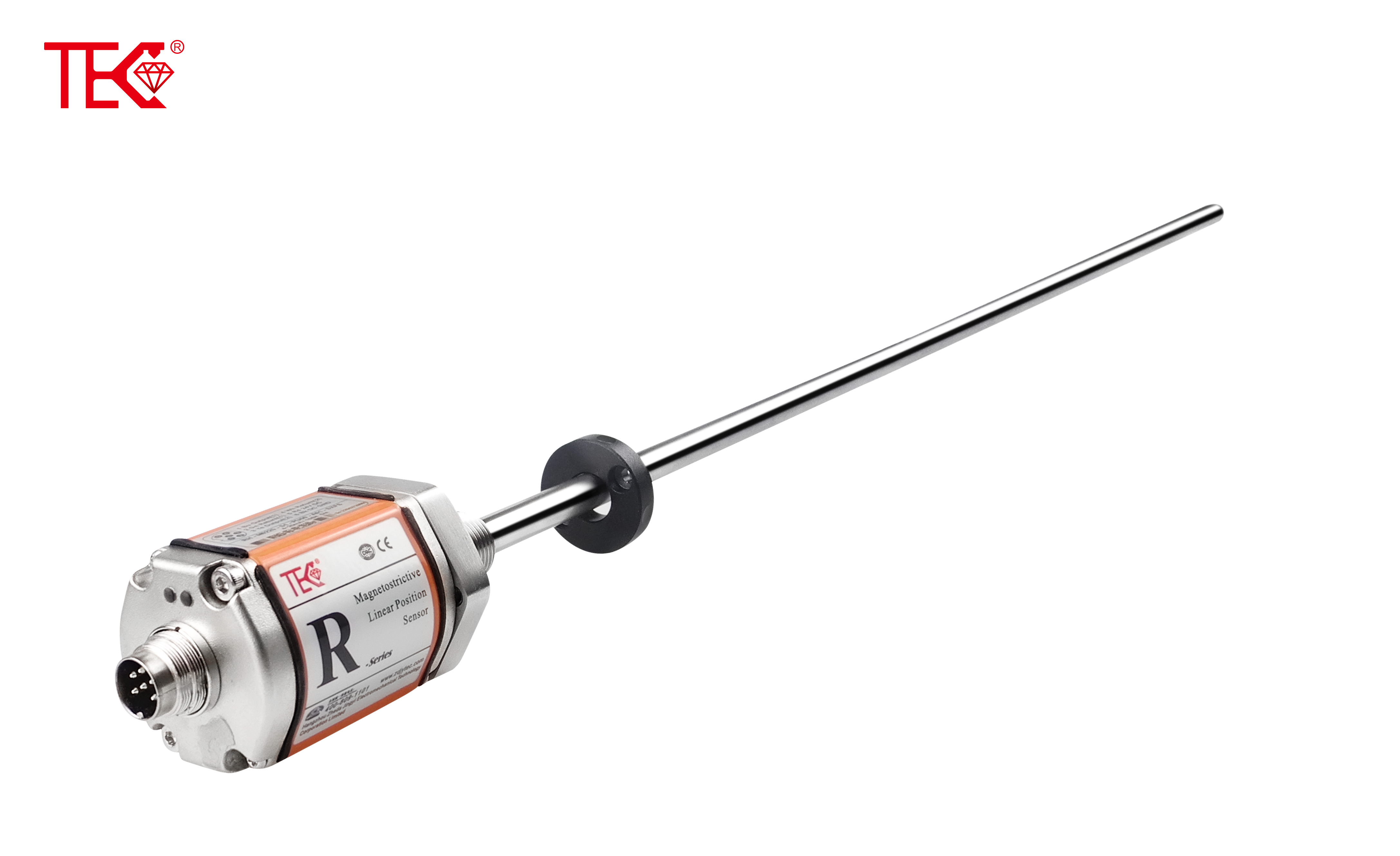
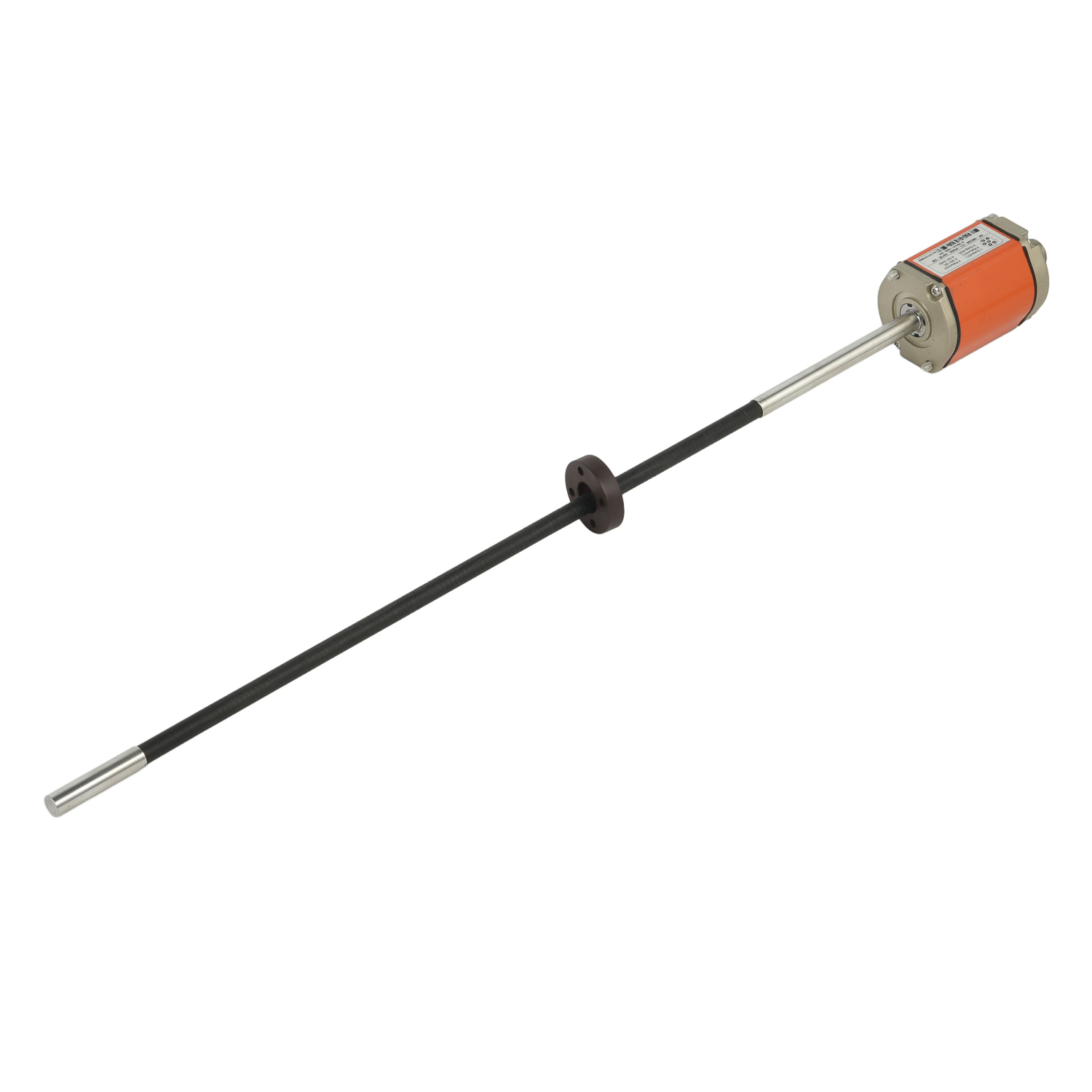
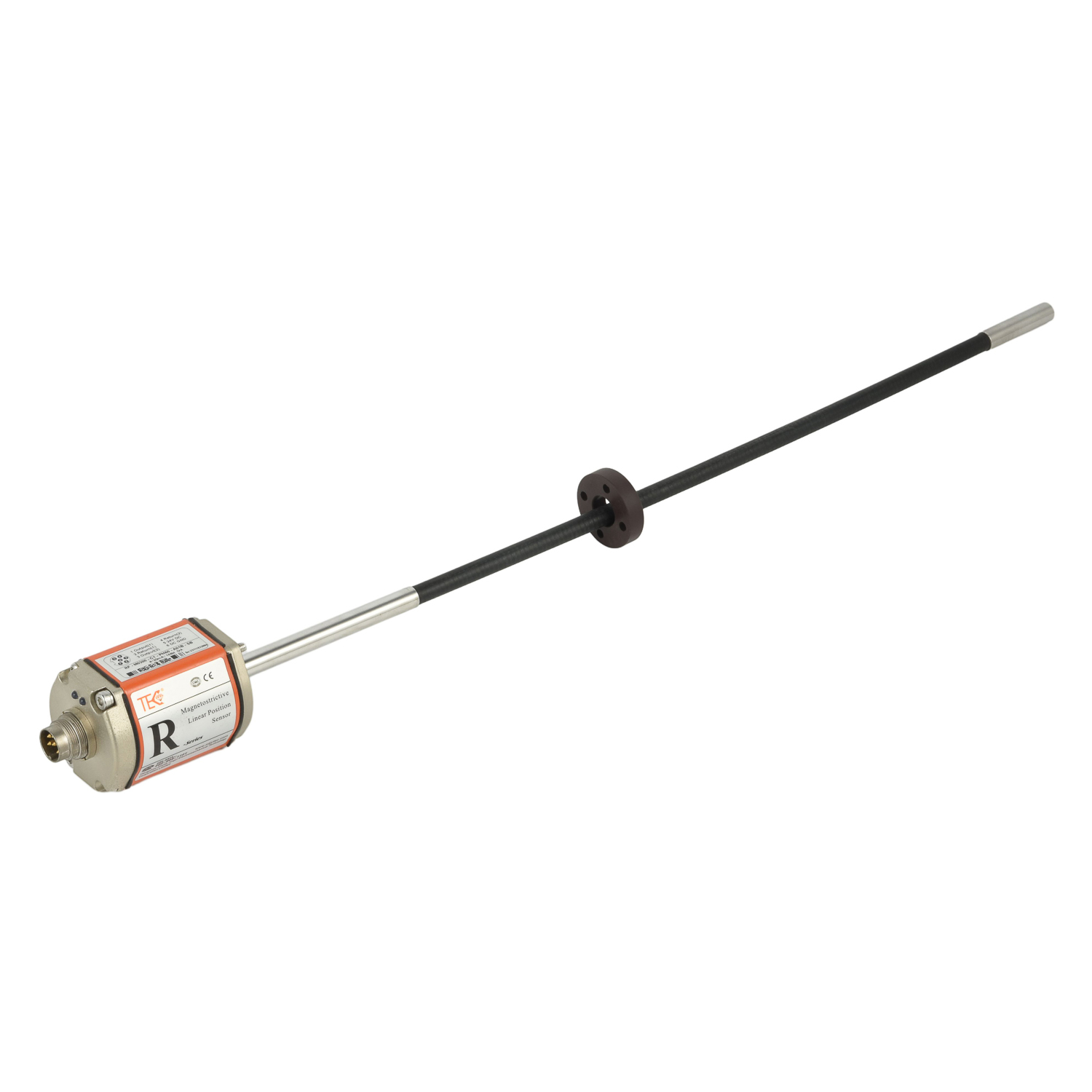
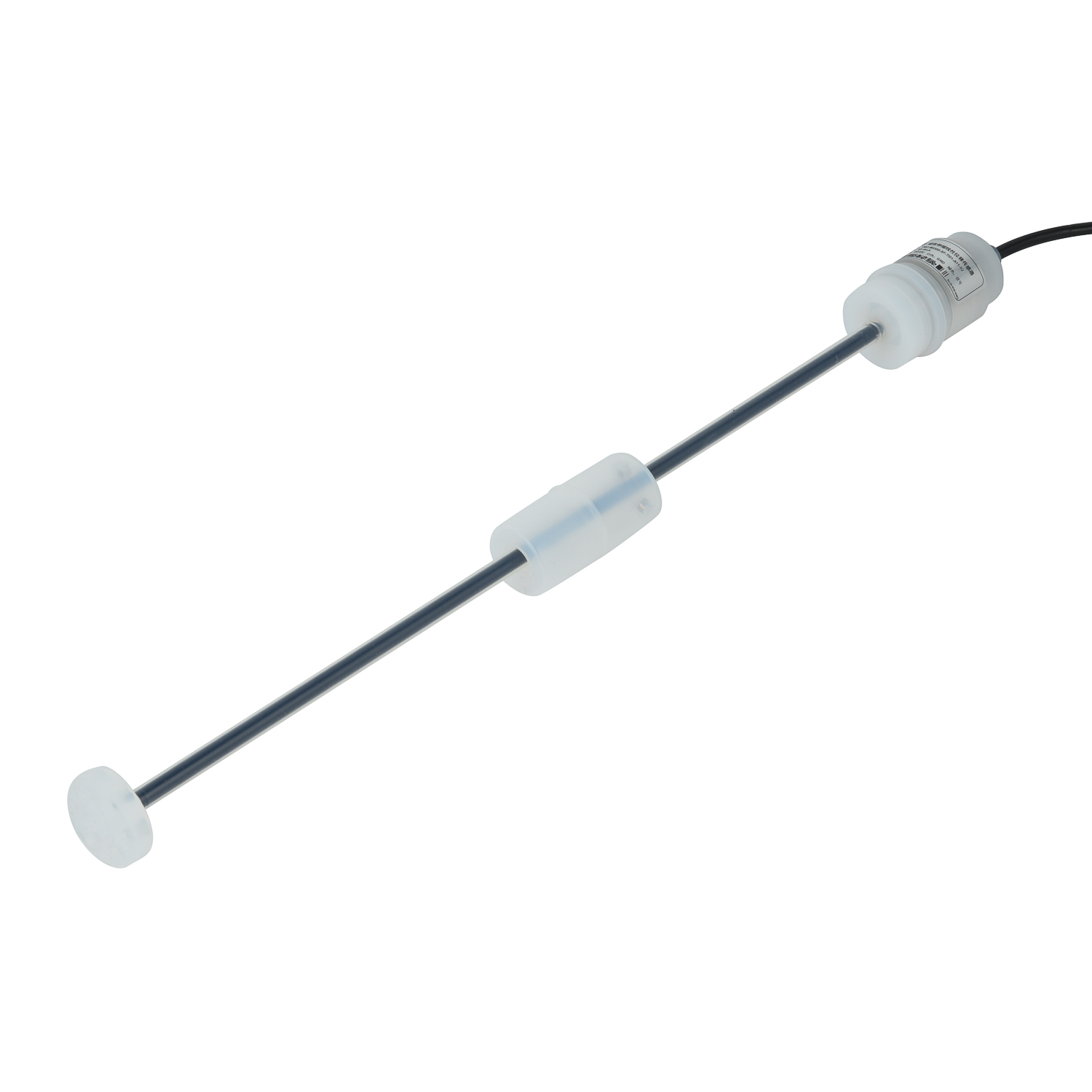
Construction machinery works in harsh conditions, so hydraulic cylinder position must be precise. A built-in magnetostrictive displacement sensor provides real-time feedback inside the cylinder. It measures stroke, speed, and absolute position without external parts. This protects the sensor from dust, impact, water, and vibration. It is widely used in excavators, cranes, loaders, and drilling rigs. The sensor works by magnetostriction. A current pulse travels through a waveguide. A movable magnet interacts with the pulse and creates a torsional strain wave. The time between pulse launch and wave detection shows the magnet position. This principle gives high accuracy, repeatability, and stable performance after power loss. For construction machines, the built-in design saves space and simplifies integration. Outputs include CANbus, analog, and SSI. Controllers can manage boom, arm, bucket, and outrigger motion smoothly. The sensor helps prevent overload, reduce shock, and improve fuel efficiency by matching hydraulic output to real demand. Installation needs careful cylinder modification, sealing, and magnet placement. The rod or piston must fit the probe, and the housing must resist pressure peaks. Check connectors and cables regularly. With IP67 or higher protection, the sensor tolerates dust, water, and temperature changes. As smart construction and electrohydraulic control grow, magnetostrictive sensors will become more compact, robust, and networked. They give machine builders a reliable way to achieve precision, safety, and productivity in tough environments.
 Linear Displacement Sensor for
 Linear Displacement Sensor for
 Linear Displacement Sensor for
 Linear Displacement Sensor for