
Linear Displacement Sensor for Silos
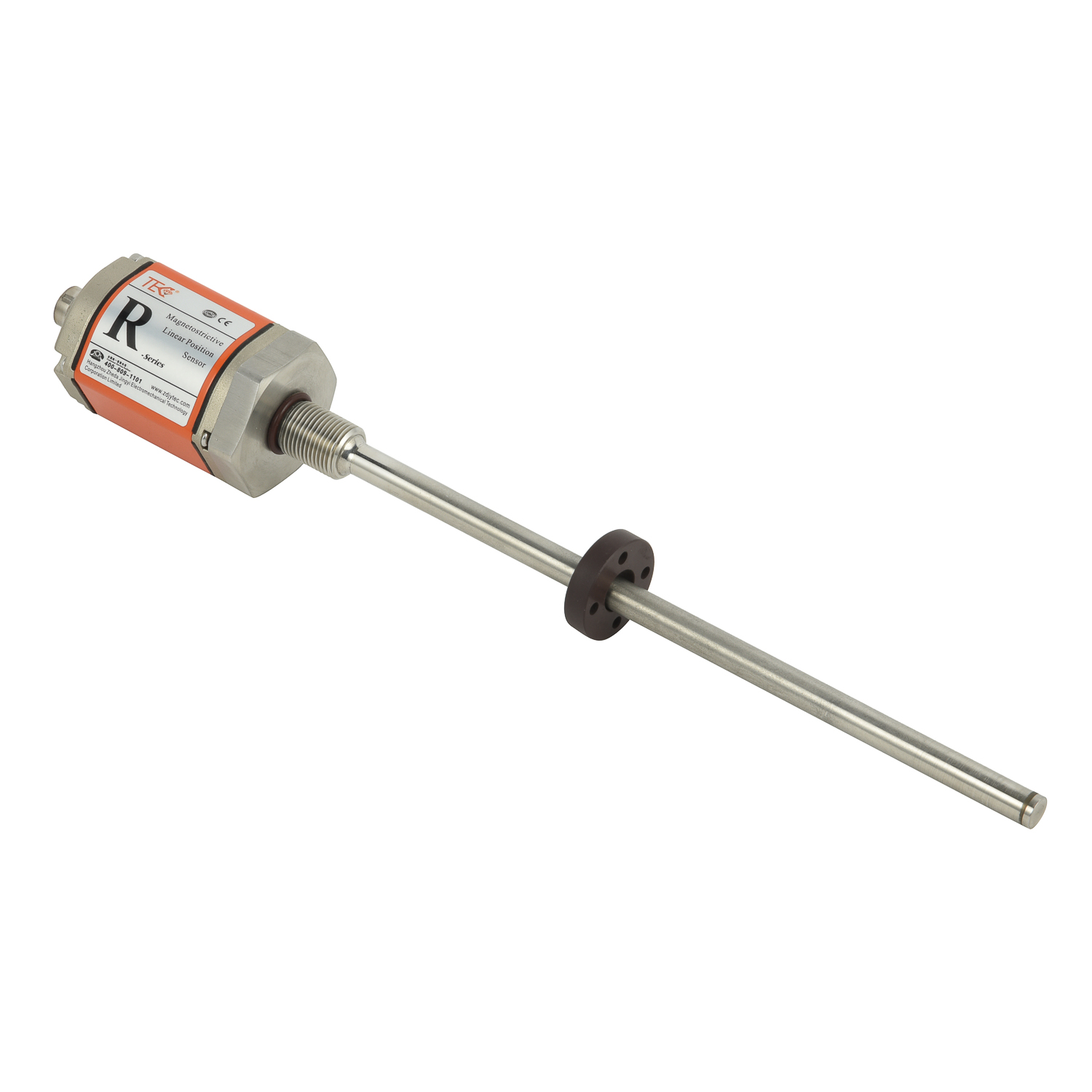
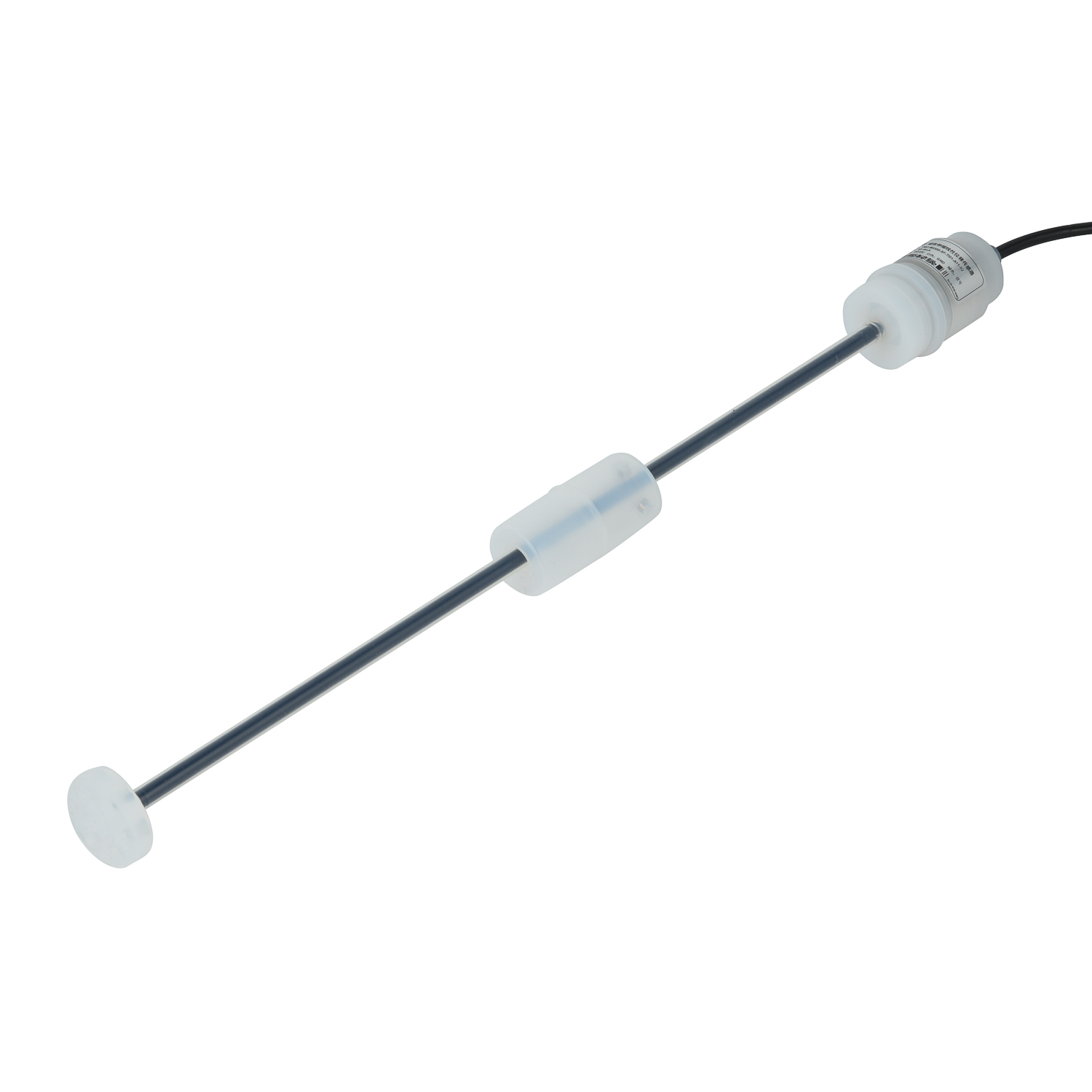
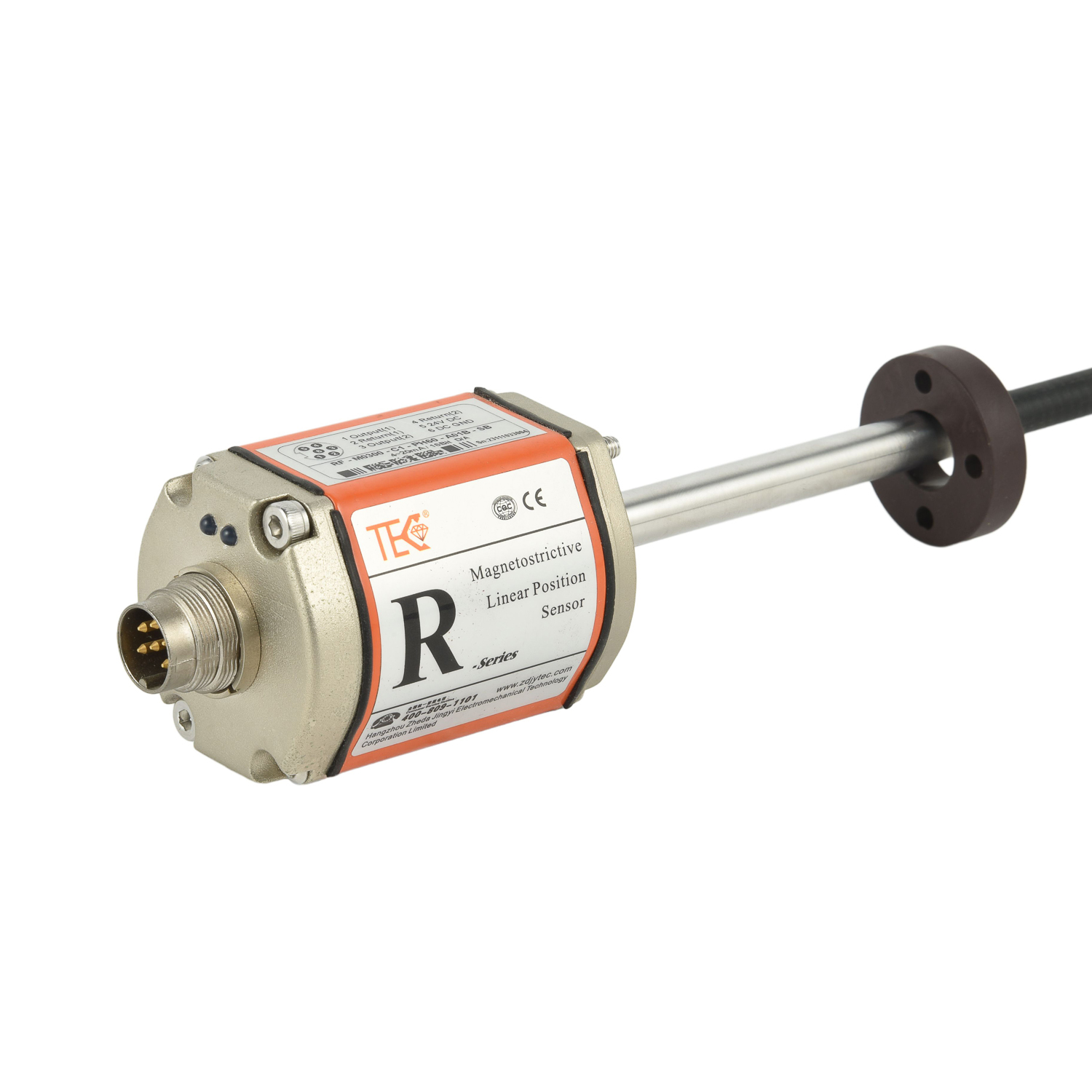
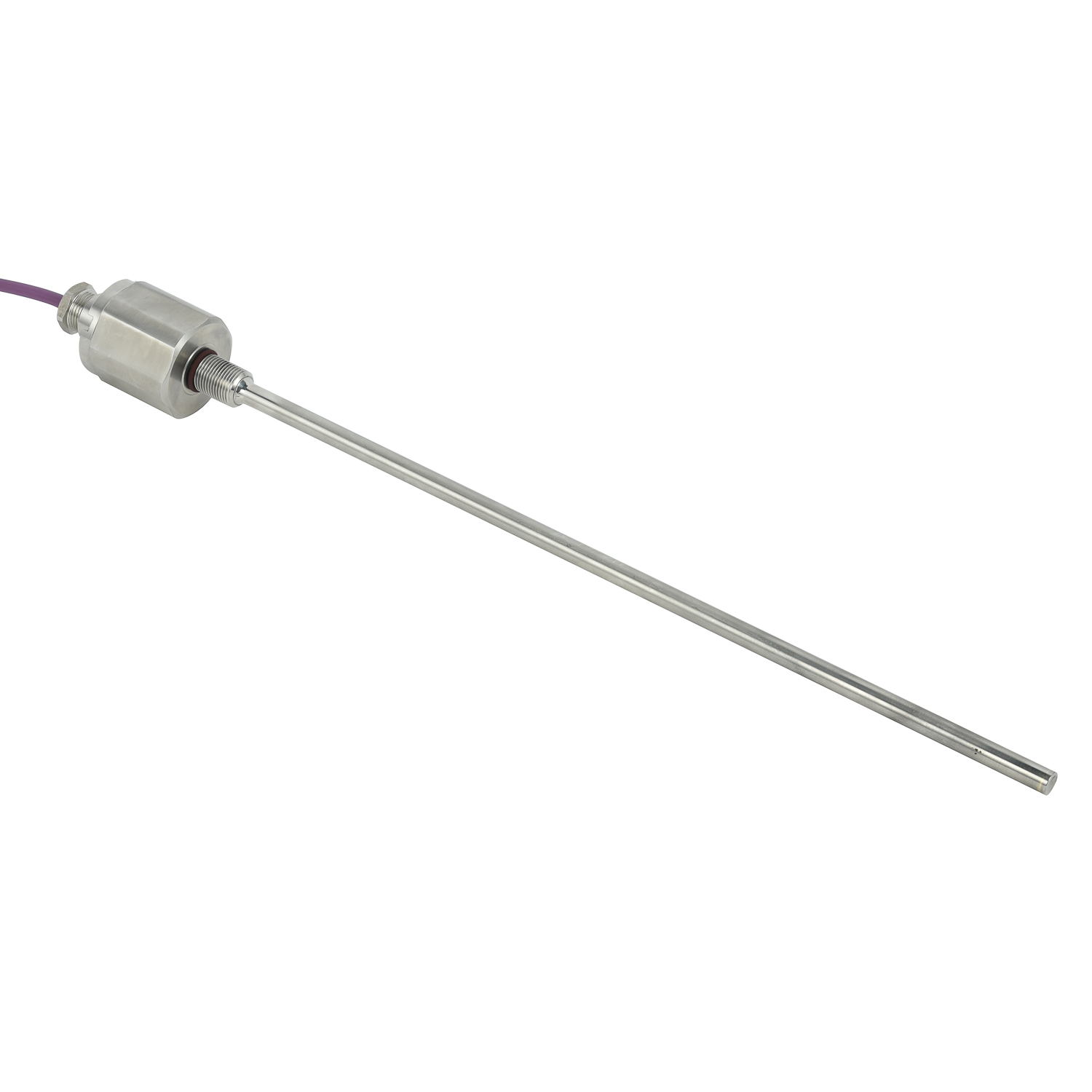
Linear displacement sensors are essential for reliable level and position measurement in silos. In bulk storage, dust, vibration, and temperature changes can reduce the accuracy of conventional devices. A linear displacement sensor for silos provides continuous feedback on the movement of ploughs, gates, valves, and discharge mechanisms. It helps operators monitor opening positions, detect blockages, and maintain stable material flow. Modern sensors use robust potentiometric, magnetostrictive, or inductive principles to deliver repeatable readings in harsh conditions. Stainless steel housings, sealed connectors, and wide temperature ranges improve durability. When installed on silo gates or feeding systems, the sensor converts mechanical travel into an electrical signal for PLCs and control systems. This supports precise automation, prevents overflow, and reduces downtime. For best results, select a stroke length that matches the application, verify IP rating, and use shielded cables to limit electrical noise. Regular calibration and inspection keep measurements accurate. Choose a sensor with high linearity, shock resistance, and protection against dust and moisture. Correct mounting alignment avoids side loads and extends service life. In cement, grain, feed, and chemical plants, these sensors support safe filling, accurate dosing, and smooth outloading. With proper integration, linear displacement sensors improve silo safety, process efficiency, operational control, and stable operation.
 Linear Displacement Sensor for
 Linear Displacement Sensor for
 Linear Displacement Sensor for