
Linear Displacement Sensor for Reaction Kettles
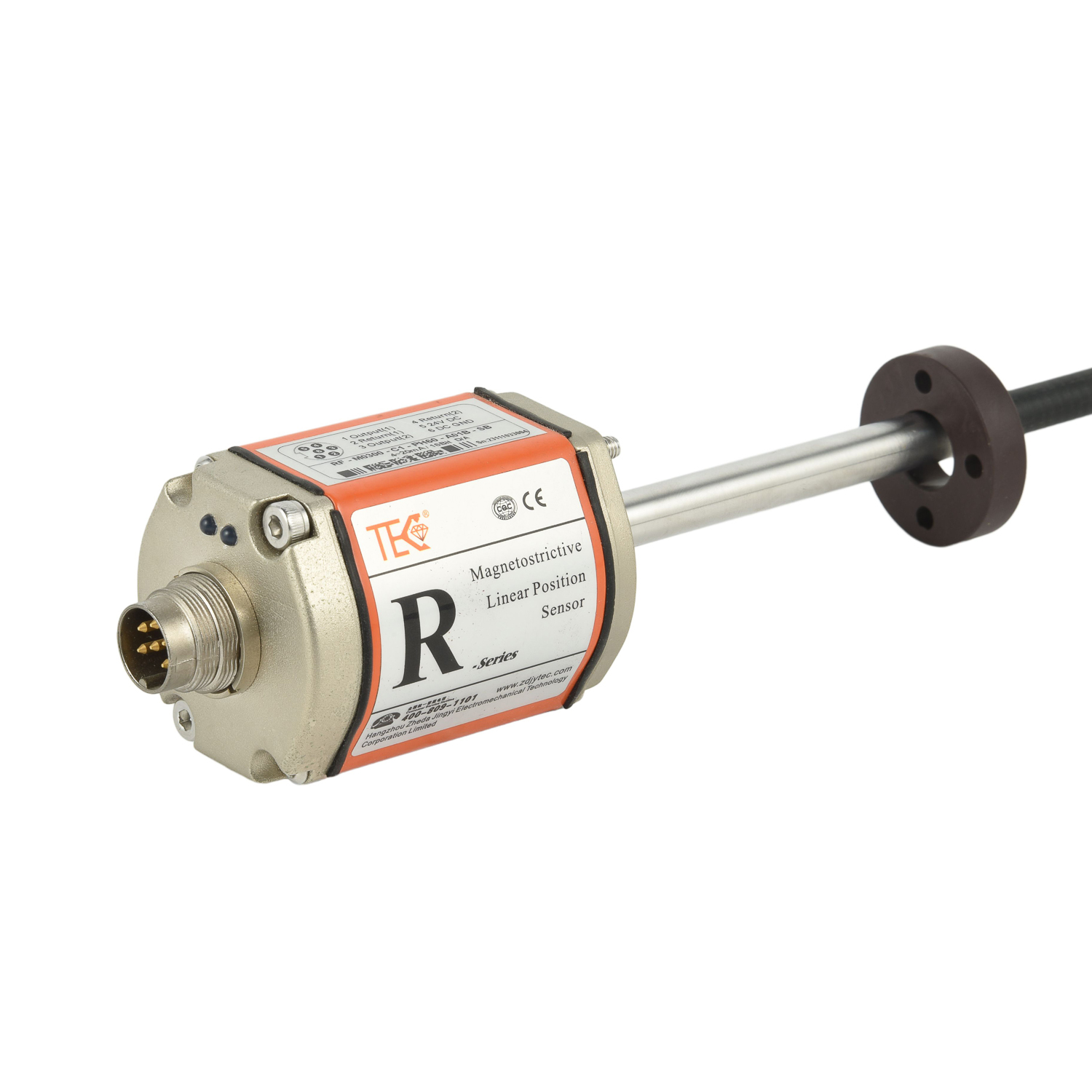
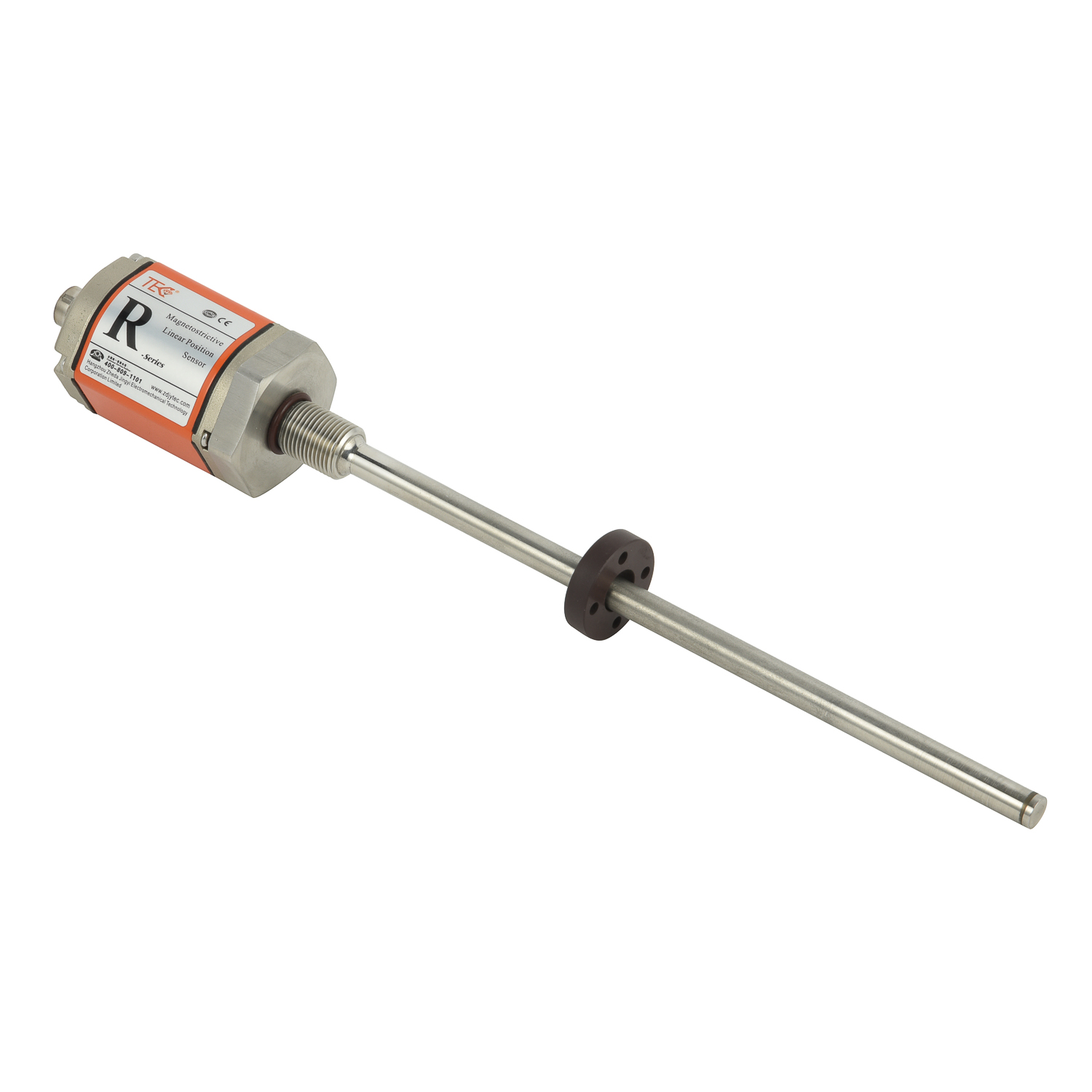
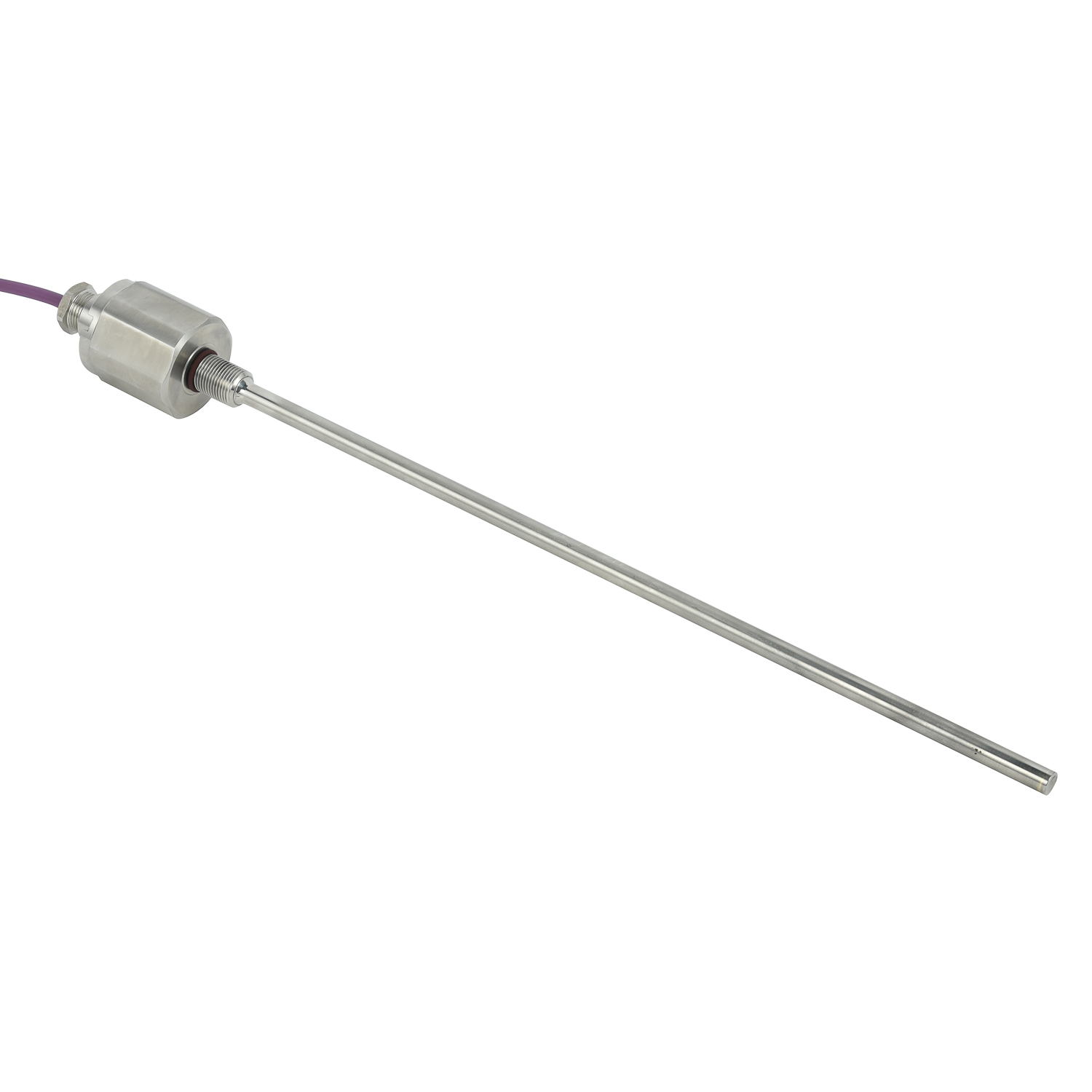
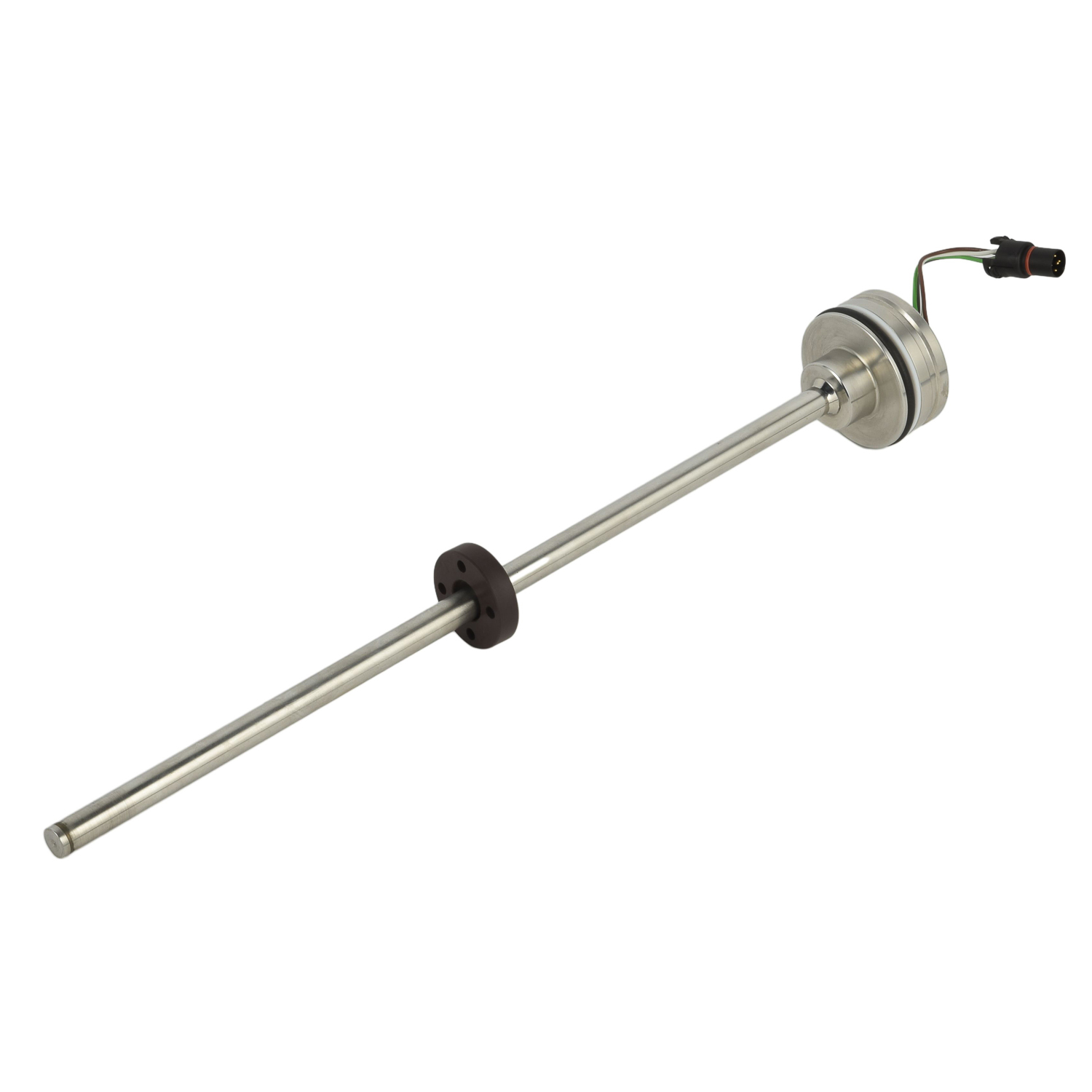
Reaction kettles demand reliable position feedback to protect agitators, seals, and pressure boundaries. A linear displacement sensor monitors small axial movements caused by thermal expansion, pressure changes, and mechanical load. In chemical processing, this data supports safer operation and more consistent product quality. LVDT sensors are often preferred because they offer non-contact measurement, high repeatability, and long service life in harsh environments. Magnetostrictive and eddy-current sensors can also suit specific stroke and mounting needs. The sensor must resist high temperature, vibration, corrosion, and electromagnetic interference. Proper mounting, thermal isolation, and regular calibration improve accuracy and reduce downtime. When integrated with a control system, a linear displacement sensor enables real-time alarms, predictive maintenance, and precise agitator positioning. It can also track shaft lift, sealing gap changes, and lid movement during batch reactions. These measurements help operators detect abnormal wear before it causes costly failures. Selecting the right industrial position sensor for a reaction kettle requires attention to stroke, resolution, IP rating, explosion protection, and temperature compensation. Analog or digital outputs should match the plant control platform, and the cable route must avoid heat and chemical exposure. With robust design and correct installation, linear displacement sensors help chemical plants improve safety, efficiency, and equipment reliability.
 Linear Displacement Sensor for
 Linear Displacement Sensor for
 Linear Displacement Sensor for