
Linear Displacement Sensor for Hoists
Hoists depend on accurate position feedback to move loads safely, stop at the correct height, and avoid overload or slack-rope conditions. A linear displacement sensor provides direct measurement of hook or drum movement, making it a reliable choice for demanding lifting applications. Unlike rotary encoders that infer position through cables, pulleys, or gear ratios, a linear sensor measures travel along a defined path. This reduces errors caused by mechanical wear, backlash, and rope stretch.
Modern sensors for hoists often use magnetostrictive, inductive, or potentiometric principles. Magnetostrictive and inductive models offer non-contact operation, high repeatability, and resistance to shock, vibration, dust, and moisture. They can provide analog outputs such as 4–20 mA or 0–10 V, plus digital interfaces for PLCs and controllers. When specifying a unit, consider stroke length, resolution, linearity, IP rating, temperature range, mounting space, and compatibility with the hoist control system. Proper installation is essential: align the sensor with the travel path, protect it from impact, and route cables away from high-current motor lines. With correct selection, a linear displacement sensor improves positioning accuracy, supports anti-sway and load-monitoring functions, and helps reduce maintenance and downtime. For hoists operating in harsh environments, choose rugged models with sealed housings and proven vibration resistance.
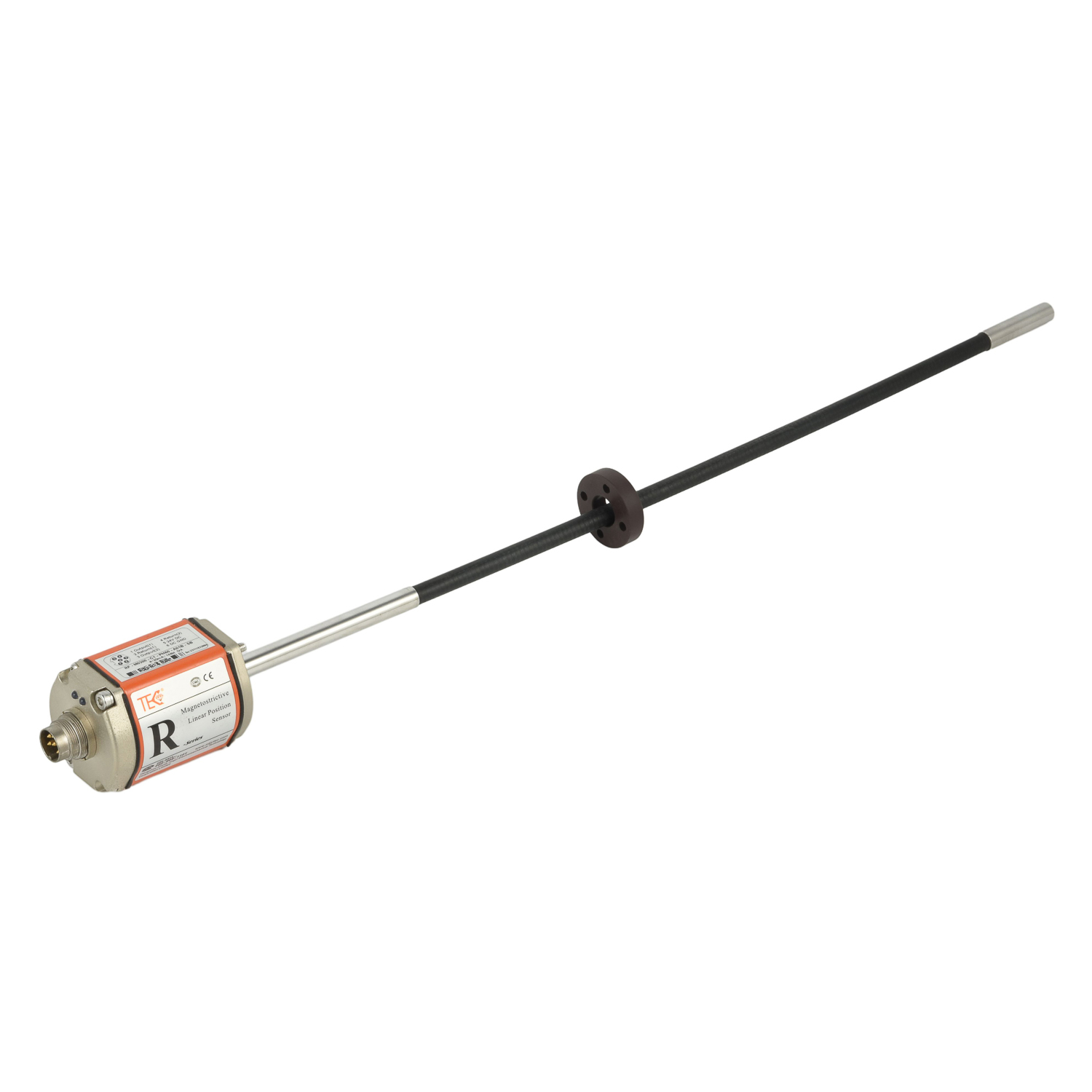
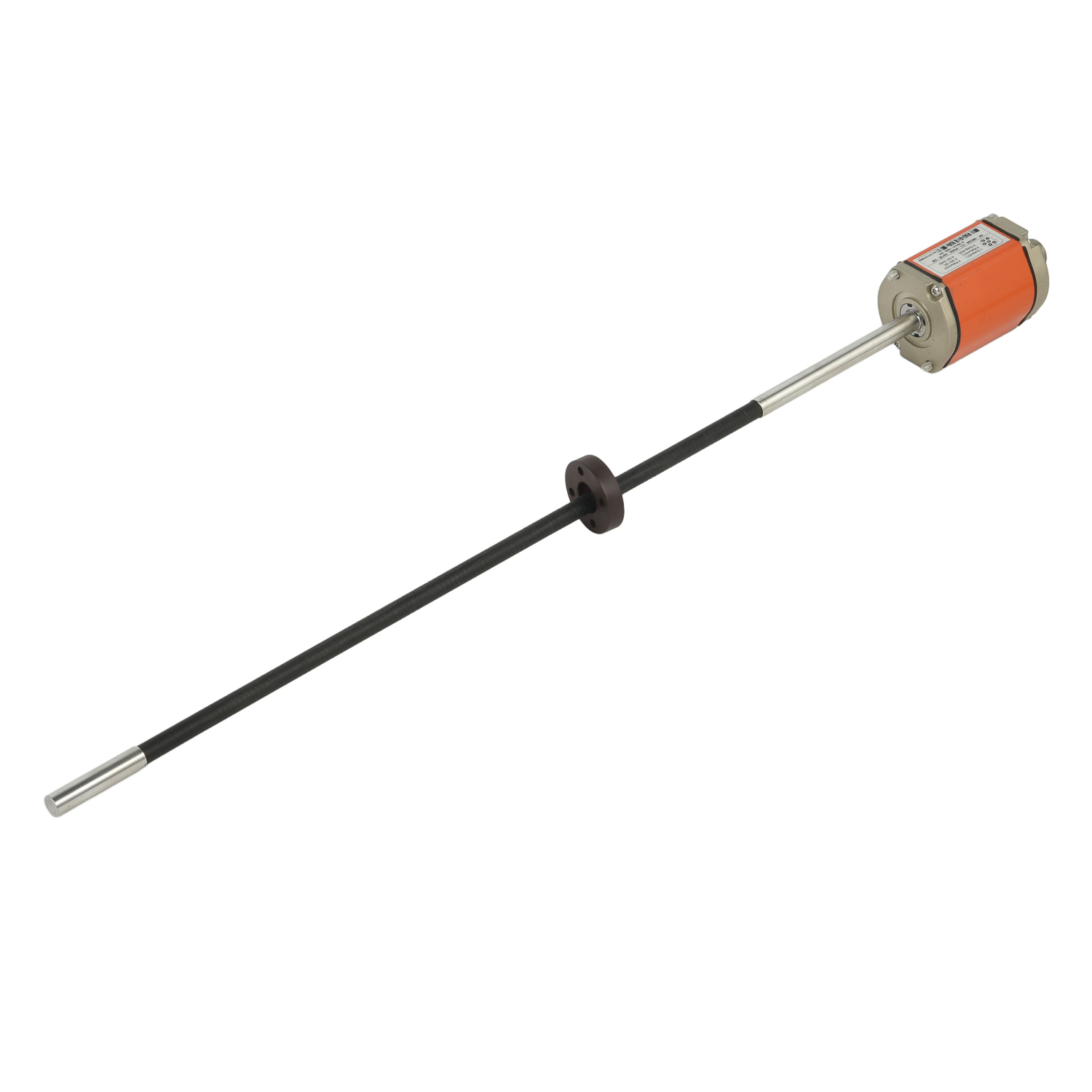 Linear Displacement Sensor for
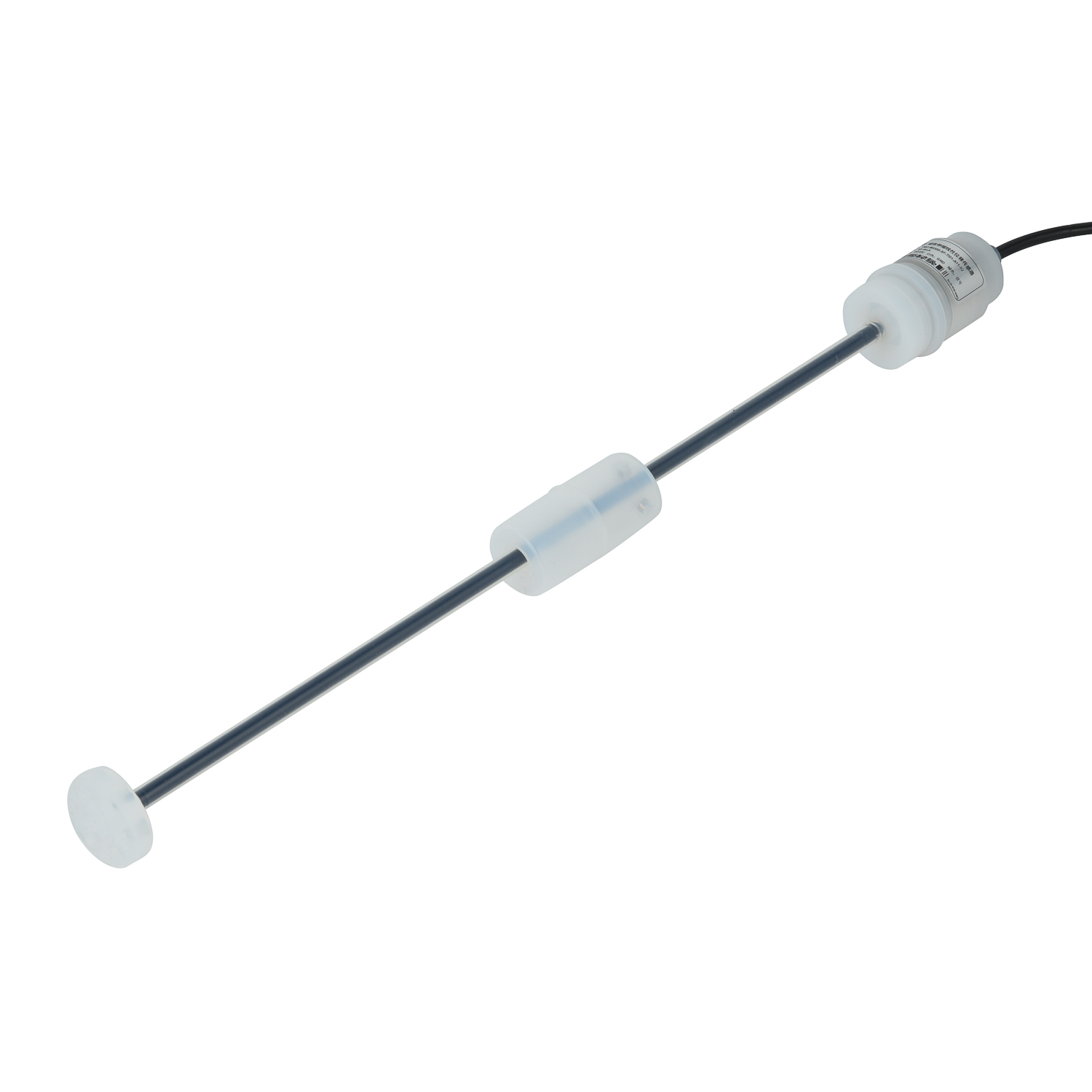 Linear Displacement Sensor for
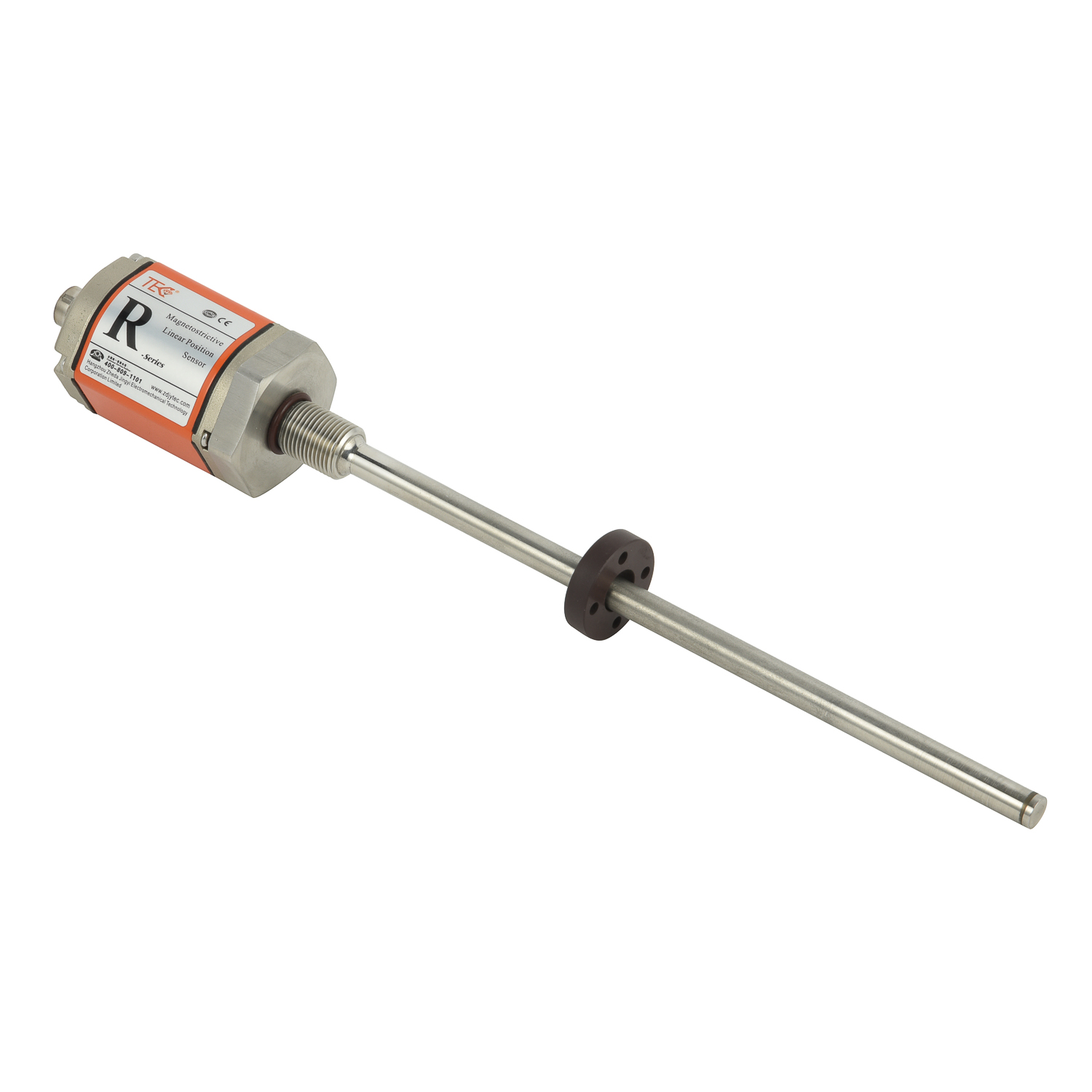 Linear Displacement Sensor for