
Linear Displacement Sensor for Injection Molding Machines
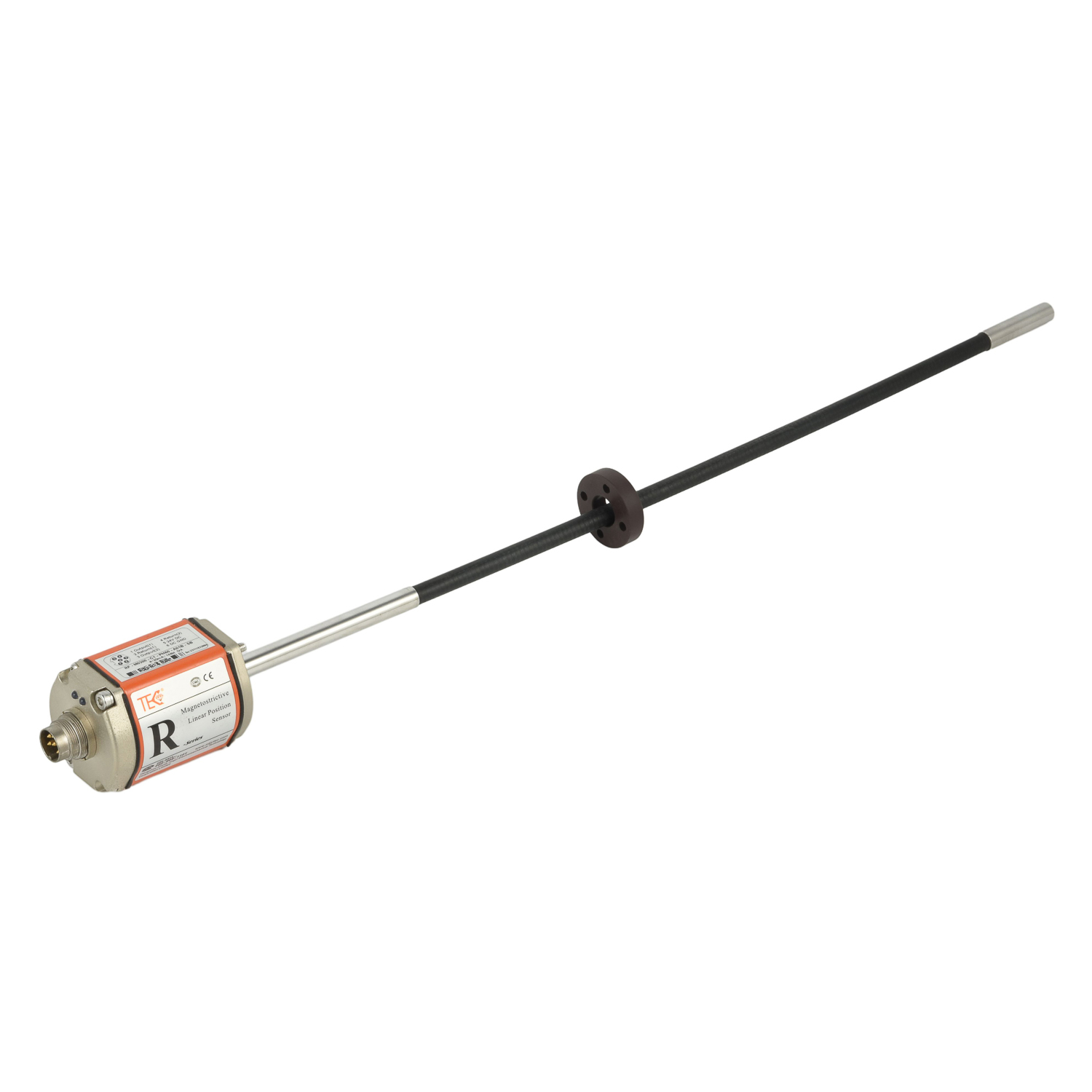
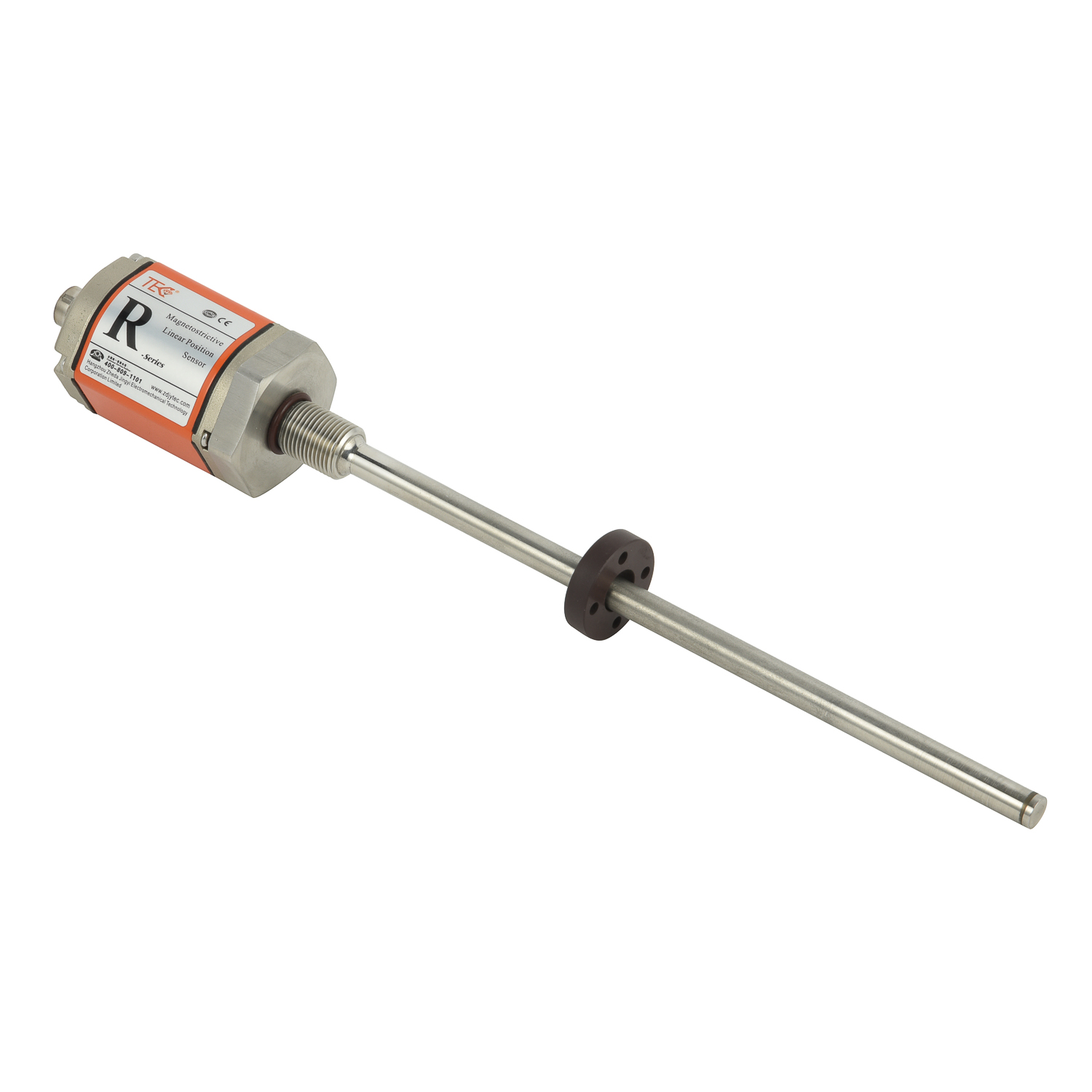
Linear displacement sensors are essential components in modern injection molding machines. They provide continuous position feedback for the moving platen, injection screw, ejector system, and mold adjustment mechanisms. By converting linear motion into precise electrical signals, these sensors help the controller maintain accurate stroke positions and repeatable process settings.
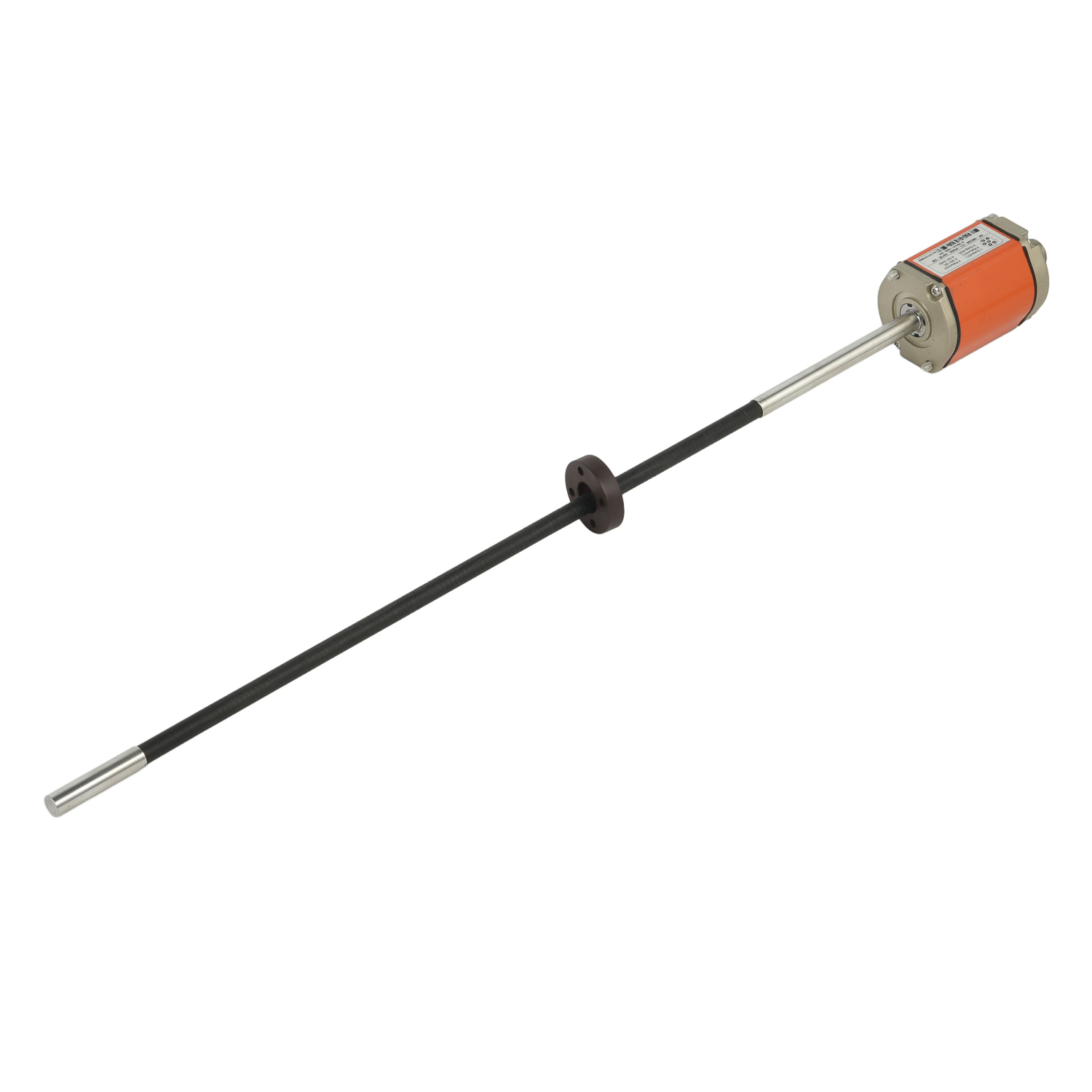
In injection molding, even small positioning errors can affect part quality, cycle time, and mold safety. A reliable linear displacement sensor supports closed-loop control, enabling the machine to adjust injection speed, holding pressure, and mold opening positions in real time. This improves dimensional consistency and reduces scrap, especially for precision parts and thin-wall products.
Sensors also play a key role in mold protection. Accurate position data allows the system to detect abnormal movement and stop the machine before expensive mold damage occurs. For high-speed production, stable feedback helps reduce downtime and maintenance costs.
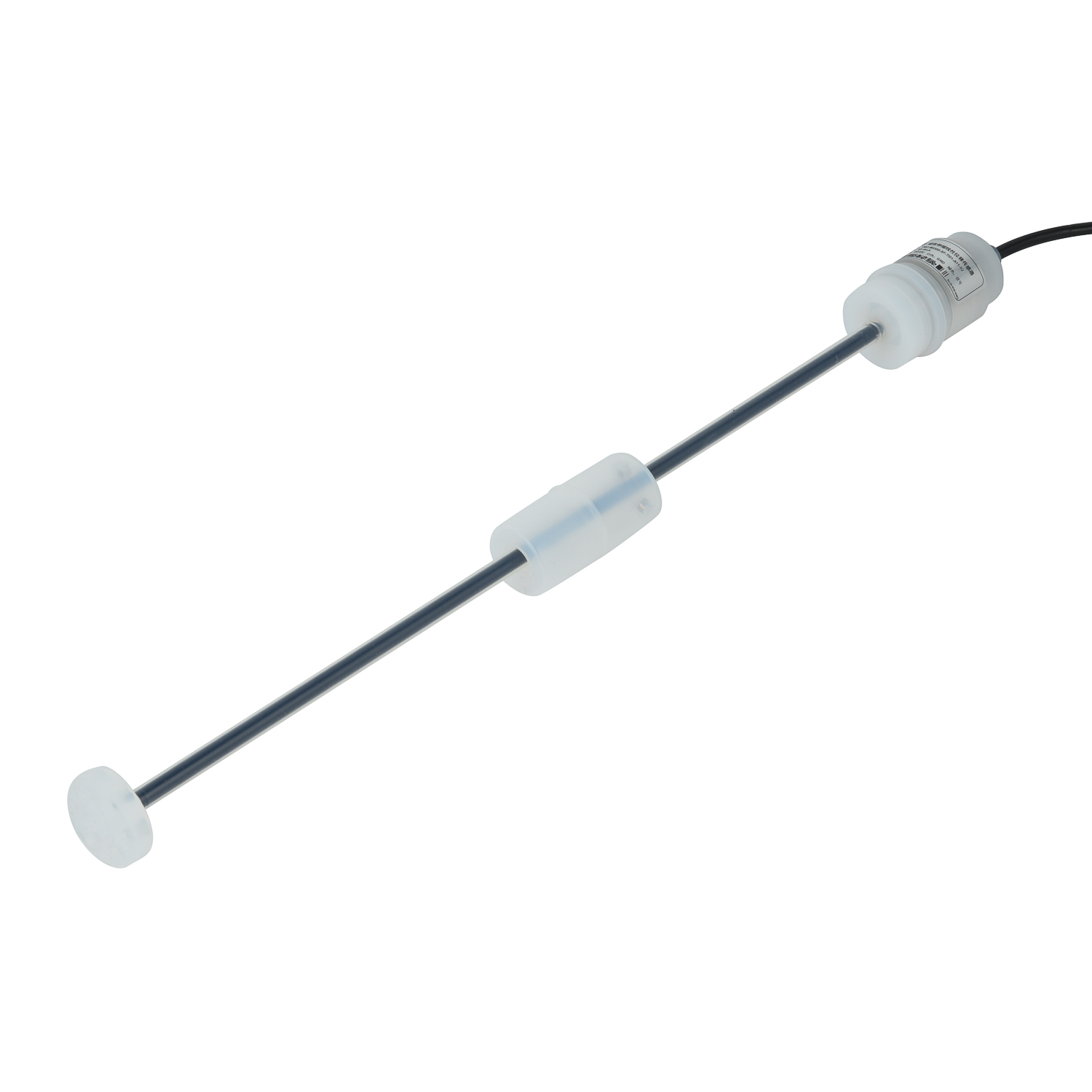
When selecting a sensor, consider measuring range, resolution, repeatability, protection rating, temperature resistance, and resistance to oil, vibration, and contamination. Magnetostrictive, potentiometric, and linear encoder technologies are common options. Proper mounting and regular calibration are important for long-term performance.
With the right linear displacement sensor, injection molding machines can achieve higher accuracy, safer mold operation, and more consistent output. Regular inspection helps ensure reliable service in demanding factory environments.
Linear Displacement Sensor for
 Linear Displacement Sensor for
 Linear Displacement Sensor for
 Linear Displacement Sensor for