
Mining High-temperature Magnetostrictive Displacement Sensor
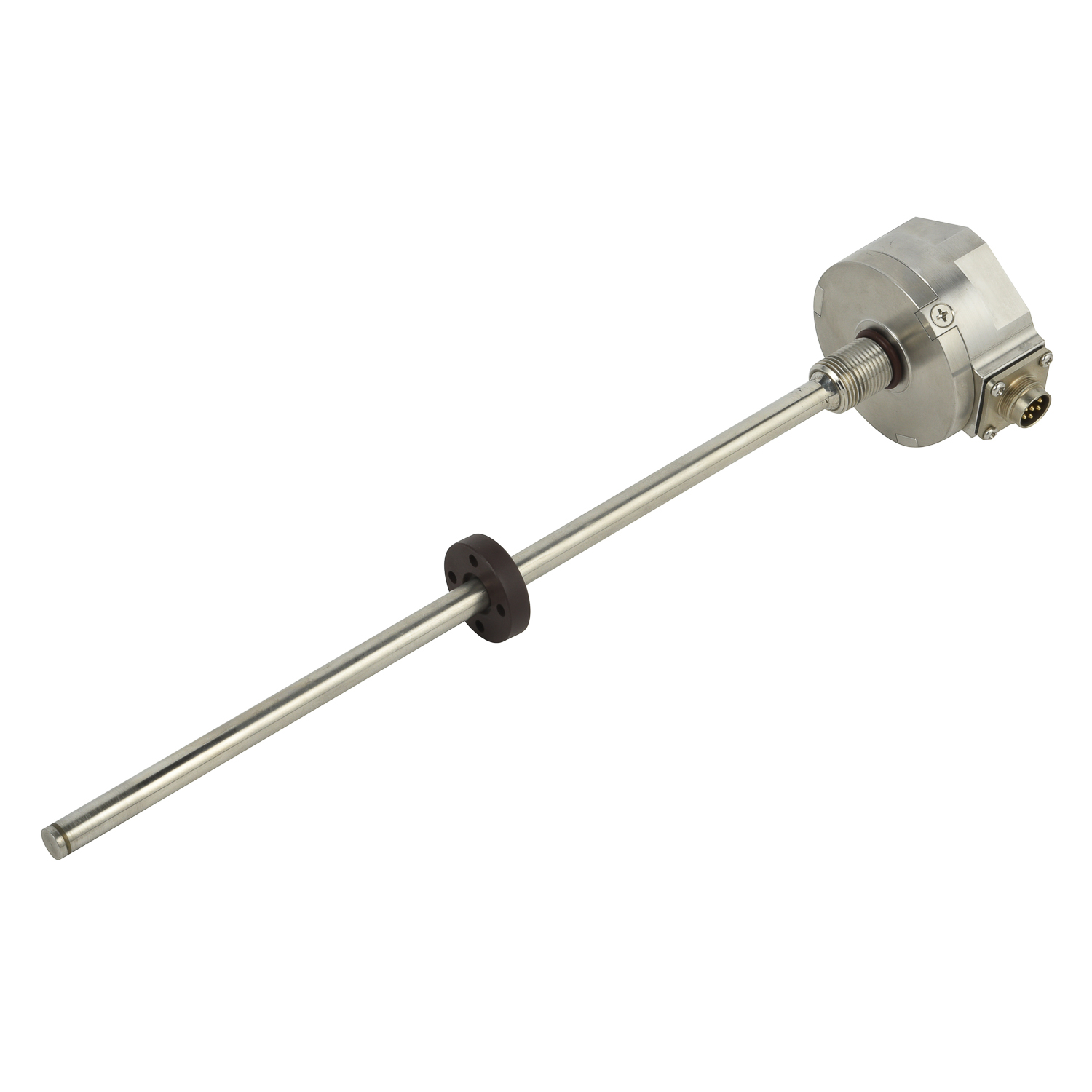
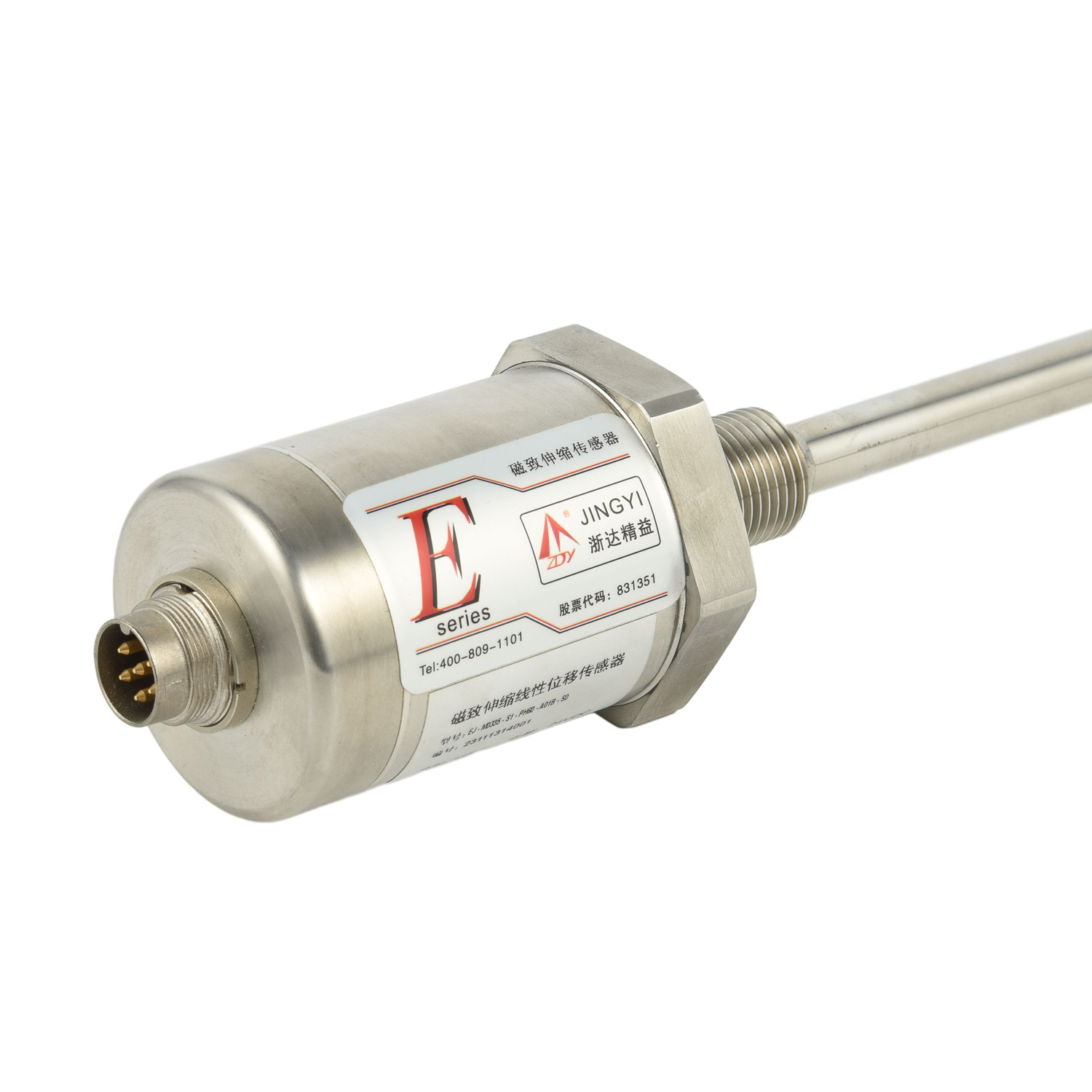
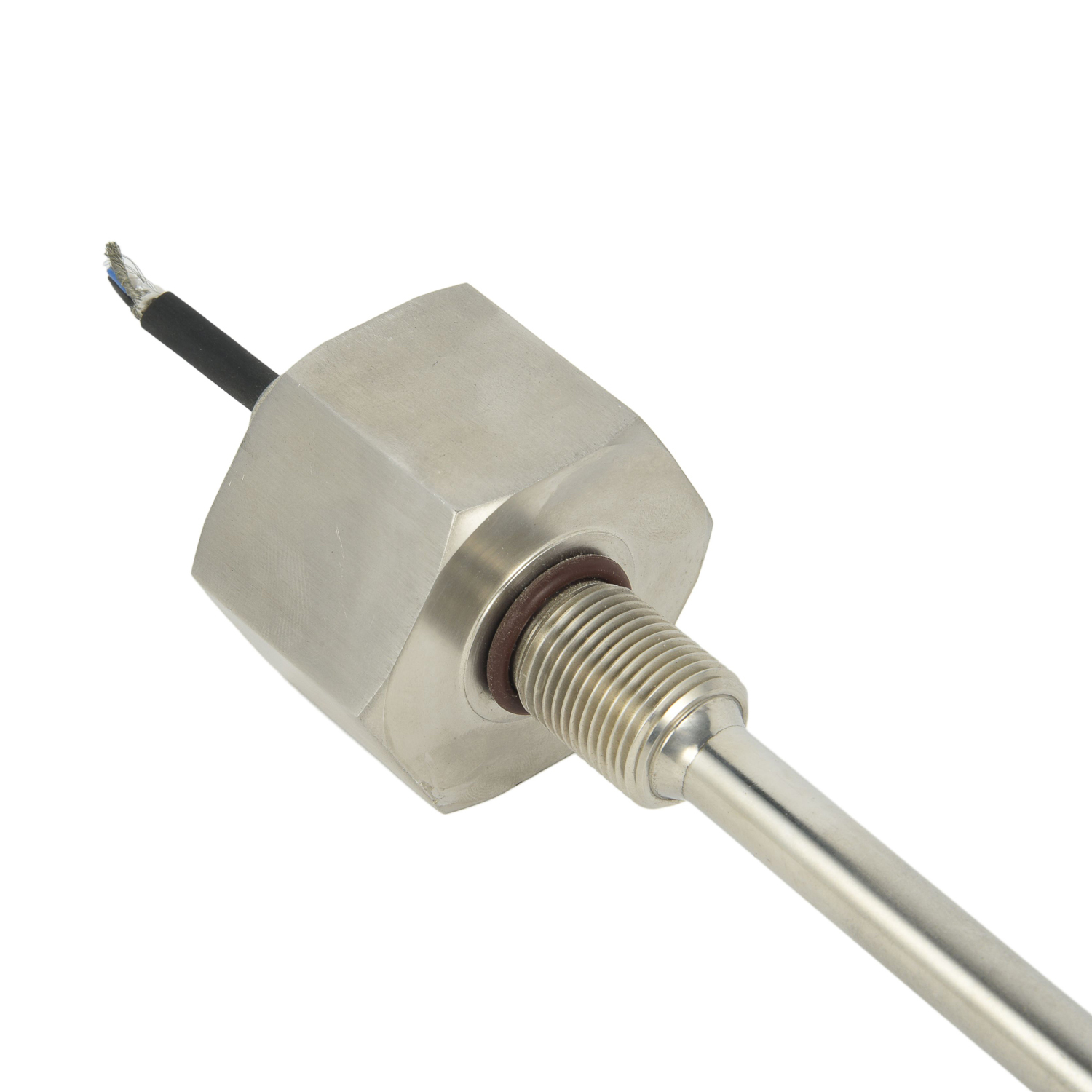
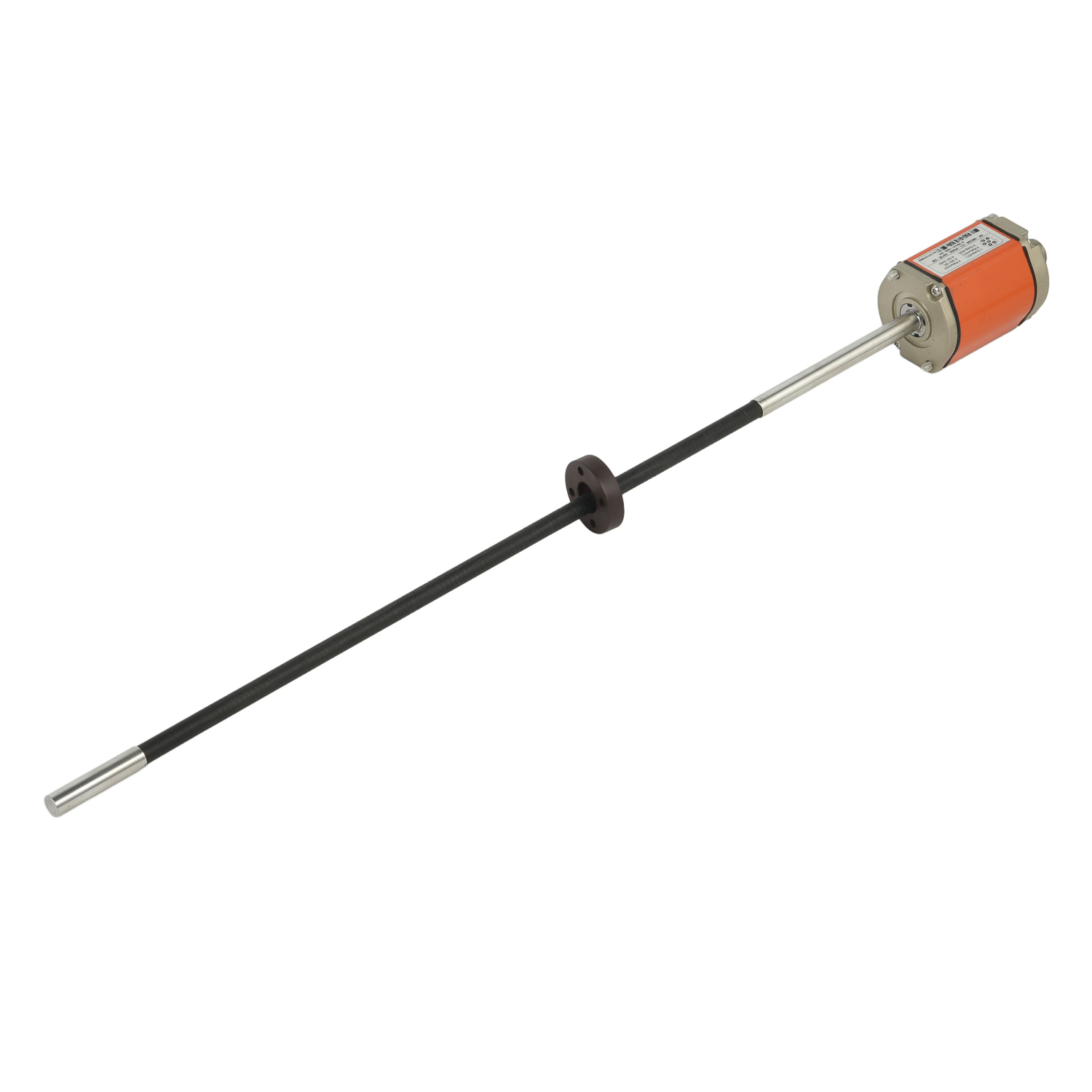
In underground mines, extreme heat, dust, vibration, and moisture damage ordinary position sensors. The mining high-temperature magnetostrictive displacement sensor is designed for these conditions. It uses the magnetostrictive effect to measure linear movement with high accuracy. A ferromagnetic waveguide, a movable position magnet, and advanced signal processing work together to convert strain pulses into precise displacement data.
Unlike optical or capacitive sensors, magnetostrictive displacement sensors have few moving parts and resist shock, oil, and particulate contamination. High-temperature versions use heat-resistant materials, rugged housings, and sealed connectors. They often operate reliably in temperatures up to 150°C or higher, making them suitable for hydraulic cylinders, drilling booms, crushers, conveyors, and loaders.
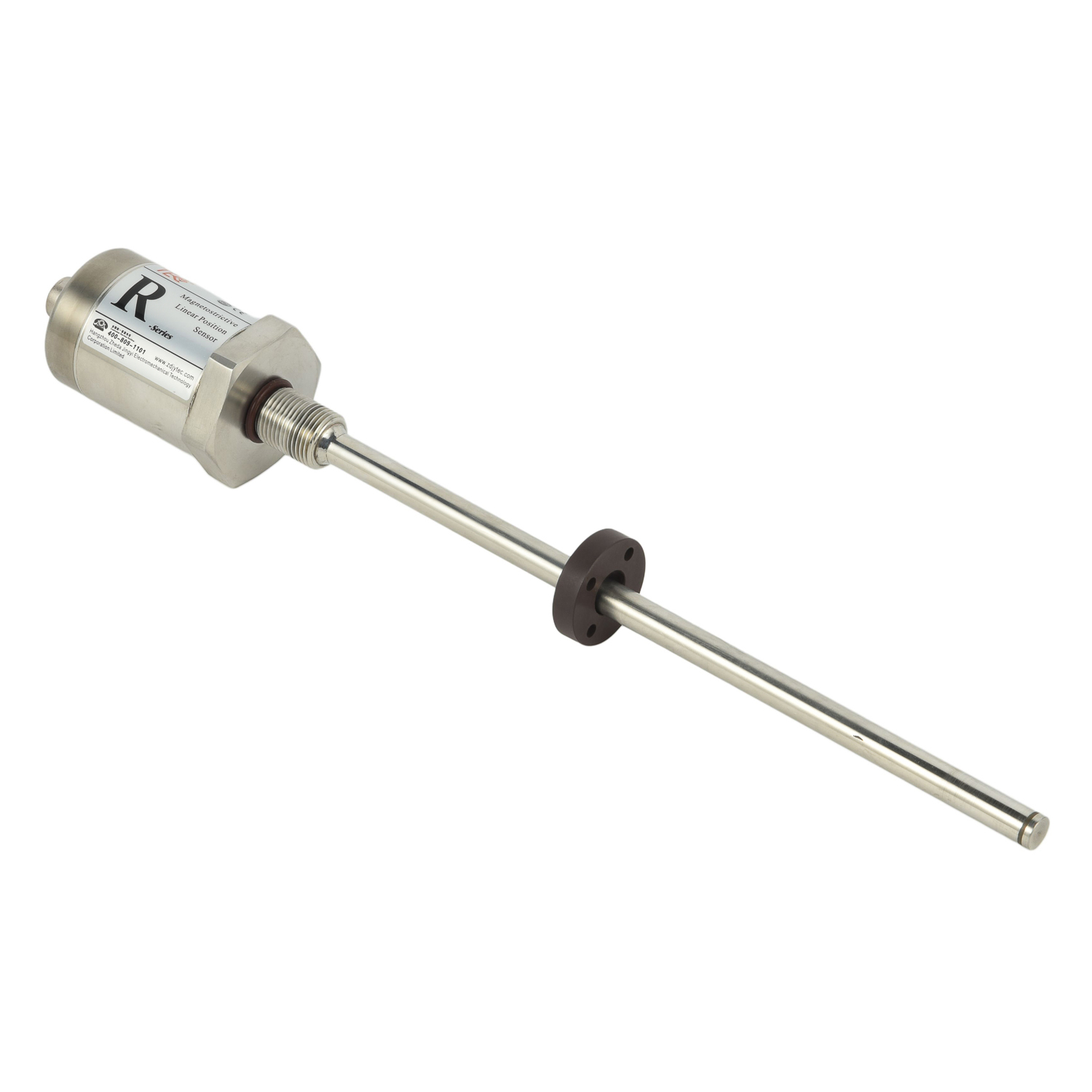
For mining engineers, the main benefits are real-time feedback, long service life, and low maintenance. Accurate displacement measurement improves automation, prevents mechanical overload, and supports predictive maintenance. When integrated with CANbus, RS485, or analog outputs, the sensor sends stable signals to control systems despite electrical noise.
Proper installation matters. Mount the sensor away from direct impact, protect cables, and choose the correct stroke length. Regular inspection extends performance. As mines move toward smart, autonomous equipment, high-temperature magnetostrictive displacement sensors will remain a key technology for safe, efficient underground operations.
 Intrinsically Safe Explosion-p
 Explosion-proof Linear Displac
 Linear Displacement Sensor for
 Linear Displacement Sensor for