
Intrinsically Safe Explosion-proof Linear Displacement Sensor Selection
Selecting an intrinsically safe explosion-proof linear displacement sensor begins with the hazardous area classification. Confirm whether the location is Zone 0, 1, or 2, or Class I/II/III Div 1/2, and record the gas or dust group and temperature class. The sensor must carry the correct ATEX, IECEx, or local certification and be suitable for the required protection concept. Intrinsic safety depends on the whole loop, not only the sensor. Check entity parameters such as Ui, Ii, Pi, Ci, and Li against the associated barrier or galvanic isolator and cable capacitance/inductance. Choose a compatible output, such as 4–20 mA, 0–10 V through an approved isolator, or digital protocols supported by the control system. Mechanical selection matters too: measuring stroke, resolution, repeatability, linearity, shock and vibration tolerance, IP rating, temperature range, and mounting space. For hydraulic or pneumatic cylinders, consider pressure rating and rod or magnet compatibility. Use shielded, low-capacitance cable, correct grounding, and certified cable glands. Keep installation and maintenance simple by selecting a sensor with stable electronics, accessible calibration, and clear labeling. Finally, document the loop calculation, certification, and installation instructions to support safety reviews and reliable operation.
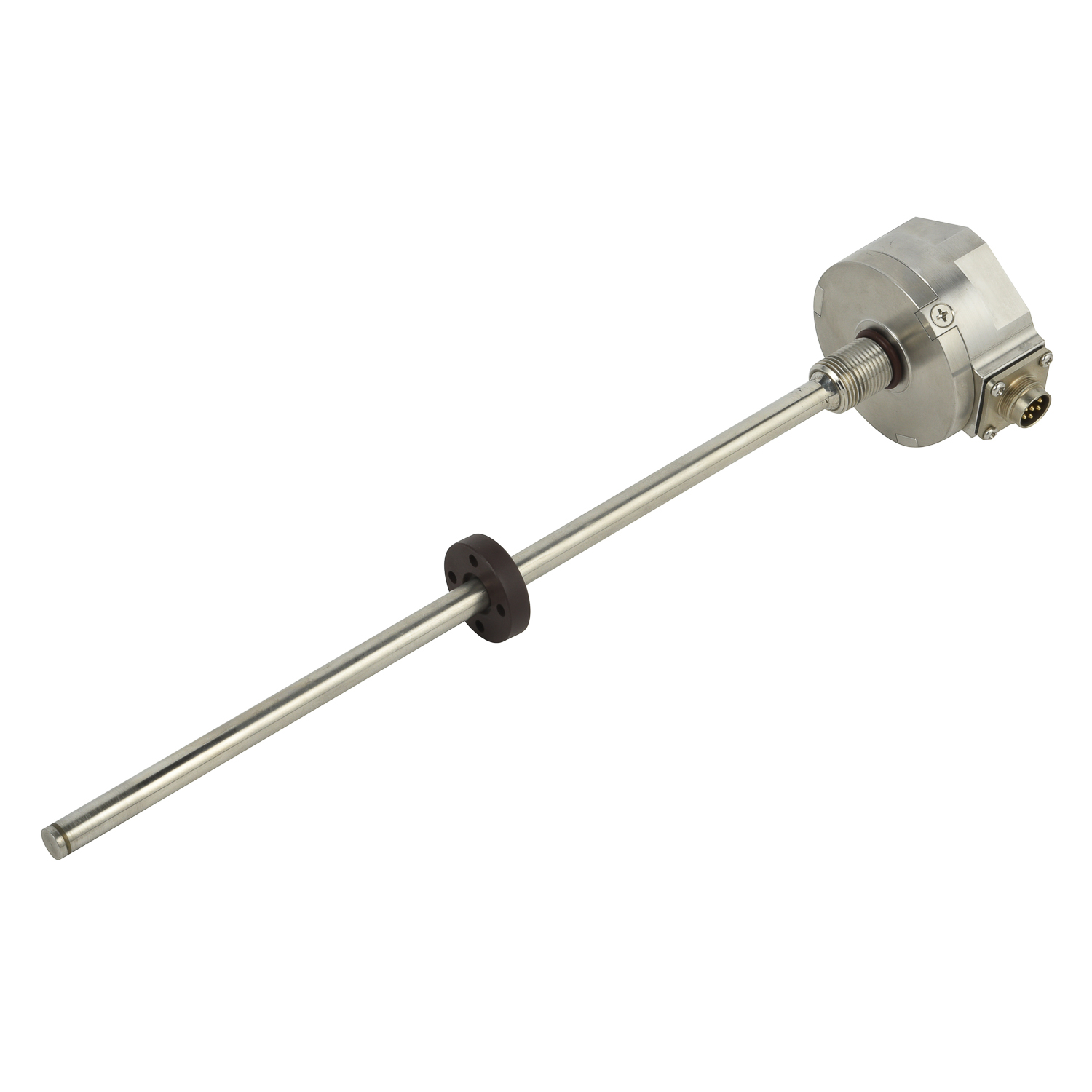 Intrinsically Safe Explosion-p
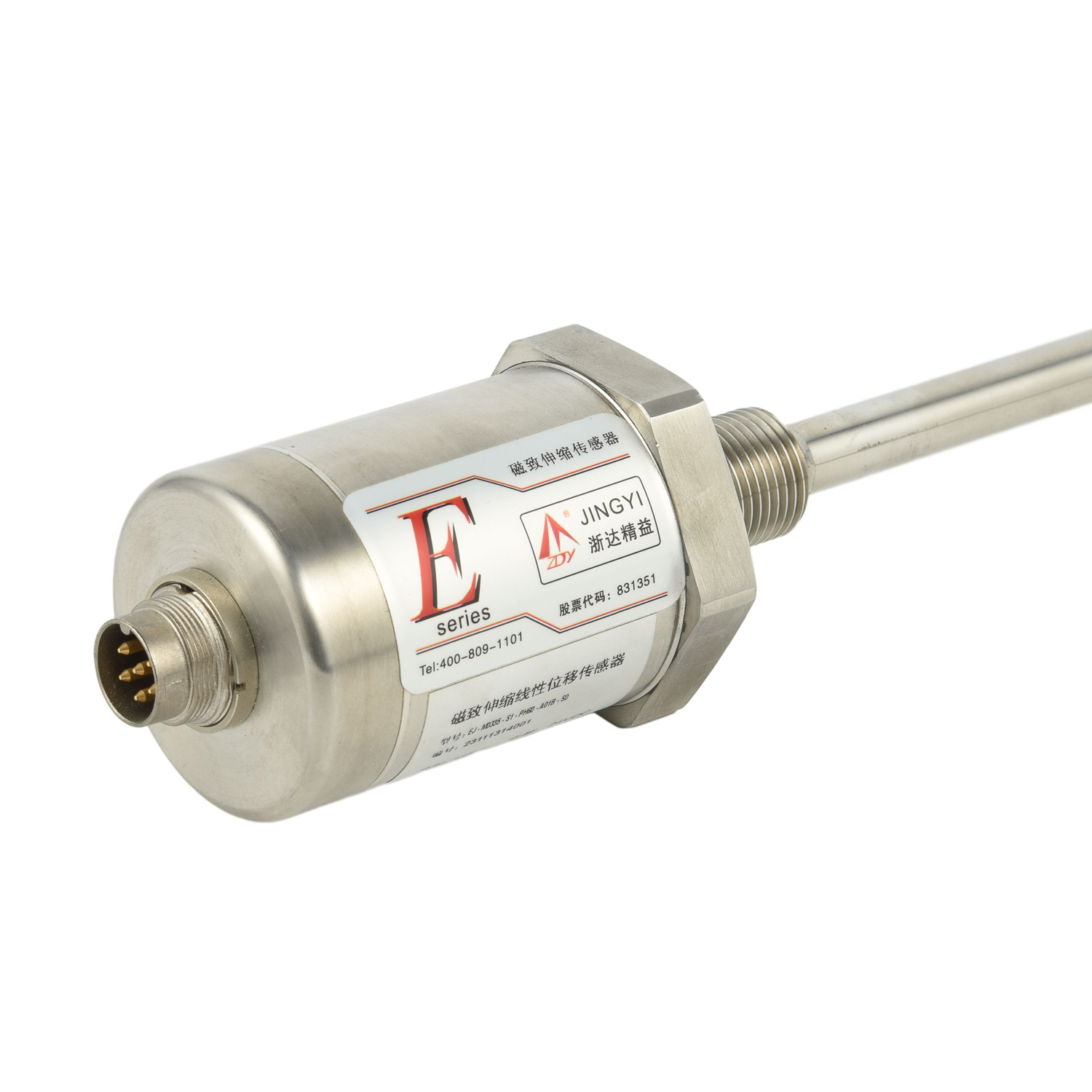 Explosion-proof Linear Displac
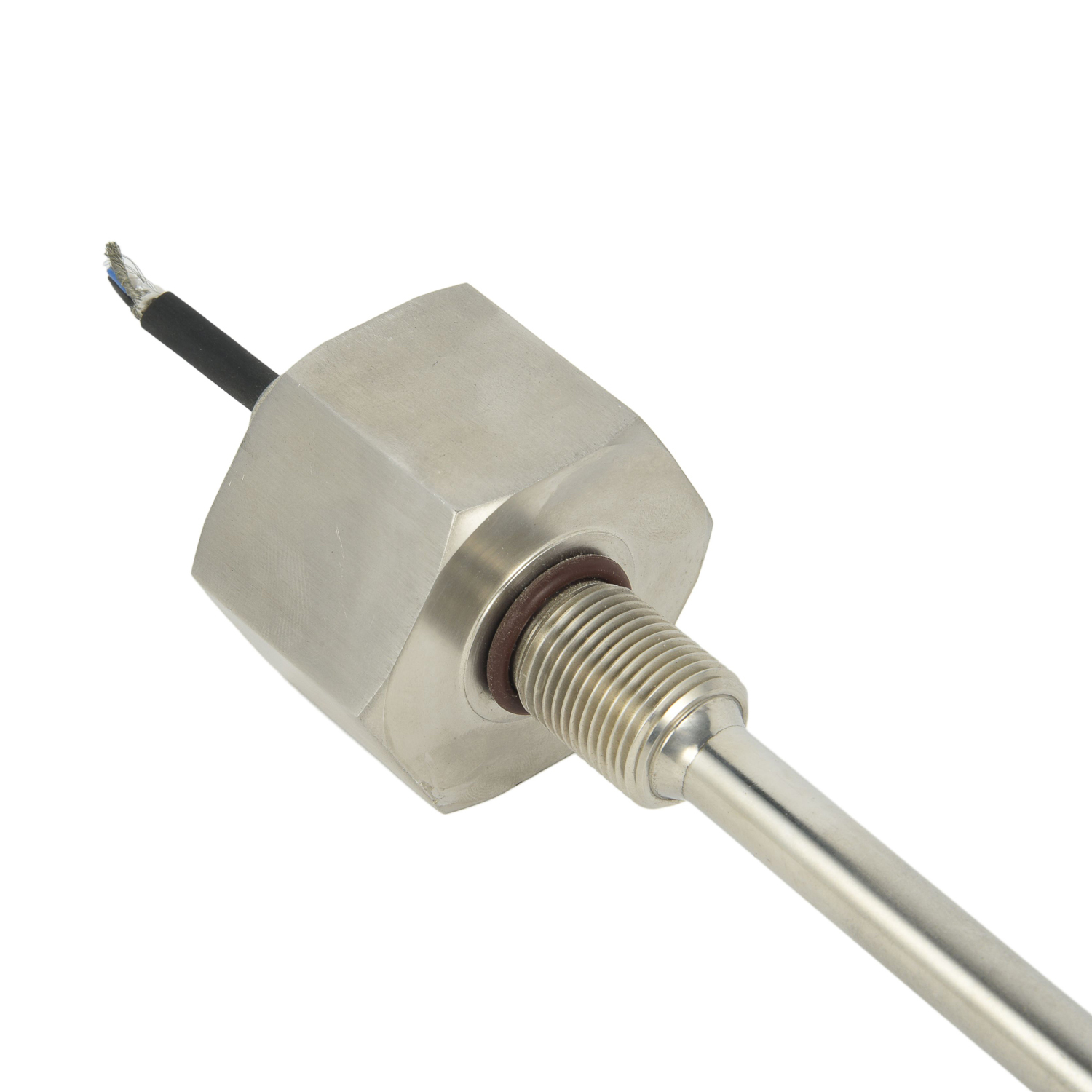 Linear Displacement Sensor for
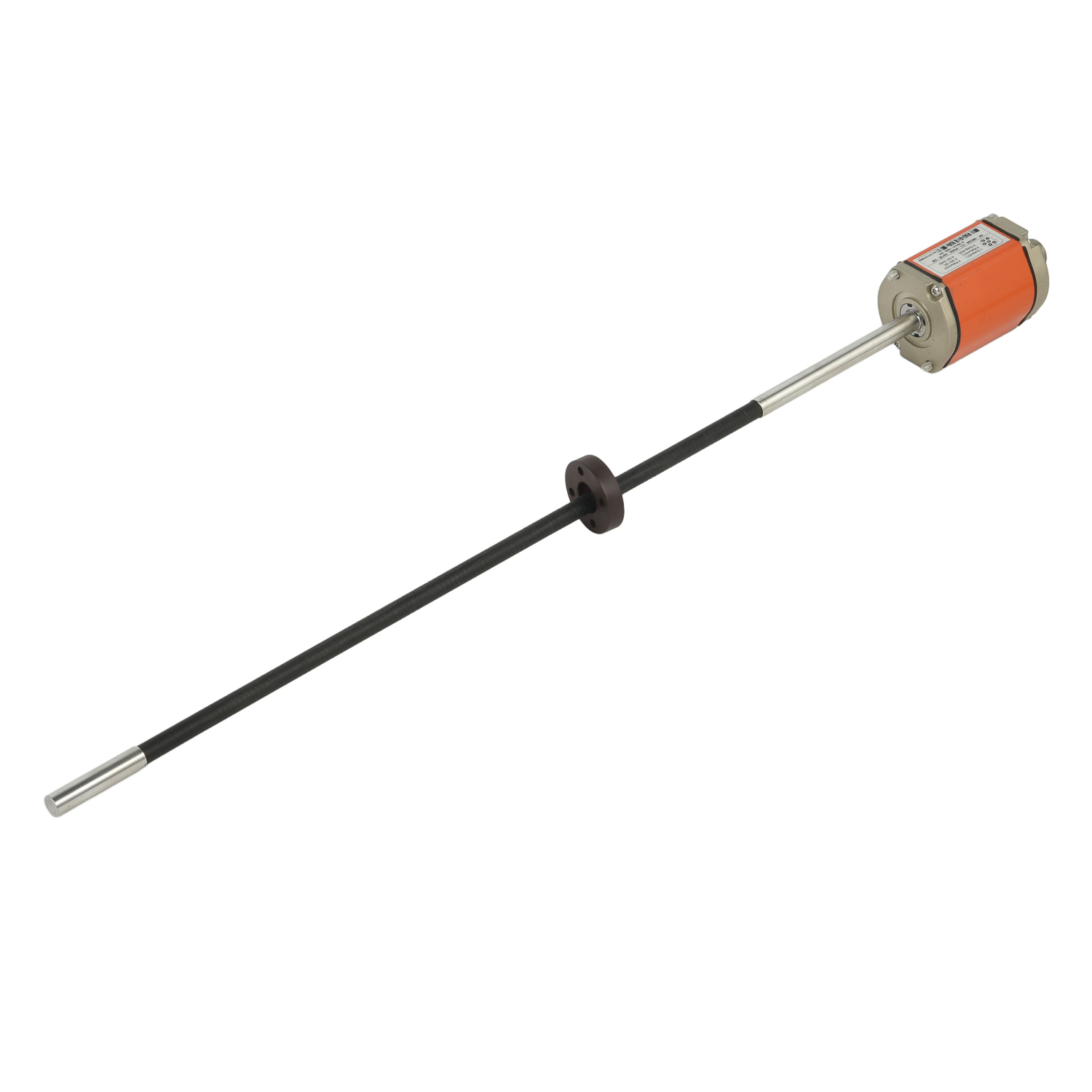 Linear Displacement Sensor for