
Linear Displacement Sensor for Die Casting Machines
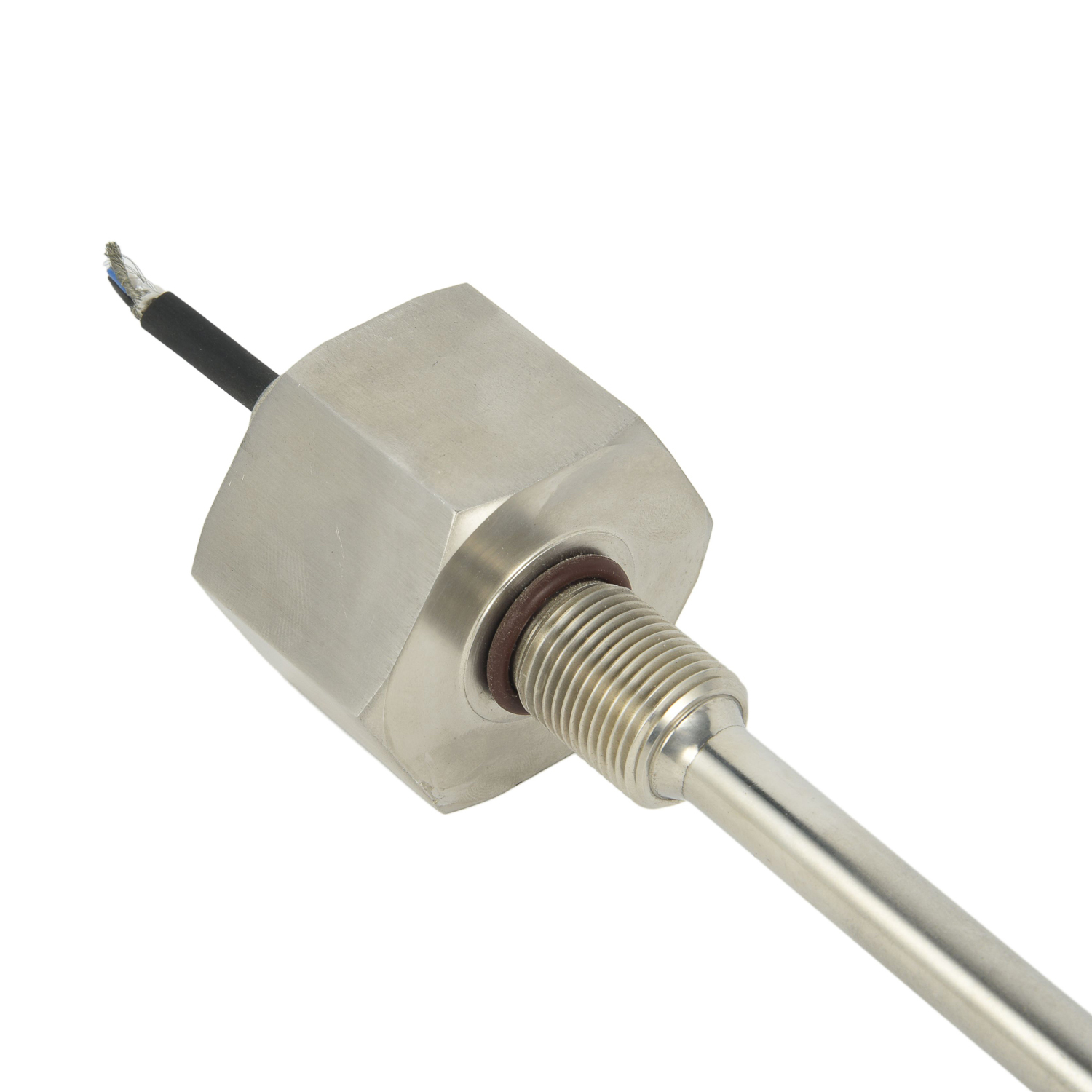
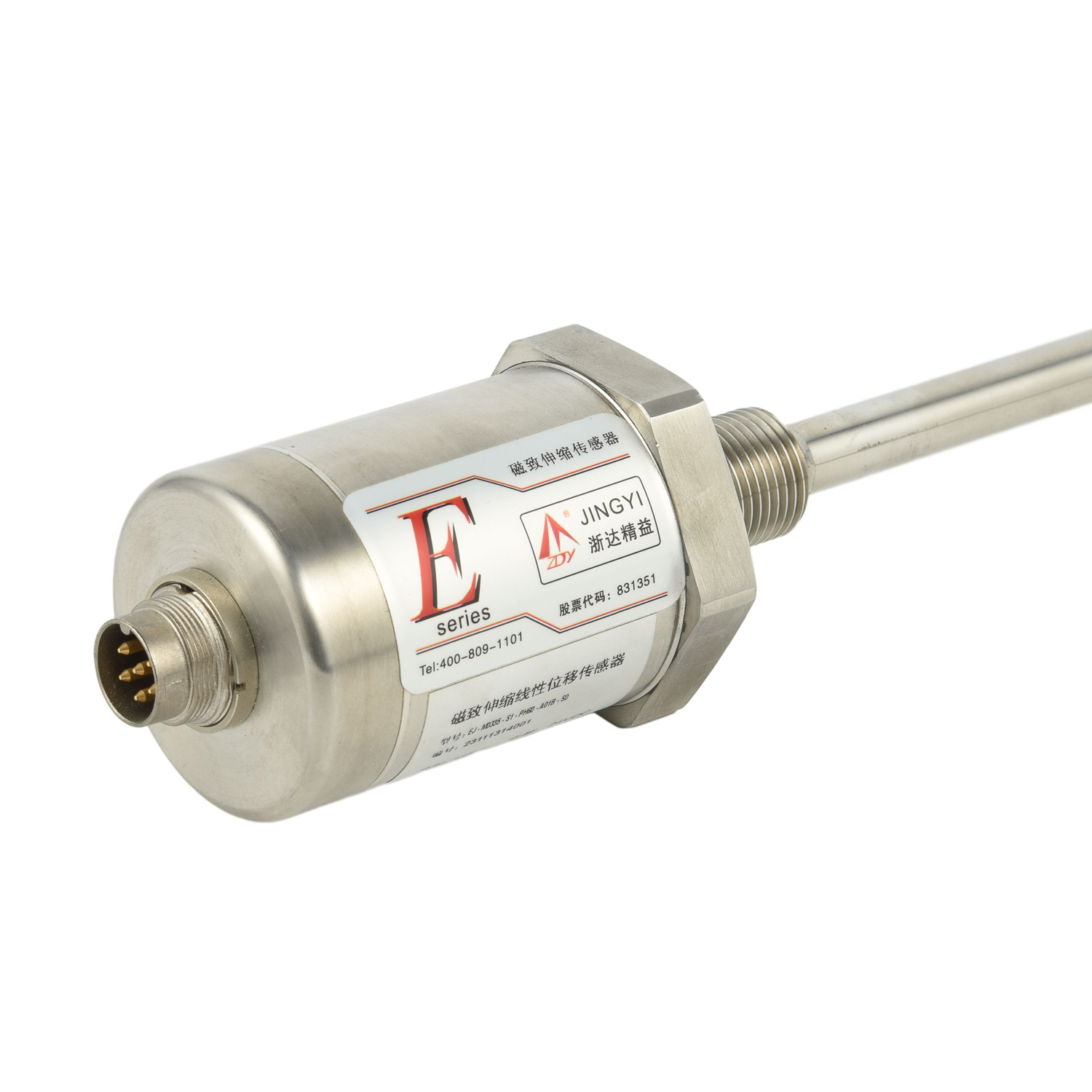
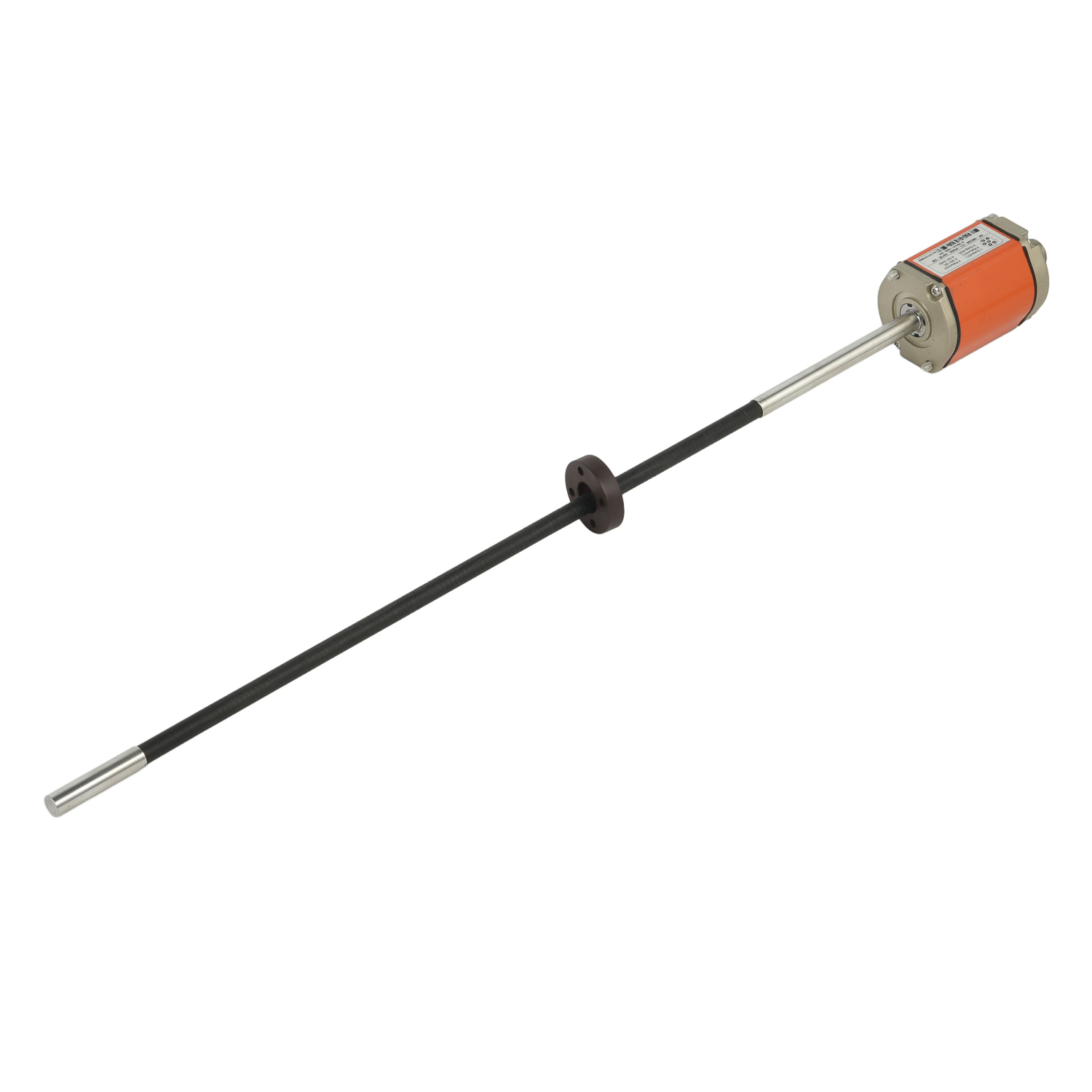
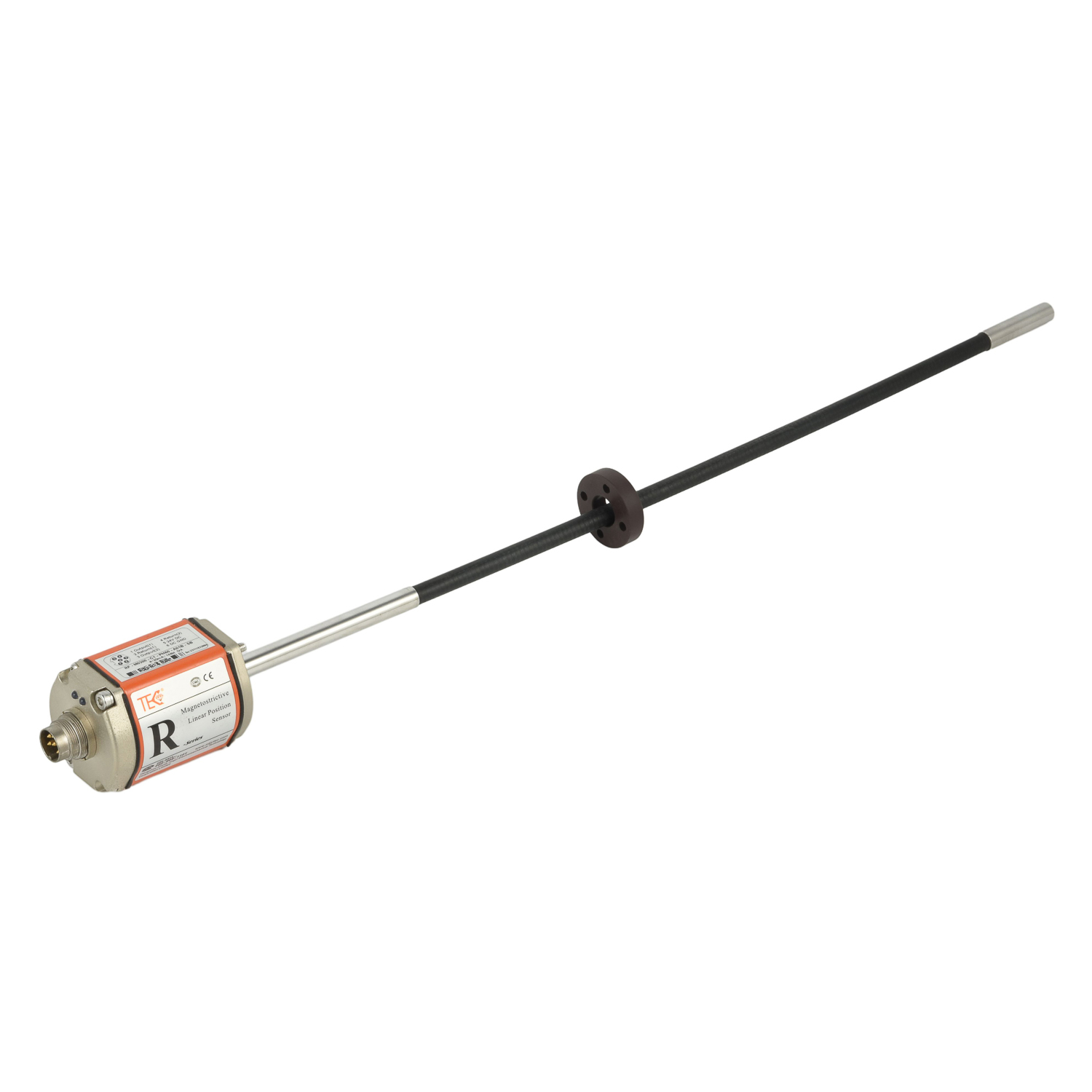
Die casting machines depend on precise position feedback to control die height, clamp movement, injection stroke, and shot position. A linear displacement sensor converts mechanical motion into an electrical signal, giving the machine controller real-time data for repeatable, high-speed cycles. In harsh die casting environments, the sensor must resist heat, vibration, lubricant mist, metal splash, and electromagnetic interference. Rugged LVDT or magnetostrictive designs are often preferred because they offer non-contact sensing, long life, and high repeatability. Correct installation is critical: mount the sensor away from direct heat, protect the cable, and ensure mechanical alignment to avoid side loading. Regular inspection of connectors and seals helps prevent drift and downtime. By choosing the right stroke length, resolution, output signal, and IP rating, die casters can improve shot consistency, reduce scrap, and stabilize closed-loop control. These sensors are commonly used for die height adjustment, clamping force monitoring, ejector position, and injection velocity feedback. When specifying a sensor, match the measuring range to the stroke, verify repeatability and linearity, and choose an output compatible with the PLC. Shielding and proper grounding reduce signal noise. With scheduled maintenance and correct mounting, a quality sensor delivers stable feedback, lower total cost, and less downtime. A reliable sensor is essential for efficient die casting automation.
 Explosion-proof Linear Displac
Linear Displacement Sensor for
 Linear Displacement Sensor for
 Linear Displacement Sensor for