
Corrosion-resistant Magnetostrictive Displacement Sensor Fault
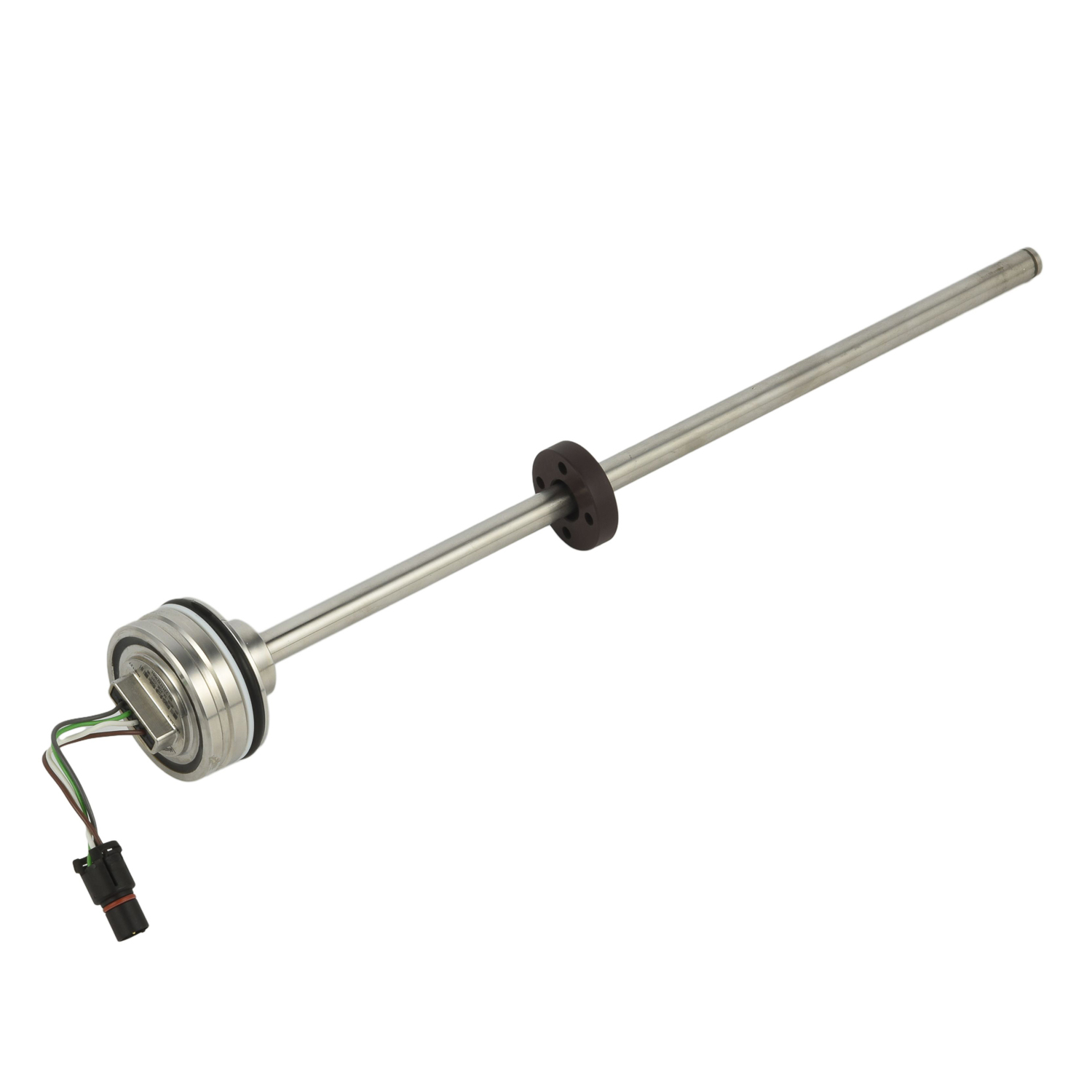
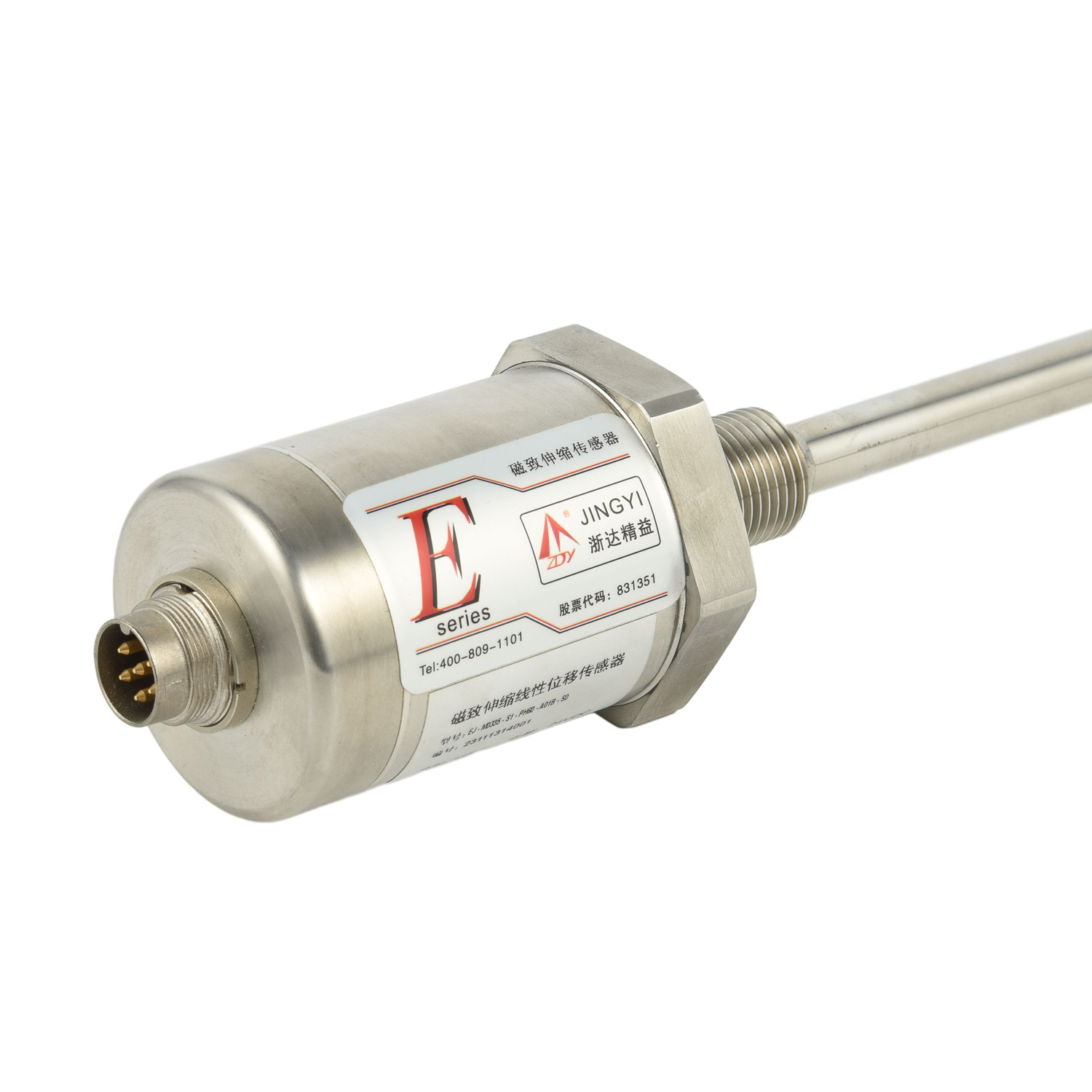
Even a corrosion-resistant body cannot protect against every fault. Corrosion-resistant magnetostrictive displacement sensors are common in hydraulic, offshore, chemical, and heavy-duty systems. They resist moisture, salt, and washdown, but faults can still reduce accuracy or stop output. Typical symptoms include erratic readings, zero drift, no signal, high noise, or intermittent output.
Common causes are cable damage, connector corrosion, seal failure, water ingress, magnet loss, misalignment, power instability, vibration, and internal wear. Harsh chemicals may attack seals or the rod even when the housing is protected. A loose magnet weakens return pulses. Electrical interference from drives or motors can also corrupt the signal.
To troubleshoot, check power and output type first. Inspect cables, pins, and connectors for corrosion or moisture. Verify magnet position and mounting alignment. Clean the rod and remove metal debris. Use a multimeter or oscilloscope to test signal quality across the full stroke. If output is absent, test with a known good controller. If readings jump, isolate the sensor from high-voltage cables and motors.
Preventive care includes sealed connectors, cable glands, drip loops, and correct wetted materials. Avoid sharp bends, shock, and over-tightening. Inspect seals and rods for pitting. Replace damaged cables early. Keep spare sensors calibrated. If repair is unreliable, replace the sensor with a compatible corrosion-resistant model.
Fast diagnosis cuts downtime and extends service life. Follow manufacturer safety guidelines. Regular testing improves reliability.
 Technical Parameters of High-t
 Waterproof Linear Displacement
 Intrinsically Safe Explosion-p
 Explosion-proof Linear Displac