
Waterproof Linear Displacement Sensor Price
The price of a waterproof linear displacement sensor depends on technical and market factors. Buyers often see a wide range because two sensors that look similar may differ greatly in protection level, measuring range, output signal, accuracy, and durability. Waterproof design usually means IP65, IP67, or IP68 housing, sealed cable entries, and corrosion-resistant materials. These features add cost but protect the sensor in humid, dusty, or washdown environments.
Stroke length is another major price driver. Longer measuring ranges require more precise manufacturing and stronger mechanical structures. Output type also matters. Analog outputs such as 0-10V, 4-20mA, and potentiometer signals are common, while digital options like RS485, CAN, and Modbus may cost more. High accuracy, low temperature drift, and repeatable performance increase the price as well.
Order quantity, cable length, connector type, mounting accessories, and calibration requirements can change the final quotation. For OEM projects, custom specifications may raise tooling and testing costs. It is wise to compare suppliers on warranty, lead time, after-sales support, and test reports rather than price alone. A reliable waterproof linear displacement sensor should match the application's IP rating, stroke, signal, and environmental demands. Request a detailed datasheet and sample test before bulk purchase. This approach helps buyers control total cost while ensuring stable performance in demanding applications.
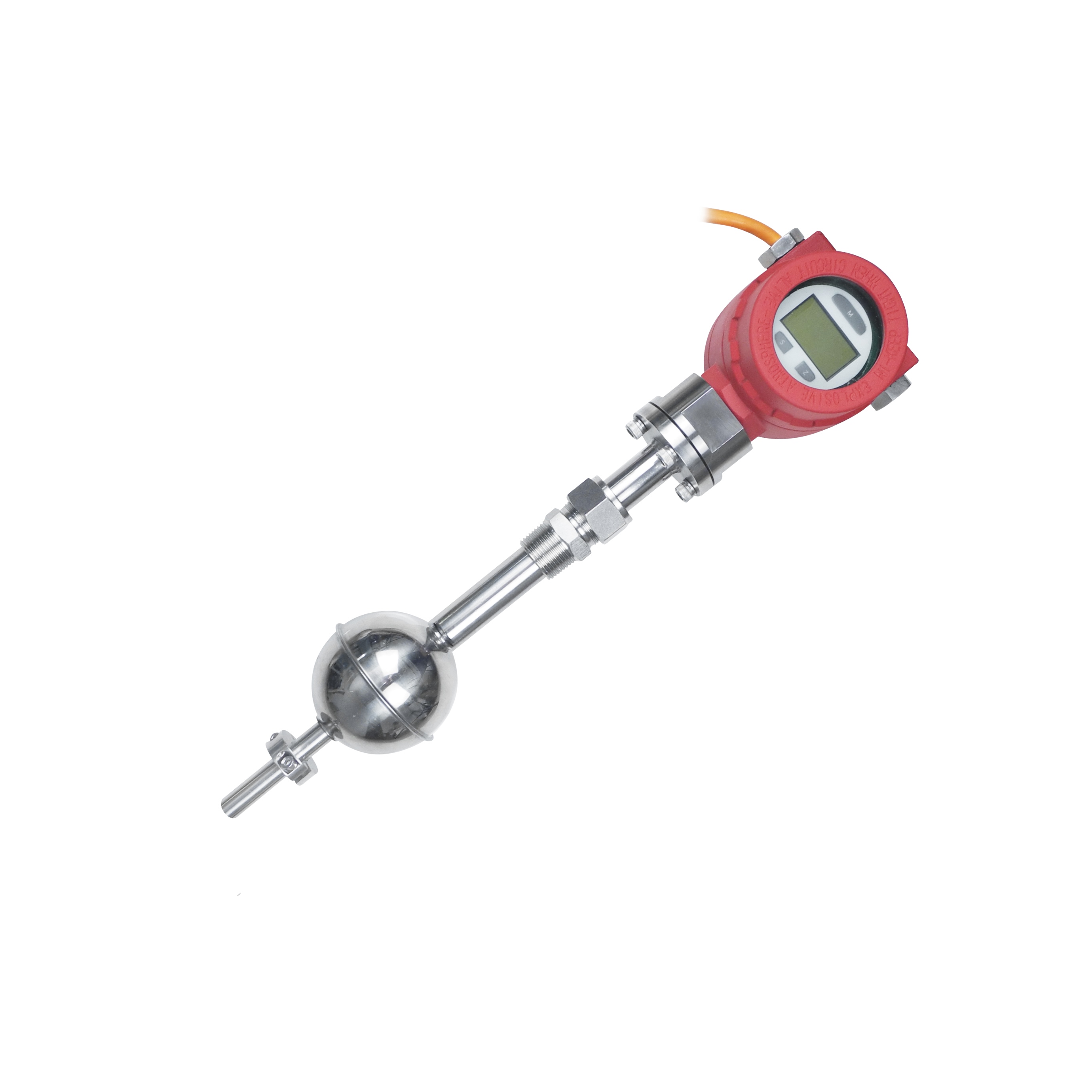
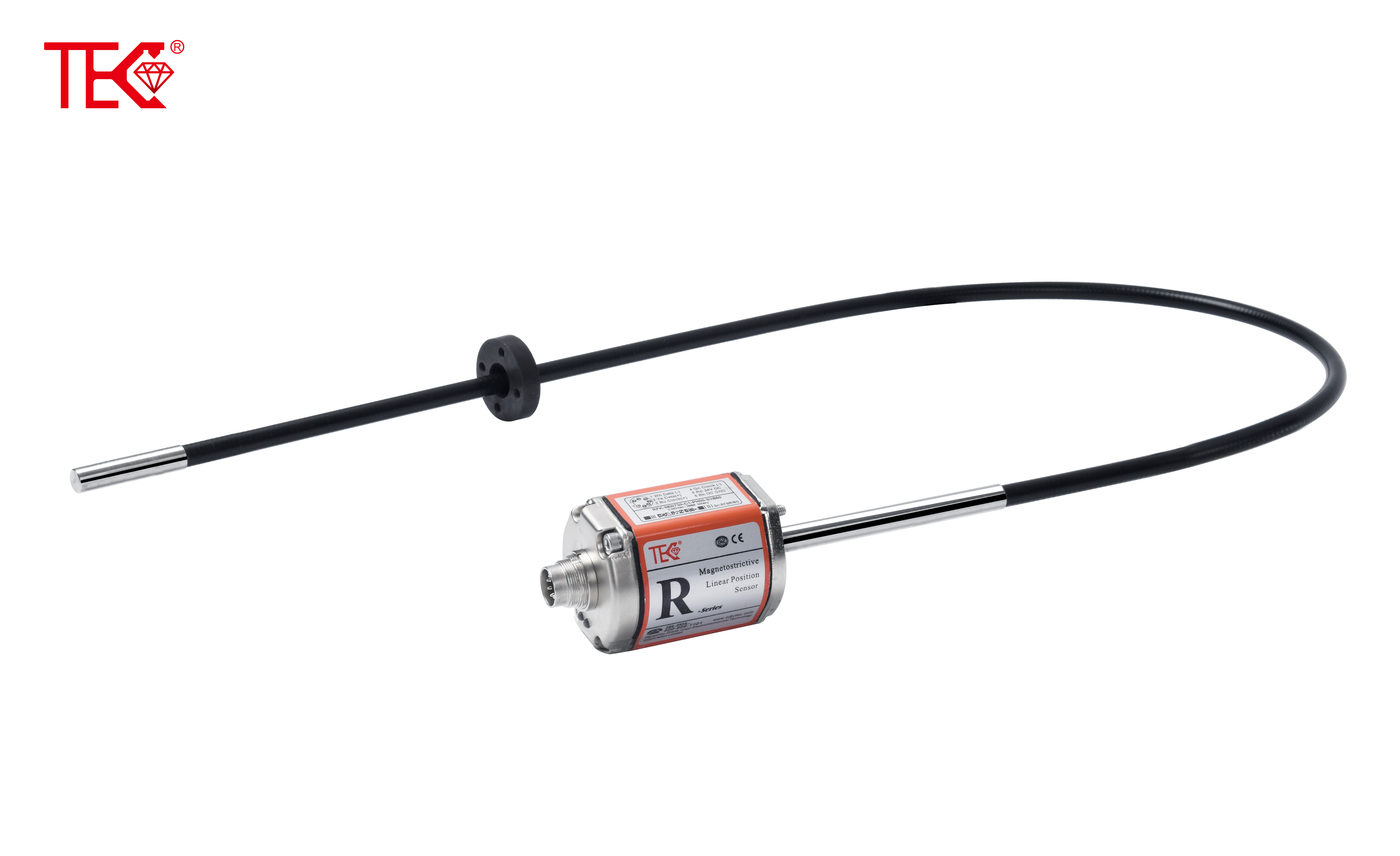 Technical Parameters of High-t
Waterproof Linear Displacement
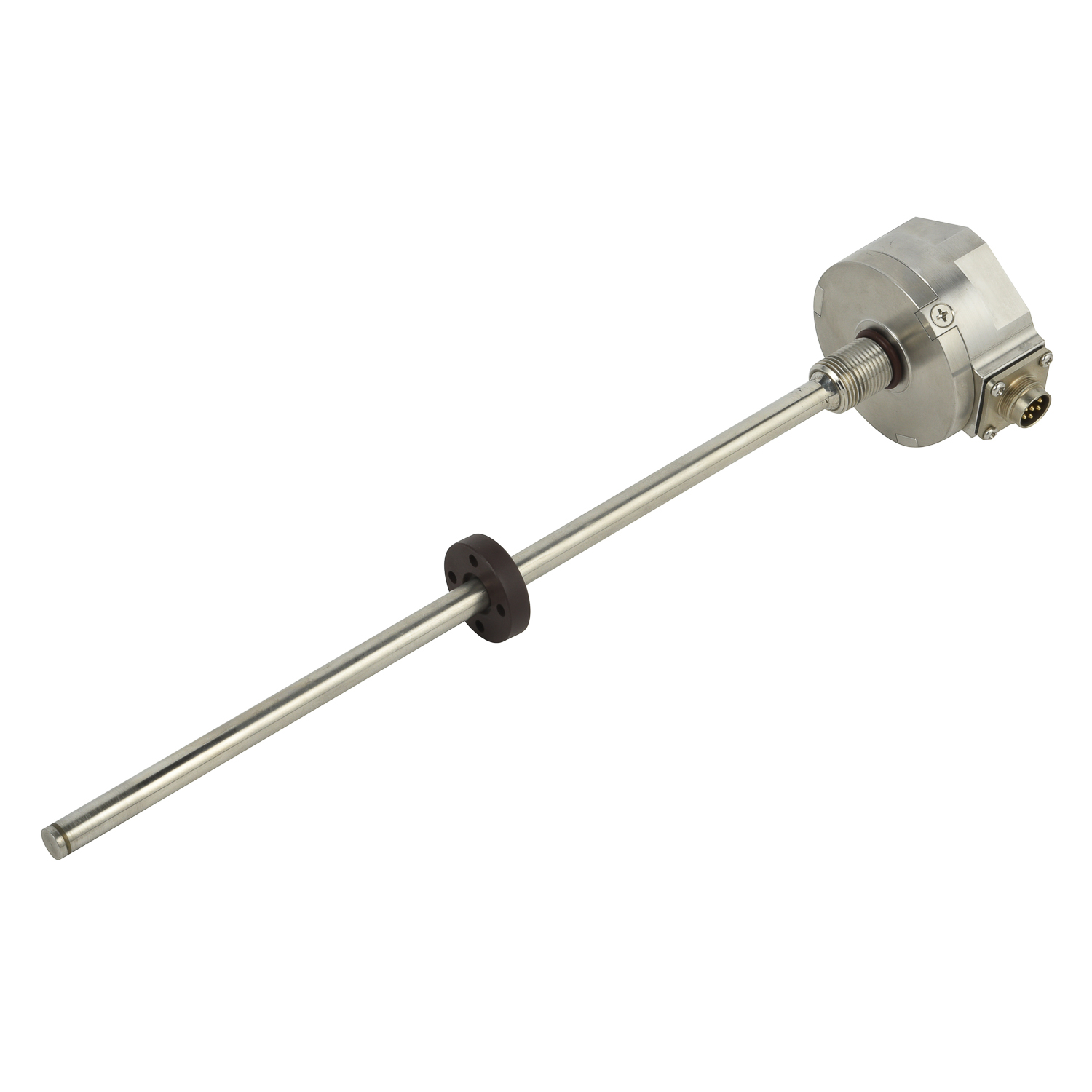 Intrinsically Safe Explosion-p
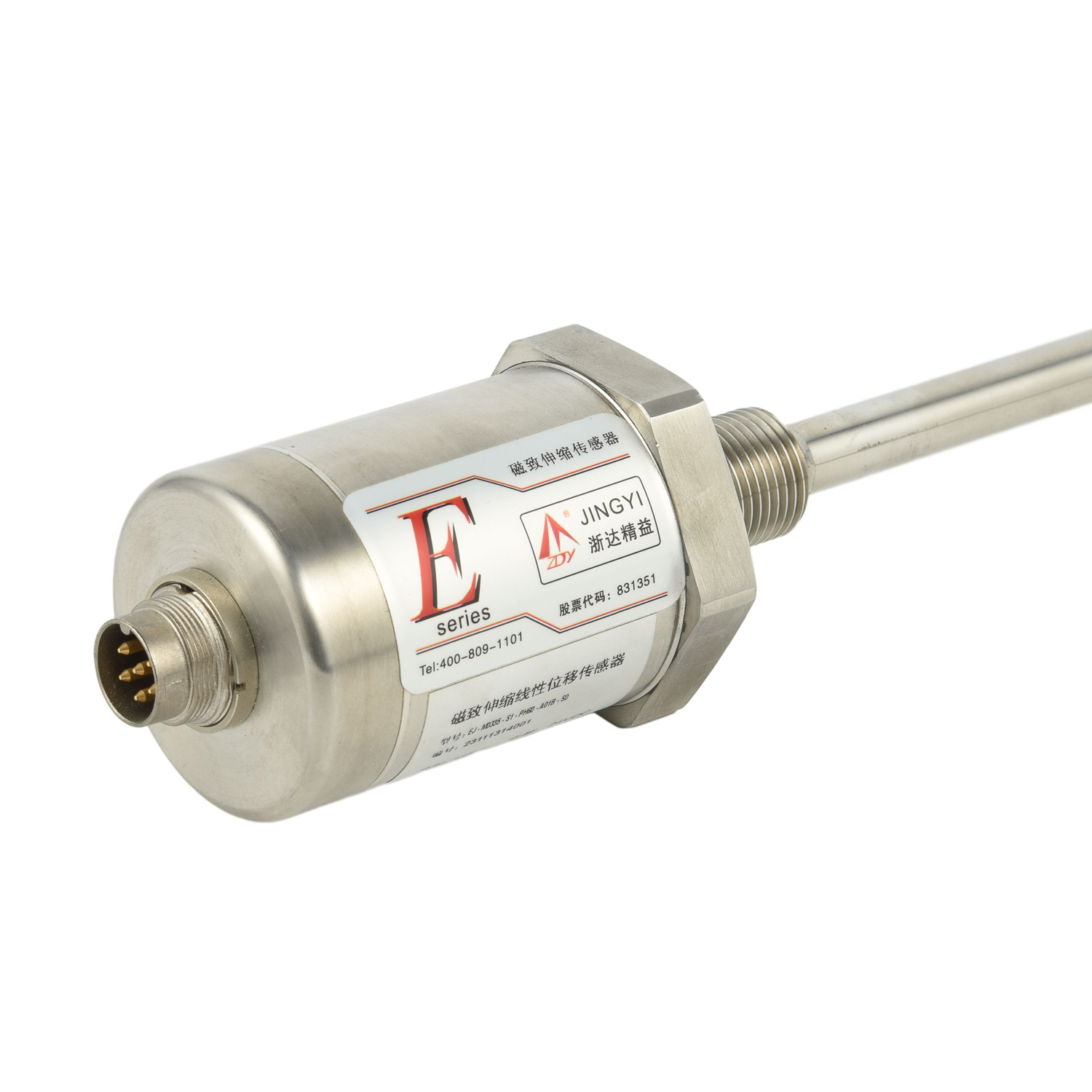 Explosion-proof Linear Displac