
Working Principle of High-pressure Magnetostrictive Displacement Sensor
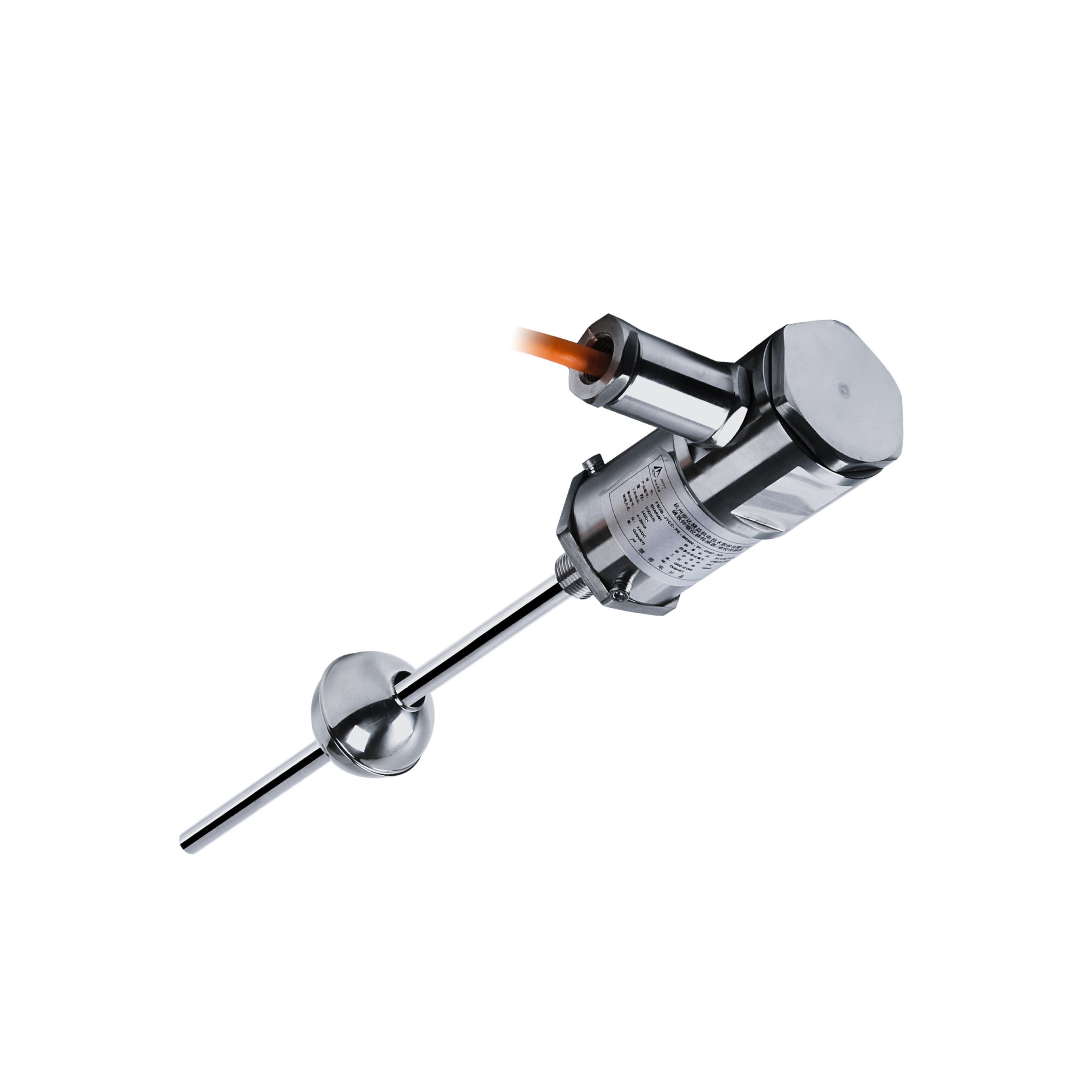
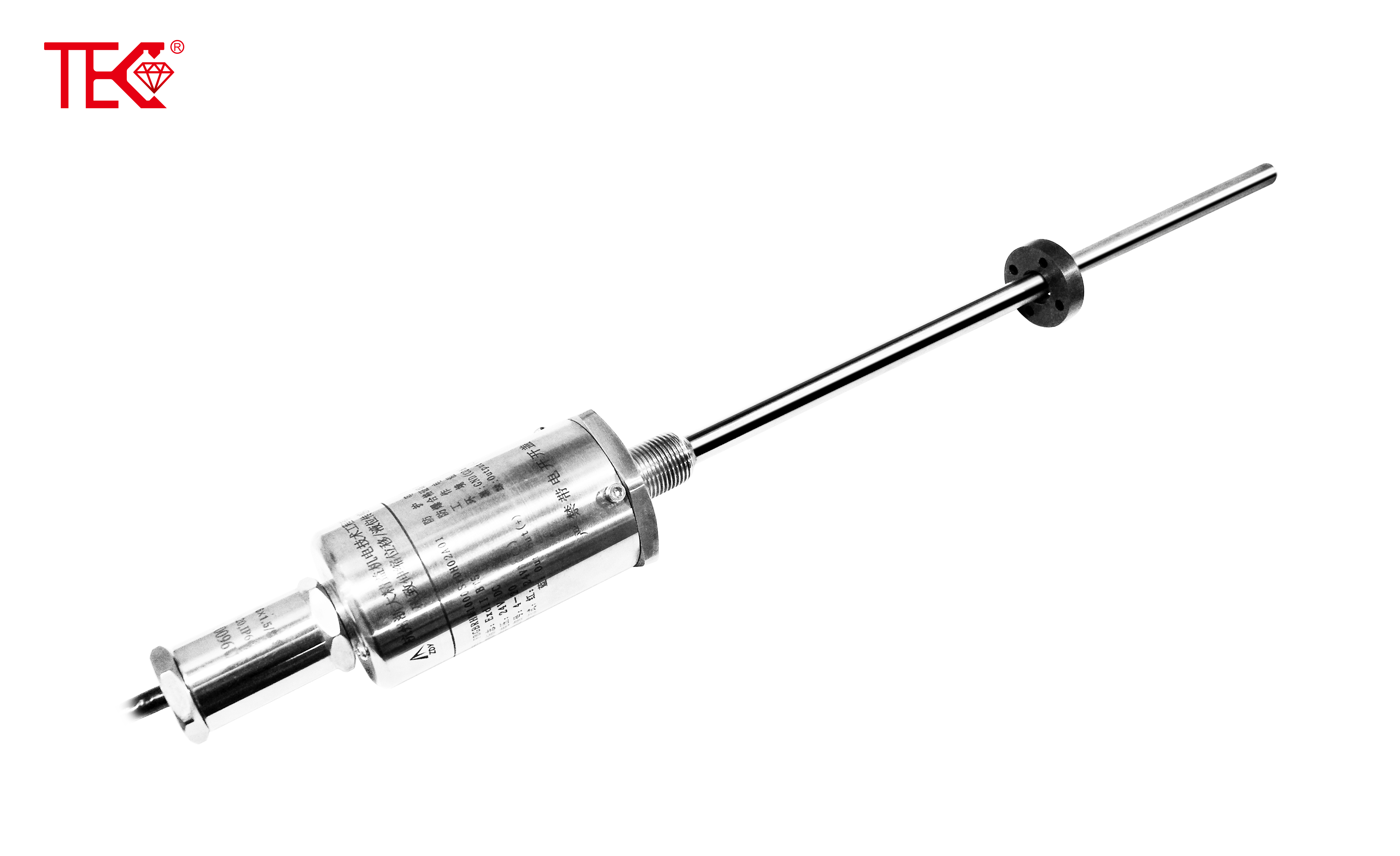
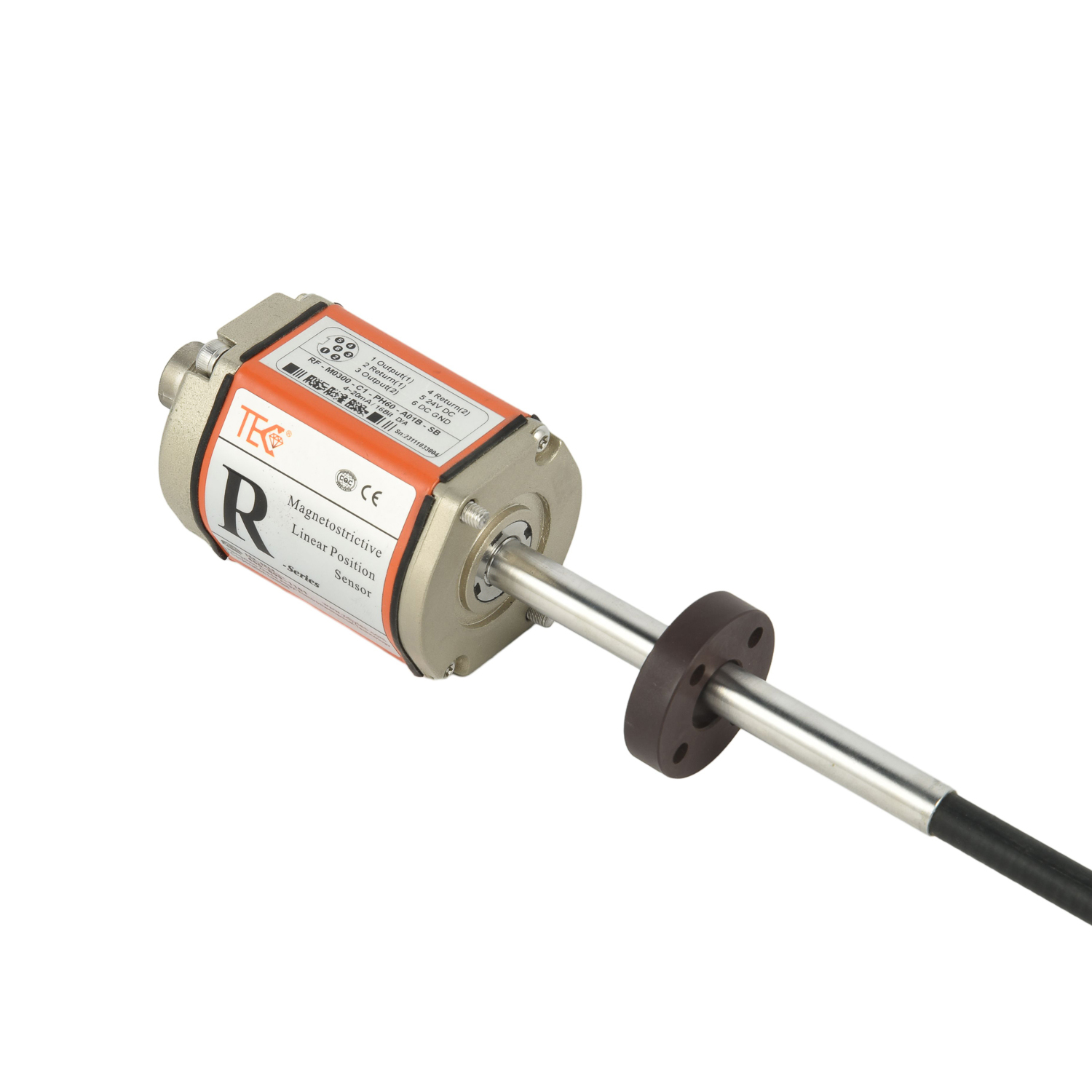
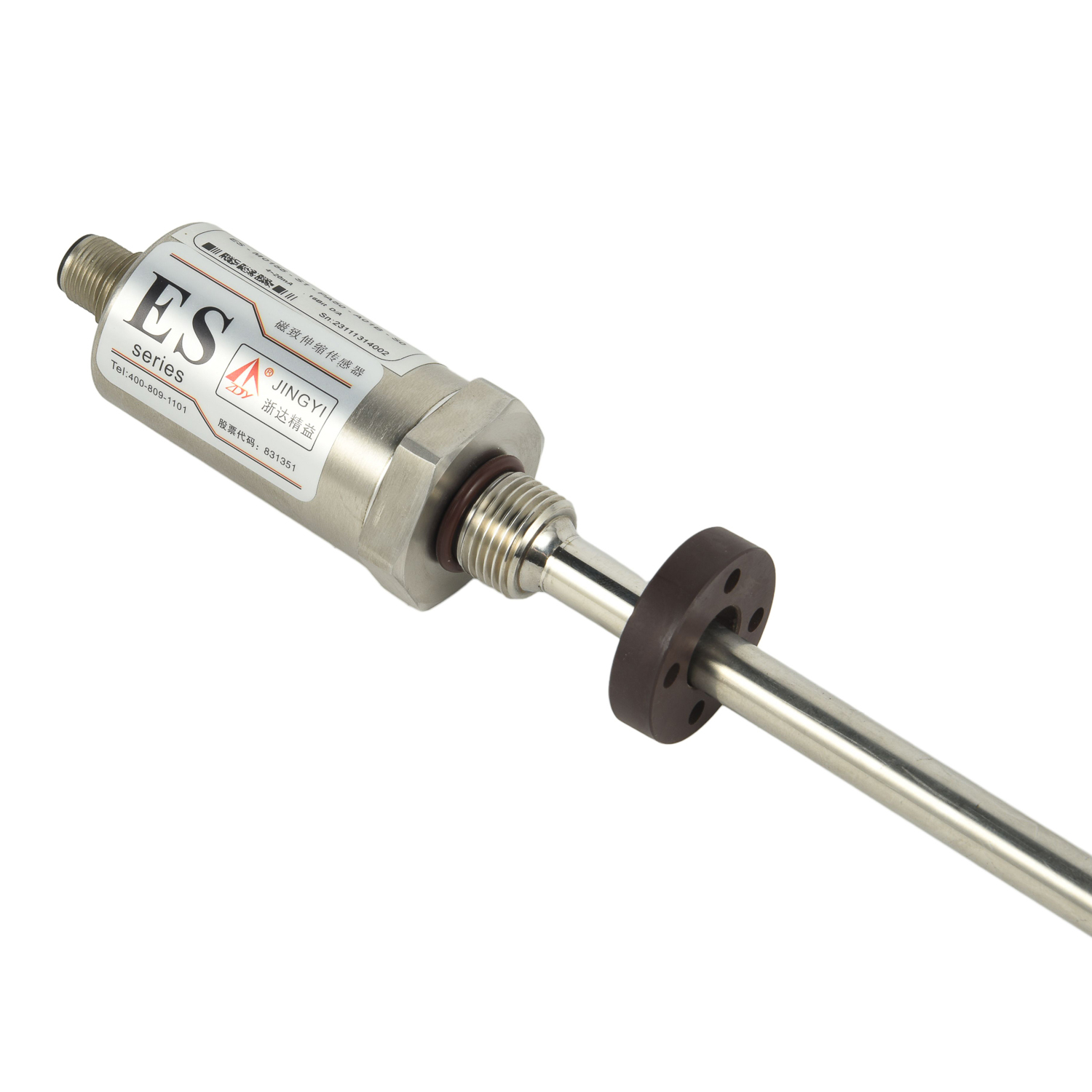
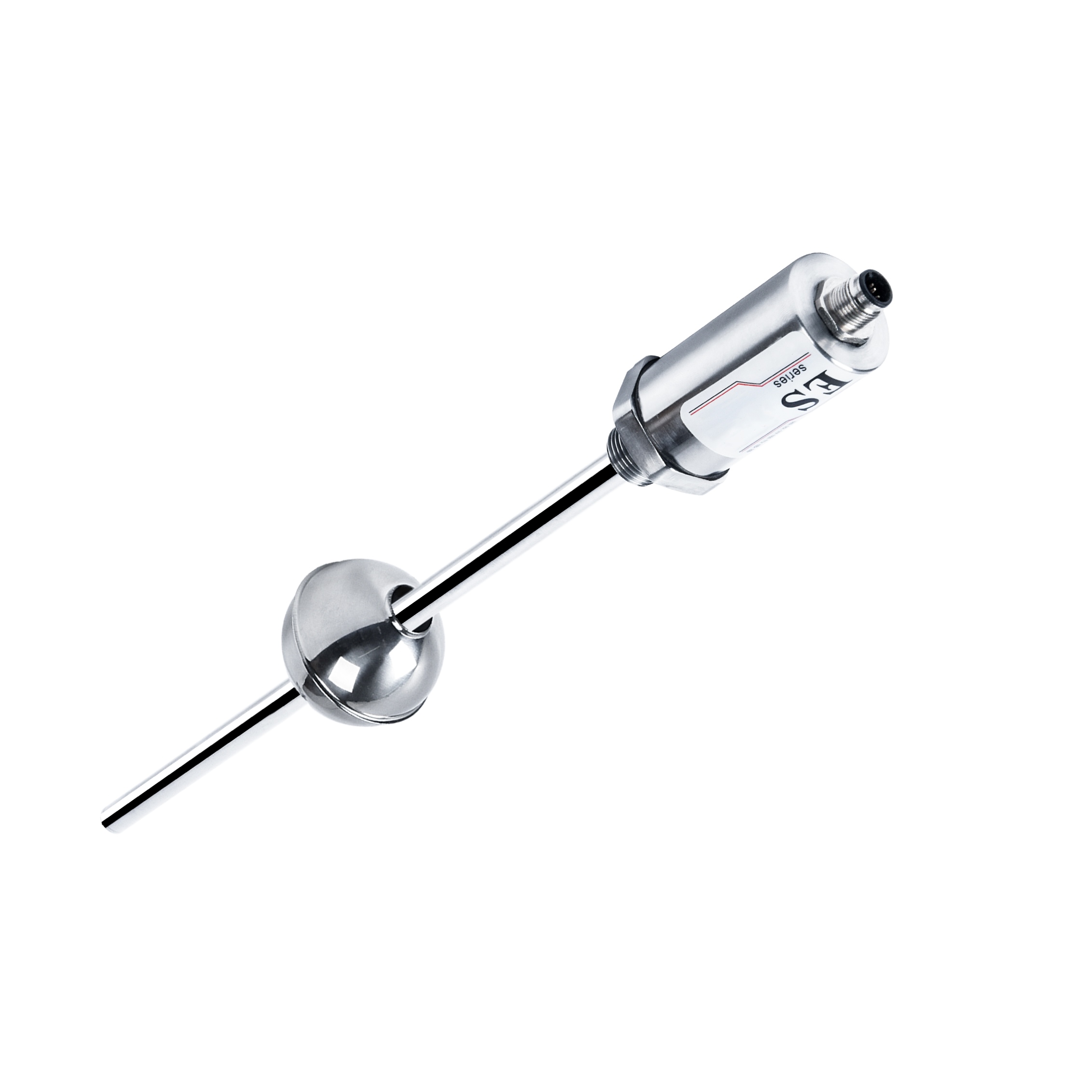
A high-pressure magnetostrictive displacement sensor measures position by using the magnetostrictive effect in a special waveguide wire. Inside a pressure-resistant stainless steel tube, the waveguide is sealed from the hydraulic fluid or gas. An electronic unit sends a short current pulse through the waveguide. This pulse creates a circular magnetic field around the wire. A movable permanent magnet, attached to the measured object, supplies an axial magnetic field. Where the two fields interact, the waveguide experiences a small torsional strain. This strain launches an ultrasonic torsional wave along the wire at a stable speed. A pickup coil at one end detects the returning wave. The time between the current pulse and the detected wave is proportional to the distance from the magnet to the coil. By converting this time into a digital or analog output, the sensor gives accurate absolute position. High-pressure design protects the waveguide with thick walls, welded seals, and pressure-resistant connectors. The magnet moves outside or inside a high-pressure cylinder without mechanical contact with the waveguide. This avoids wear and makes the sensor reliable in hydraulic actuators, valves, and offshore equipment. Temperature compensation and stable materials reduce drift, so the sensor can work under high pressure with high precision. The output can be analog, SSI, CANbus, or Profibus, enabling precise position feedback in demanding high-pressure systems.
 Model and Specification of Fla
 Import Substitute Non-contact
 Installation Method of Built-i
 Working Principle of High-pres