
Installation Method of Built-in Hydraulic Cylinder Magnetostrictive Displacement Sensor
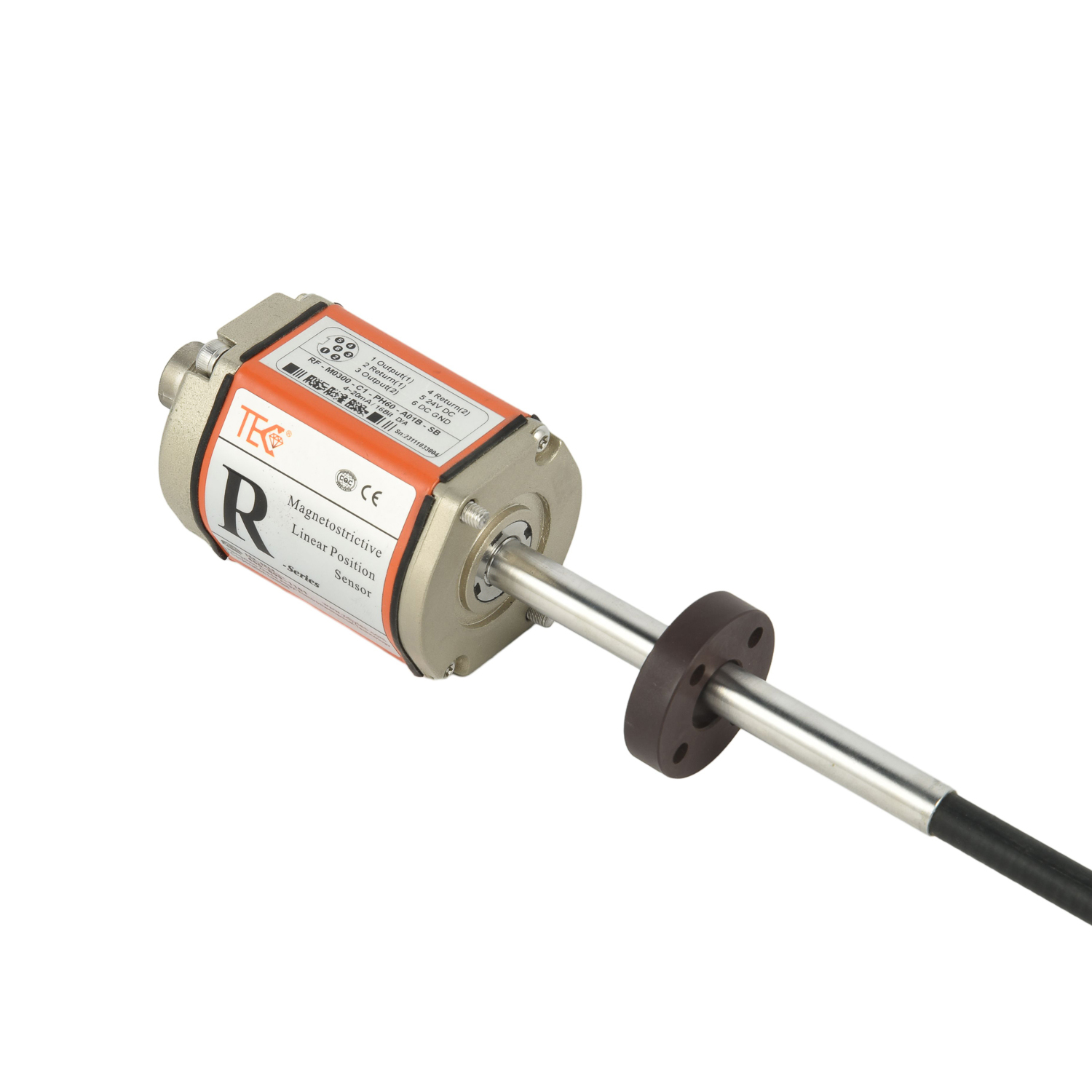
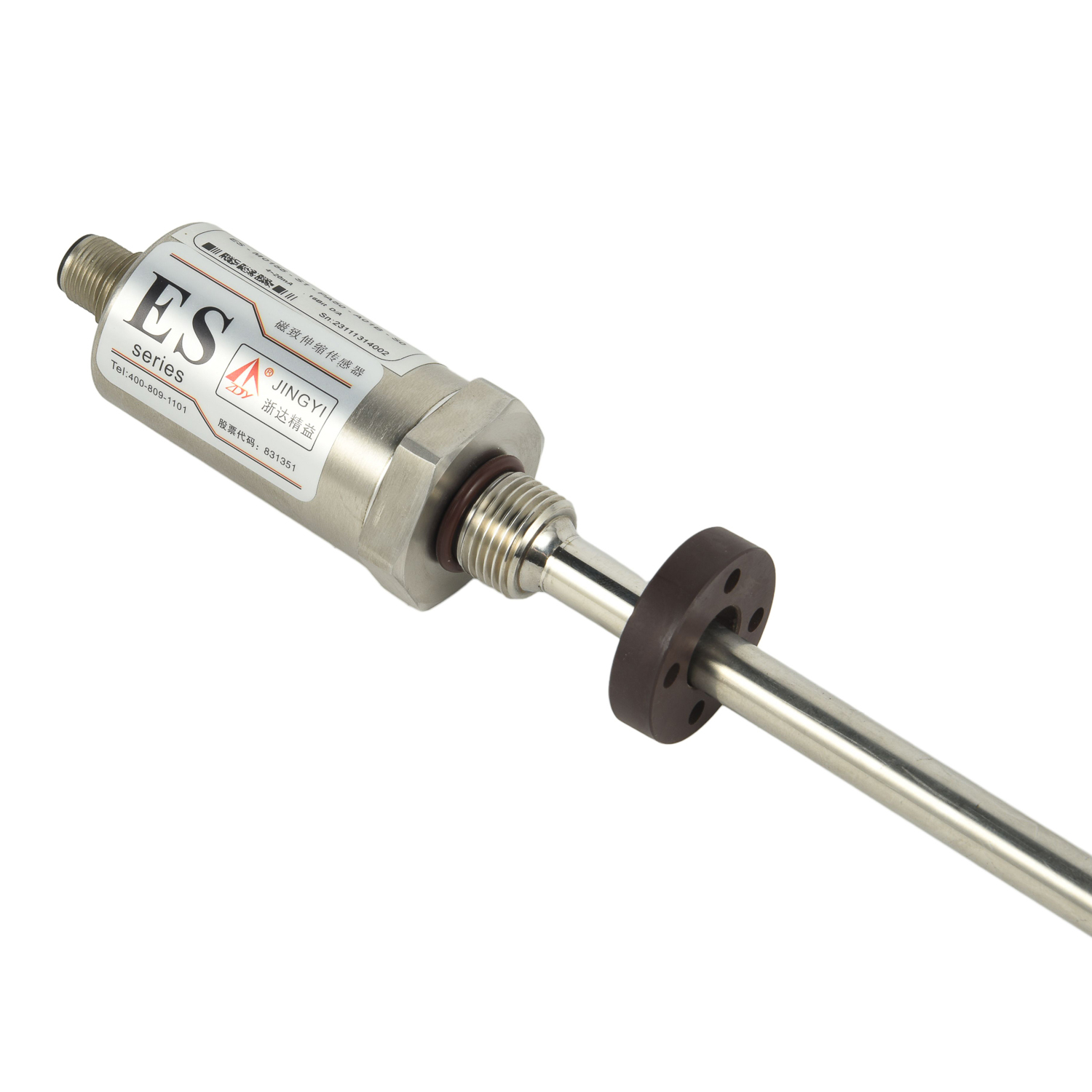
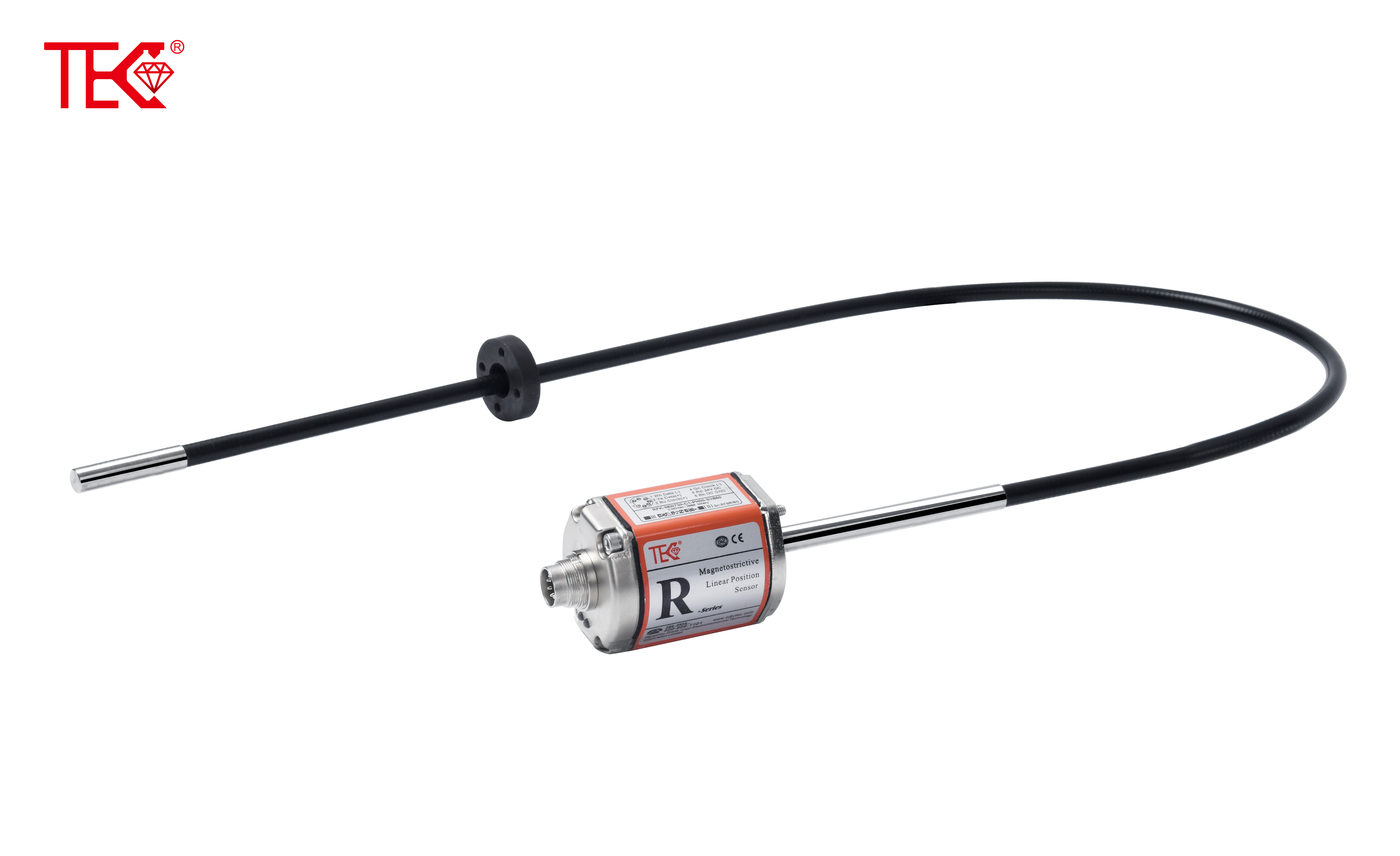
Installing a built-in hydraulic cylinder magnetostrictive displacement sensor requires careful preparation and alignment. First, confirm the sensor stroke, thread, flange, and output signal match the cylinder design. Inspect the sensor rod, electronics housing, and cable for damage. Clean the cylinder head, piston bore, and sealing surfaces. The sensor is usually mounted in the cylinder end cap or head. Insert the sensing rod into the center bore of the piston rod or cylinder barrel. Keep it coaxial with the piston travel to prevent bending and wear. Mount the position magnet on the piston with the correct orientation and non-magnetic spacers. The magnet must not touch the sensor rod. Tighten the flange bolts evenly and to the specified torque. Use the O-ring or seal to prevent oil leakage. Route the cable away from heat, sharp edges, and moving parts. Connect power and signal wires according to the wiring diagram. Ground the shield at one end to reduce electrical noise. After assembly, move the piston slowly through the full stroke. Check for smooth signal output and no jump. Set the zero and span points in the controller. Verify linearity, repeatability, and output current or voltage. Finally, run the cylinder under normal pressure and temperature. Check for leaks, looseness, and signal drift. If the reading is unstable, inspect grounding, magnet position, and coaxial alignment. Correct installation ensures accurate position feedback, long service life, and reliable operation in hydraulic systems.

 Import Substitute Non-contact
 Installation Method of Built-i
 Working Principle of High-pres
 Technical Parameters of High-t