
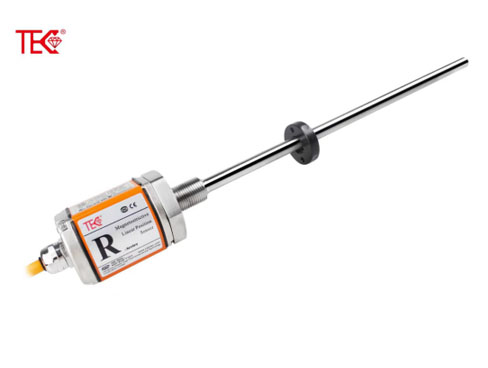
Magnetostrictive Displacement Sensor for Injection Molding Machines
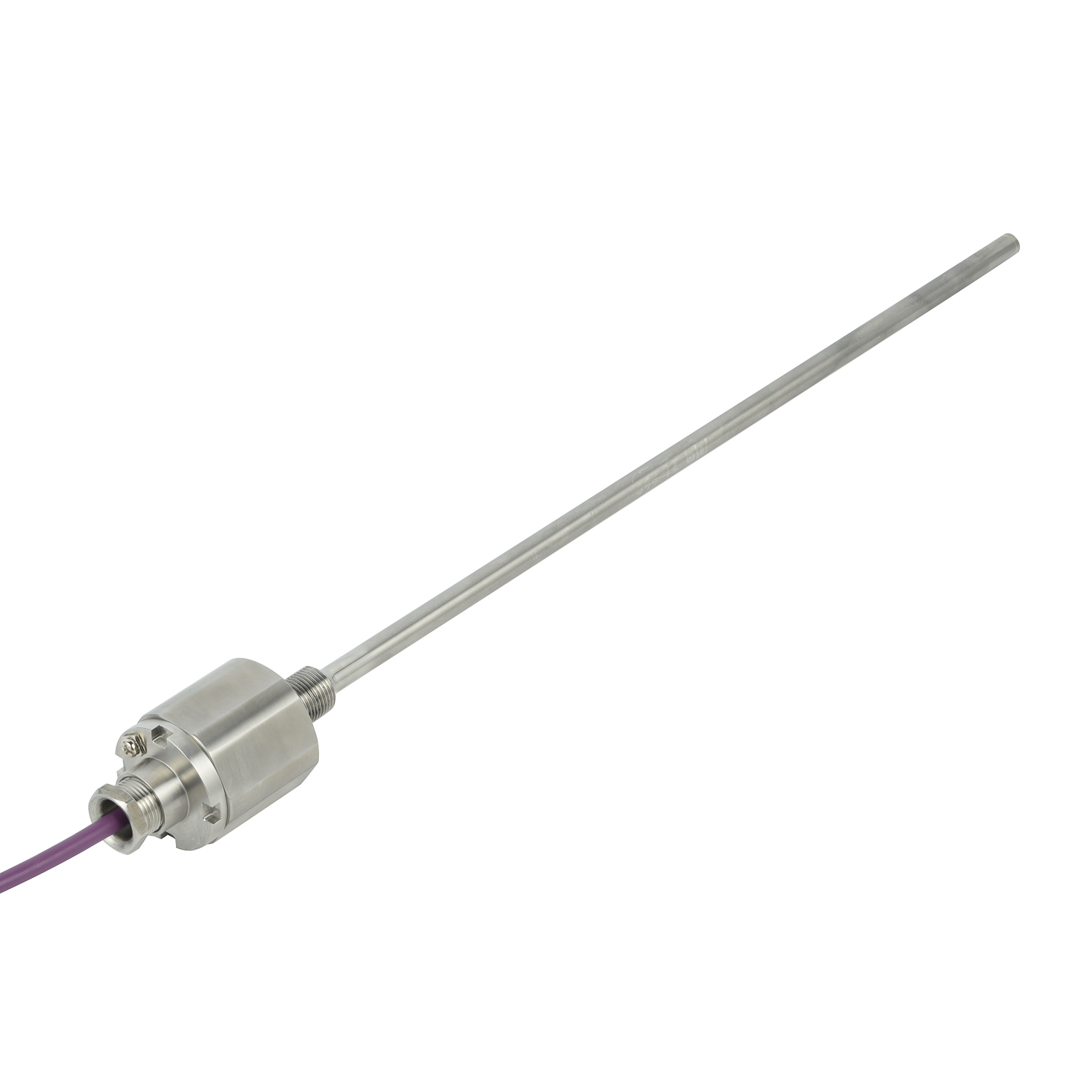
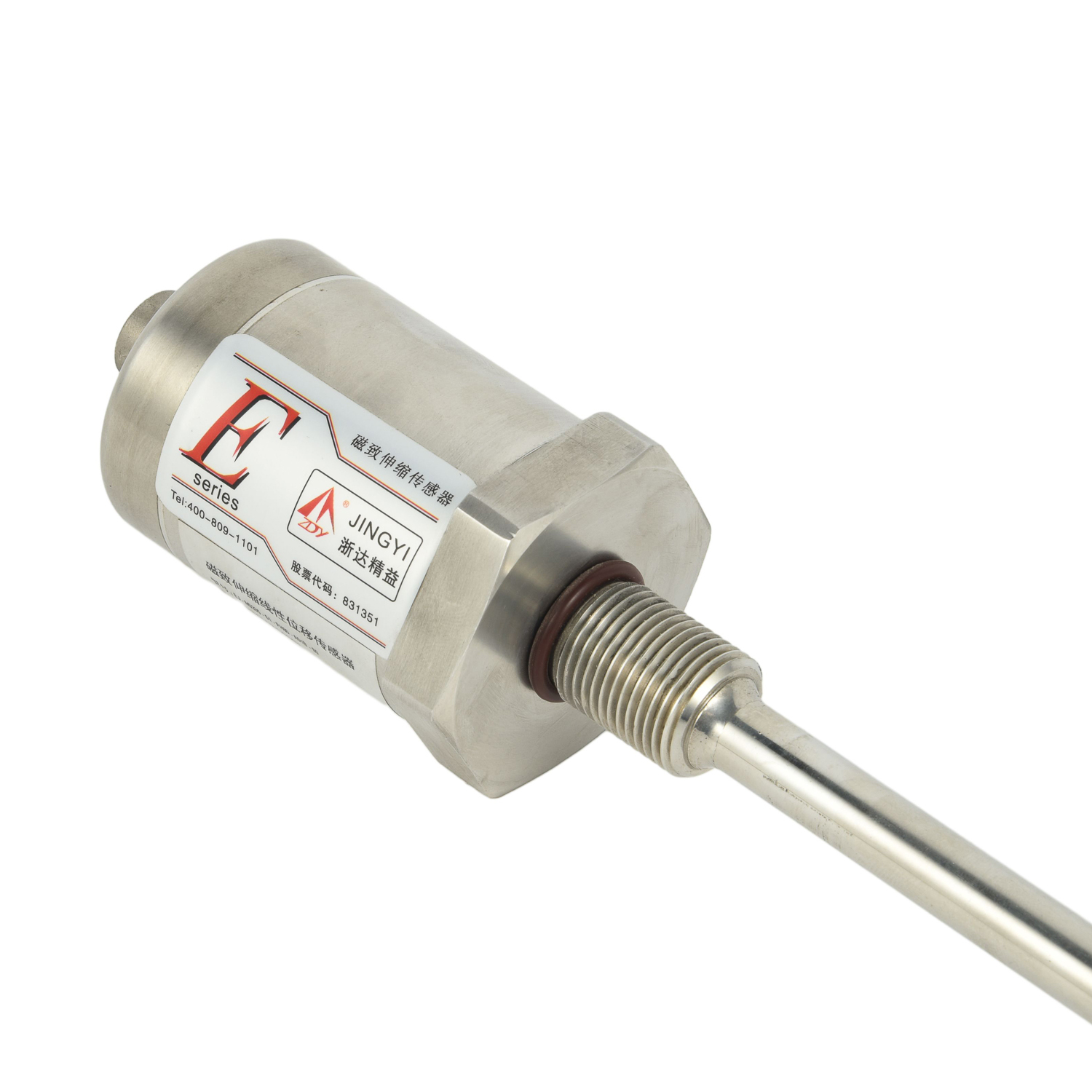
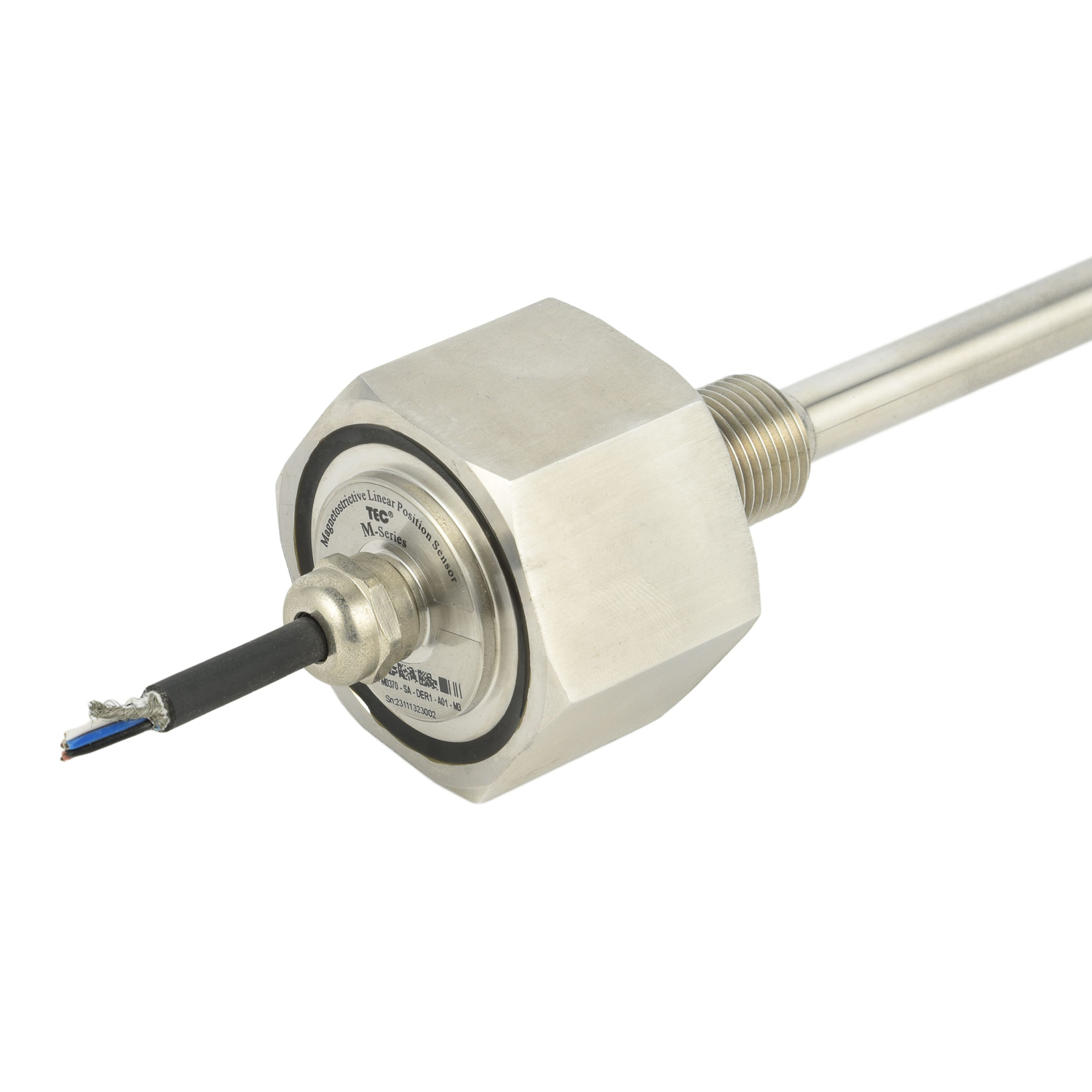
Magnetostrictive displacement sensors are used in injection molding machines because they provide continuous, absolute position feedback with accuracy and durability. Unlike potentiometers or optical encoders, a magnetostrictive sensor measures position without mechanical contact between the sensing element and the moving magnet. This design reduces wear, improves repeatability, and supports cycle times in demanding molding processes.
In an injection molding machine, precise motion control affects part quality, cycle stability, and energy efficiency. The sensor monitors key axes such as injection stroke, mold clamping, ejector movement, and screw position. The measured position is sent to the controller in real time, allowing closed-loop hydraulic or electric drives to adjust speed, pressure, and position. As a result, the machine can fill the mold consistently, hold pressure accurately, and eject parts without damage.
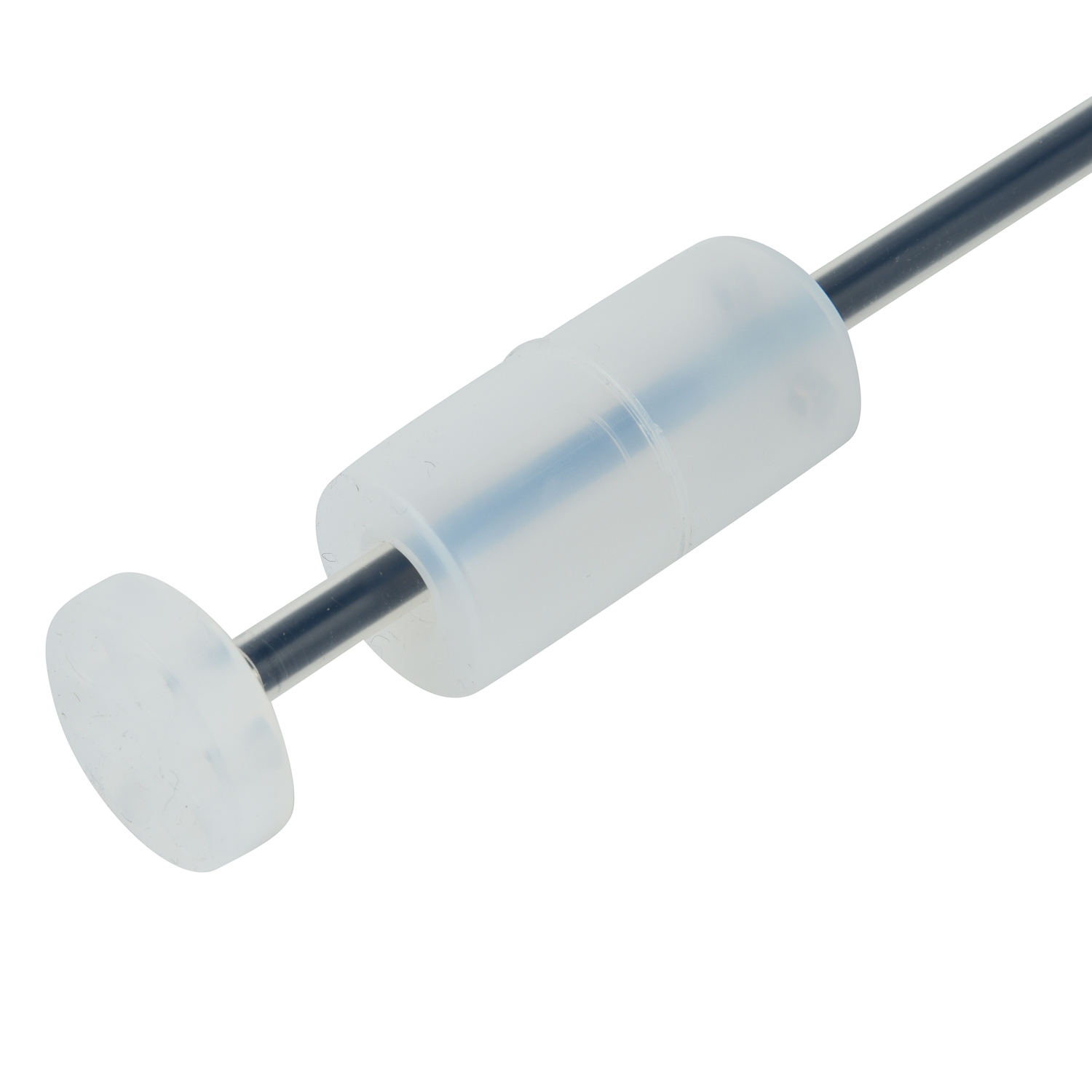
The working principle is based on the magnetostrictive effect. A current pulse travels along a waveguide inside the sensor. When the pulse meets the magnetic field of a movable position magnet, it creates a torsional strain wave. The wave returns to the sensor head, and the time difference is converted into a distance value. Because the measurement is absolute, the sensor does not need to be re-homed after power loss, which reduces downtime and improves safety.
Proper sensor selection improves accuracy, uptime, and part quality. It reduces scrap and maintenance.
 Chemical Industry High-pressur
 Mining High-temperature Linear
 Metallurgy Explosion-proof Lin
 Corrosion-resistant Linear Dis