
Magnetostrictive Displacement Sensor for Hoists
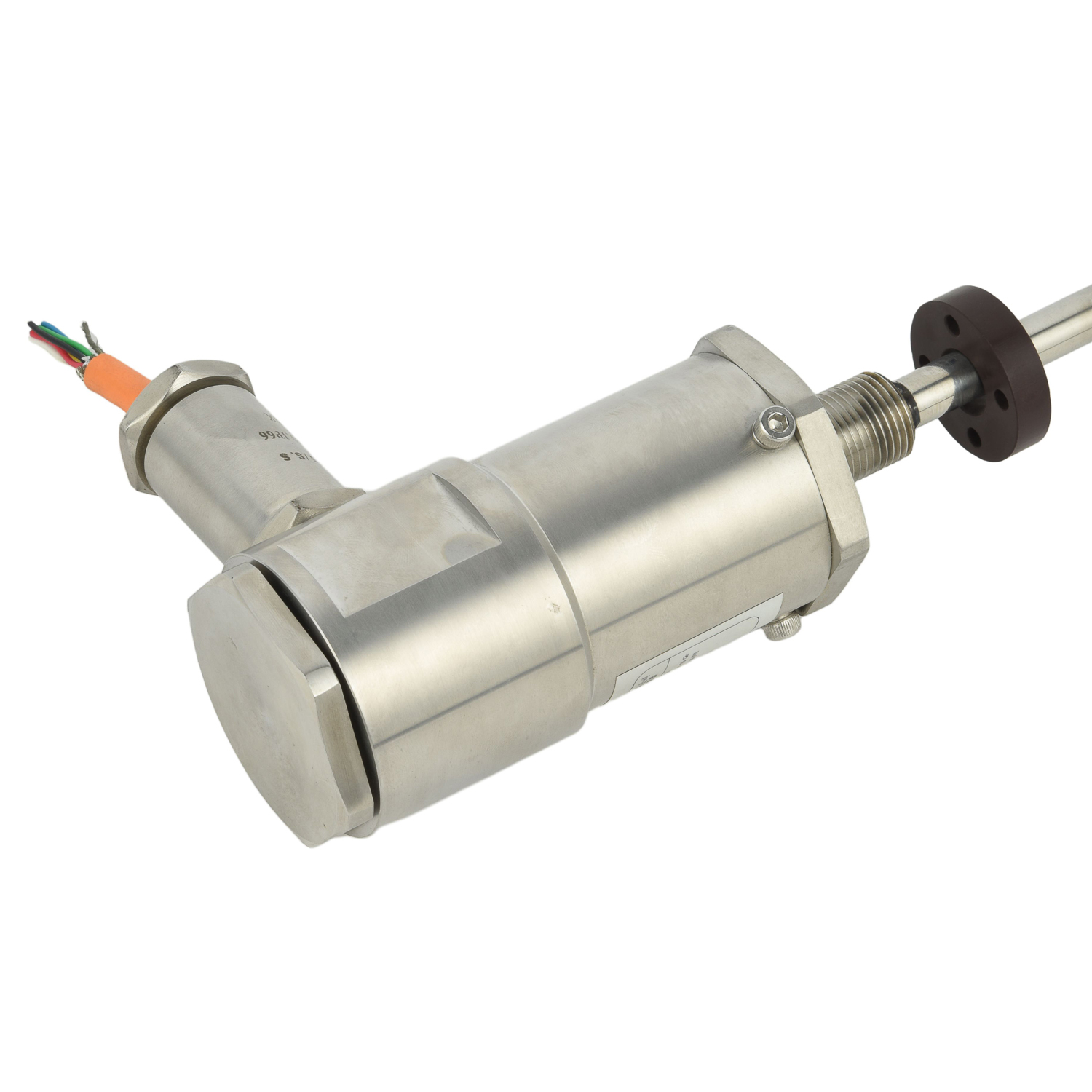
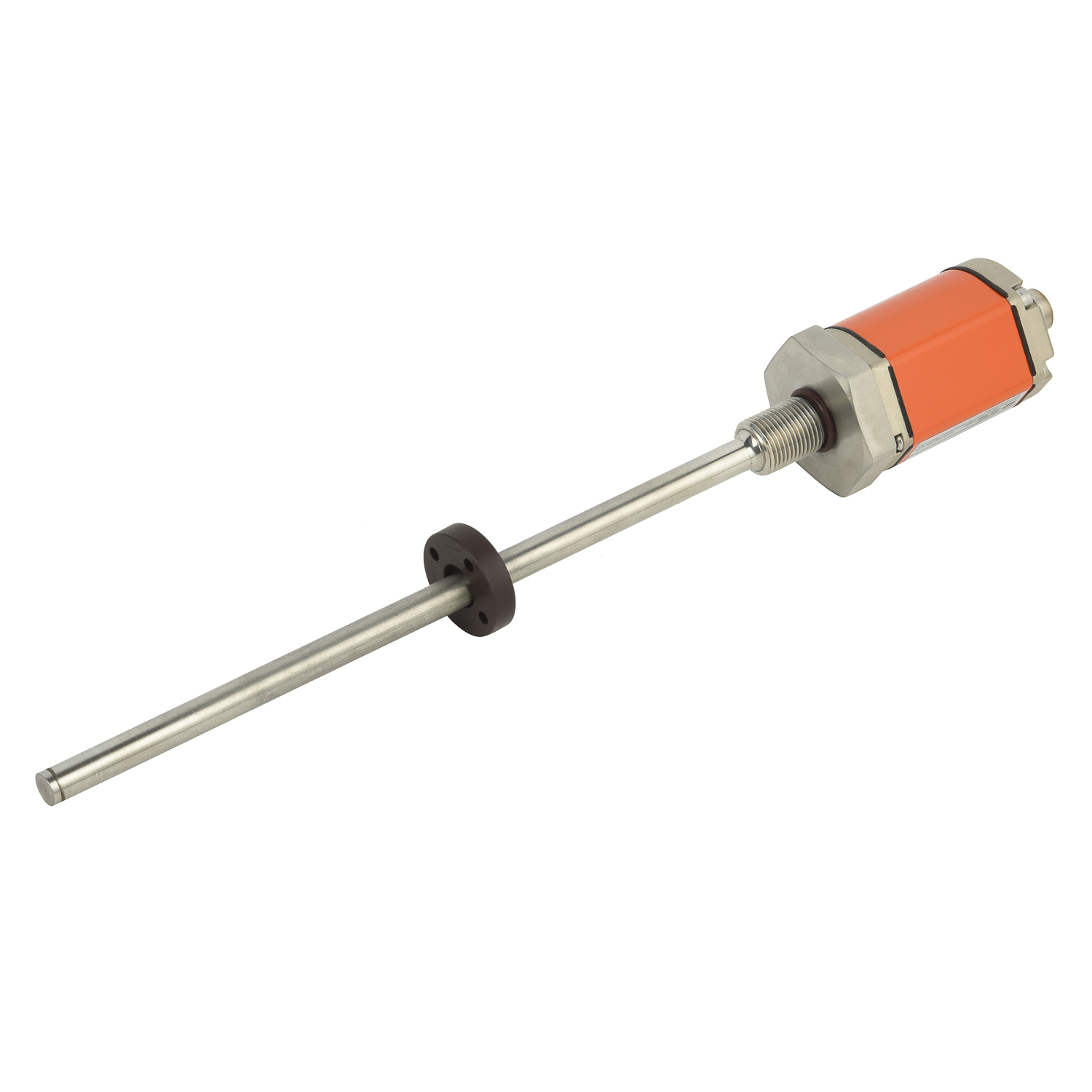
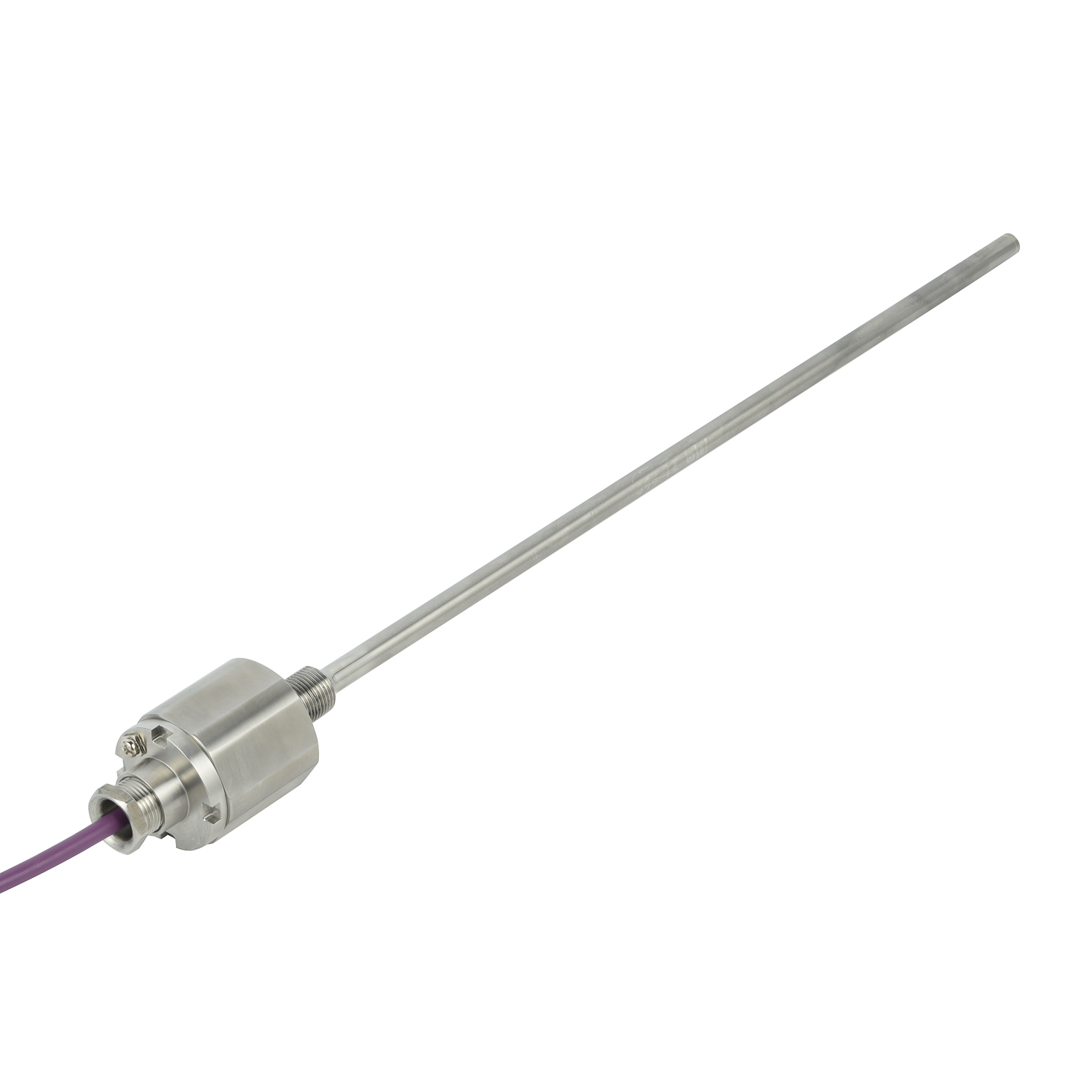
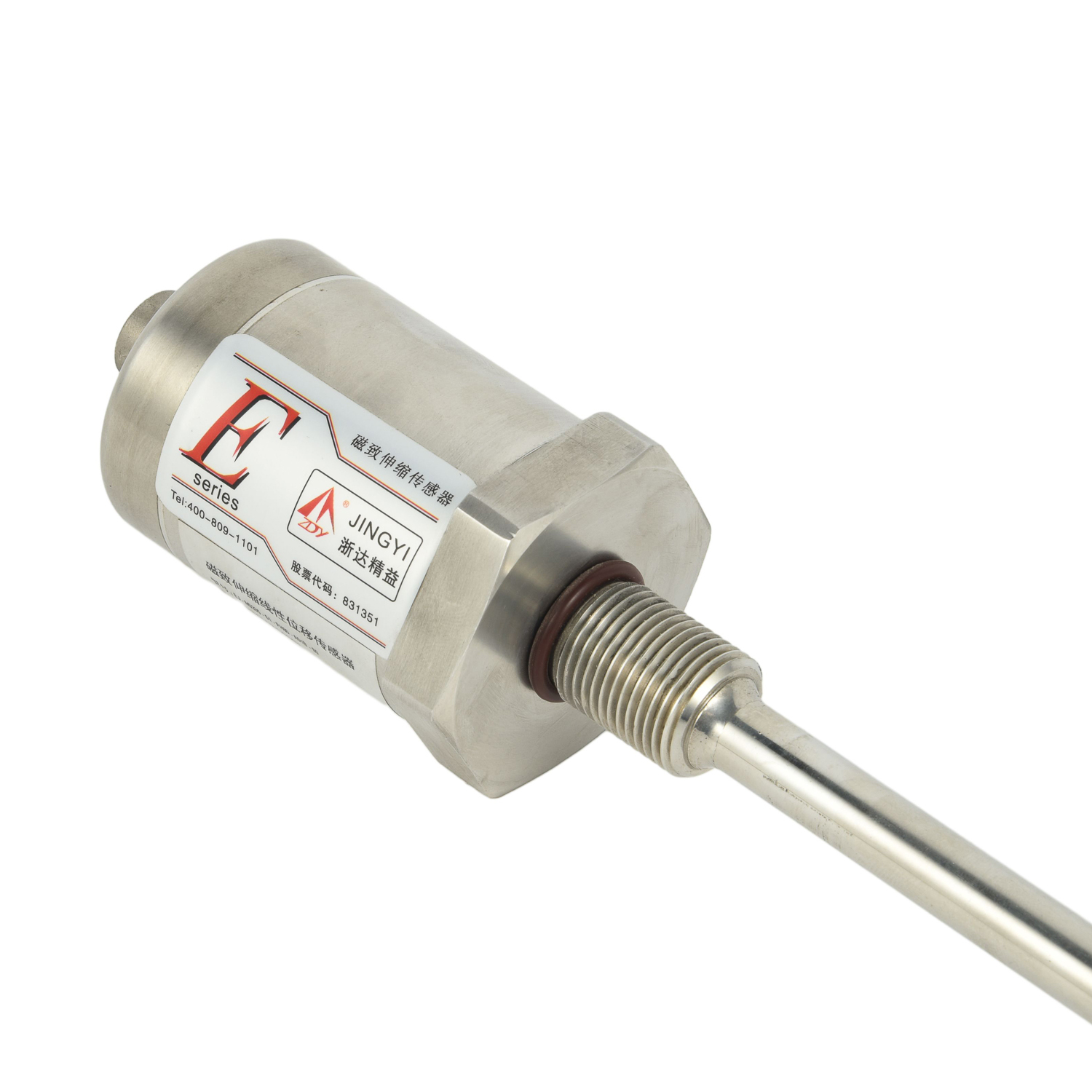
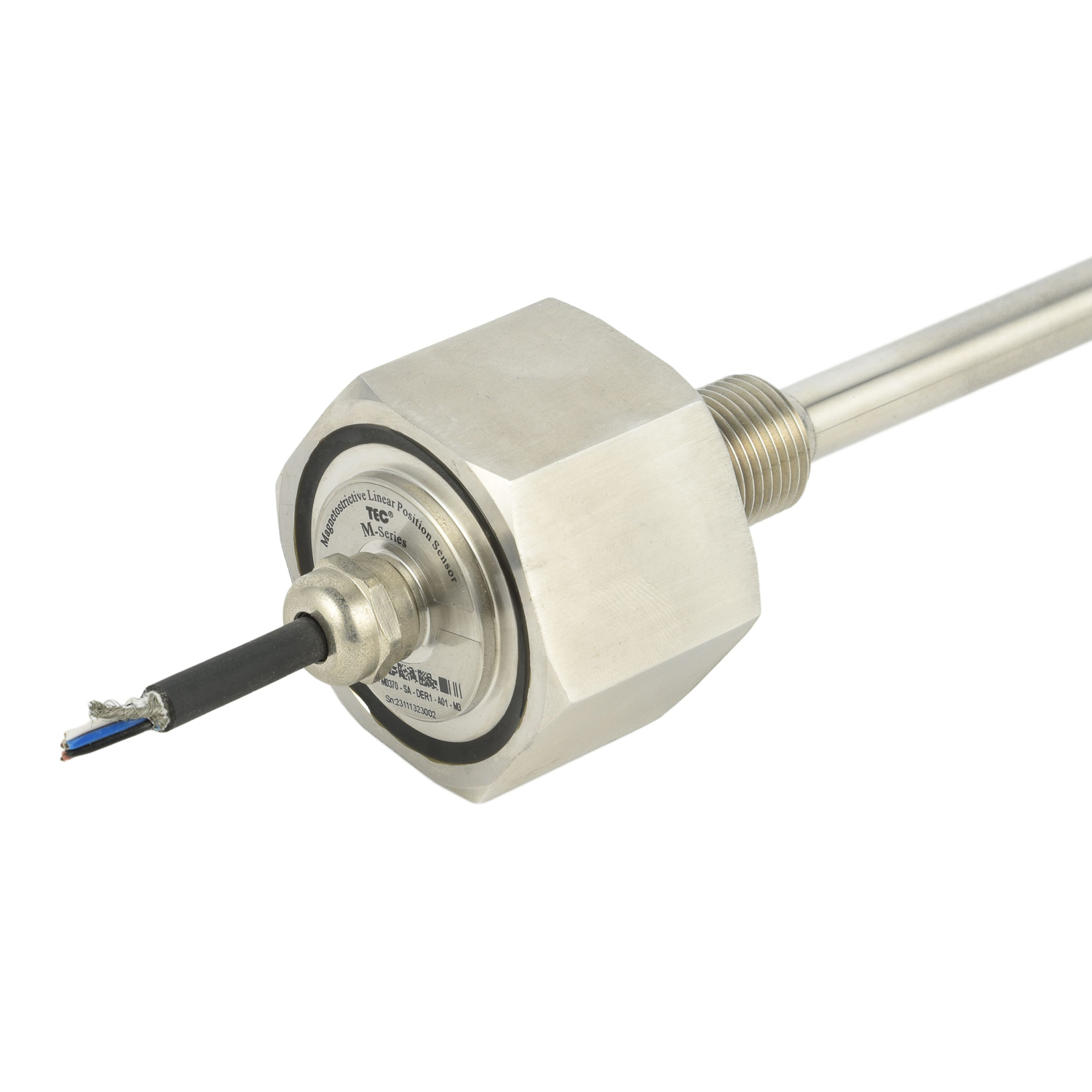
Magnetostrictive displacement sensors are widely used in hoists where precise, reliable linear position feedback is critical. A hoist must know hook height, trolley position, rope travel, and synchronization status in real time to prevent overload, skew, shock loads, and dangerous sway. The sensor works through a magnetostrictive waveguide and a movable position magnet. An electronic pulse travels along the waveguide, interacts with the magnet's field, and generates a torsional strain wave. The time between pulse launch and return echo is converted into absolute position. Because there is no mechanical contact between magnet and waveguide, the measurement is wear-free and highly repeatable. For hoist systems, magnetostrictive sensors offer absolute output, high resolution, long measuring ranges, and strong resistance to dust, oil, moisture, and vibration. They are ideal for overhead cranes, container handling, winches, lift platforms, and hydraulic hoist cylinders. Common outputs include 4-20 mA, 0-10 V, SSI, CANopen, and EtherCAT. During installation, the sensor should be aligned with the travel path, the magnet must maintain the correct clearance, and cables should be shielded and strain-relieved. Selection depends on stroke, pressure, IP rating, temperature, shock, and PLC interface. With proper mounting, the sensor needs little maintenance and provides stable position data for safer, smarter lifting. This makes them a strong choice for modern automated lifting equipment and safety systems.
 Power Plant Waterproof Linear
 Chemical Industry High-pressur
 Mining High-temperature Linear
 Metallurgy Explosion-proof Lin