
Magnetostrictive Displacement Sensor for Gates
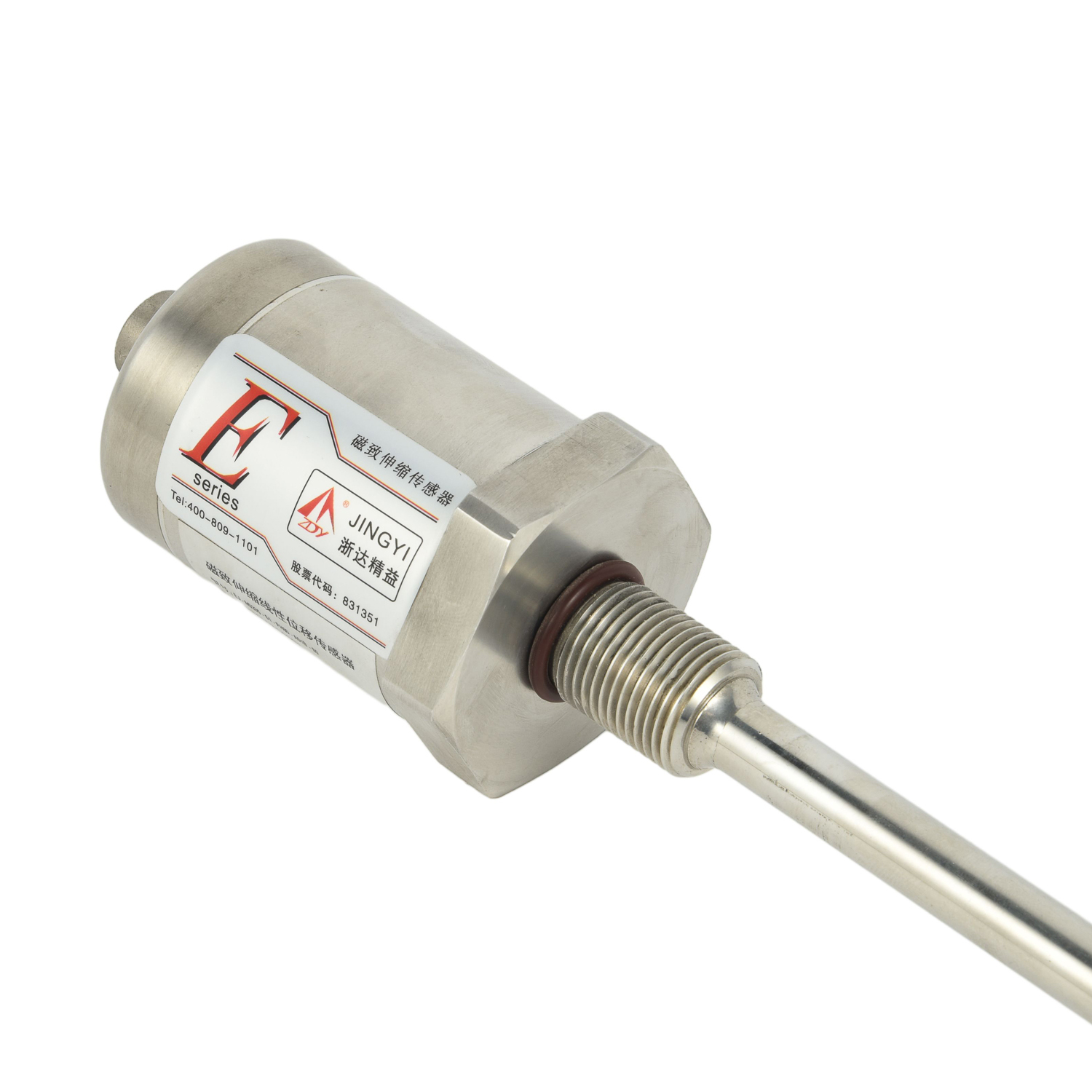
Magnetostrictive displacement sensors are ideal for measuring gate opening in dams, canals, and flood-control systems. They convert the linear position of a gate into a stable electrical signal using a magnetostrictive waveguide. A permanent magnet mounted on the gate or actuator moves along the sensor rod. The interaction between the magnet's field and a current pulse creates a torsional strain wave. The sensor measures the wave's travel time and outputs an accurate position value.
For gates, this technology offers high resolution, repeatability, and long-term reliability. Unlike potentiometers or optical encoders, magnetostrictive sensors have no sliding contacts, so wear is minimal. They resist moisture, vibration, dust, and temperature changes. This is critical for outdoor sluice gates, penstocks, and weirs.
A typical installation mounts the sensor body on a fixed frame and connects the magnet to the moving gate. The output (analog, SSI, CANbus, or Profibus) feeds into a PLC or SCADA system. Operators can monitor gate position in real time, prevent overflow, and automate flow control.
Benefits include precise stroke measurement, easy integration, and low maintenance. Proper alignment and sealing ensure reliable operation. With routine inspection, magnetostrictive displacement sensors help gates run safely and efficiently. They also support redundant systems and remote diagnostics for critical infrastructure. This makes them a smart choice for modern water management systems and reporting.
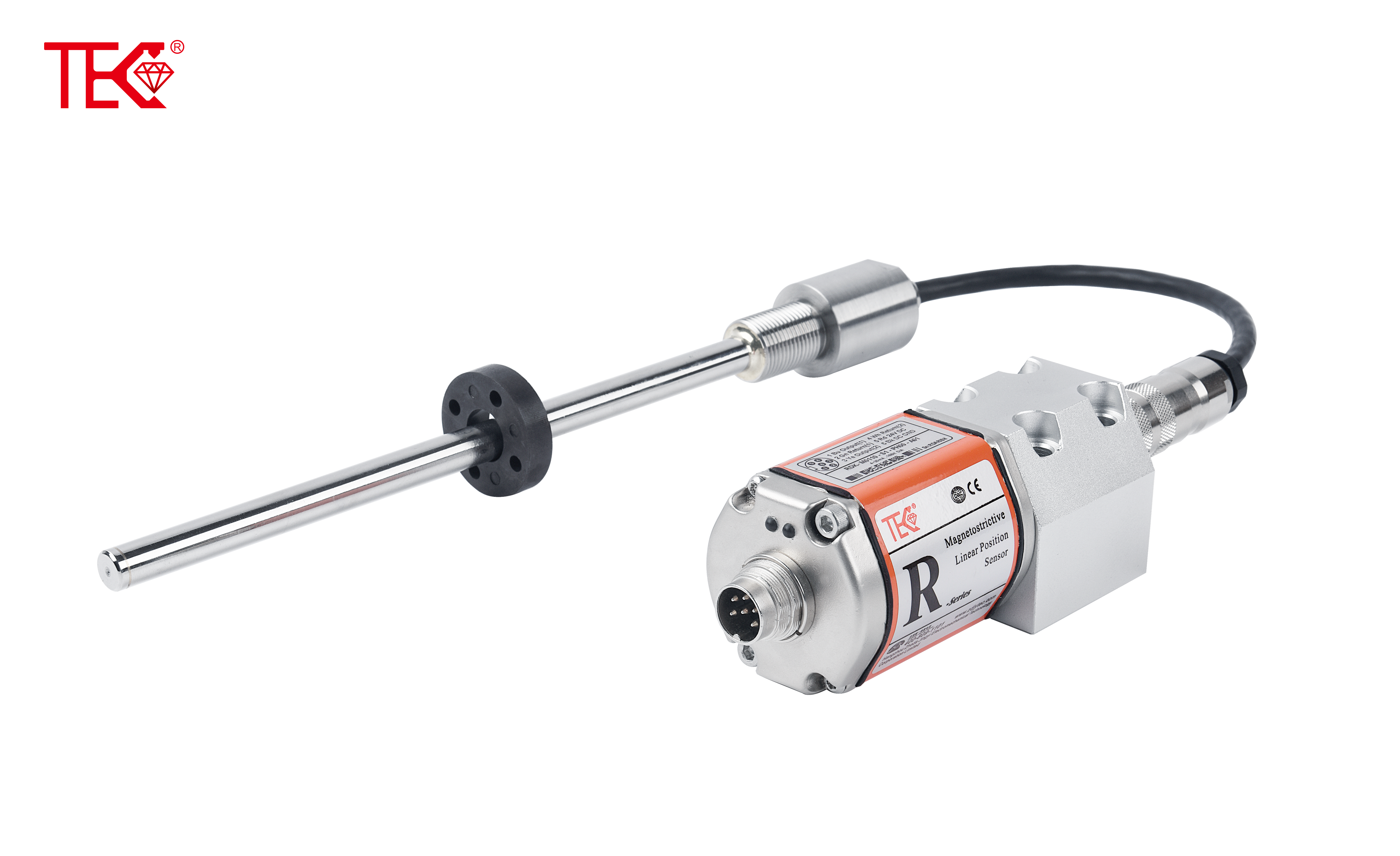
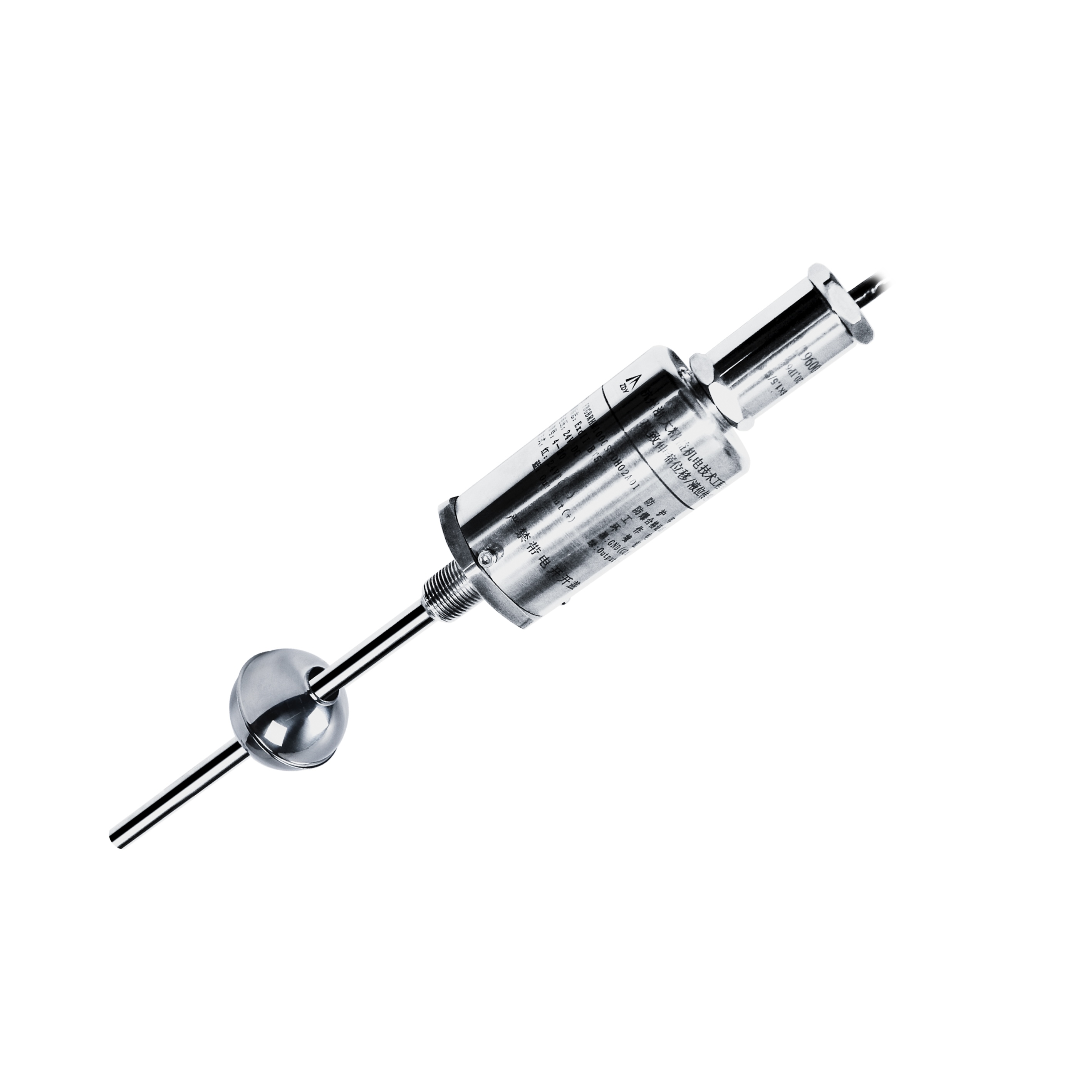 Port Corrosion-resistant Linea
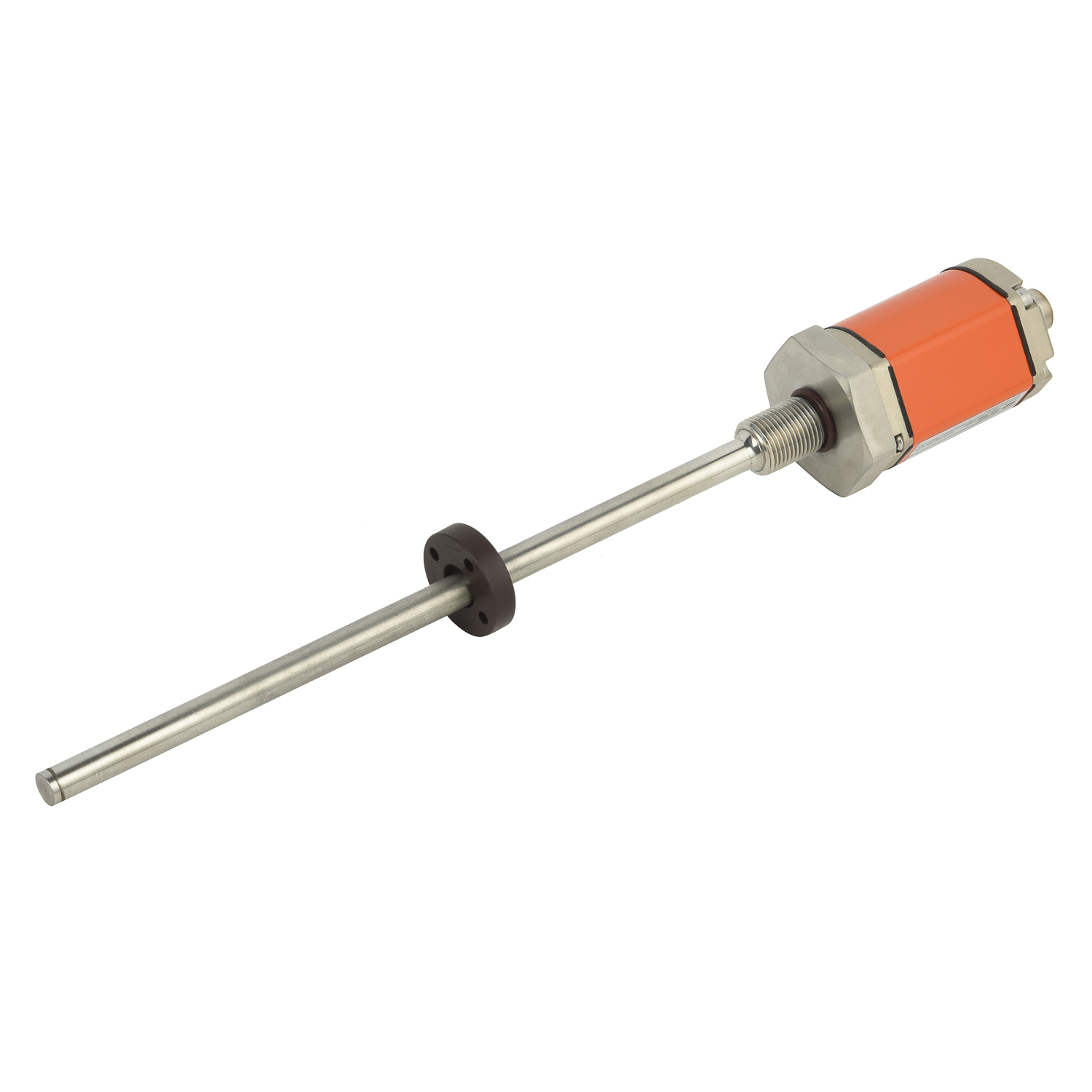 Power Plant Waterproof Linear
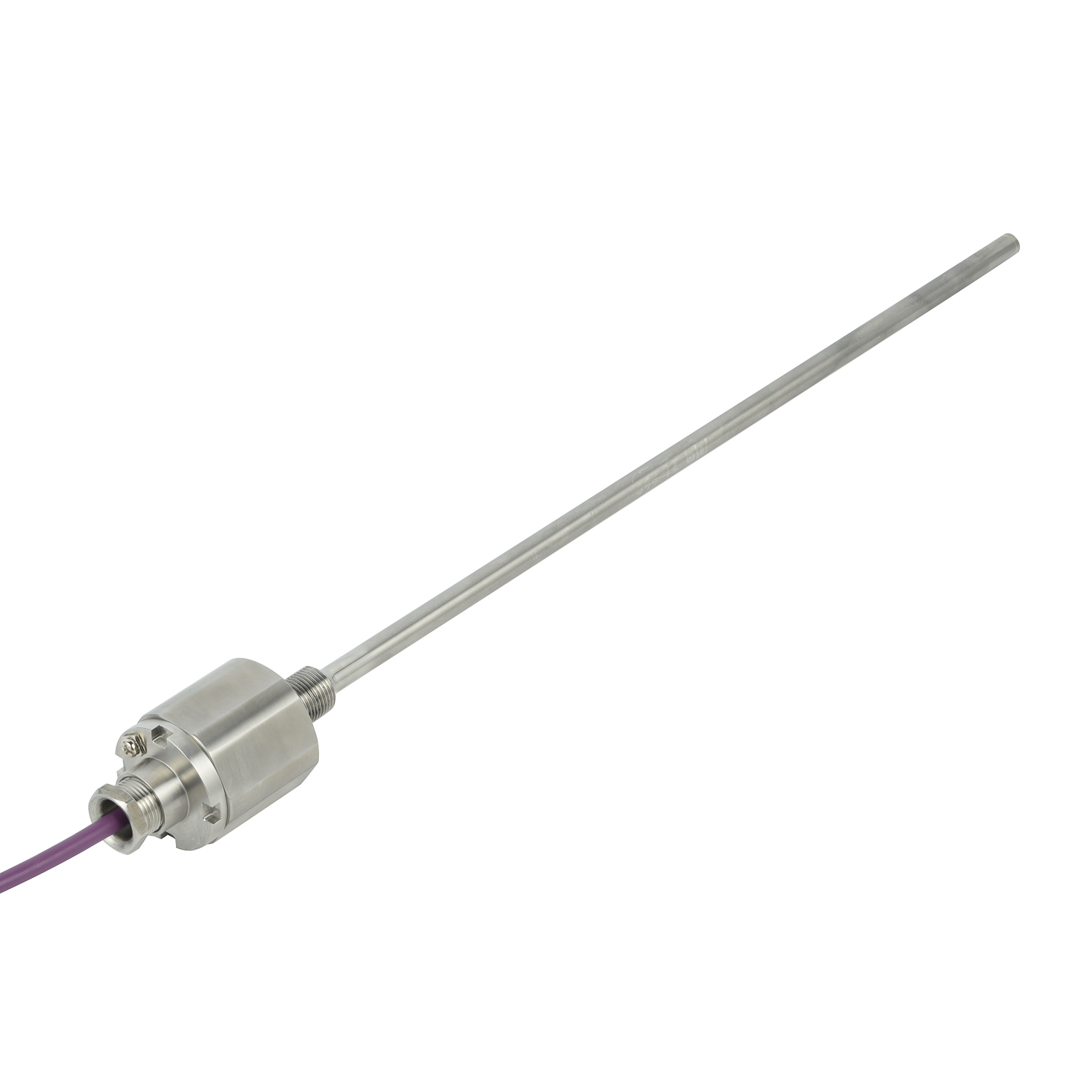 Chemical Industry High-pressur
 Mining High-temperature Linear