
Magnetostrictive Displacement Sensor for Silos
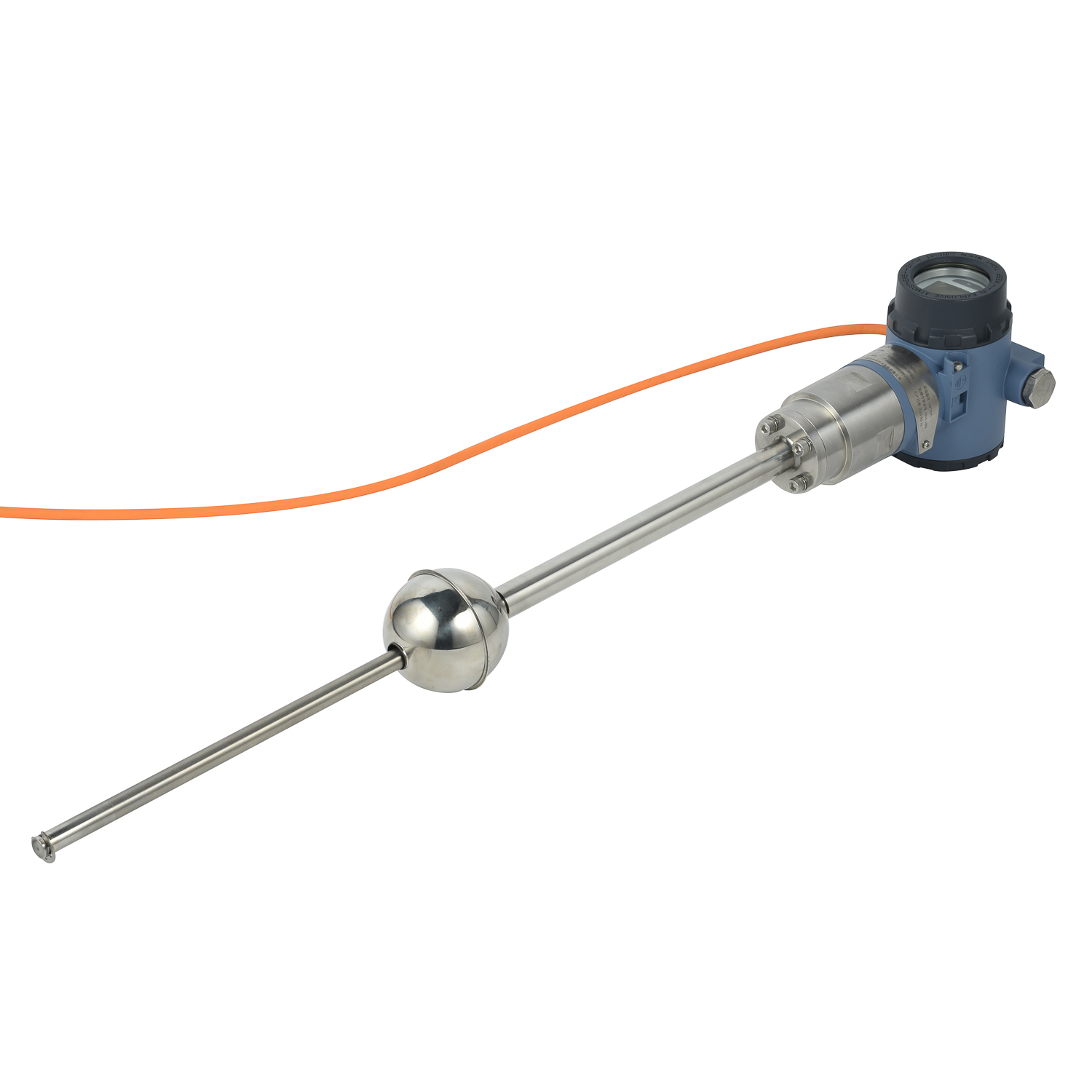
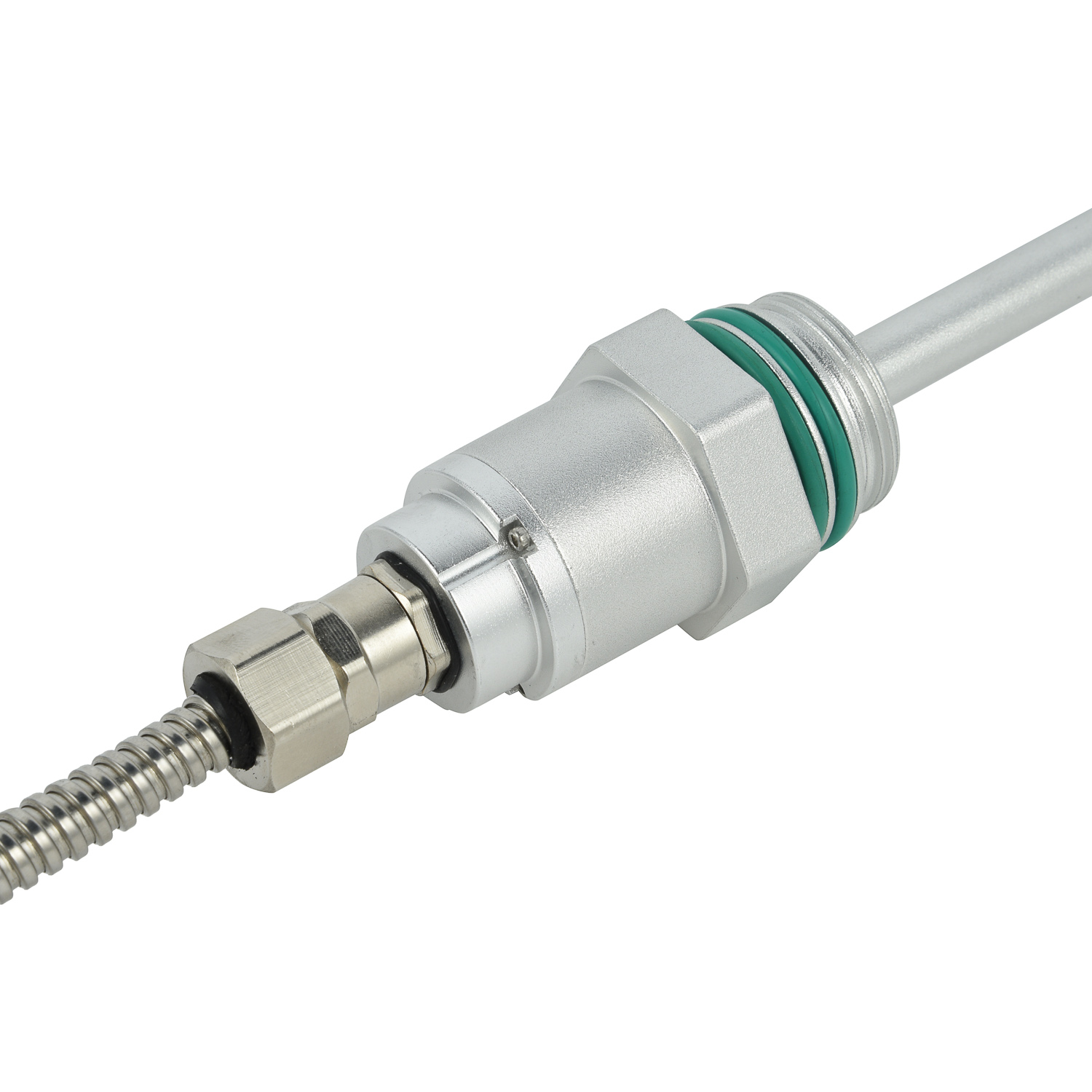
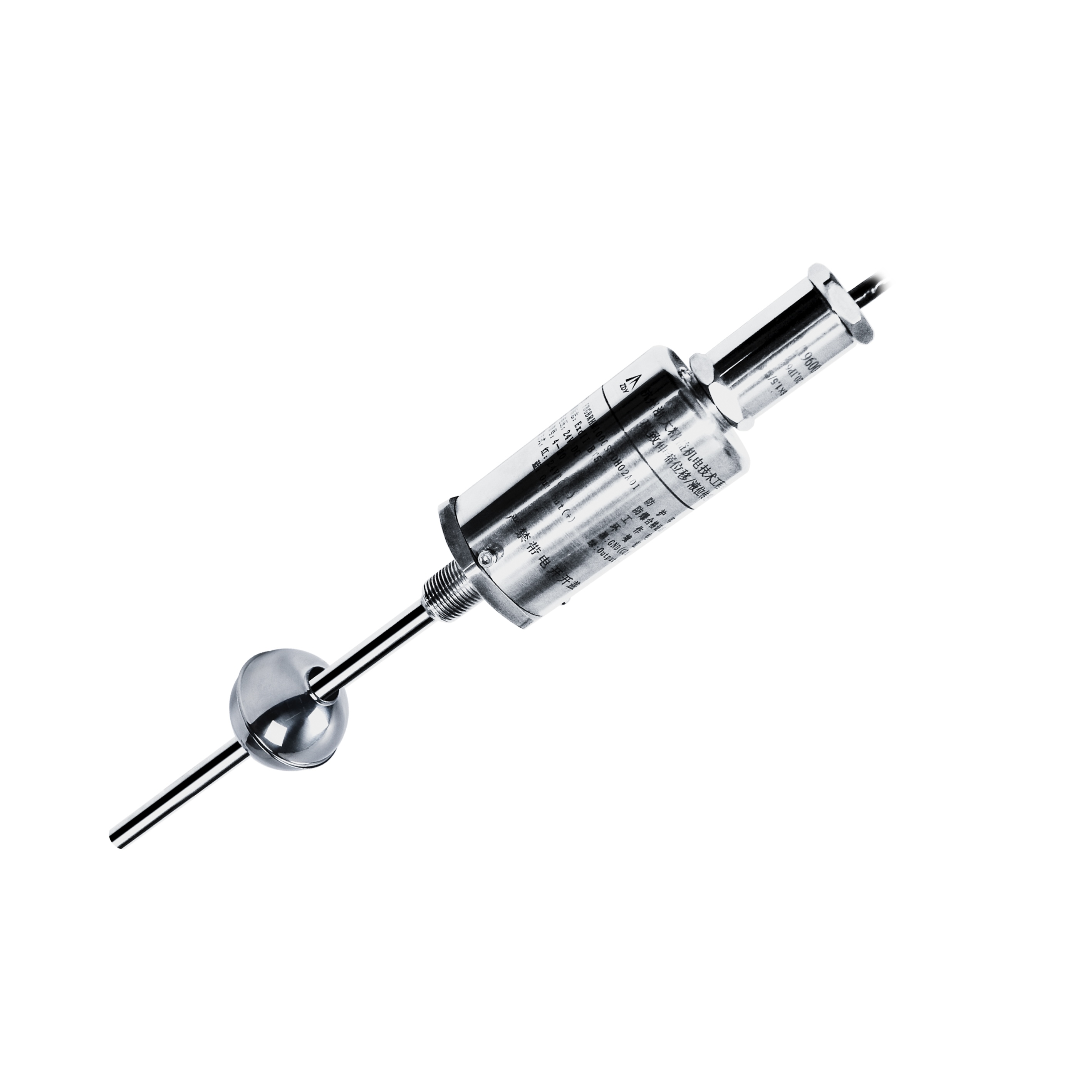
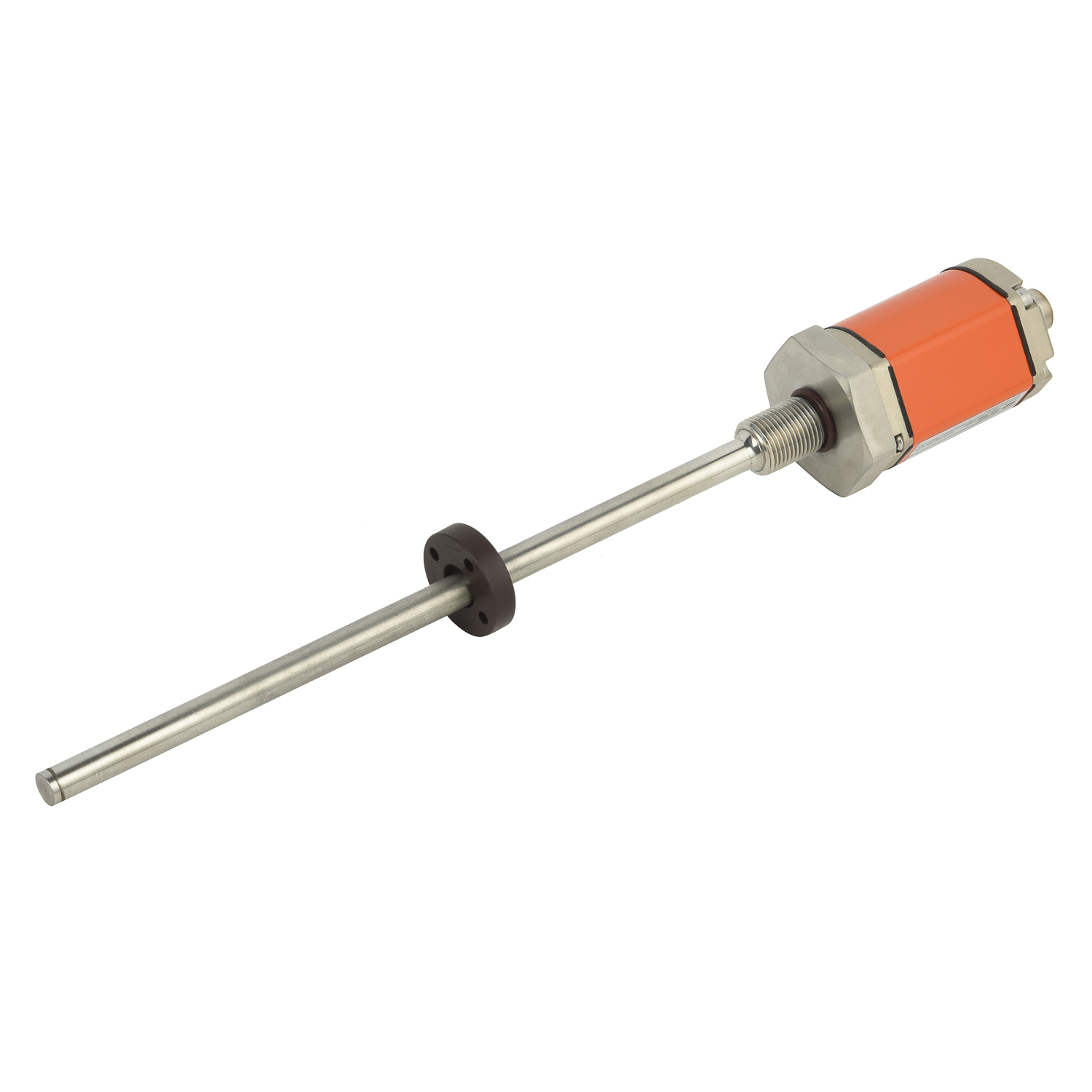
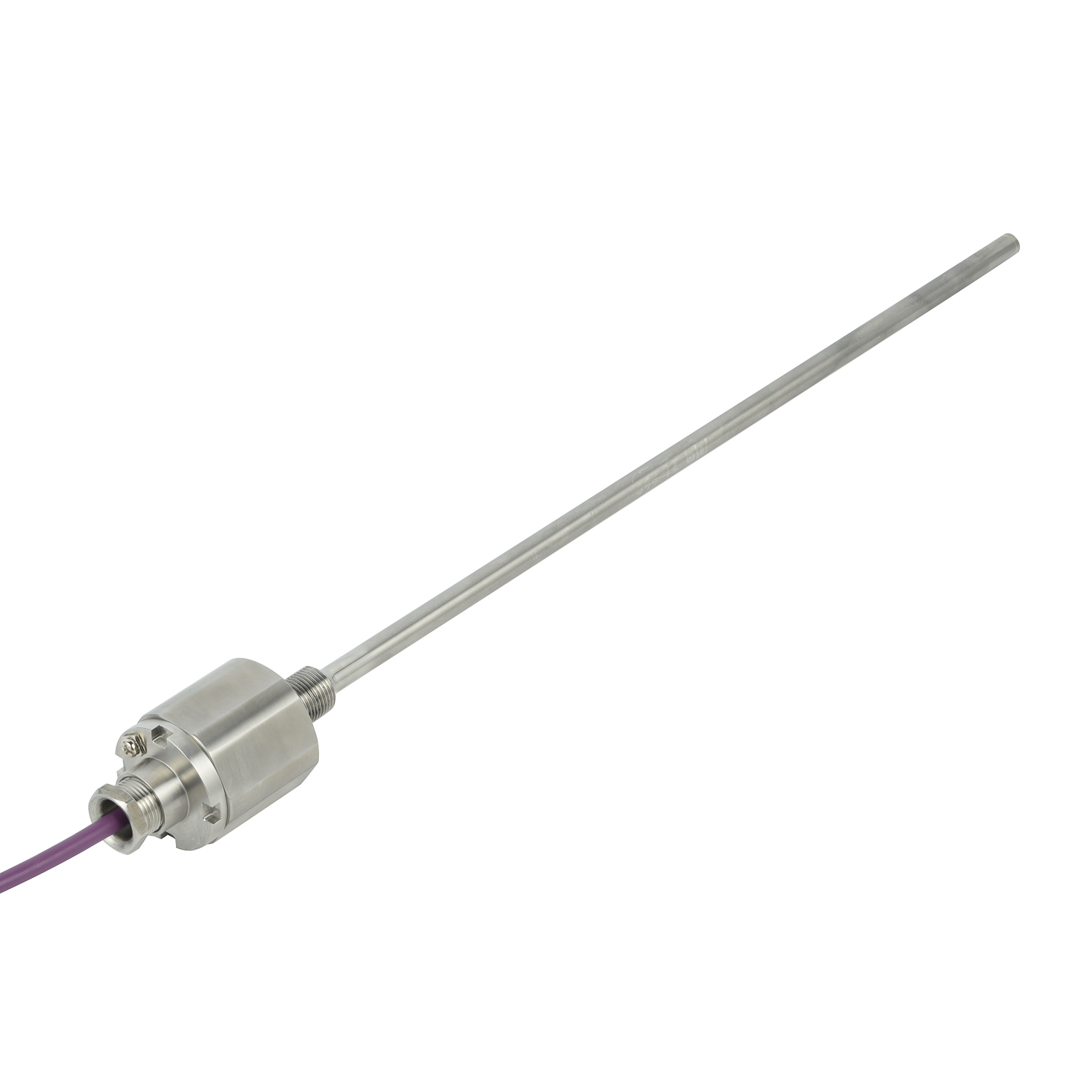
Magnetostrictive displacement sensors are ideal for measuring material levels in silos. A waveguide, a movable float with magnets, and an electronic head form the core. When a current pulse travels down the waveguide, it interacts with the float magnet and creates a torsional strain pulse. The sensor measures the time between pulses to calculate position. This gives continuous, high-accuracy level data even in dusty, sticky, vibrating bulk storage.
For silos, the sensor can be mounted vertically or in a bypass pipe. It tracks grain, cement, coal, sand, pellets, powders, and other bulk solids. Unlike ultrasonic or radar sensors, it does not depend on echo returns and is not affected by dust clouds, foam, or changing dielectric constants. It works well in tall bins, narrow silos, and high-temperature or high-pressure vessels when correctly specified.
Key benefits include +/-0.05% full-scale accuracy, repeatability, and long-term stability. Output options include 4-20 mA, HART, Modbus, and Profibus, making integration with PLC and SCADA systems simple. Because there are no moving parts except the float, maintenance is low, and service life is long.
Proper installation is important. Keep float path clear, avoid inlet streams, and allow space for material angle of repose. Regular calibration checks ensure reliable inventory control, overfill prevention, and process automation. Overall, magnetostrictive displacement sensors deliver precise, stable, durable level measurement for silos.
 Construction Machinery Built-i
 Port Corrosion-resistant Linea
 Power Plant Waterproof Linear
 Chemical Industry High-pressur