
Magnetostrictive Displacement Sensor for Reaction Kettles
Reaction kettles in chemical, pharmaceutical, and food plants often work under high pressure, high temperature, and corrosive media. Accurate measurement of valve stroke, agitator position, and liquid level is vital for safety and product quality. Magnetostrictive displacement sensors meet these needs with high precision and long-term reliability.

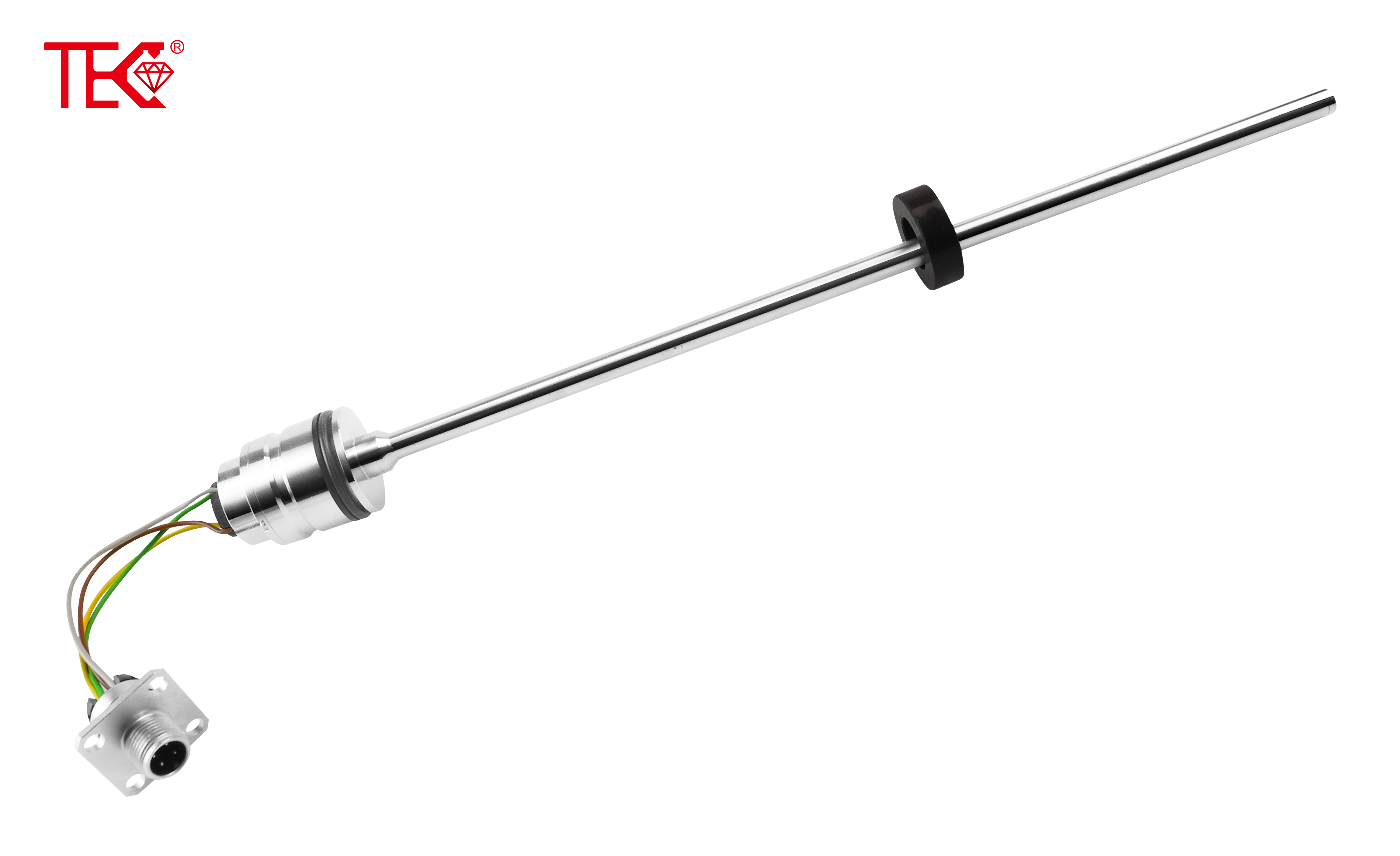
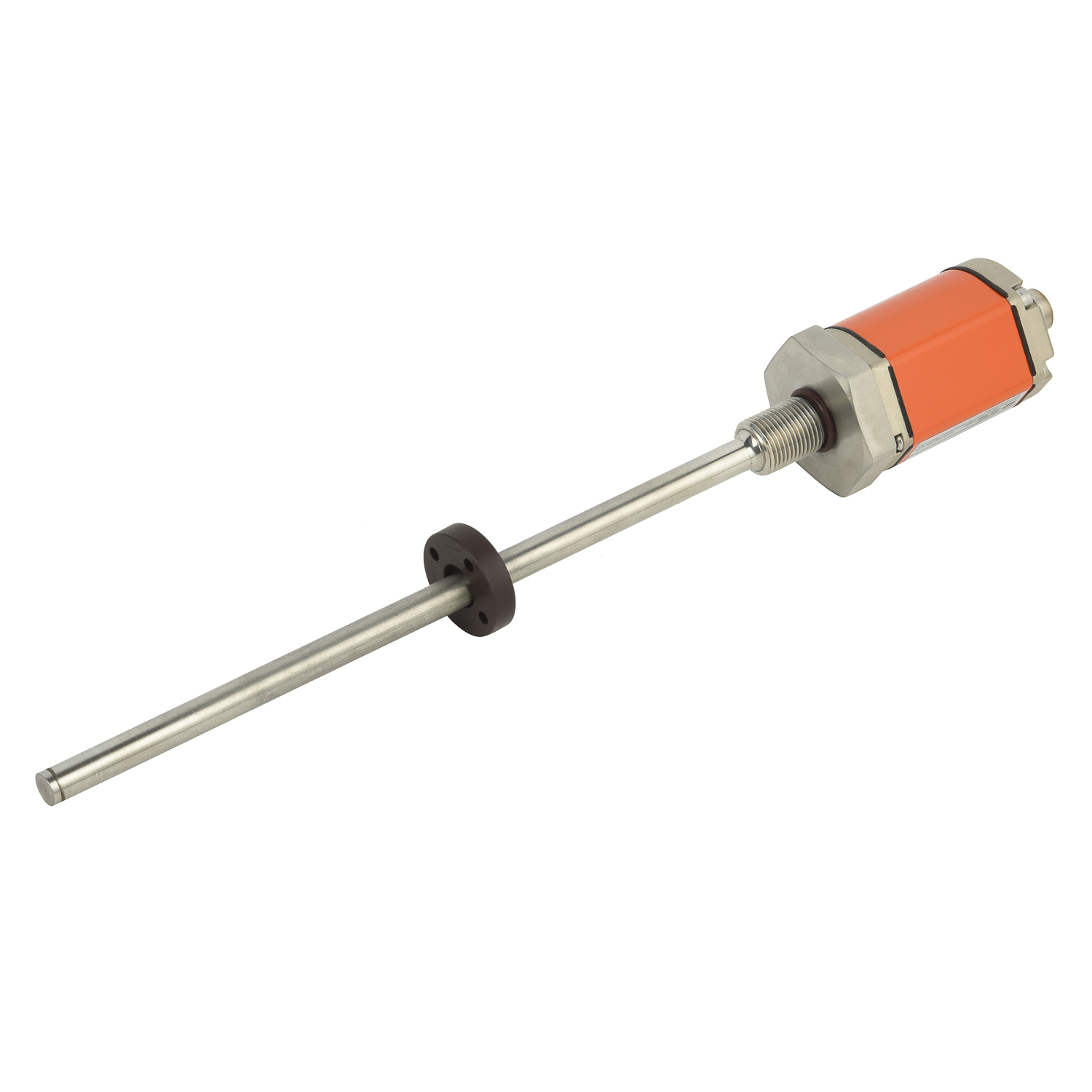
A magnetostrictive sensor sends a pulse along a waveguide. A permanent magnet moves with the measured part. The interaction creates a torsional strain pulse. The time difference between the interrogation pulse and the return signal gives an absolute position. Because the magnet does not touch the waveguide, wear is minimal and sealing is simple.
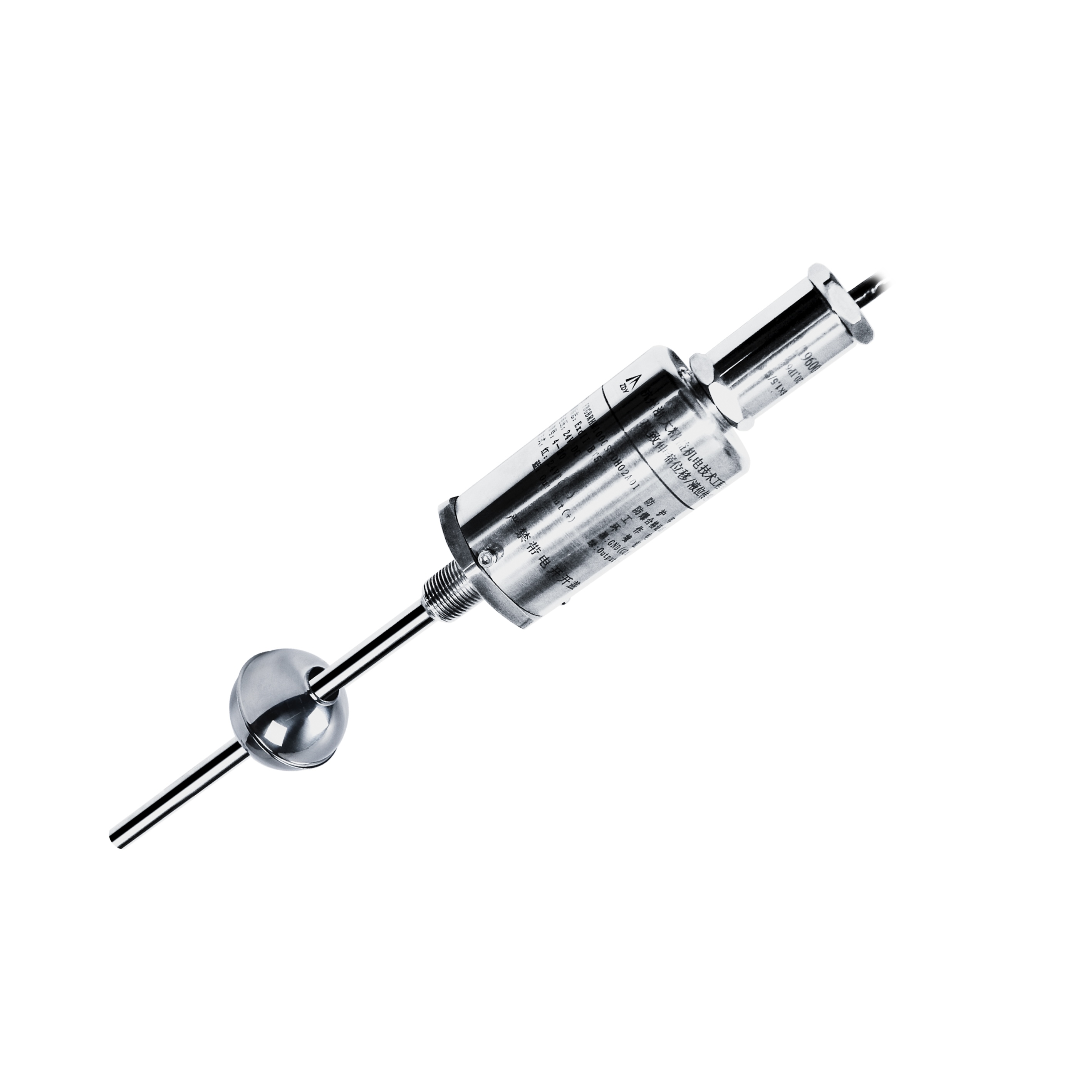
In a reaction kettle, the sensor can track bottom valve position, discharge valve stroke, or liquid level through a float. It keeps absolute position after power loss, so no re-zeroing is required. Typical accuracy is 0.05% of full scale, with repeatability better than 0.01%. Outputs such as 4-20 mA, 0-10 V, SSI, CANopen, and Modbus connect easily to PLC and DCS systems.
For demanding vessels, choose stainless steel housings, hygienic materials, high-temperature remote electronics, and explosion-proof designs. Installation must align the waveguide with the motion axis and select a float for the medium density. With rugged construction and precise feedback, magnetostrictive displacement sensors improve reaction kettle control, reduce downtime, and support safer production and lower maintenance.
 Injection Molding Machine Non-
 Construction Machinery Built-i
 Port Corrosion-resistant Linea
 Power Plant Waterproof Linear