
Injection Molding Machine Non-contact Linear Displacement Sensor
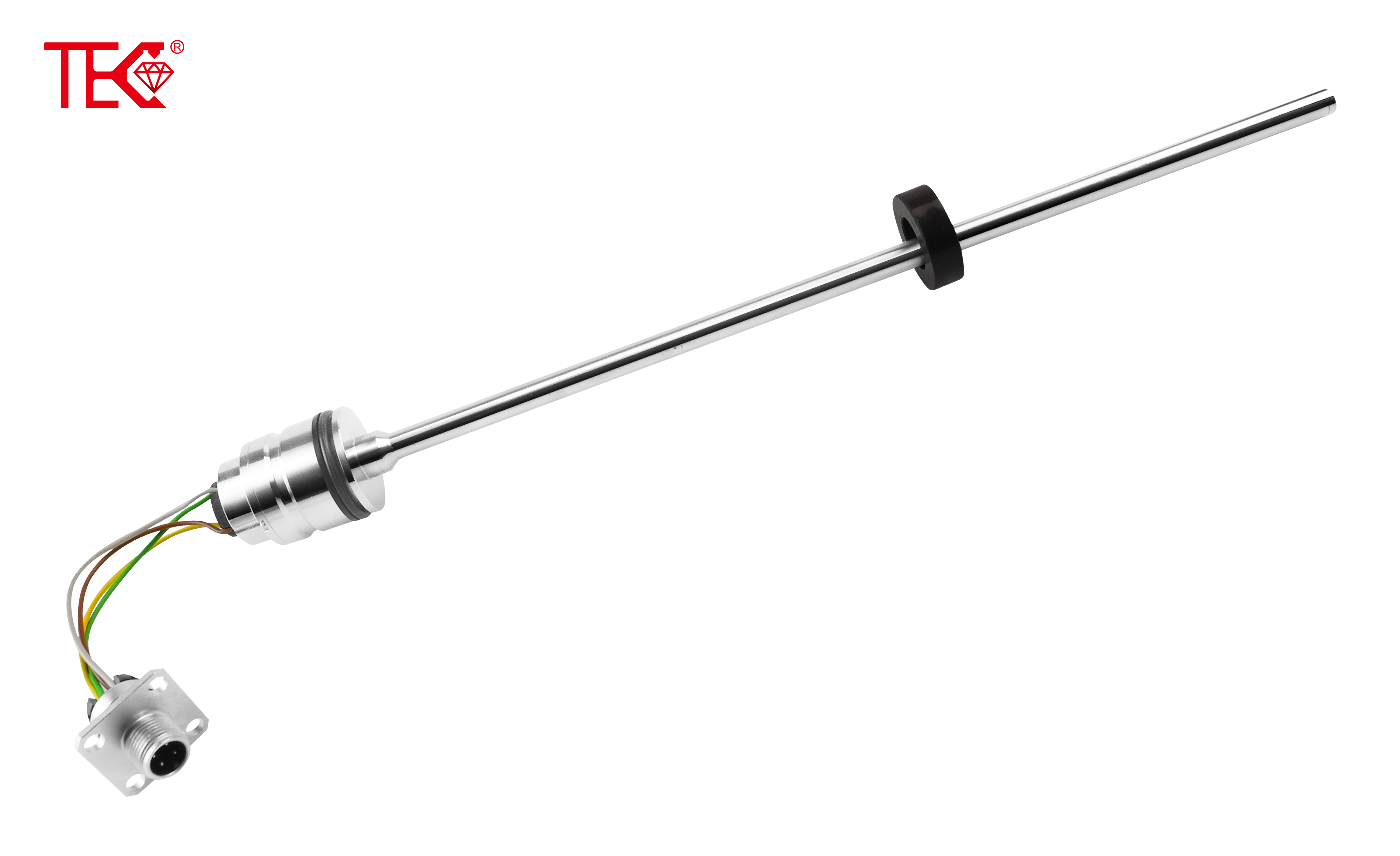
Injection molding machines depend on accurate position feedback for mold clamping, injection, ejection, and core-pull sequences. A non-contact linear displacement sensor measures the moving platen, injection ram, or ejector without touching the target, so there is no mechanical wear, stick-slip, or backlash. Magnetic, inductive, eddy-current, and laser sensors provide high resolution, fast response, and long service life. They are well suited to oily, dusty, and vibration-heavy molding environments when correctly specified. Reliable feedback improves shot consistency, mold protection, cycle stability, and scrap reduction. Selection should consider stroke length, resolution, repeatability, linearity, IP rating, temperature range, and EMI immunity. Mounting alignment, target material, cable routing, and shielding also affect performance. With proper installation, non-contact sensors reduce maintenance, shorten setup, and support high-quality injection molding production. For high-speed clamping, choose sensors with sufficient update rates and robust signal filtering. For injection units, repeatable linear feedback helps control melt position and cushion stability. In dusty workshops, sealed housings and protected cables prevent drift and intermittent faults. Regular calibration checks and clean sensor faces keep measurements traceable. Compared with contact-type linear transducers, non-contact models avoid wear on guideways and reduce unplanned downtime. This supports efficient production.
 Shield Tunneling Flange-mounte
Injection Molding Machine Non-
 Construction Machinery Built-i
 Port Corrosion-resistant Linea