
Magnetostrictive Displacement Sensor for Storage Tanks
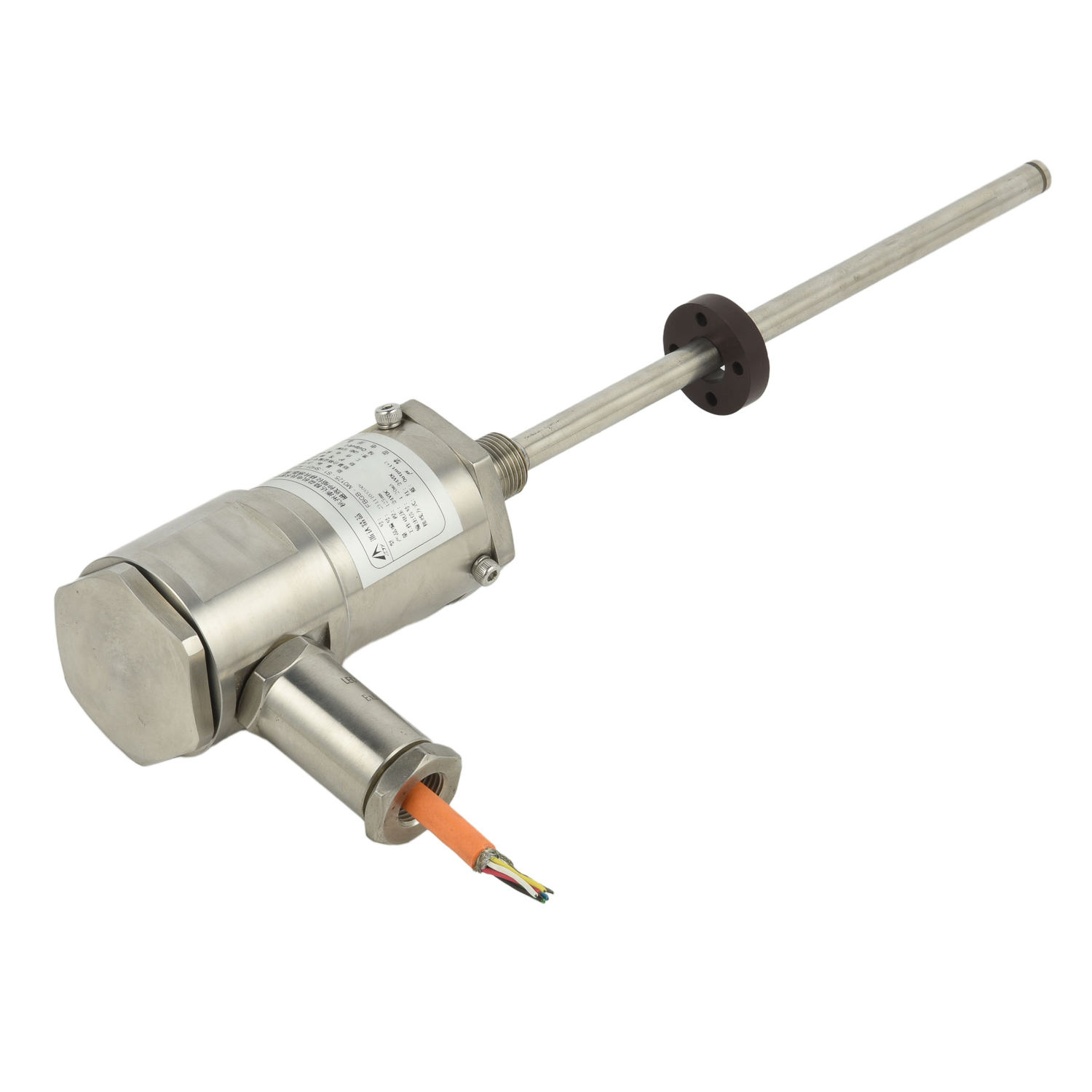
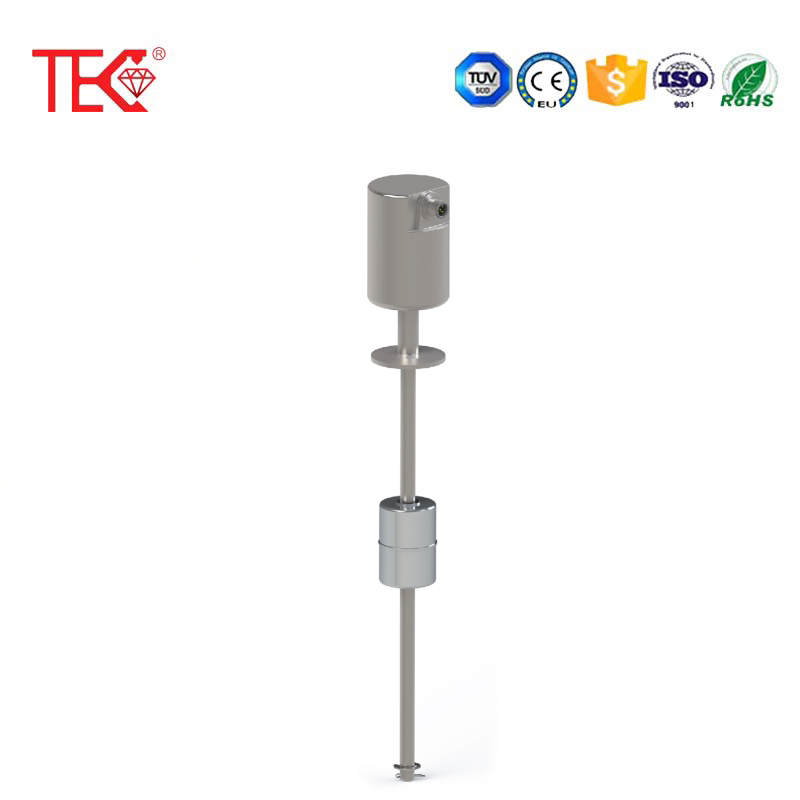
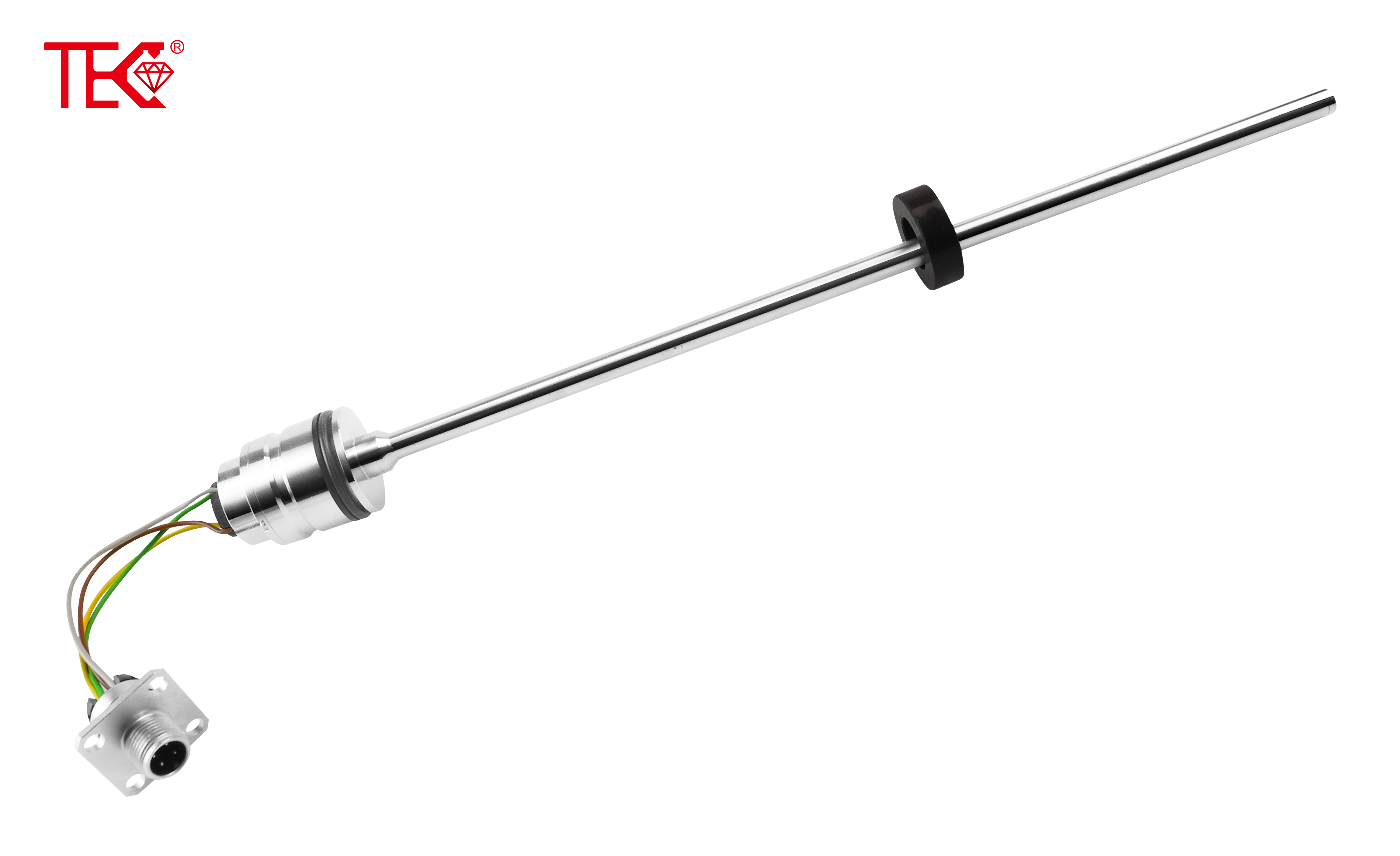
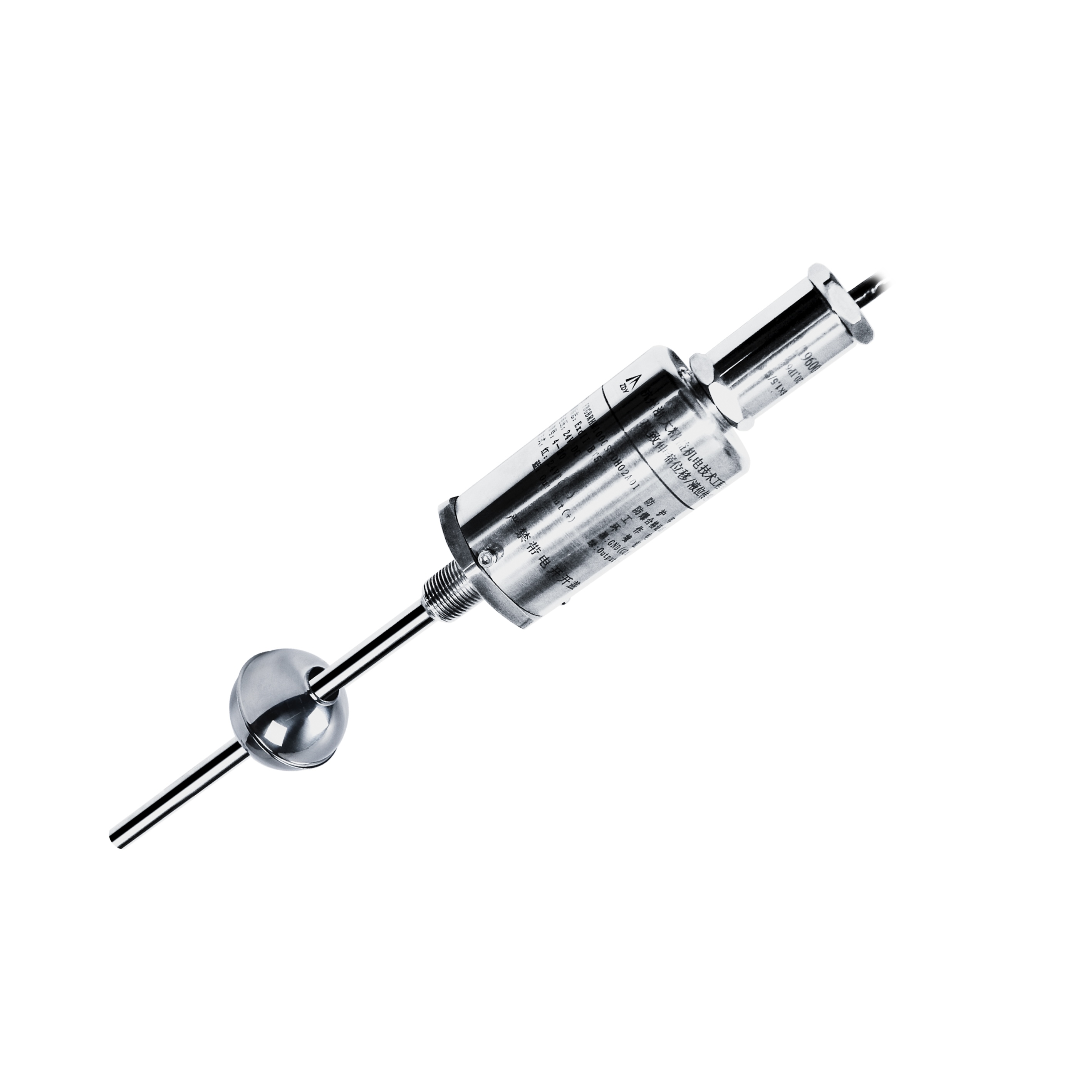
Magnetostrictive displacement sensors are used in storage tanks to measure liquid level with high accuracy and stability. A current pulse travels through a waveguide. A magnetic float creates a torsional strain wave. The sensor measures the wave return time and converts it into a precise position. This design works well in demanding industrial environments.
Storage tanks hold water, oil, chemicals, fuels, or food liquids. Accurate level data supports inventory control, overfill prevention, leak detection, and process safety. Magnetostrictive sensors offer continuous measurement, fast response, and repeatable results. Because they have few moving parts, they reduce wear and maintenance.
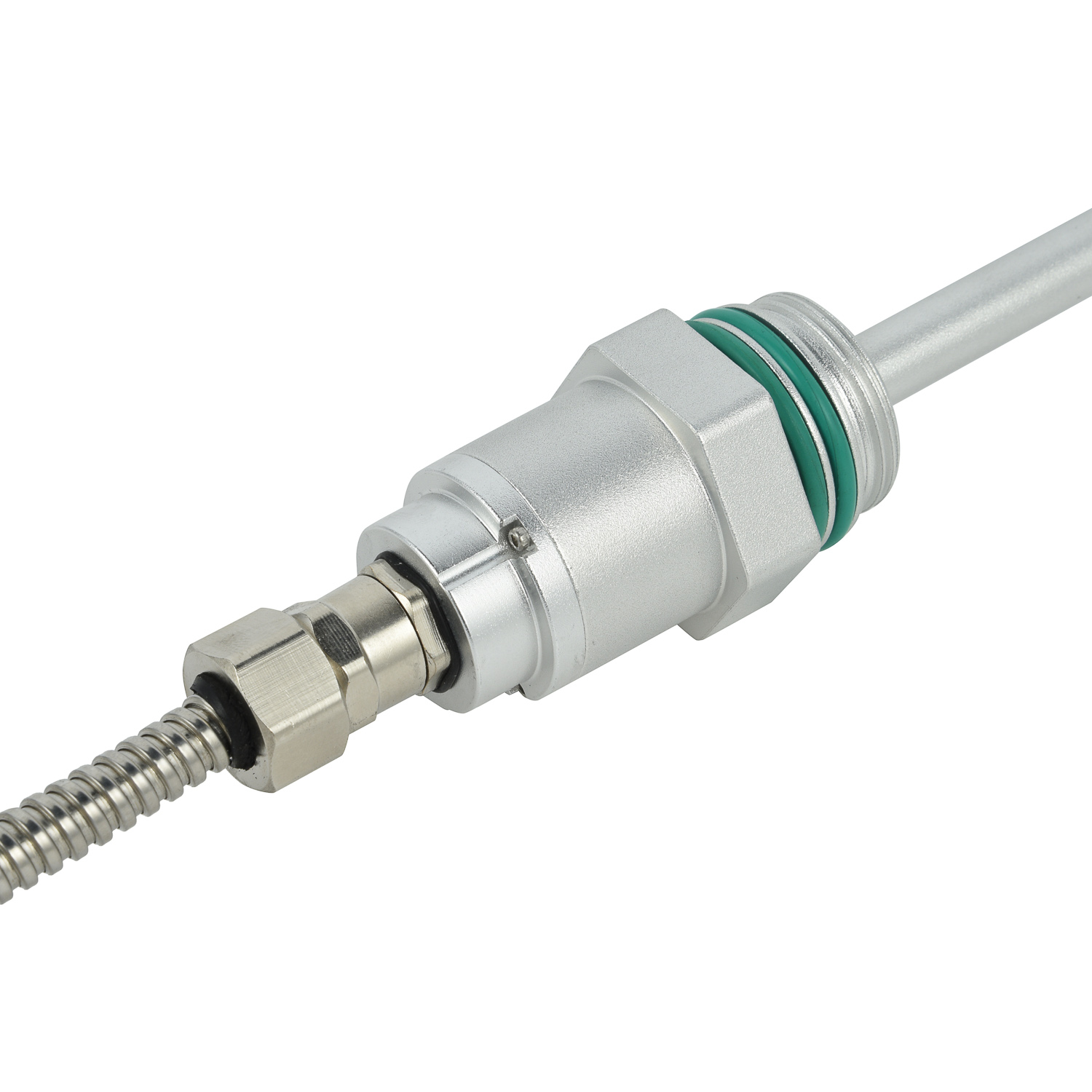
These sensors fit tall tanks, underground tanks, and process vessels. They can be installed with a float or probe and connected to PLCs, controllers, or monitoring systems. Outputs include analog, digital, or fieldbus signals. Sealed versions resist pressure, temperature changes, and corrosive media. They are also suitable for demanding industrial tank farms.
For best performance, choose the correct probe length, process connection, float type, and output signal. Regular calibration and inspection maintain accuracy. Integrated with a tank gauging system, they support real-time data, alarms, and automated reporting.
In summary, a magnetostrictive displacement sensor provides precise, durable level measurement for storage tanks. It helps operators monitor inventory, prevent spills, and optimize tank operations.
 Shield Tunneling Flange-mounte
 Injection Molding Machine Non-
 Construction Machinery Built-i
 Port Corrosion-resistant Linea