
Magnetostrictive Displacement Sensor for Material Tanks
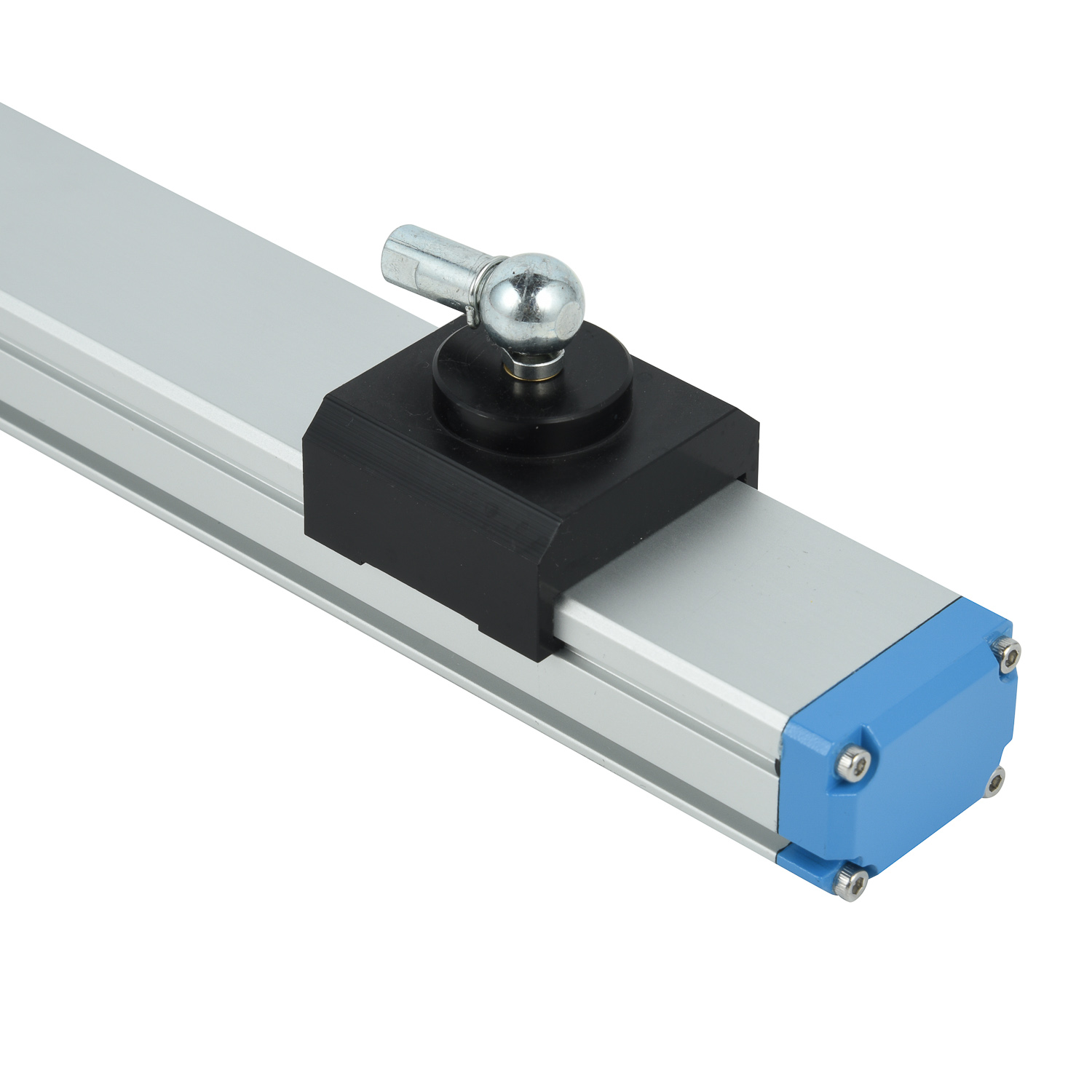
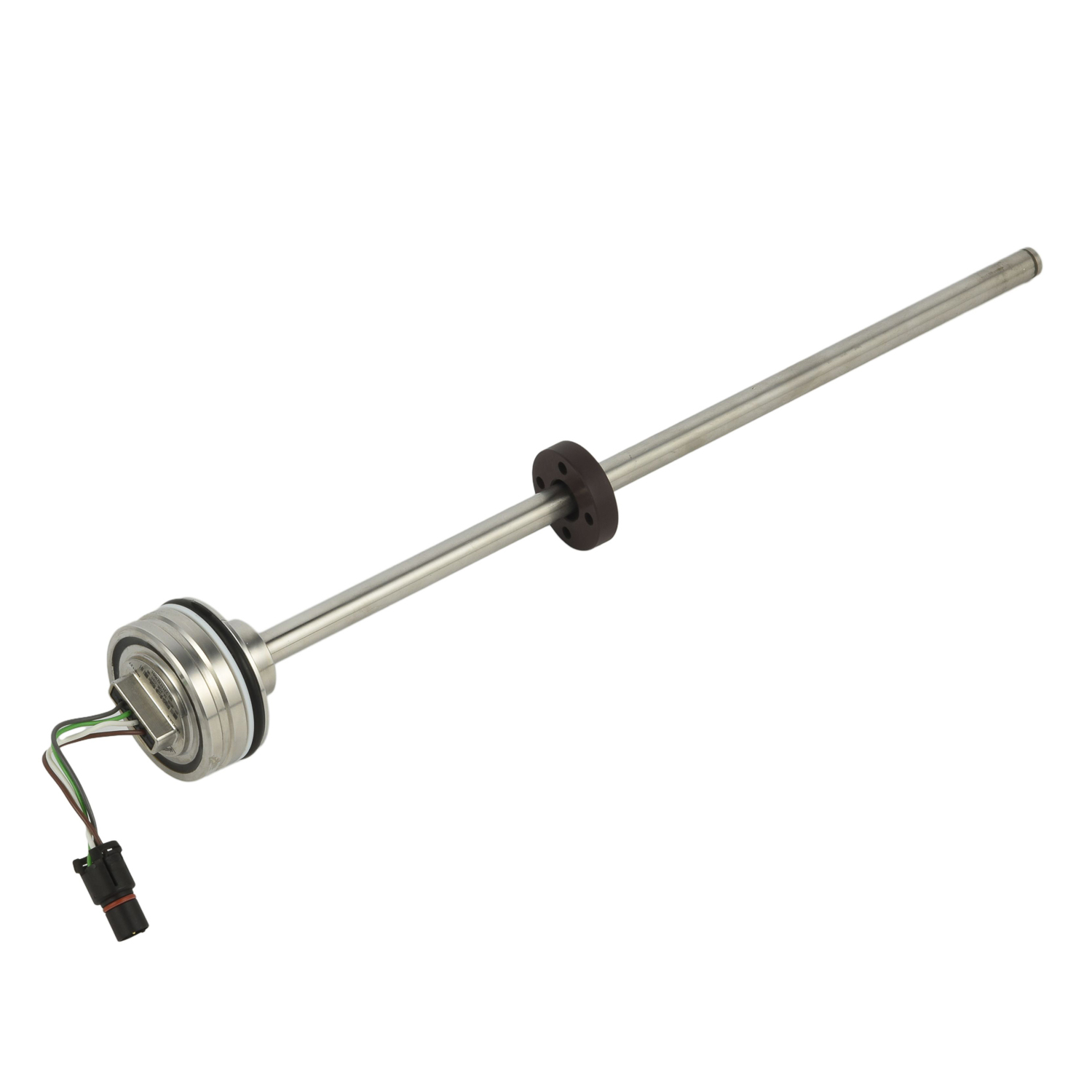
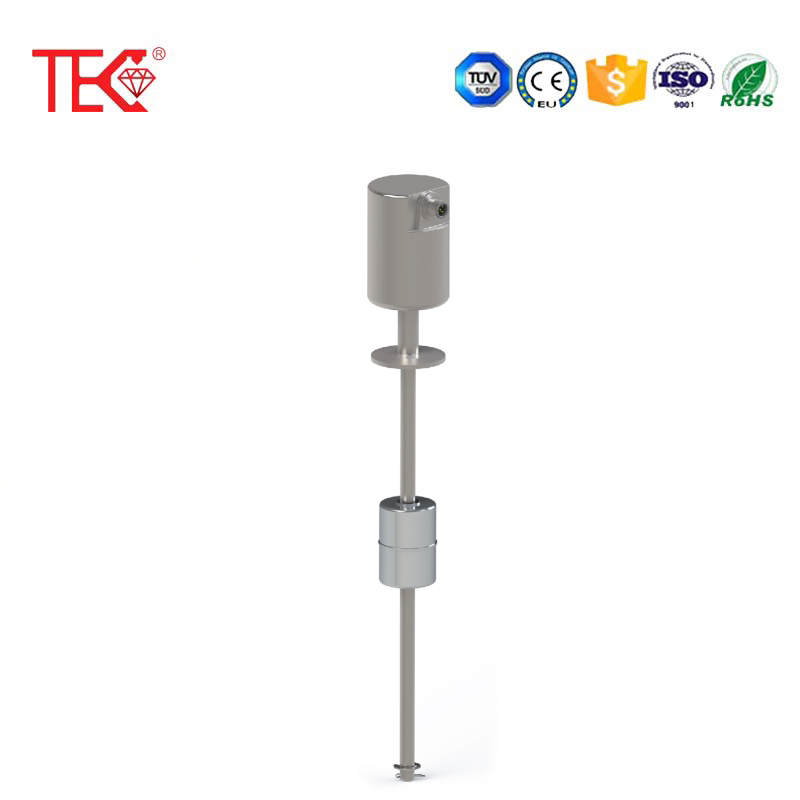
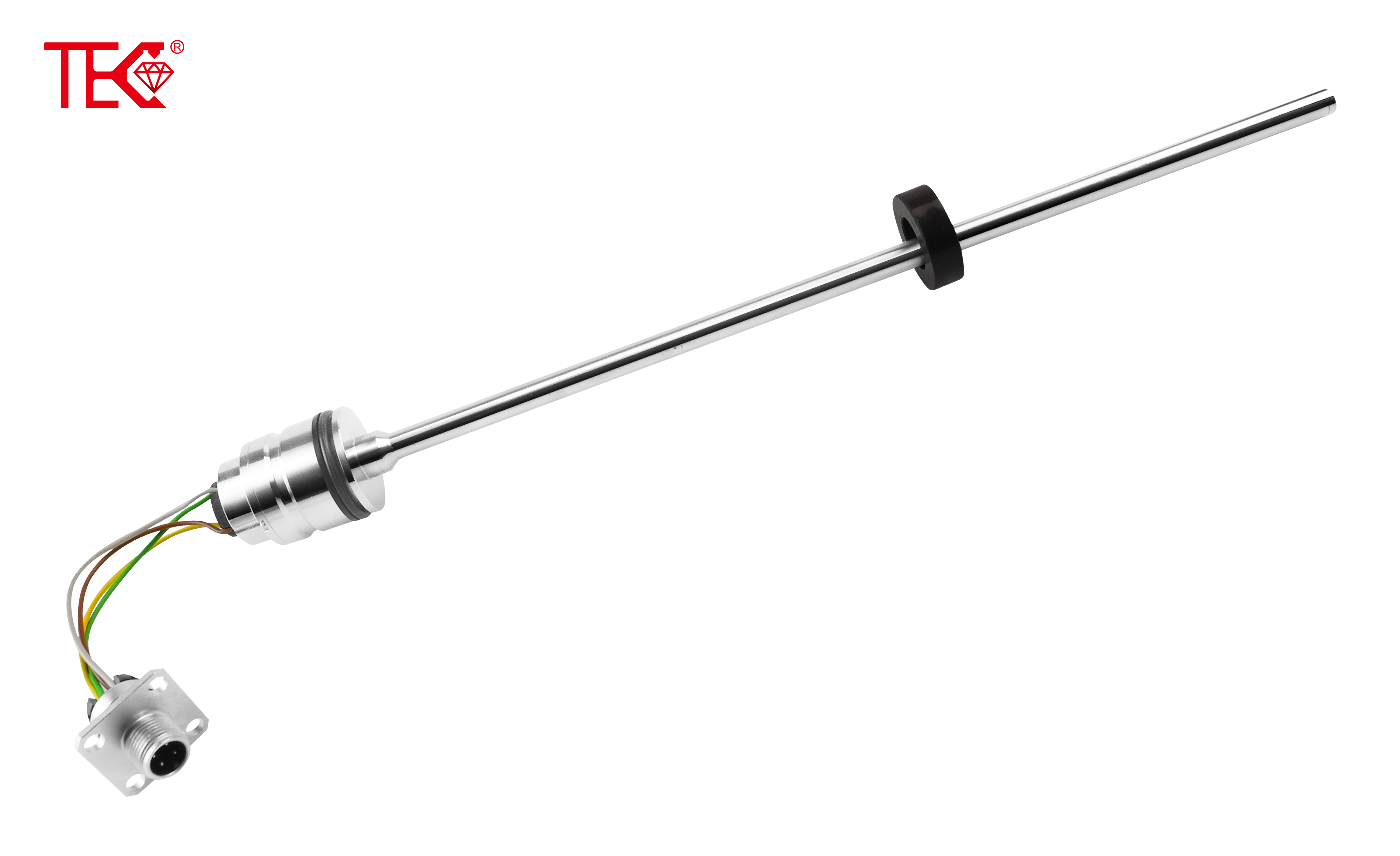
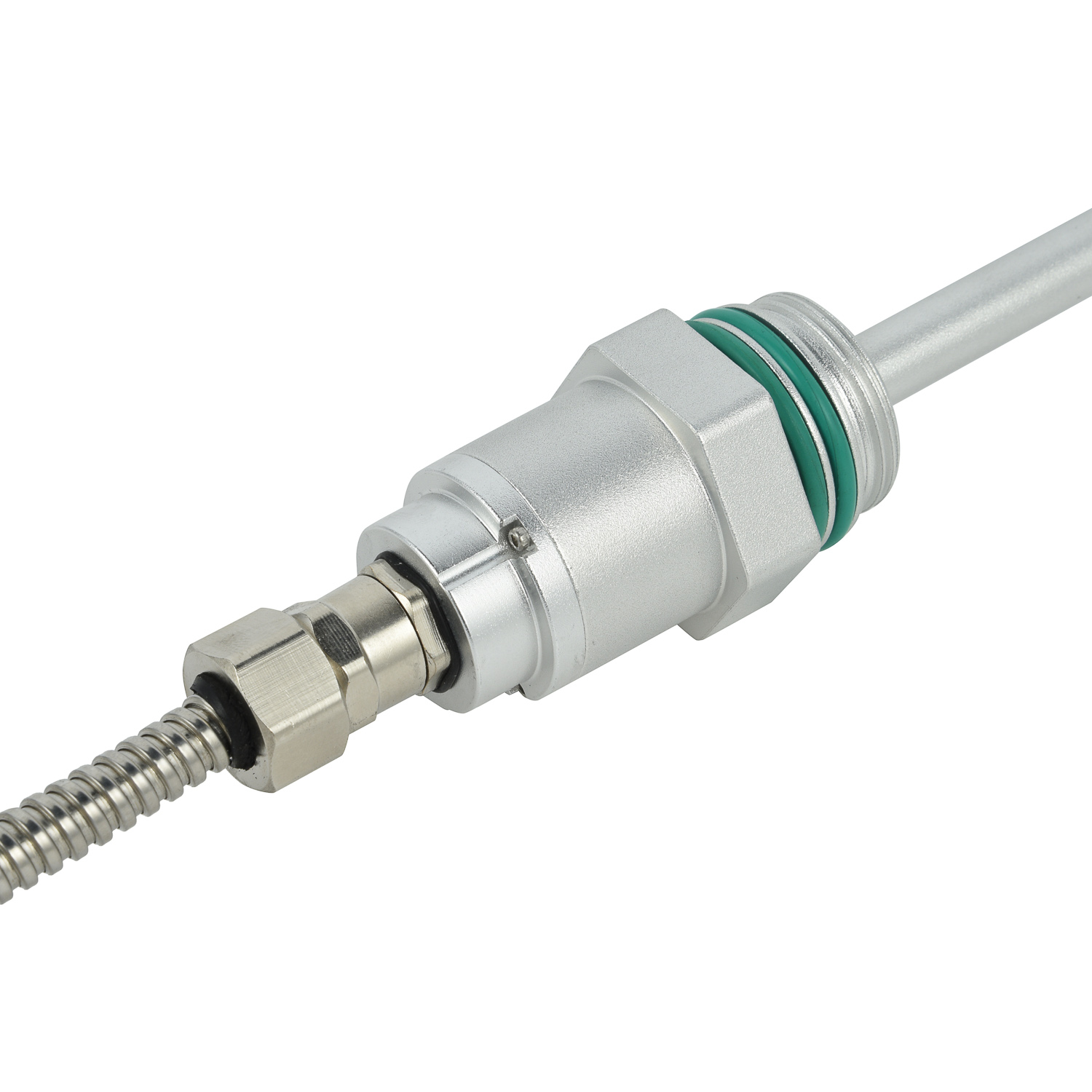
Magnetostrictive displacement sensors are widely used to measure liquid level and material position in storage tanks. They use a waveguide tube, a movable float with a permanent magnet, and an electronic head. When a current pulse travels along the waveguide, it interacts with the magnet and creates a torsional strain pulse. The sensor measures the time between the current pulse and the returned strain pulse. Because the speed of the pulse is stable, the distance to the float is calculated with high accuracy. For material tanks, this gives an absolute level reading without re-zeroing after a power loss. These sensors are popular in chemical, water, fuel, oil, and food processing tanks. They can handle viscous liquids, slurries, and clean fluids when the correct float and materials are selected. Output choices include 4-20 mA, HART, Modbus, SSI, and CANbus, so they fit PLC and SCADA systems. Installation is simple but must be planned. Mount the sensor vertically or with a float suitable for the tank. Keep the float away from agitators, inlet streams, and foam. Ensure the process connection matches pressure and temperature limits. Regular inspection of the float and waveguide helps maintain long-term performance. Magnetostrictive sensors offer high resolution and multi-level measurement options. They are reliable for inventory control, batch processing, leak detection, and overfill protection. For safe and accurate material tank management, a magnetostrictive displacement sensor is a strong choice.
 Mixing Station Rod-type Linear
 Shield Tunneling Flange-mounte
 Injection Molding Machine Non-
 Construction Machinery Built-i