
Mixing Station Rod-type Linear Displacement Sensor
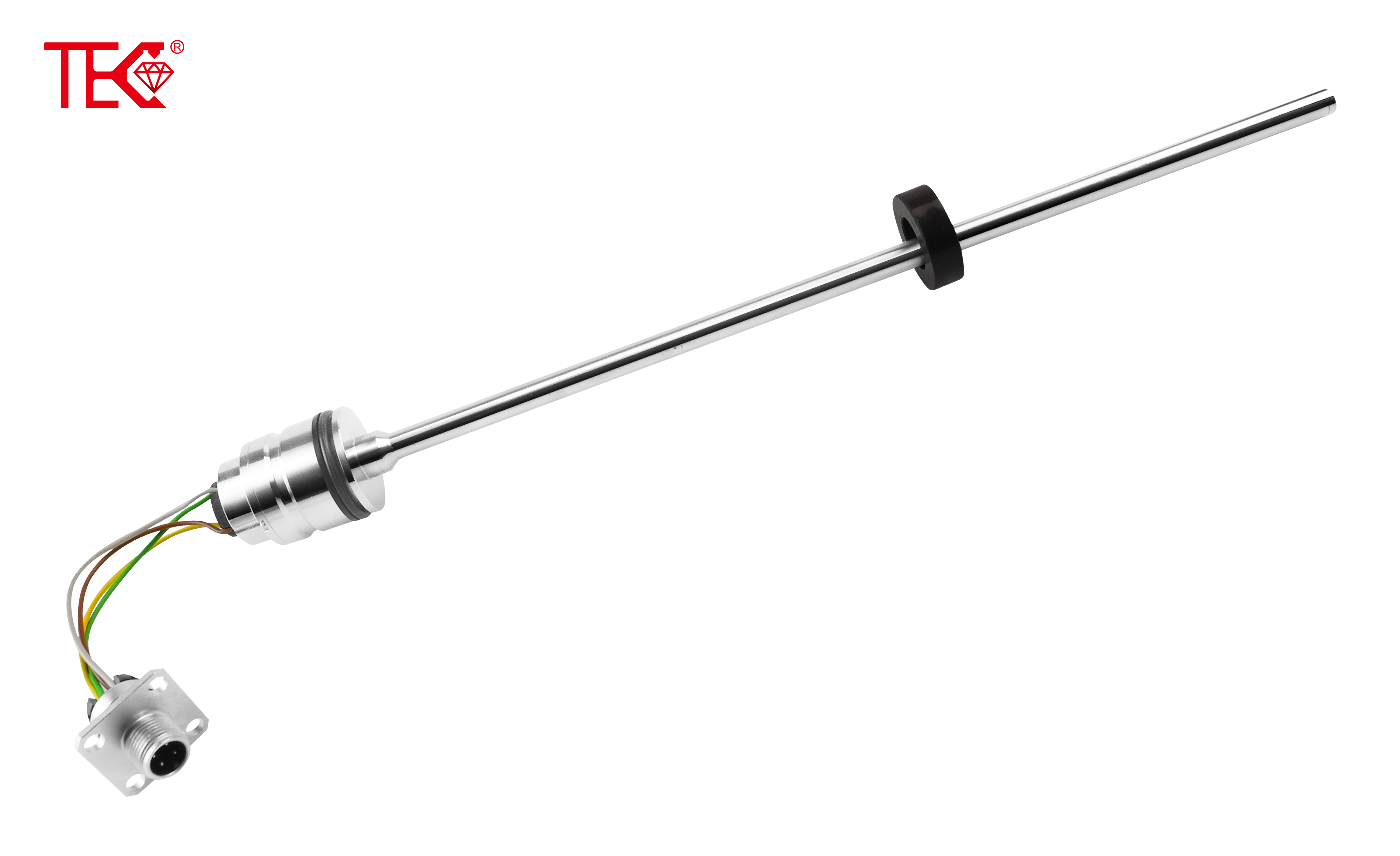
Mixing stations operate in dusty, vibrating, and continuously changing environments, so accurate position feedback is essential for consistent batching and efficient control. The rod-type linear displacement sensor is designed for these conditions. Its stainless-steel rod, wear-resistant guide, and sealed housing protect the internal sensing element from dust, moisture, and impact. The sensor converts linear movement into a stable electrical signal, allowing the control system to monitor gate opening, weighing platform position, and discharge stroke in real time. Compared with conventional sensors, the rod-type design offers easy installation, strong mechanical stability, and high repeatability. It supports analog or digital outputs to match different controllers, and its compact structure fits limited mounting spaces. In asphalt and concrete mixing stations, the sensor is often used on aggregate bins, batching gates, and discharge doors. A well-matched sensor should offer suitable stroke length, protection class, output signal, and resistance to vibration and temperature changes. Proper mounting alignment and cable protection reduce wear and signal interference. Regular calibration, inspection of seals, and cleaning of the rod surface help maintain long-term accuracy. For mixing station manufacturers and operators, choosing a suitable rod-type linear displacement sensor improves batching precision, reduces downtime, and extends service life in demanding construction sites.
 Grain and Oil Storage Tank Int
Mixing Station Rod-type Linear
 Shield Tunneling Flange-mounte
 Injection Molding Machine Non-