
Chemical Industry High-pressure Linear Displacement Sensor
Chemical plants operate under extreme pressure, temperature, and corrosive conditions, so accurate position feedback is essential for safe and efficient control. High-pressure linear displacement sensors are designed to measure valve travel, pump stroke, and actuator position in reactors, pipelines, and dosing systems. Their rugged housings resist aggressive media, pressure spikes, and vibration while maintaining stable output. Unlike standard sensors, they use sealed construction and pressure-resistant materials to protect internal electronics. Stainless steel bodies, ceramic-coated rods, and high-quality seals help the sensor withstand washdown, chemical splashes, and repeated pressure cycling. Analog and digital outputs can connect to PLCs and DCS systems for real-time monitoring. This reliability supports precise flow control, early fault detection, and reduced downtime. In hazardous areas, explosion-proof and intrinsically safe versions improve plant safety. When selecting a sensor, engineers should consider pressure rating, chemical compatibility, stroke length, output signal, and installation space. Proper mounting and regular calibration further extend service life. With continuous position data, operators can optimize processes, prevent overpressure events, and meet strict quality standards. Choosing the right sensor reduces maintenance costs and improves process reliability. For chemical industry automation, a high-pressure linear displacement sensor is a critical component for dependable measurement and long-term performance.
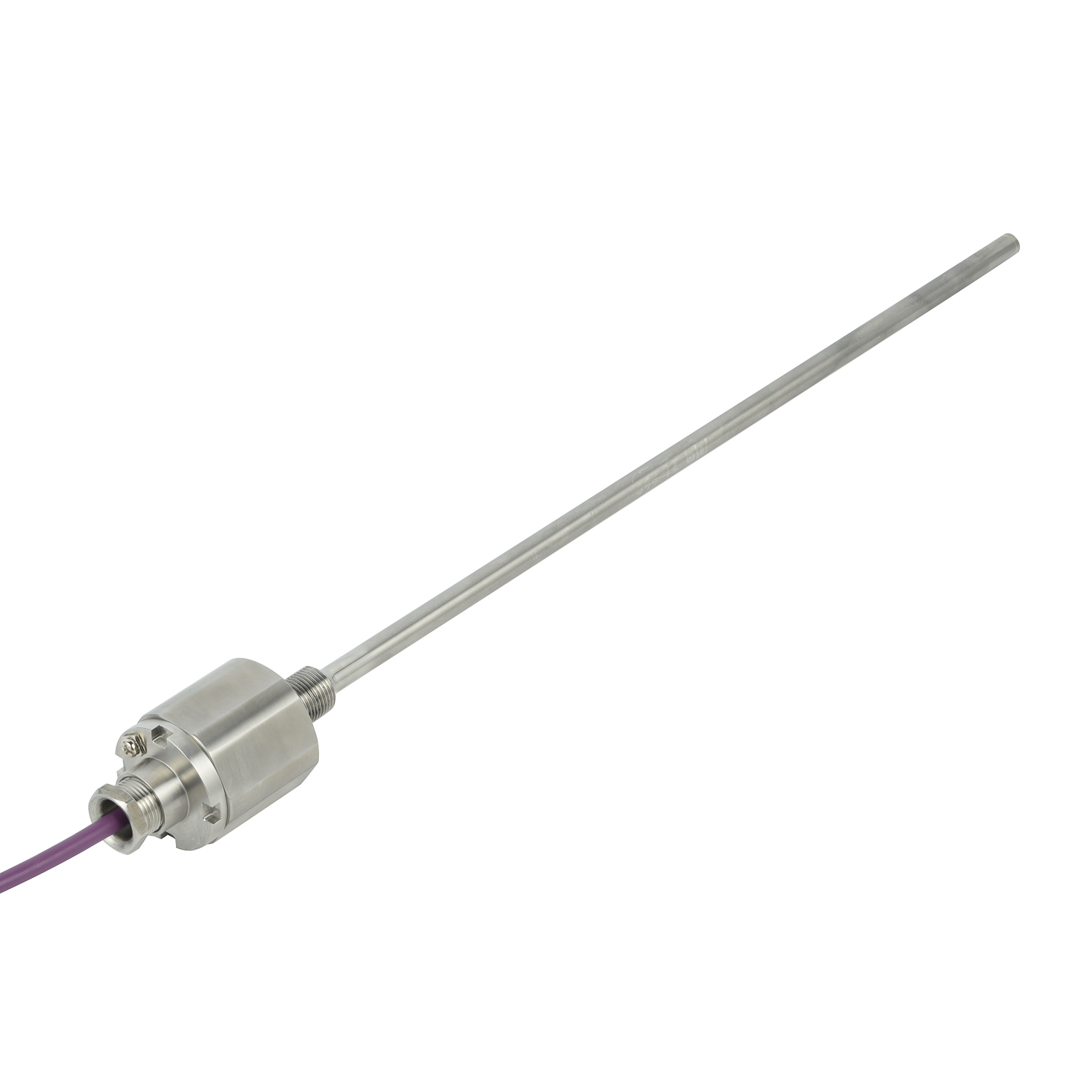 Chemical Industry High-pressur
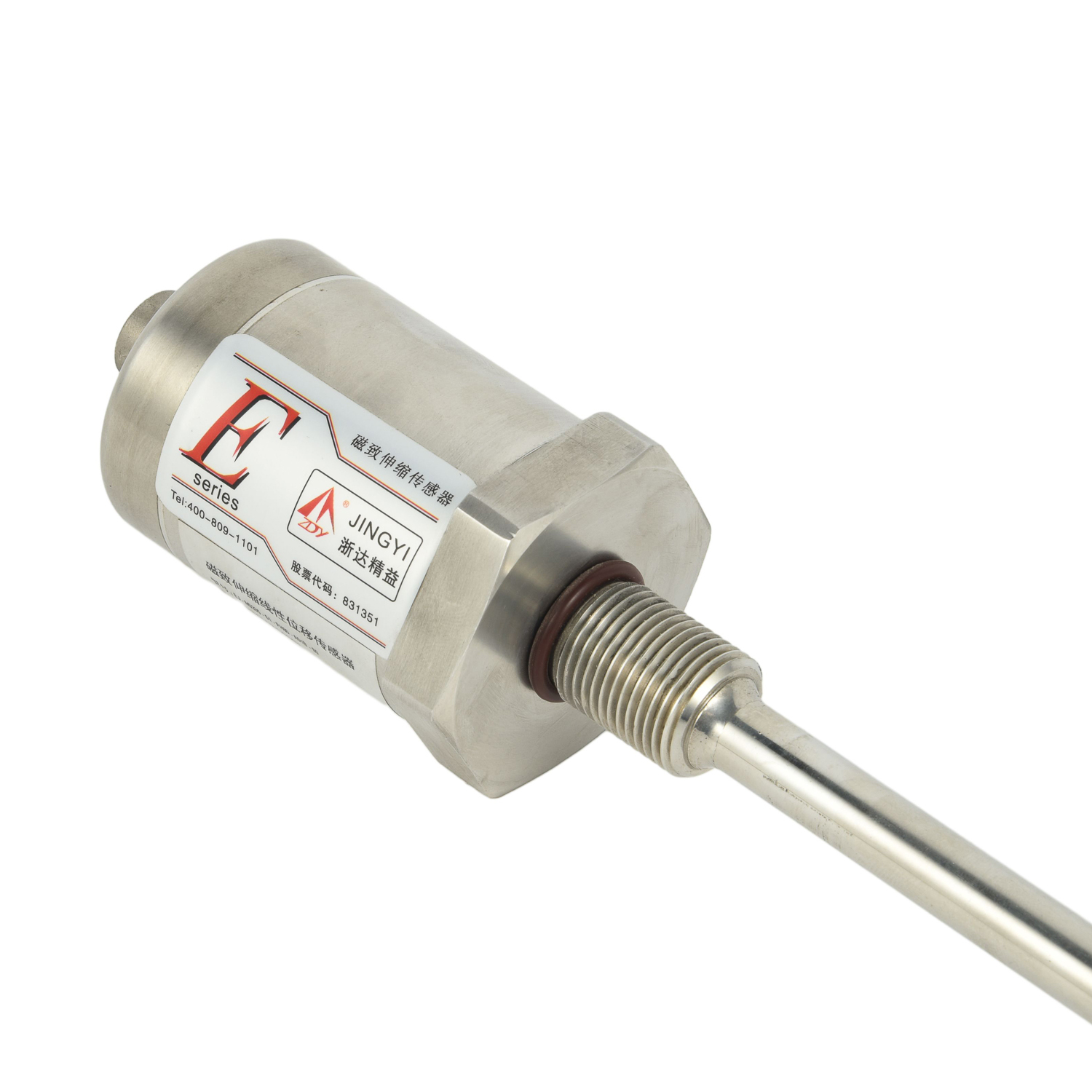 Mining High-temperature Linear
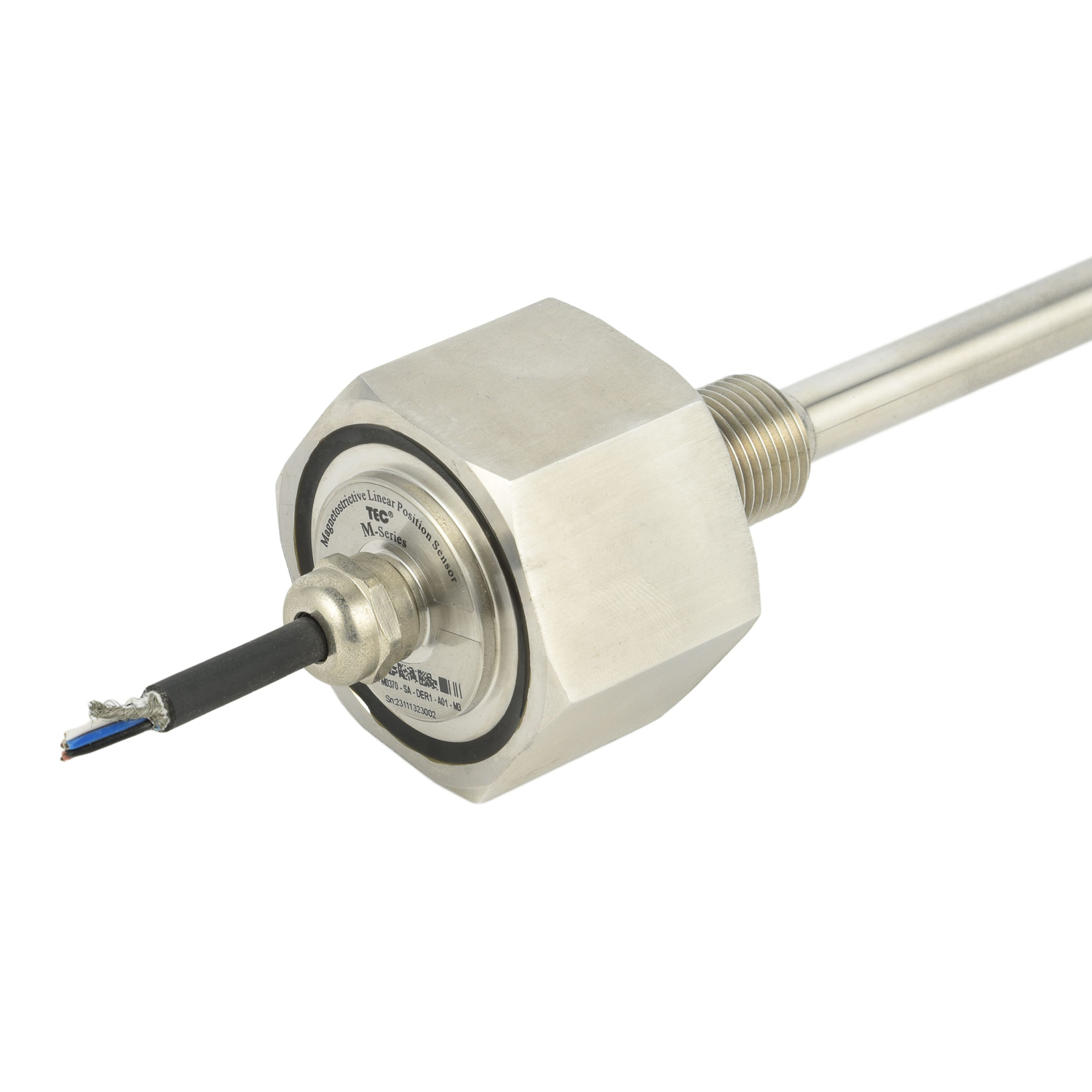 Metallurgy Explosion-proof Lin
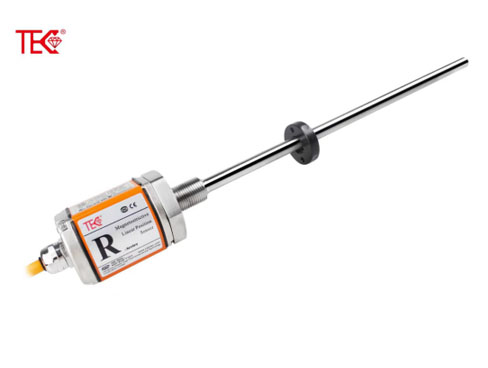 Corrosion-resistant Linear Dis