
Magnetostrictive Displacement Sensor for Die Casting Machines
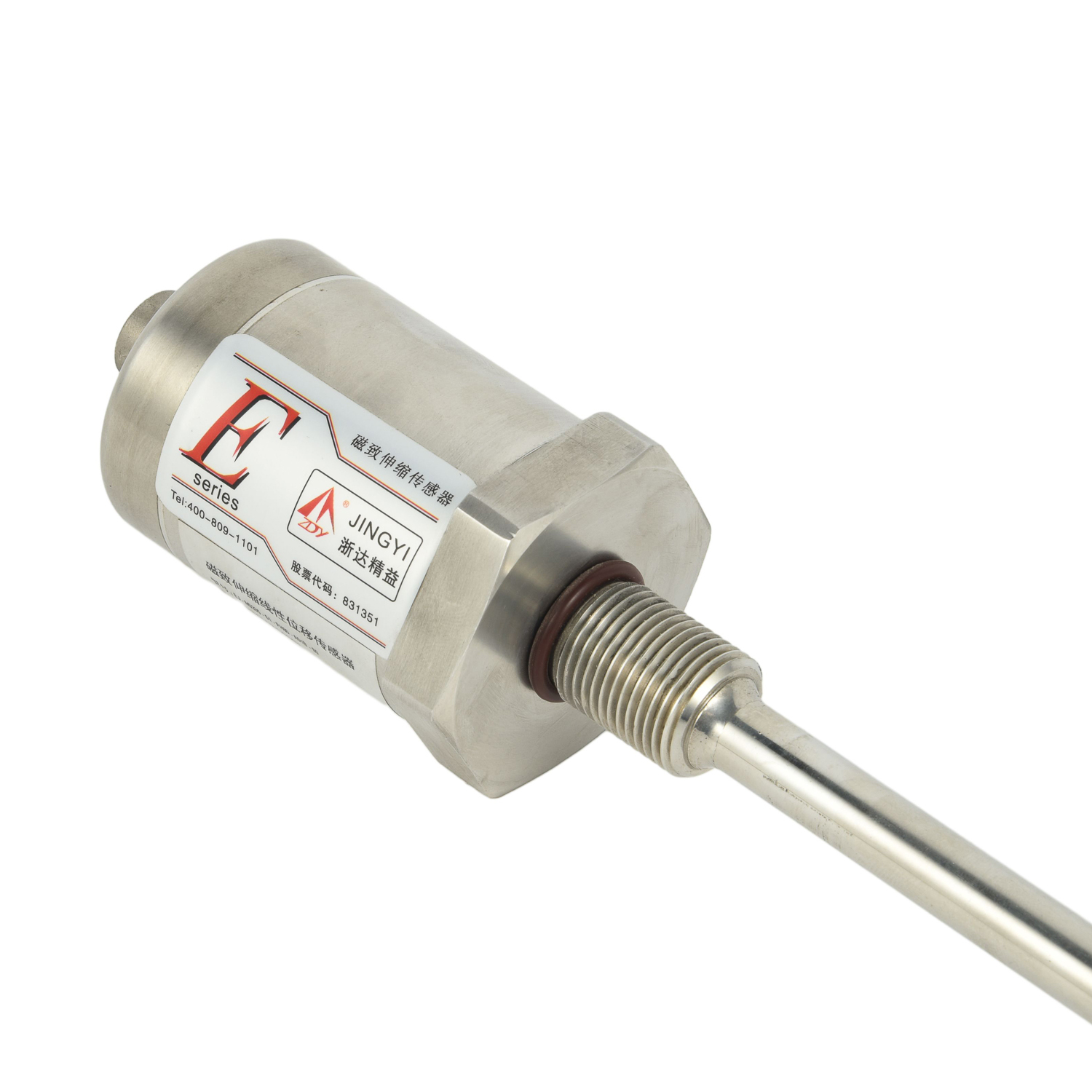
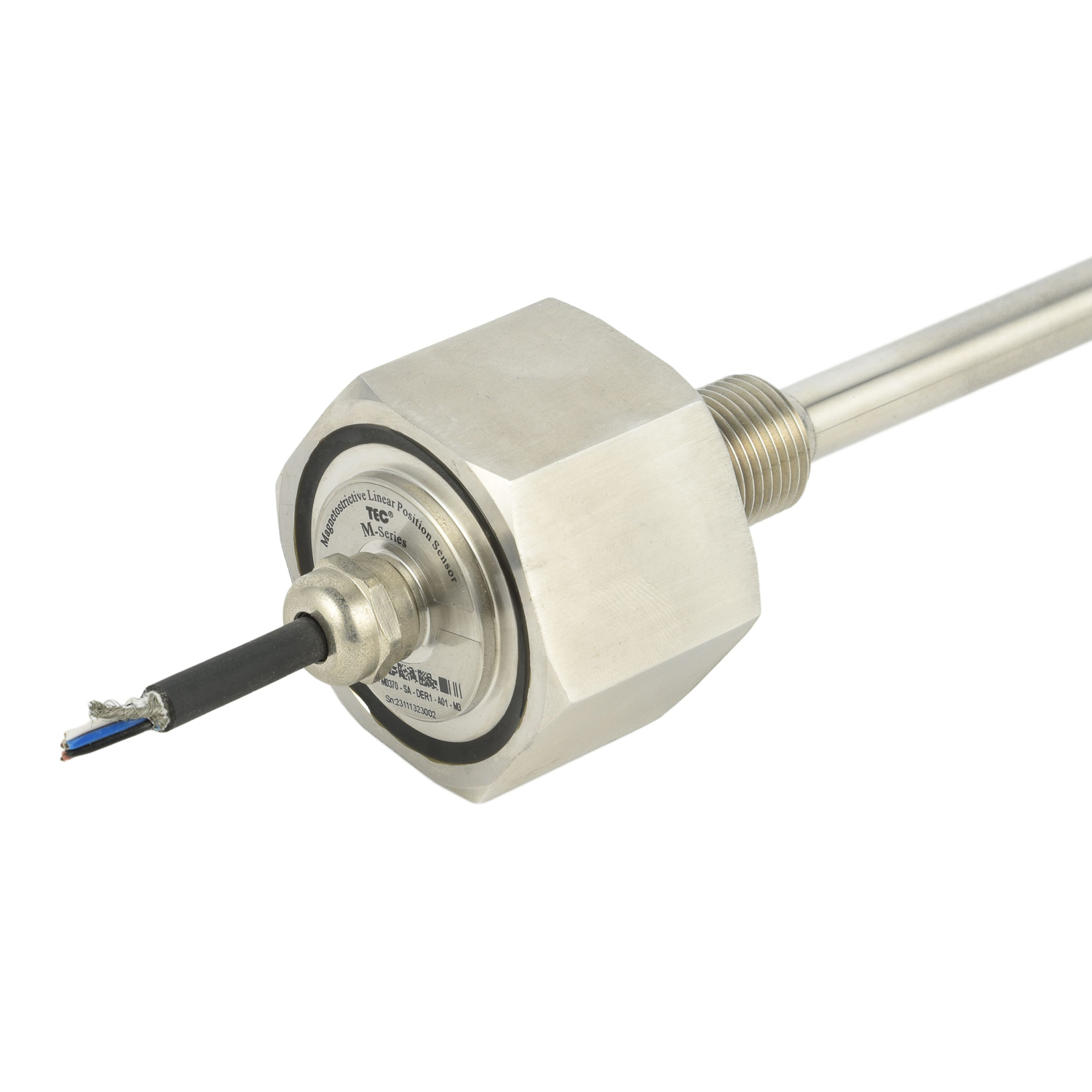
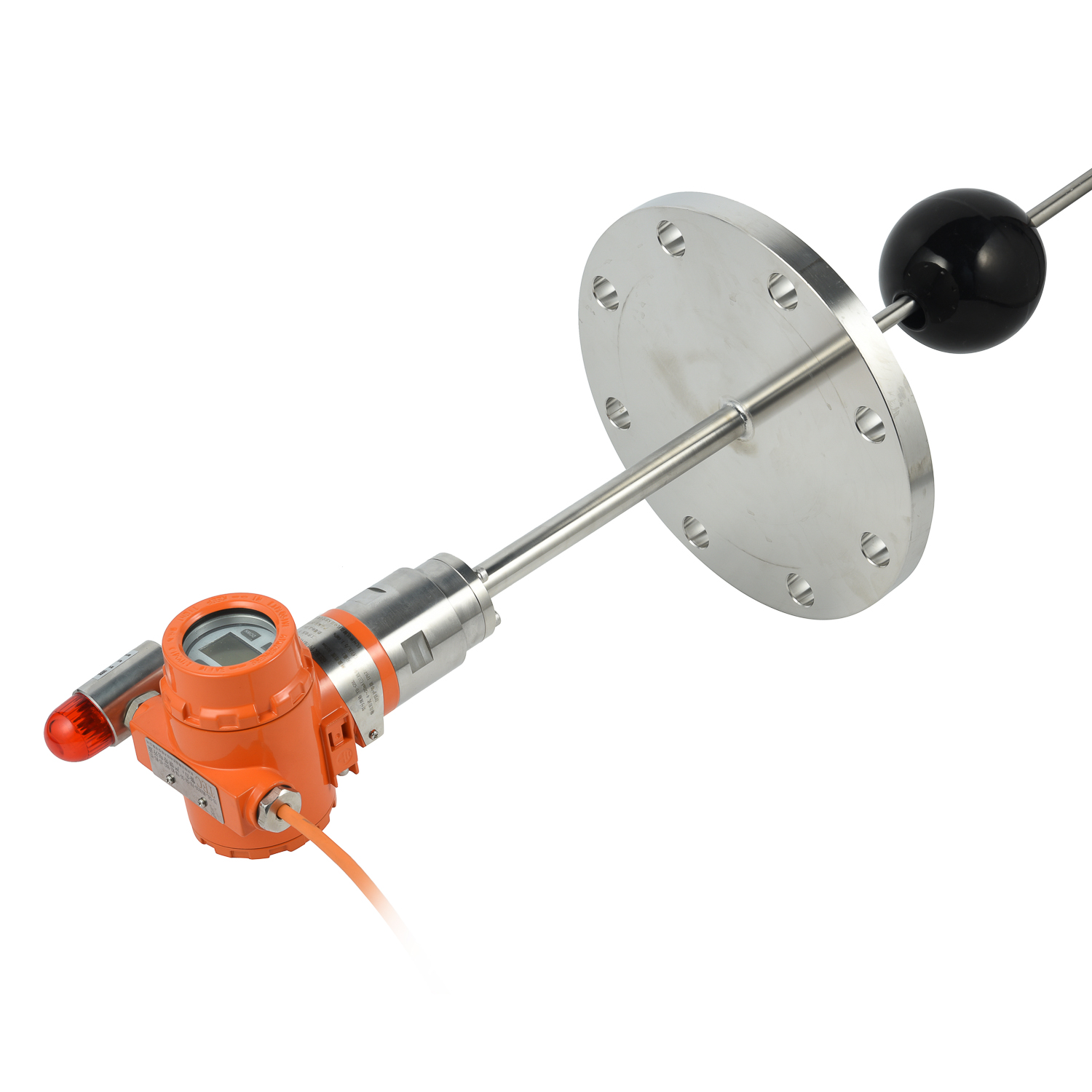
Magnetostrictive displacement sensors are widely used in die casting machines for accurate, repeatable position feedback in harsh conditions. In high-pressure die casting, shot speed, shot position, and mold clamping must be controlled within milliseconds. The sensor measures a movable magnet along a waveguide. A current pulse interacts with the magnet's field and creates a torsional strain wave. The sensor calculates distance from the wave's return time. This non-contact principle means no wear, long life, and stable output.
The sensor is often installed inside the shot cylinder or hydraulic actuator. It provides continuous feedback to the PLC or motion controller. Operators can monitor slow shot, fast shot, intensification, and deceleration. Real-time data helps reduce scrap, prevent cold shuts, and improve casting density. It also supports closed-loop control, so the machine adjusts when oil temperature or load changes.
These sensors resist shock, vibration, contamination, and high temperatures when properly specified. IP67 or IP69K housings, pressure-resistant rods, and outputs such as 0-10 V, 4-20 mA, SSI, CANopen, and EtherCAT are common. Choosing the right stroke length, pressure rating, and mounting style is essential.
In modern die casting automation, magnetostrictive displacement sensors help increase cycle speed, stabilize quality, and lower maintenance costs. They are key components for precision, efficiency, and uptime in high-pressure die casting production.

 Mining High-temperature Linear
 Metallurgy Explosion-proof Lin
 Corrosion-resistant Linear Dis
 Field Application of Rod-type